Pion Studio

BROWSE ALL FROM THIS PHOTOGRAPHER HERE

How the Arts and Crafts Movement Still Shapes Contemporary Architecture

Audio available

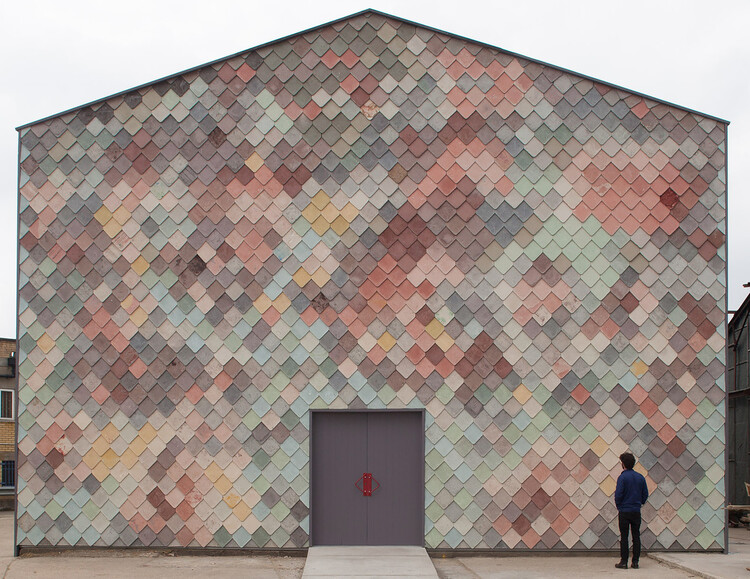
The Arts and Crafts movement is often remembered as an architectural style defined by handcrafted details, an intimate scale, natural materials, and a rejection of excess and industry. Its influence is frequently traced through visual characteristics that continue to appear in contemporary architecture and interiors, from exposed timber and crafted joinery to an emphasis on texture and permanence, yet reducing the movement to an aesthetic vocabulary overlooks its far more significant contribution. For William Morris, Philip Webb, John Ruskin, and their contemporaries, architecture was a question of how things were made, who made them, and whether the process of making could cultivate dignity, meaning, culture, and beauty.

How the Arts and Crafts Movement Still Shapes Contemporary Architecture - More Images+ 44

Morning Rituals: Architecture of Breakfast Spaces

Audio available

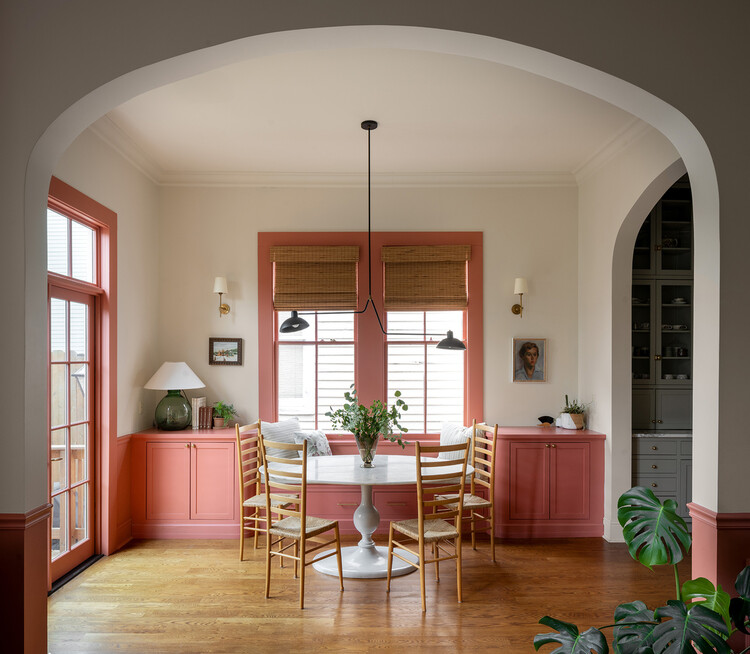
Breakfast nooks emerged in the early twentieth century in response to increasing domestic density and shifting ideas about everyday life. Rooted in the American Arts and Crafts movement and popularized through bungalow housing of the 1910s and 1920s, they evolved from the more formal Victorian breakfast room into compact, built-in spaces embedded within the kitchen. As houses grew smaller and more economical, architects and millwork companies used fixed benches and tables to occupy corners, alcoves, and bay windows that might otherwise be inefficient. These light-filled enclosures provided an affordable means of concentrating daily activities while preserving comfort and spatial clarity.

Morning Rituals: Architecture of Breakfast Spaces - Image 1 of 4Morning Rituals: Architecture of Breakfast Spaces - Image 2 of 4Morning Rituals: Architecture of Breakfast Spaces - Image 3 of 4Morning Rituals: Architecture of Breakfast Spaces - Image 4 of 4Morning Rituals: Architecture of Breakfast Spaces - More Images+ 13

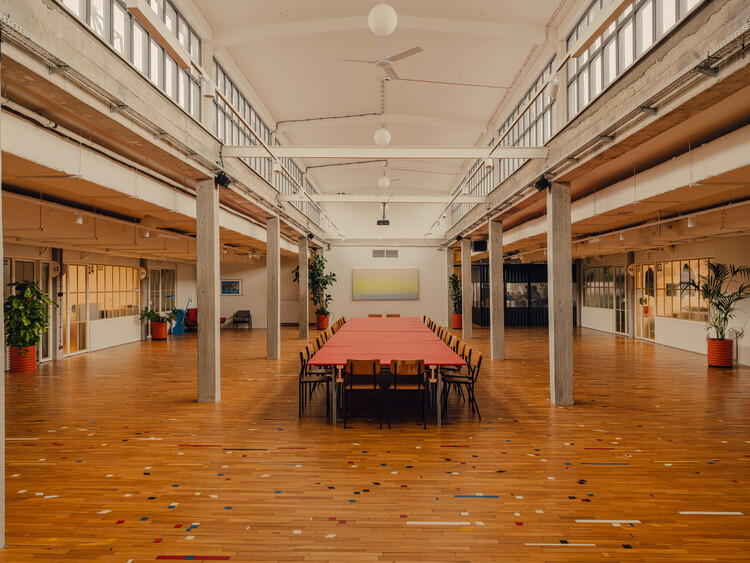
Non-Commercial Cultural Hub / IPA Filip Kozarski + Roark Studio

Non-Commercial Cultural Hub / IPA Filip Kozarski + Roark Studio - More Images+ 29

  • Area Area of this architecture project Area:  1500
  • Year Completion year of this architecture project Year:  2025
  • Manufacturers Brands with products used in this architecture project
    Manufacturers:  mozi studio

Interior Design Trends of 2025

As 2025 approaches its end, we look back at an eventful year in the world of interior design. Last year, designers favored reserved, modest approaches, a trend that continued from previous years. The emergence of artificial intelligence generated intense discussions on digital equity and misinformation, which continued into 2025, especially with the topic of the Venice Architecture Biennale, Intelligens. This opened the conversation to the opportunities of digital technologies, attempting a more hopeful outlook. On the other hand, completed interior design projects over the year focused more on the tangible and the pragmatic, with expressed raw materials and an appreciation of history.

Interior Design Trends of 2025 - More Images+ 35

The Blue Box / Bruzkus Greenberg

The Blue Box / Bruzkus Greenberg - More Images+ 17

  • Architects: Bruzkus Greenberg
  • Area Area of this architecture project Area:  75
  • Year Completion year of this architecture project Year:  2025

Neutrals in Interior Design: 30 Homes with an Understated Color Palette

Subscriber Access | 

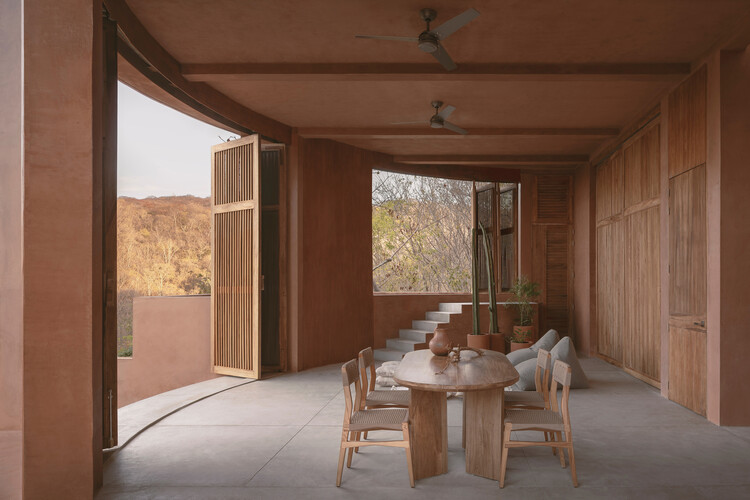
The history of 'neutral colors' is a fascinating journey through the evolution of human aesthetics and design sensibilities. Closely related to the makeup of materials organically found in nature, the color chorus of whites, grays, and earthy brown tones has played a pivotal role in artistic expression, fashion, interior design, and architecture for millenia. From the understated hues of early clay, straw, wood, or brick architectural structures to the now prevalent contemporary interior style, neutral colors have transcended cultural boundaries and continue to hold a special place in our visual landscape – offering a sophisticated elegance and versatility that has stood the test of time.

Neutrals in Interior Design: 30 Homes with an Understated Color Palette - More Images+ 27

Evergreen Design Elements that Define Contemporary Interiors: 7 Features that Last the Test of Time

When it comes to forward-thinking interior design, adaptability, and timelessness are two key factors that can guarantee a home will look just as current years from now as it does today. One interior style that makes use of them more than any other is: contemporary. By borrowing elements from several prominent styles and combining them into a harmonic whole, contemporary interiors stay current even as trends move on. But what are the components that remain constant even with this ever-changing fashion? We explore seven evergreen design elements that define contemporary interiors.

Evergreen Design Elements that Define Contemporary Interiors: 7 Features that Last the Test of Time - More Images+ 45

The Unfolding Home / ACOS (A Collection of Stories)

The Unfolding Home / ACOS (A Collection of Stories) - More Images+ 17