

-
Architects: Cesar Andrés Mancillas de la Torre
- Area: 283 m²
- Year: 2021
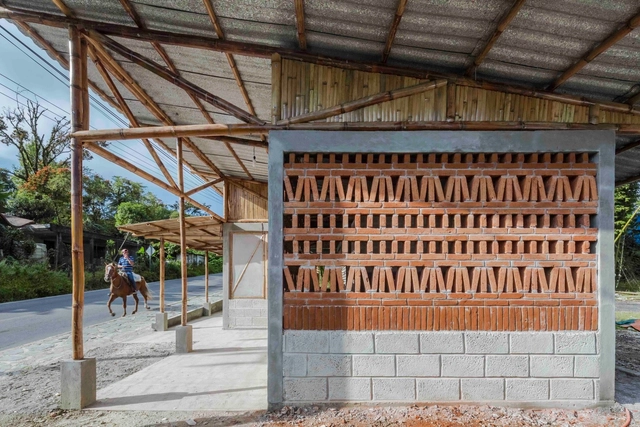
Modular homes are houses either partially or fully constructed in a factory. This process involves creating a series of three-dimensional 'modules' delivered to a site in a predetermined spatial pattern and assembled into a complete product. These homes have become popular solutions to housing crises as they can be produced 50% faster and emit half as much pollution.
However, the locality of the materials used is a significant factor that gives homes their character. It conveys a sense of place, culture, construction history, and local craftsmanship. This raises questions about its role in modular housing: Can local materials be used in the factory production of homes? Can they be combined with a modular framework and temporary connections? What are the limitations of building modular homes in the local contexts of the Global South?
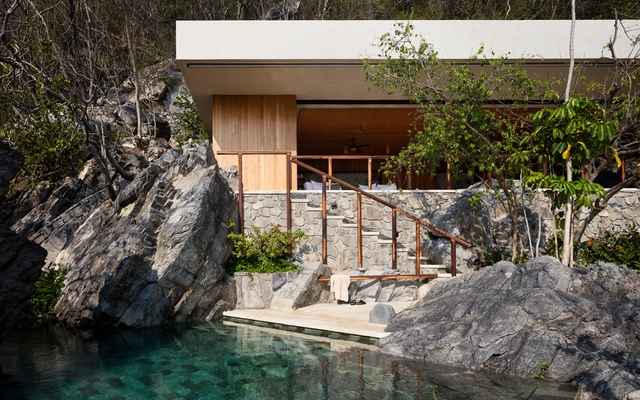
Due to their aesthetic, sustainable, durable, and resistant qualities, stone materials have accompanied the disciplines of architecture and engineering since their origins. As is known, in Mexico, stone has been a fundamental element in pre-Hispanic constructions where experimentation was done with vaults, ashlars, masonry, etc.
However, the industrialization of this material, the perfection of techniques, and experimentation with its various applications have allowed buildings erected today to continue using it in different ways and various regions of the country, specifically in wooded areas. For this reason, we have compiled a selection of projects that include houses, haciendas, hotels, restaurants, and terraces to continue inspiring you.
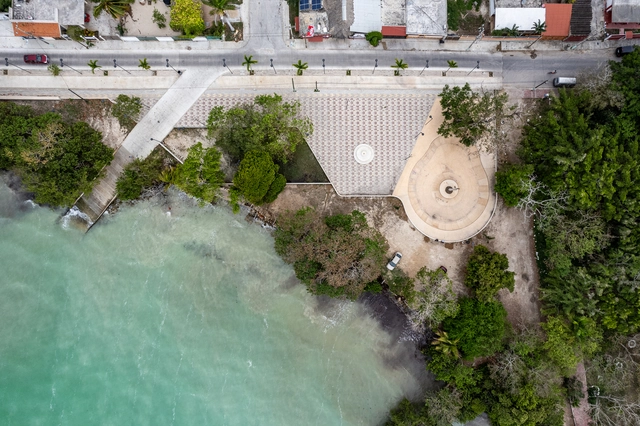
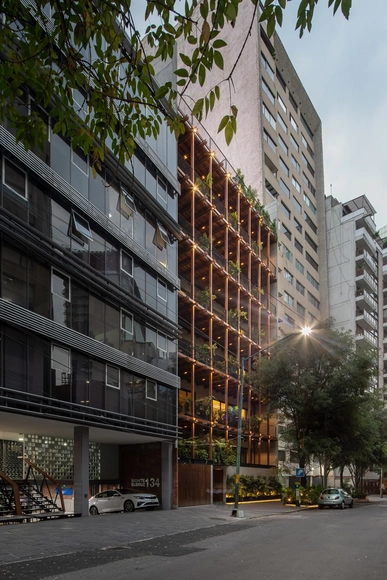
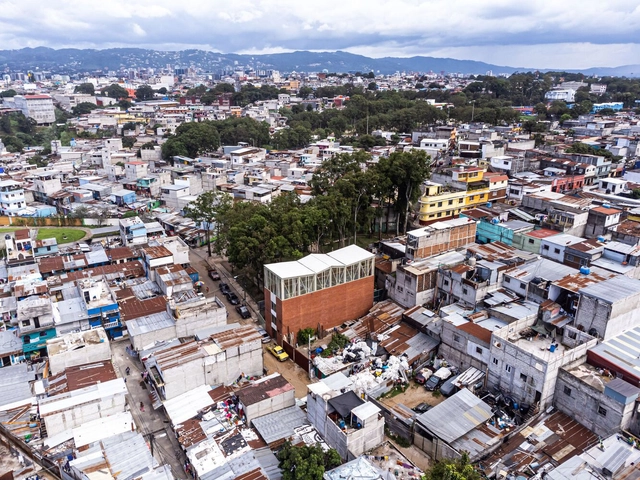
"Architecture, city, and activism" are the words that define Taller ACÁ, an emerging practice led by Jorge Villatoro and Hans Schwarz in Guatemala City. Among their projects are the Tiny House Quinn and the Community Center Plantando Semillas, which were recently selected as the winners of the Danta Awards at the 2023 Guatemala Architecture Biennial. In the following conversation, Villatoro and Schwarz provide detailed insights into their inspirations, working processes, and future projections for architecture, both in the country and in Central America.
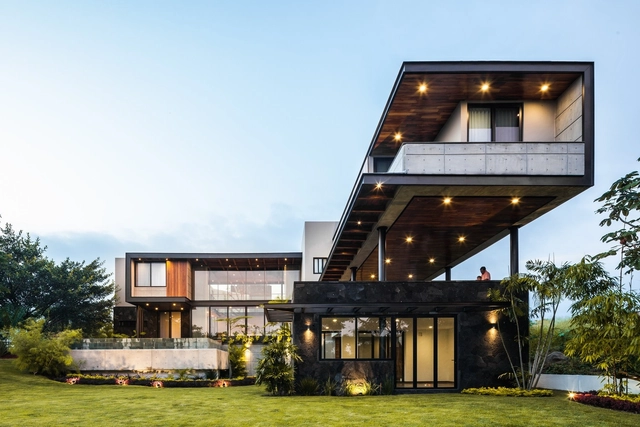
There are several reasons why Colima is a Mexican state of relevant cultural wealth, one of them is due to its climate and orography where beaches such as Manzanillo and the Colima volcano are sheltered, facilitating tourism in this region. Moreover, the rich pre-Hispanic history signed on archaeological sites such as "El Chanal", "La Campana" and "Meseta de la Hierbabuena", as well as some important haciendas (farms) such as the Hacienda de Nogueras, Hacienda del Carmen and Hacienda San Antonio.
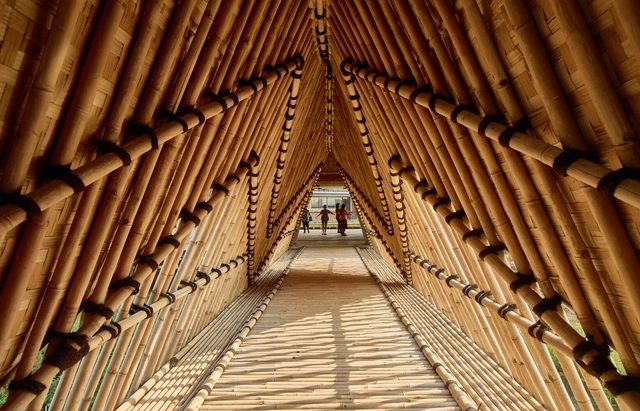
For architects, schools are often complex structures to design. They must provide a variety of spaces for education, and also consider sports and recreational activities. But beyond its size or surface, the greatest challenge is to design an area that fosters a positive pedagogical environment for children. Below, a selection of +70 school projects with their drawings to inspire your proposals for learning campuses.
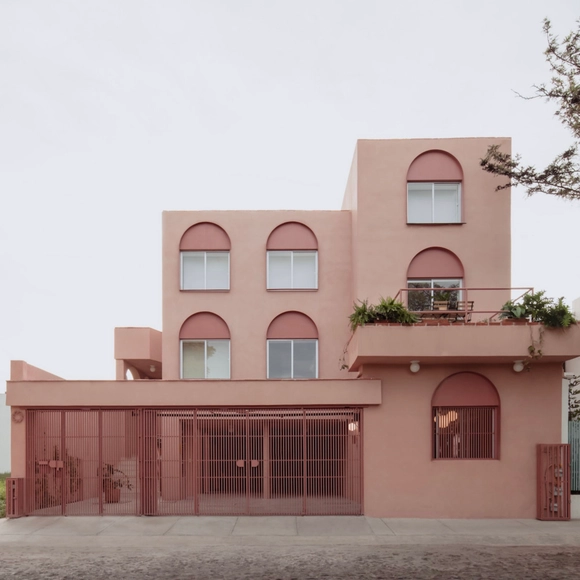
One way to employ color is through monochrome, a design technique that involves using a single tone or color in a space. In architecture, monochrome is a powerful tool where different shades can be created through the play of lights and shadows, generating spaces that offer unique experiences to their inhabitants.
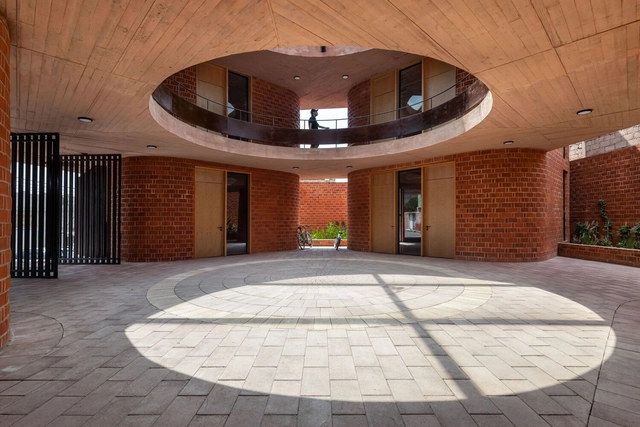
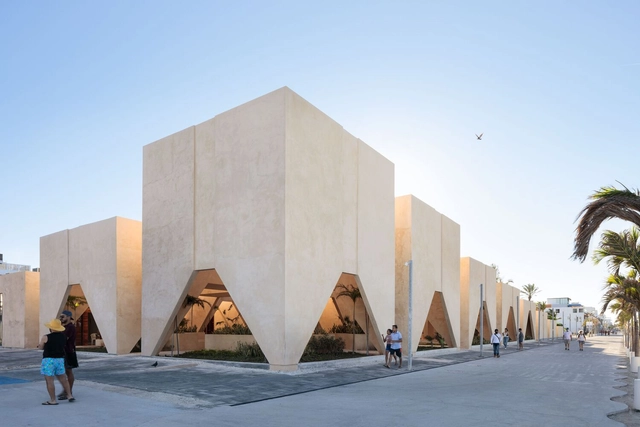
Yucatán is a state located in the southeastern part of Mexico on what is known as the Yucatán Peninsula, bordered by the Gulf of Mexico, Quintana Roo, and Campeche. Within this state, there are 4 magical towns: Izamal, Maní, Sisal, and Valladolid. The architecture of this region is a blend of indigenous, Hispanic, Mexican, French, Italian, and American influences.
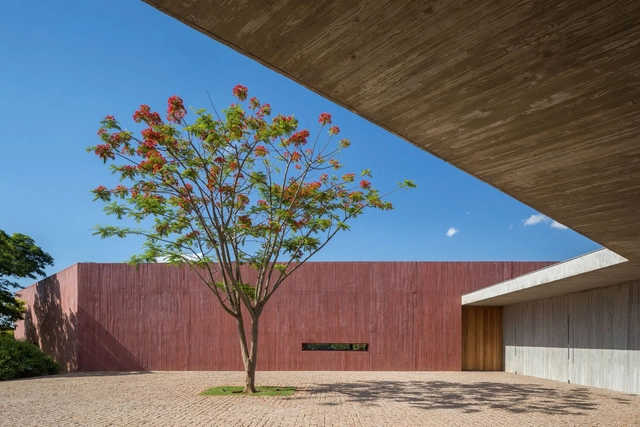
The use of pigmented concrete in Latin American architecture is growing - and influencing contemporary architectural expression. This can be seen in recent built works ranging from the INES Innovation Center designed by Pezo von Ellrichshausen in Chile to the Teotitlán del Valle Community Cultural Center by PRODUCTORA in Mexico.

From the pre-Columbian period of the Americas –during which cultures such as the Olmec, Maya, Purepecha, and Mexica (Aztec) thrived– to the modern era where architecture has been influenced by social movements and even natural disasters, Mexican architecture showcases a valuable architectural expression, with its own unique voice and distinctive characteristics. Nobel Literature Laureate Octavio Paz argued that architecture is an incorruptible witness to history. Likewise, the materials used to shape it have acted as protagonists of that history, enduring in many cases over time and evolving thanks to the generations of architects who have contributed to it, from different perspectives.
To trace a timeline, it is possible to take as a starting point pre-Hispanic architecture, which exhibited a diversity of nuances due to Mexico's vast territorial extension. This allowed diverse cultures to find their niche and develop their characteristic architectural styles. Subsequently, the era of Spanish colonization, which itself drew influence from Islamic architecture, represented a noteworthy turning point in architectural development. This phase endured until the advent of Mexican Independence in the 19th century. In turn, this marked the initiation of social and cultural movements, both during and after the Mexican Revolution in the early 20th century.
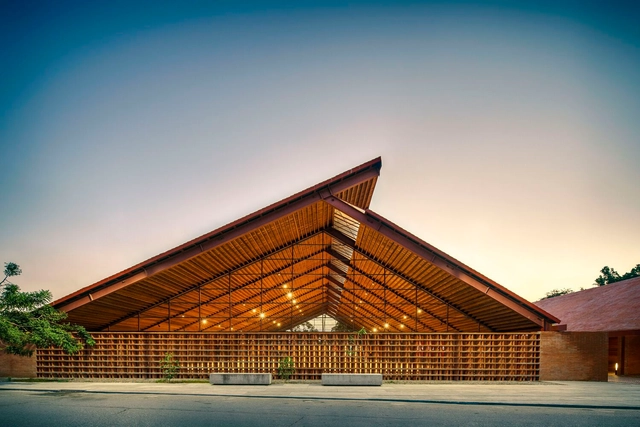
The relationship between architecture and music has existed throughout history and can be observed in various aspects. The way architectural spaces are designed can affect the sound quality and auditory experience of a musical piece. The acoustics of a place, determined by its shape, size, and materials used in its construction, can influence how sounds and music are perceived. That's why architecture plays an essential role in the design of auditoriums and concert halls. The aspects to consider include space distribution, seat placement, the shape of the venue, and acoustics to ensure an optimal sonic experience.
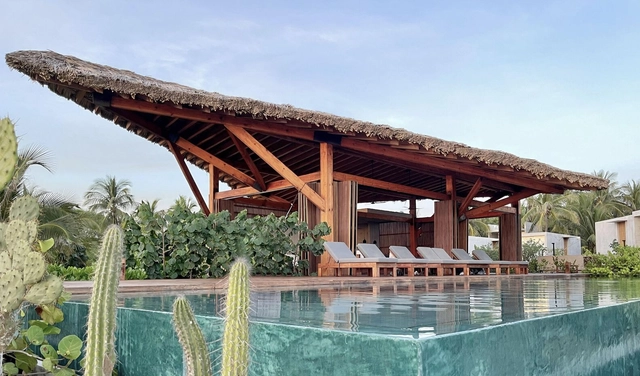

At first glance, building a pool right beside another body of water seems a little redundant. After all, why would someone choose to swim in a pool when they have a river or ocean to enjoy? However, for people with limited mobility and younger more inexperienced swimmers, natural bodies of water can prove both daunting and dangerous. Pools not only provide a controlled, secure space for them to enjoy aquatic activities, they also provide a connection with the surrounding landscape.
The Royal Academy has honored Shane de Blacam at the 2023 Royal Academy Architecture Awards, alongside announcing the finalists for the Royal Academy Dorfman Award—an accolade that celebrates global architecture, looking toward the future of the discipline and architectural practice. The finalists are COMUNAL (Mexico), Taller Gabriela Carrillo (Mexico), H Arquitectes (Spain), and Tropical Space (Vietnam).