
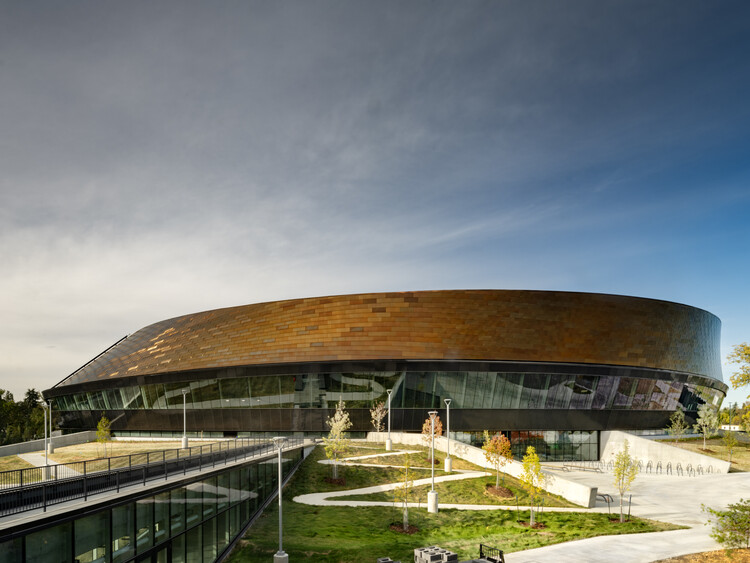
Coronation Park Sports and Recreation Centre / hcma architecture + design + Dub Architects + FaulknerBrowns Architects


https://www.archdaily.com/1184434/coronation-park-sports-and-recreation-centre-hcma-architecture-plus-design-plus-dub-architects-plus-faulknerbrowns-architectsSusanna Moreira
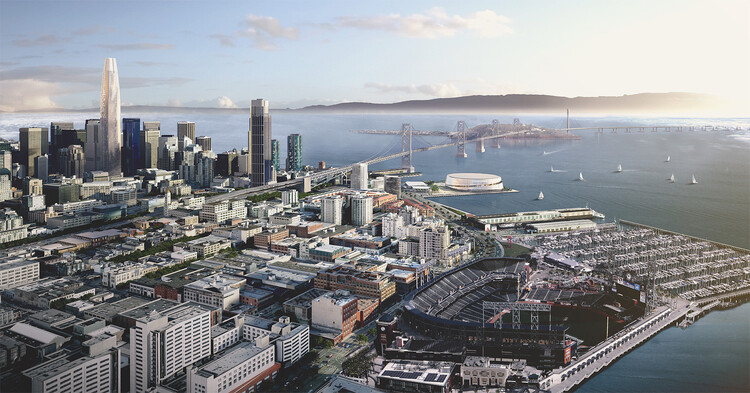
Form, Function, and Funding: The High-Tech Urbanism of San Francisco

This article is part of "Thresholds", a special edition printed newspaper by Cobe Notes x ArchDaily.
San Francisco is a city that has always remade itself under pressure. Its Victorian streetscapes have survived seismic retrofits and glass towers, its neighborhoods defined as much by change as by its resistance to change. But no force in the city's history has reshaped the built environment as completely, or as quickly, as the technology economy. What began in the postwar sprawl of Silicon Valley migrated north and inscribed its logic onto the skyline and the lives of residents. The result of this logic is an architectural culture of considerable technical refinement and refined material palettes, yet one that remains largely indifferent to the existing population.
The cost of indifference is measurable and mounting. San Francisco must accommodate more than 82,000 additional housing units by 2031 under California's Regional Housing Needs Allocation framework, in a city where median rent already ranks among the highest of any American metropolitan area. Teachers, healthcare workers, and service employees are actively displaced by a real estate market calibrated to a single sector's income levels rather than the city's largest workforce.


https://www.archdaily.com/1039650/form-function-and-funding-the-high-tech-urbanism-of-san-franciscoOlivia Poston
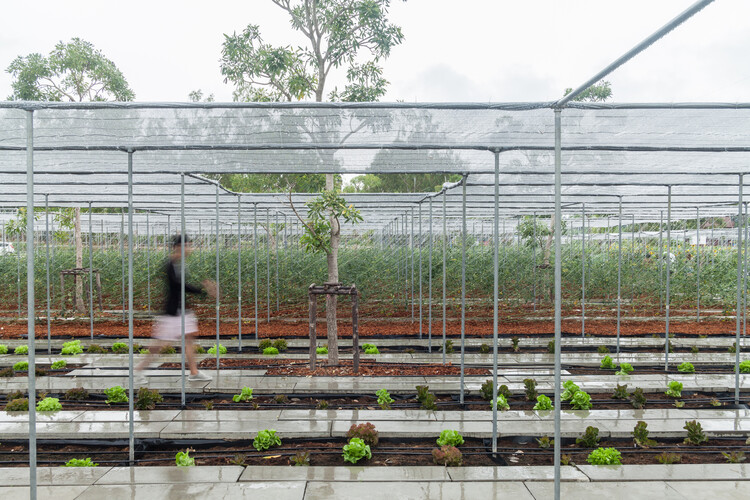
Neither Farm Nor Hotel: Why Agritourism Needs Its Own Architectural Typology

This article is part of our new Opinion section, a format for argument-driven essays on critical questions shaping our field.
Agritourism is commonly understood as a hybrid model, with equal parts of overlap between the agriculture and hospitality industries. Under this framing, agritourism is valued as a variation on an existing theme, a supplementary activity layered onto rural production. This framing no longer holds in the 21st century as the scale and independence of agritourism's growth have transformed it into a distinct economic sector, one with architectural consequences that neither the agriculture nor the hospitality industries are equipped to address in isolation.


https://www.archdaily.com/1171797/neither-farm-nor-hotel-why-agritourism-needs-its-own-architectural-typologyOlivia Poston
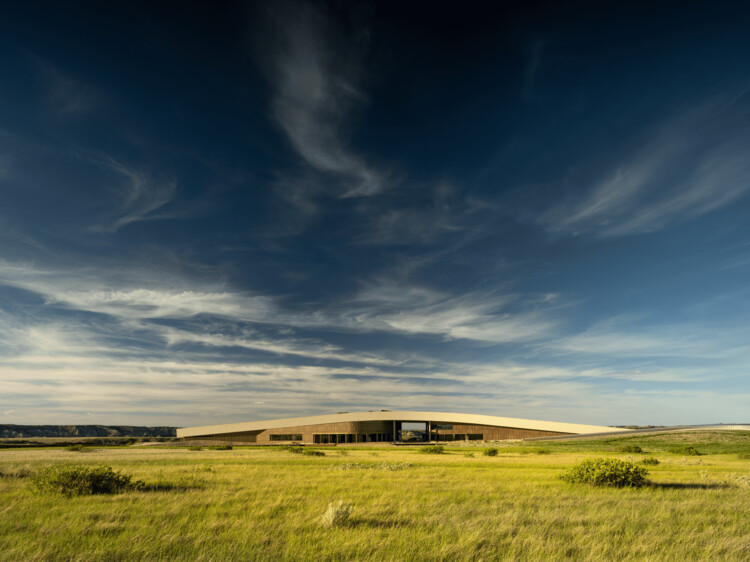
Theodore Roosevelt Presidential Library / Snøhetta


-
Architects: Snøhetta
- Area: 96000 ft²
- Year: 2026
-
Professionals: JE Dunn Construction
https://www.archdaily.com/1053997/theodore-roosevelt-presidential-library-trpl-snohettaAndreas Luco
Reflections on the Changes in New York City: 'Hudson Yards'
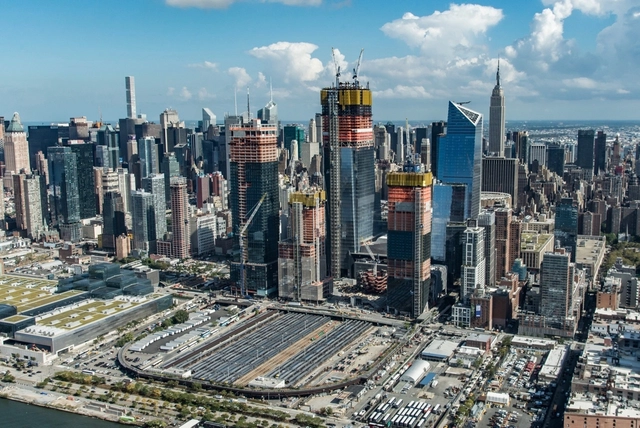

Colectivo ARKRIT has shared a chronicle by Kosme de Barañano on the physical—and perhaps also social and economic—reconstruction of New York in 2018, following the devastation of the Twin Towers attacks and the 2008 financial crisis. His extensive, wide-ranging work spans surprising European references, New York management systems, contemporary formal architectural exuberance, and bold proposals for public space design.
In this first chapter, Kosme de Barañano describes the new development known as 'Hudson Yards.'
https://www.archdaily.com/1113976/reflections-on-the-changes-in-new-york-city-hudson-yardsKosme de Barañano
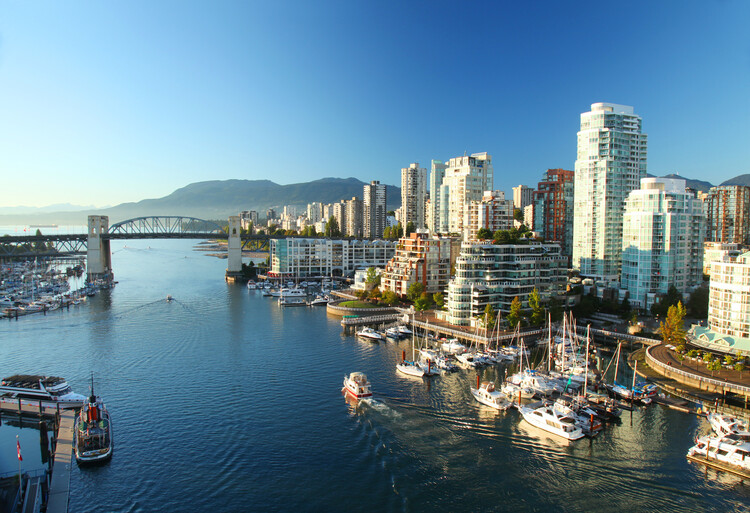
Vancouver Architecture City Guide: 20 Projects Behind North America's Most Livable City

As the overview of the FIFA World Cup 2026 cities continues, we move on to what is currently the most livable city in North America, Vancouver. Dubbed the city of glass by artist Douglas Coupland, who was referring to the downtown's dominant steel-and-glass architectural aesthetic, the city actually boasts diverse architecture, from 20th-century Edwardian buildings to unique 21st-century modernist sites.
Vancouver is known for its good quality of life and access to nature. Although it comes at a price, the city offers high-quality services and ample recreational and public spaces, as seen in its architecture. There are many repurposed office and institutional buildings that have taken on a second life as public and hospitality spaces.


https://www.archdaily.com/1042497/vancouver-architecture-city-guide-20-projects-behind-north-americas-most-livable-cityHana Abdel
Toronto Architecture City Guide: 30 Modern and Contemporary Landmarks in Canada's Largest City
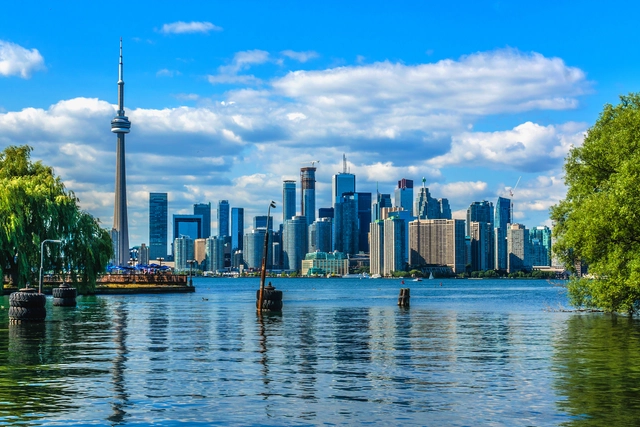
As one of the host cities of the 2026 FIFA World Cup, Toronto is preparing to welcome fans from across the globe. The Canadian city, the fourth largest in North America, has become a cosmopolitan center with its renowned business district and cultural venues that come alive during the summer and early fall nights. Toronto offers a beautifully diverse urban setting, with shimmering high-rises and smaller brick houses, intertwining residential and vibrant commercial areas, public parks, and even beaches. All become part of the city's striking skyline, crowned by the iconic CN Tower.
Toronto's ongoing sprawl and constant urban development are evident as new projects spread through the city, weaving themselves into existing buildings, from 19th-century landmarks such as the Gooderham Building to major contemporary works like the Aga Khan Museum. These new constructions include increasing adaptive reuse and retrofitted projects throughout the city as more efforts and incentives are provided to reduce carbon emissions.


https://www.archdaily.com/1006691/toronto-architecture-city-guide-30-modern-and-contemporary-landmarks-in-canadas-largest-cityHana Abdel
Discover the Full List of Stadiums Hosting the 2026 FIFA World Cup in the United States, Mexico, and Canada

The FIFA World Cup 2026 will take place from June 11 to July 19, 2026, across North America, with matches hosted at 16 venues in Canada, Mexico, and the United States. For the first time, the tournament is being co-hosted by three countries: 11 venues in the United States, 3 in Mexico, and 2 in Canada. Since the 2018 FIFA Congress selected the venues to host the 2026 World Cup, the three North American countries have been working to deliver the tournament. This edition will be the first to feature 48 competing teams, expanded from 32. Unlike the 2022 Qatar World Cup, which required the construction of entirely new stadiums, the three host countries already have the necessary infrastructure in place, though several venues are taking the opportunity to upgrade their facilities, including Mexico City's Estadio Azteca, Arlington's AT&T Stadium, and Toronto's BMO Field.

https://www.archdaily.com/993287/explore-the-full-list-of-football-stadiums-for-the-2026-fifa-world-cup-in-united-states-mexico-and-canadaArchDaily Team
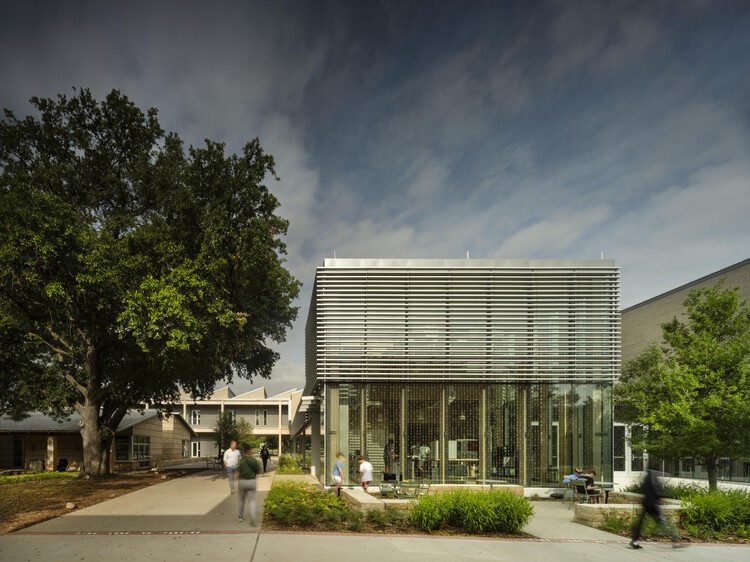
Greenhill School - Rosa O. Valdes STEM and Innovation Center / Bohlin Cywinski Jackson


-
Architects: Bohlin Cywinski Jackson
- Area: 67400 ft²
- Year: 2024
-
Manufacturers: Modernfold, Tremco, Interface, Acme Brick, Calmac, +7
https://www.archdaily.com/1038335/greenhill-school-rosa-o-valdes-stem-and-innovation-center-bohlin-cywinski-jacksonHadir Al Koshta
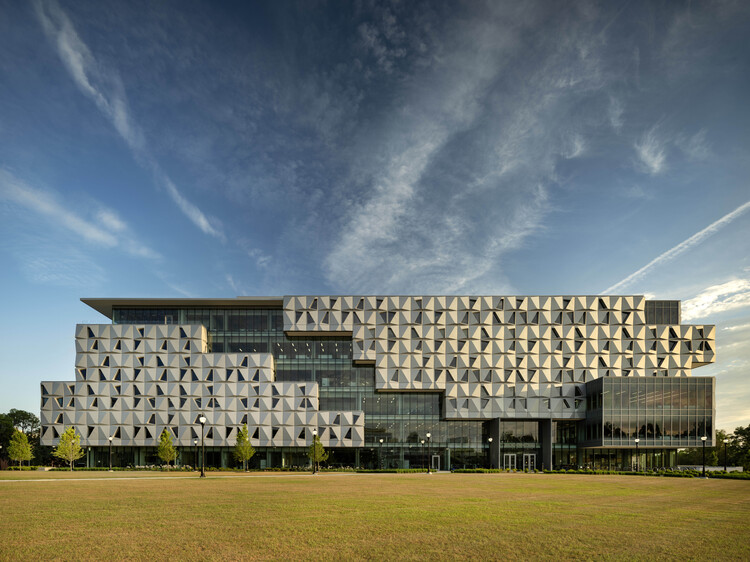
University of Florida - Malachowsky Hall for Data Science and Information Technology / Bohlin Cywinski Jackson


-
Architects: Bohlin Cywinski Jackson
- Area: 265000 ft²
- Year: 2024
-
Manufacturers: Forbo Flooring Systems
https://www.archdaily.com/1038014/university-of-florida-malachowsky-hall-for-data-science-and-information-technology-bohlin-cywinksi-jacksonHadir Al Koshta
Architecture in Motion: Framing Spaces That Live and Breathe
| Sponsored Content
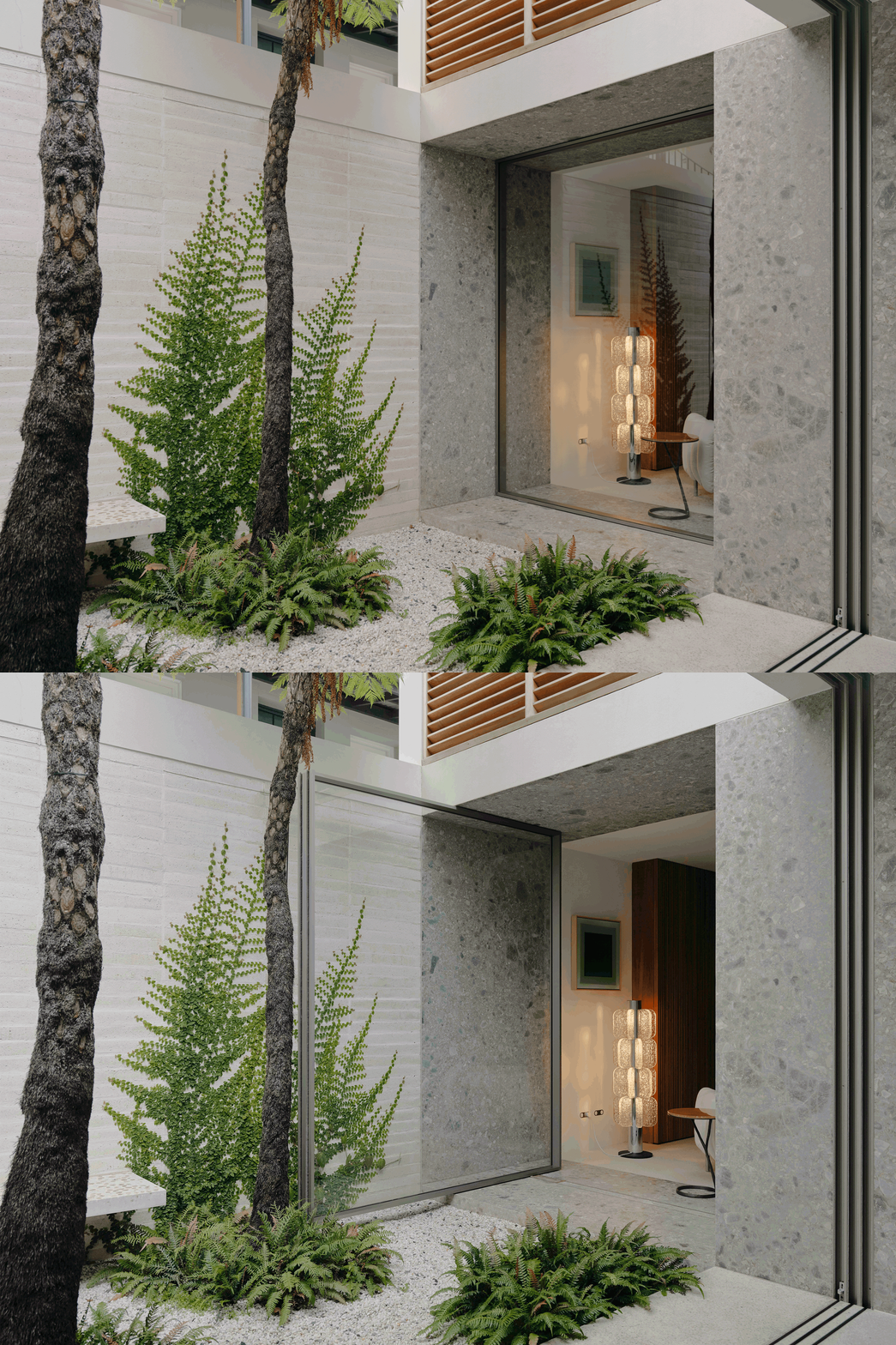
Architectural space has long been framed by permanence: rooms for fixed functions, facades that clearly define where exterior ends and interior begins. Yet contemporary life is defined by overlap and transition: between work and living, interior and exterior, privacy and community. Spatial needs evolve continually, demanding architecture that can respond, adapt, and remain relevant over time.
In this context, adaptability has emerged not only as a design ambition but as a sustainable necessity. Buildings that adjust to shifting uses, evolving climates, or new forms of living extend their lifespan and reduce the need for demolition or extensive retrofits. Flexibility becomes a measure of resilience, allowing structures to remain vital across decades. But how can architecture respond to the evolving ways we inhabit and experience space?
https://www.archdaily.com/1035970/architecture-in-motion-framing-spaces-that-live-and-breatheKiana Buchberger
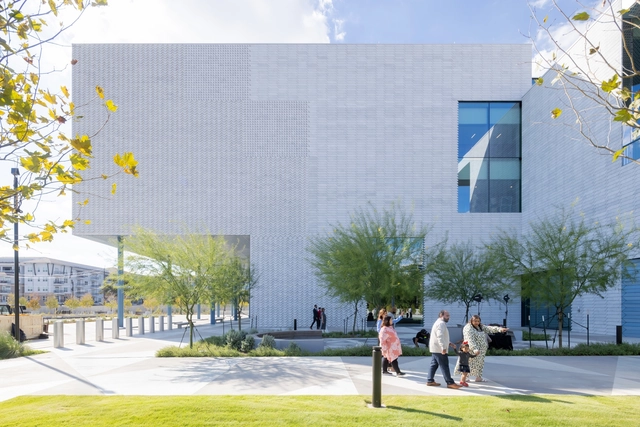
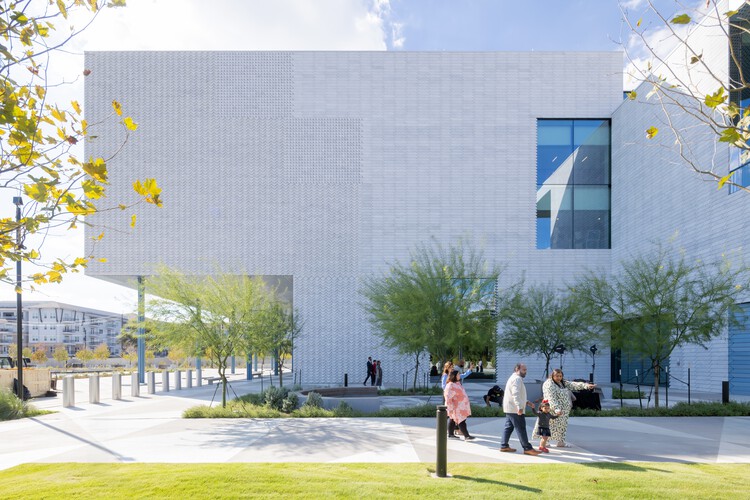
The Ismaili Center Houston / Farshid Moussavi Architecture


-
Architects: Farshid Moussavi Architecture
- Year: 2025
https://www.archdaily.com/1035839/the-ismaili-center-houston-farshid-moussavi-architecturePilar Caballero
Passive Design Lessons from Renzo Piano’s Most Celebrated Works
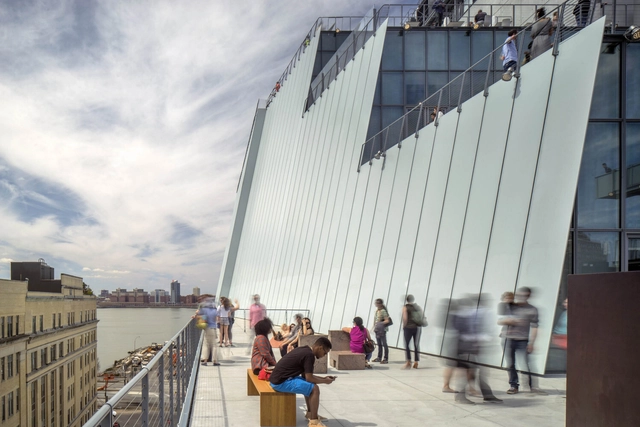
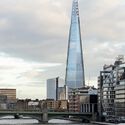
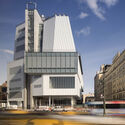
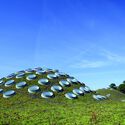
It's no exaggeration to say that Renzo Piano is one of the most unanimously respected architects in the world of architecture. With an oeuvre that blends respect for context, lightness and technology to create environmentally conscious and aesthetically pleasing structures, his approach combines advanced materials with traditional techniques. In projects of various scales, the Genoese architect maintains an essential thread: the implementation of passive architectural strategies, highlighting the importance of these methods for sustainability and energy efficiency. This is often made explicit in his sketches, as an initial concern, and clearly comes through in the finished works. Here are some examples of iconic projects developed by his office in recent decades.

https://www.archdaily.com/1017426/exploring-the-passive-architectural-strategies-in-renzo-pianos-iconic-buildingsEduardo Souza
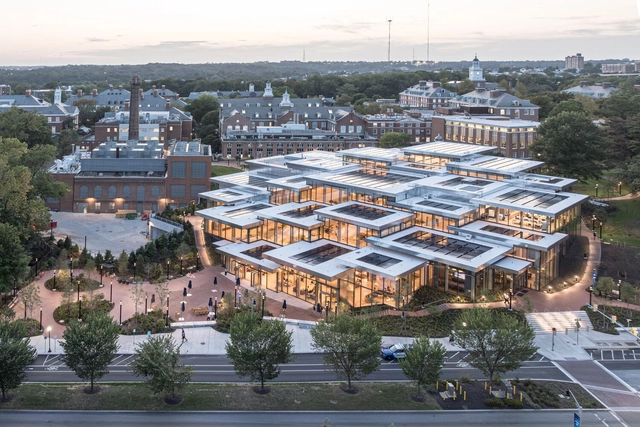
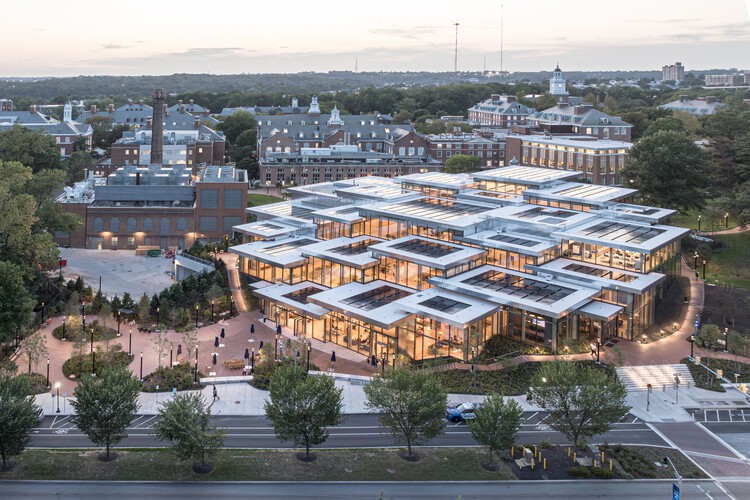
Bloomberg Student Center / BIG + Rockwell Group + Michael Van Valkenburgh Associates


-
Architects: Bjarke Ingels Group, Rockwell Group
Landscape Architects: Michael Van Valkenburgh Associates - Area: 150000 m²
- Year: 2025
https://www.archdaily.com/1035127/bloomberg-student-center-big-plus-rockwell-group-plus-michael-van-valkenburgh-associatesPilar Caballero
How Biophilic Cities Address the Urban Health Crisis in the United States
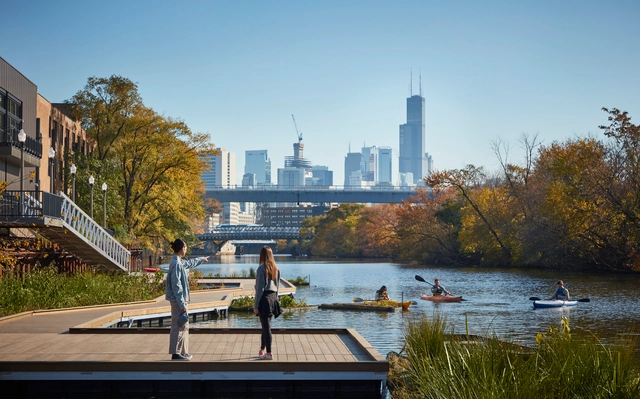
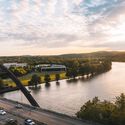
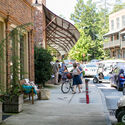
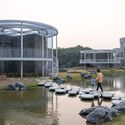
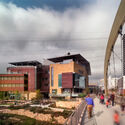
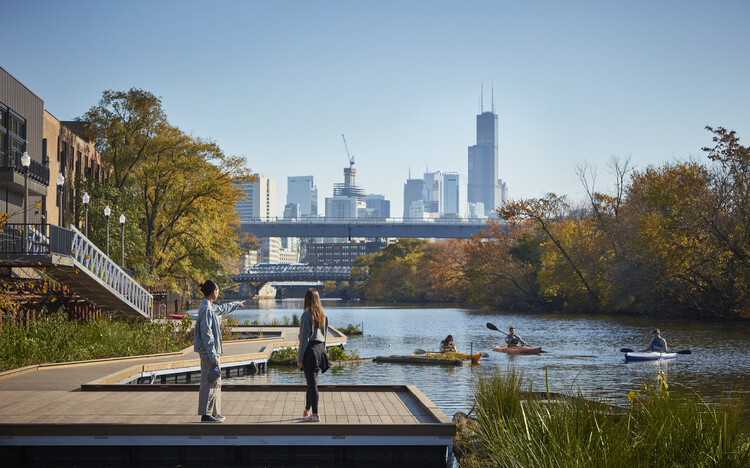
In the United States, nearly 1 in 10 children are affected with asthma, a condition with rates significantly higher in urban areas of the country. However, in a community just outside Atlanta with a population of more than 300 children, not a single case of the condition has been reported. This is by design. Most cities and neighborhoods across the country are not designed with human biology in mind, an oversight that contributes to the growing prevalence of cardiovascular disease and mental health challenges. Are we treating chronic conditions as purely medical, when they may actually be symptoms of poor design?
https://www.archdaily.com/1030715/how-biophilic-cities-address-the-urban-health-crisis-in-the-united-statesAnkitha Gattupalli
Marianne McKenna and Shirley Blumberg Awarded the 2025 RAIC Gold Medal by the Royal Architectural Institute of Canada
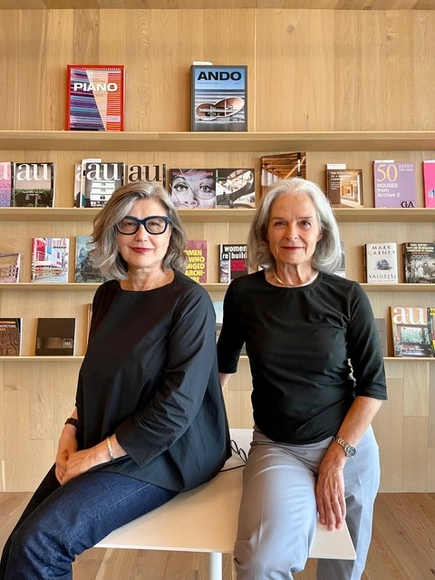
Marianne McKenna and Shirley Blumberg, founding partners of KPMB Architects, have been named the 2025 recipients of the Royal Architectural Institute of Canada (RAIC) Gold Medal, the organization's highest distinction. The award recognizes individuals whose work and influence have made an enduring contribution to Canadian architecture. The RAIC Gold Medal will be formally presented at the RAIC Conference on Architecture in June.


https://www.archdaily.com/1029245/marianne-mckenna-and-shirley-blumberg-awarded-the-2025-raic-gold-medal-by-the-royal-architectural-institute-of-canadaAntonia Piñeiro
On Mountains: Architectural Designs Adjusted for High-Altitude Climates
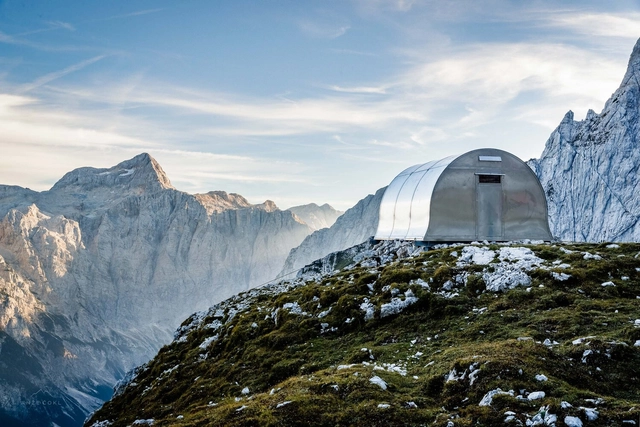
Mountainous and high-altitude regions are considered to be among the most fragile ecosystems on Earth. From melting glaciers to land erosion, these environments face mounting threats from climate change, making it imperative to reimagine how architecture and its supporting infrastructure are designed for such places.
The communities settled in mountain ecosystems are especially vulnerable to the impacts of climate change because of their proximity to early symptoms of changing environments and lack of access to adaptive resources and materials. Beyond all poetic aspirations of building and living in mountain environments, it is an urgent challenge to design solutions that properly resist hostile climatic conditions and promote sustainable and safe human settlements in mountainous regions.


https://www.archdaily.com/1021222/on-mountains-architectural-designs-adjusted-for-high-altitude-climatesOlivia Poston
Toronto Appoints Field Operations and Brook McIlroy to Reimagine the Bentway Traffic Islands
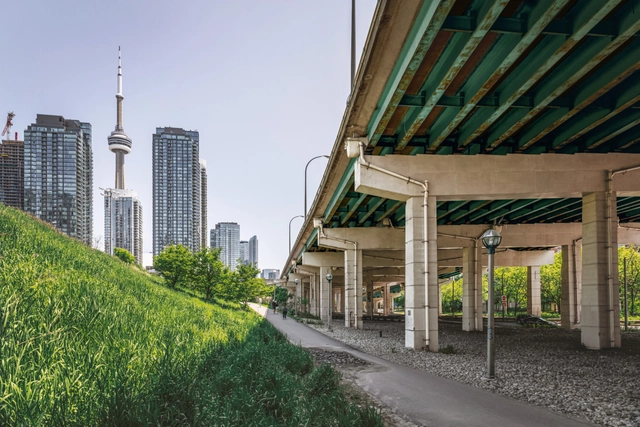
New York-based office Field Operations, renowned for their work on Seattle's waterfront and New York's High Line, along with Toronto's Brook McIlroy, have been tasked with transforming underutilized lands beneath the Gardiner Expressway in Toronto. The project was launched by The Bentway Conservancy, in partnership with the City of Toronto, and represents the second phase of the development aiming to revitalize underutilized spaces along the expressway. The initiative set out to transform three large traffic islands between Dan Leckie Way and Spadina Avenue into an 11,500-square-meter public space for recreation and community activities.


https://www.archdaily.com/1022598/toronto-appoints-field-operations-and-brook-mcilroy-to-reimagine-the-bentway-traffic-islandsMaria-Cristina Florian