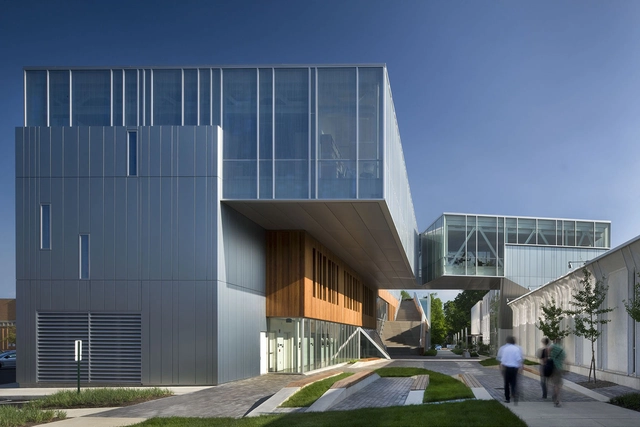
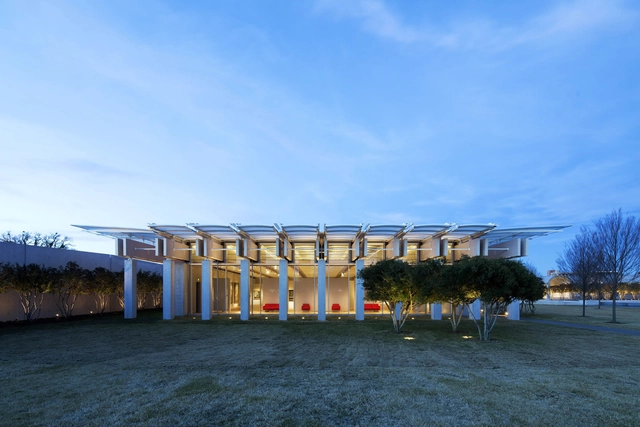
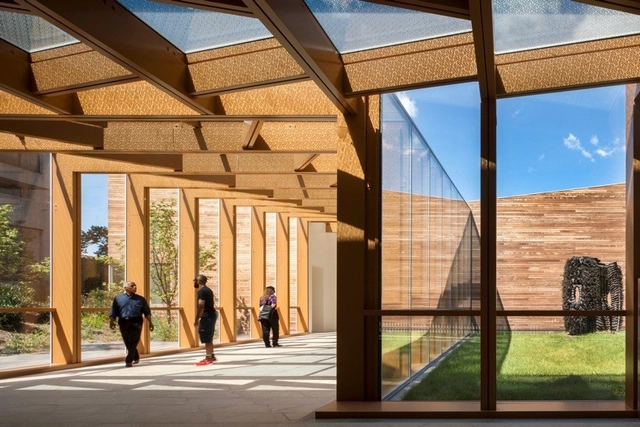
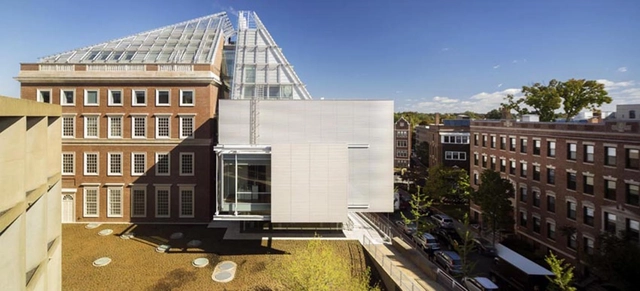
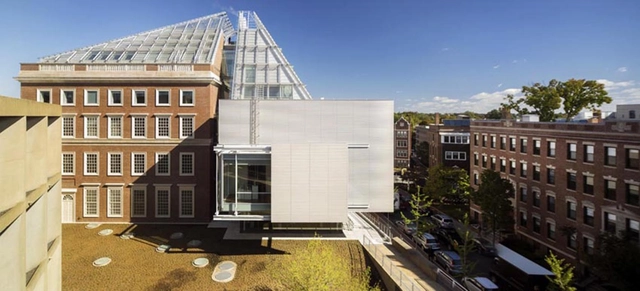
With the opening of the Harvard Art Museums a week ago today, Renzo Piano was able to finally complete on a project which, in various guises, has been in progress for seventeen years. The relationship between Piano and Harvard began with a 1997 plan to build a new branch of the Fogg Museum on the Charles River and ended, after objections from locals and then the 2008 recession, in the decision to consolidate the university's three museums (The Fogg, Busch-Reisinger and Arthur M Sackler Museums) under one roof.
With its long history, restricted space, the listed facade of the original Fogg Museum and the ultimate difficult neighbor in Le Corbusier's Carpenter Center for the Visual Arts, the Harvard Art Museums project was inevitably going to cause a fuss on completion. So how did Piano do? Find out what the critics said after the break.
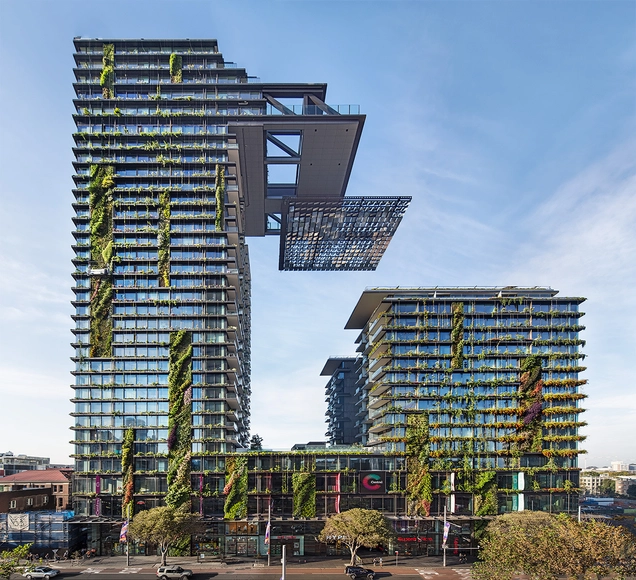
This year’s title of “Best Tall Building Worldwide” has been awarded to One Central Park, in Sydney, Australia. The award, presented by the Council on Tall Buildings and Urban Habitat (CTBUH), was chosen after a year long selection process across 88 entries in four regions. Senior representatives of each of these four winners presented at the CTBUHAwards Symposium on November 6th at the Illinois Institute of Technology, Chicago, and the winner was announced at the Awards Dinner following the Symposium. Read on after the break to learn more about the winning building.
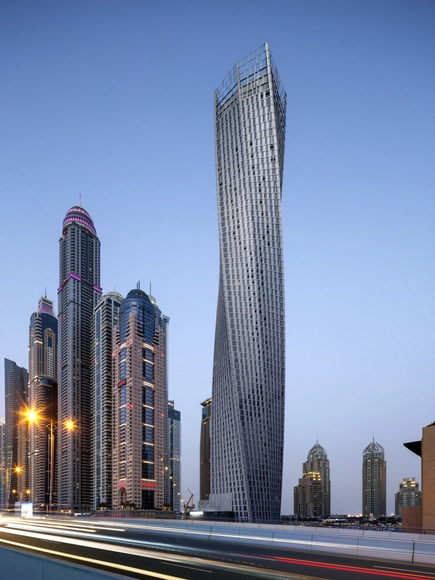
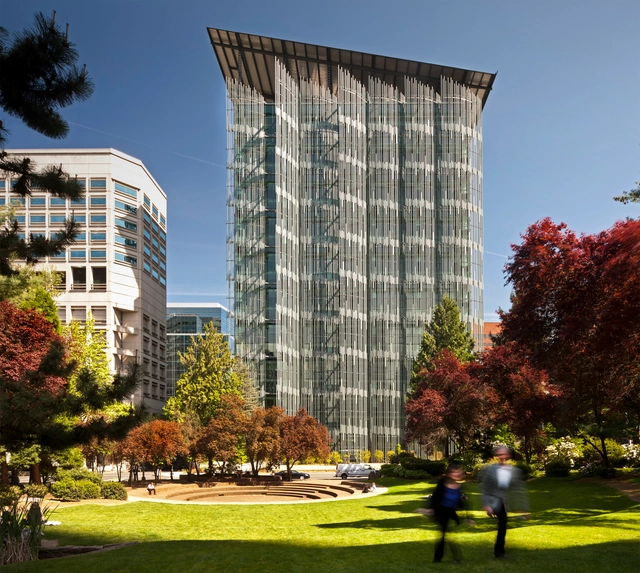
The Council on Tall Buildings and Urban Habitat (CTBUH) has announced the regional winners of its 2014 Best Tall Building award. Chosen from a selection of 88 nominees, the four winning buildings will go on to compete for the Best Tall Building Worldwide Award, due to be announced in December.
The winners and finalists this year show significant diversity in form, function and philosophy; normally low-rise typologies such as education, green buildings, renovations and boundary-pushing shapes have all made the list. Jeanne Gang, founder of Studio Gang and Chair of the jury, said: "The submissions this year... reflect the dawning of a global recognition that tall buildings have a critical role to play in a rapidly changing climate and urban environment."
Read on after the break for the full list of winners and finalists
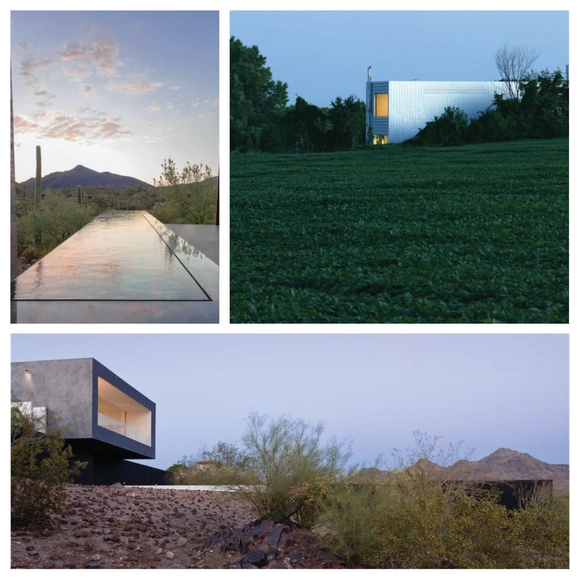
Since childhood, growing up on a farm outside of Nashville, Wendell Burnette has been inspired by nature; indeed, the amplification of the natural site has highlighted his body of work. In the following question and answer by Guy Horton of Metropolis Magazine, the Pheonix-based architect speaks about memories, inspiration and experience.
Wendell Burnette’s journey through architecture has taken him from Frank Lloyd Wright’s Taliesin to some of the most beautiful landscapes in the world, where he has designed a type of architecture that resonates with the power of natural surroundings. It has also taken him to one of the world’s fastest growing cities, Phoenix, Arizona, where his practice, Wendell Burnette Architects, is based and where he calls home. More recently it has brought him to Los Angeles where he is the current Nancy M. & Edward D. Fox Urban Design Critic at the USC School of Architecture. He is also Professor of Practice at The Design School at Arizona State University's Herberger Institute of Design and the Arts.
I spoke with Burnette about his approach to architecture, the importance of direct experience, and the meaning behind his current USC studio, “Earth Curvature”.
Manufacturers: Decoustics, RHEINZINK, Sherwin-Williams, Aggi, Allen Architectural Metals, +8Art In Construction, Bigelow, Door Engineering, General Woodcraft, JE Berkowitz, JEB, Revere, Techstyle-8









OMA_ByRichardJohnSeymour.jpg?1415587158&format=webp&width=230&height=230&crop=true)
Tim_Griffith.jpg?1415587171&format=webp&width=230&height=230&crop=true)