


-
Architects: THINK TANK architecture
- Area: 81500 m²
-
Professionals: EGIS Bâtiment International, Novablok, Ayo

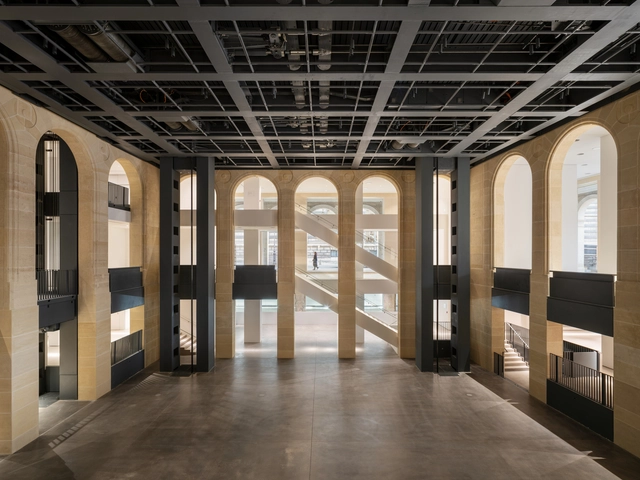
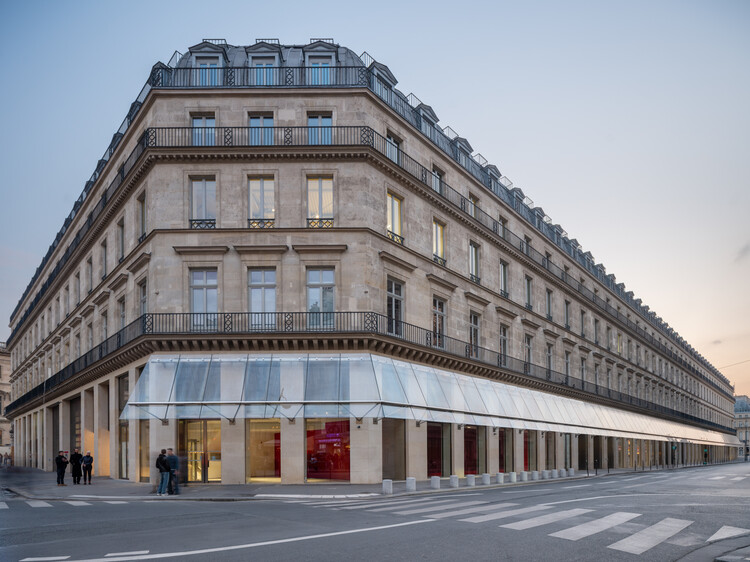
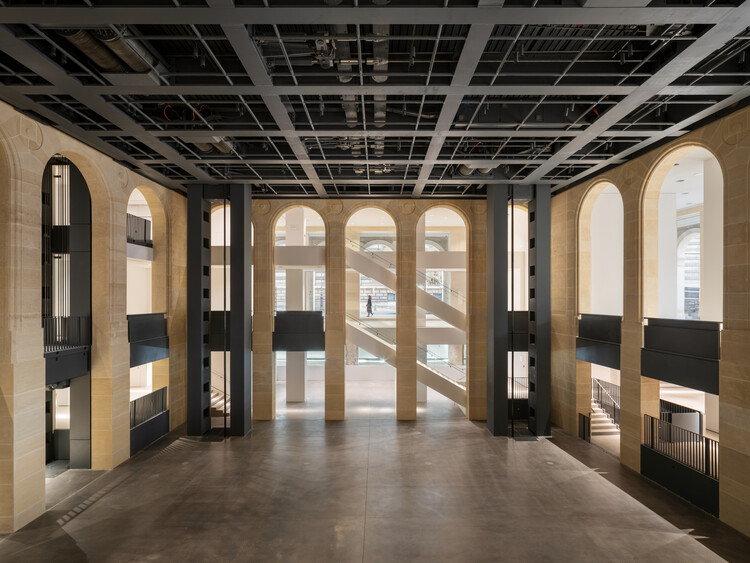
On October 25, 2025, the Fondation Cartier Pour l'Art Contemporain will open its new premises to the public with an inaugural exhibition drawn from its own Collection, entitled Exposition Générale. Located in the heart of Paris, the new space occupies a Haussmannian building that once housed the Grands Magasins du Louvre, recently reimagined by Jean Nouvel. Conceived as a dynamic architecture with five mobile platforms, the building was designed to expand the possibilities of a traditional exhibition venue. These mechanisms aim to accommodate all forms of visual expression, including photography, cinema, the performing arts, science, and craft, within a space that resonates with the urban life of Paris and engages with questions of urban planning and ecology. Within these parameters, the inaugural exhibition brings together more than 600 works by over 100 artists in a contemporary scenography designed by Formafantasma.
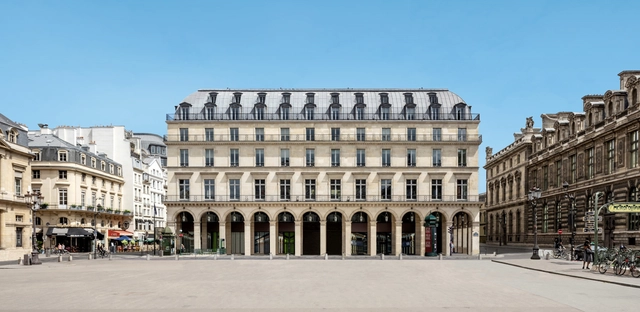
Fondation Cartier pour l'art contemporain announced plans to move into a historic building in Place du Palais-Royal in Paris. Originally built in 1855, the Haussmannian building is reimagined by architect Jean Nouvel and scheduled to open on October 25, 2025. The collaboration between Fondation Cartier and Jean Nouvel dates back to 1994 when the architect designed the "Parisian Monument," a glass and steel building on Boulevard Raspail that serves as the institution's current headquarters.
Once again in its eighth edition, the Prix Versailles 2022 awards have honored the best achievements in contemporary architecture. A total of 24 projects from different parts of the world have been highlighted paying tribute to innovation, creativity, the reflection of local heritage, eco-efficiency, and the values of social interaction and participation upheld by the United Nations and aligned with the principles of intelligent sustainability considering the ecological, social and cultural impacts that surround the projects.
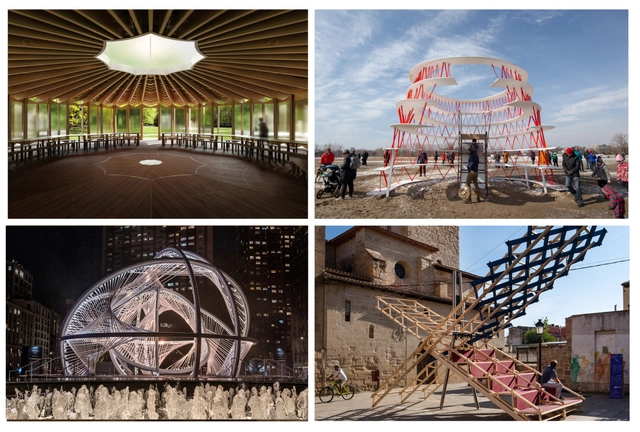
Staged stories on community and identity, ephemeral architecture showed that in 2022 it doesn't have to be permanent to be powerful. A direct and popped-up public installation can shift from preparation to action, reclaiming and defining what makes a community unique. Highlighting installations to acknowledge linguistic diversity in NYC, a giant table to celebrate culinary in Barcelona, and a large-scale net in Dubai to represent the local culture, among others, these initiatives seek to understand ways in which local and regional expressions can help cities to be more equal and diverse.
Globalization has connected the world boundaryless. While it has also made information more accessible, it has led to homogeneity and identity crisis at melding unique societies and cultural expressions. Cultural differences are undeniable as globalization grows. Hence, as architecture produces common living standards, it can also highlight singularities. Festivals, installations, and pavilions, 2022 was the year to express local memories to be recognized and celebrated, setting Community and identity as central topics in ephemeral architecture throughout the year.
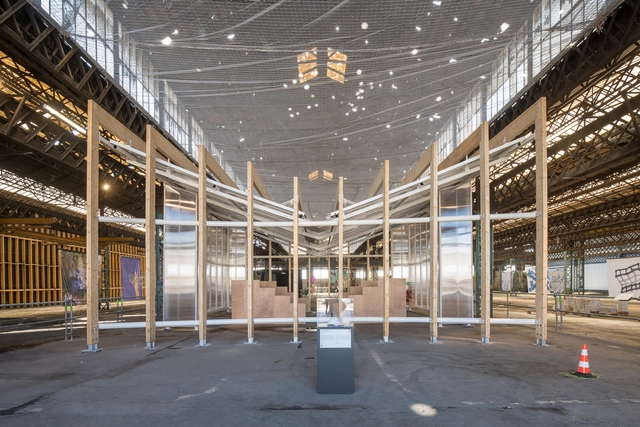
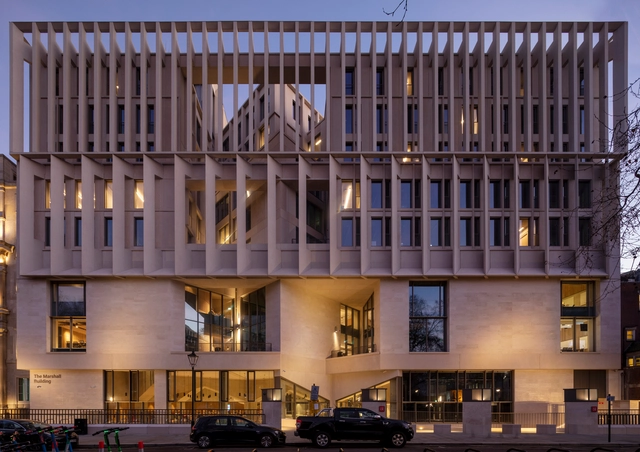
The 24 shortlisted international projects for airports, university campuses, stations, and sports facilities competing for the Prix Versailles 2022 Awards have been announced. The global finalists in the Shops, Shopping Centres, Hotels, and Restaurants category will also be announced shortly.
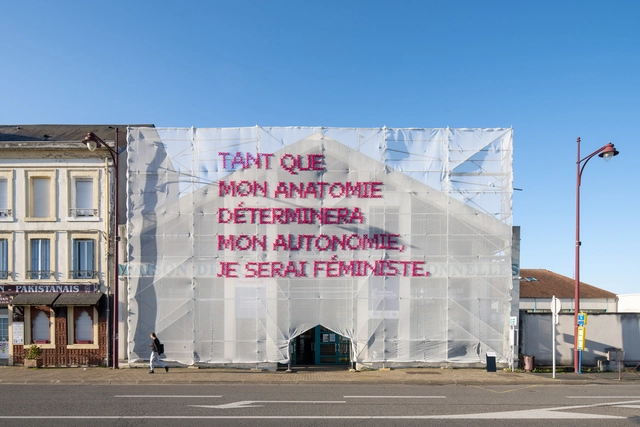
The 2022 Biennale of FRAC in the Centre-Val De Loire Region, France, is exhibiting the work of 55 women for its third edition entitled Infinite Freedom, A World for a Feminist Democracy. The fair showcases pieces from the Center Pompidou and the Cité de l'architecture et du Patrimoine collection and brings special guests such as architect Anna Heringer and Journalist and Director Rokhaya Diallo. From September 2022 to January 1st, 2023, female artists, architects, and politicians will gather to discuss and create a new definition of inclusive and plural democracy in the city, architecture, design, and art.
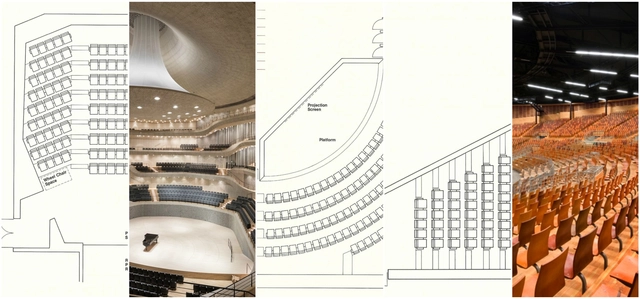
Audience sightlines, accessibility and acoustics all make theater seating a hugely precise art. As part of their set of online resources for architects and designers, the team at Theatre Solutions Inc (TSI) have put together a catalog of 21 examples of theater seating layouts. Each layout is well detailed, with information on the number of seats, the floor seating area and row spacing. These layouts fall under three general forms; to supplement this information, alongside TSI's diagrams we've included the pros and cons of each type, as well as examples of projects which use each format. Read on for more.
.jpg?1411440696&format=webp&width=640&height=580)






.jpg?1411440696)


