

-
Architects: Alvisi Kirimoto + Partners
- Area: 437 m²
- Year: 2023
-
Manufacturers: Secco Sistemi, Vibia, Depadova, FLOS, Living Divani, +3
-
Professionals: 2C Ristrutturazioni, Engineer Giuseppe Fabiano, IA2, gad


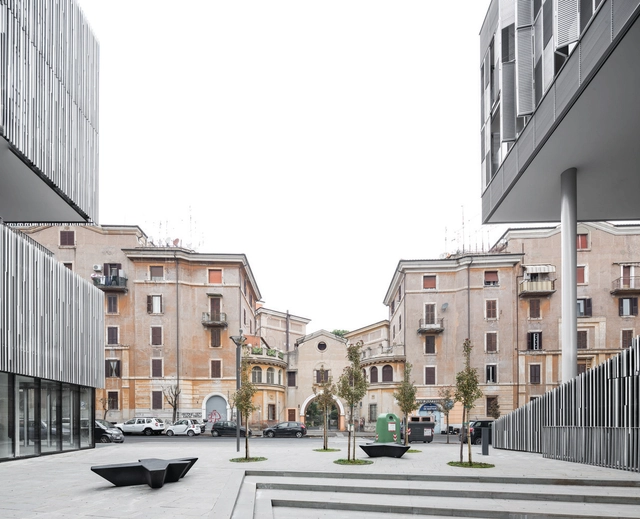
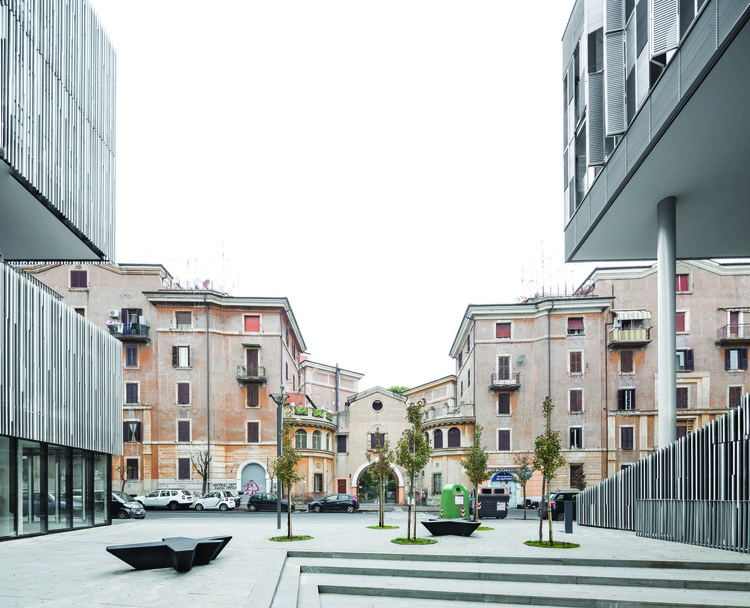
Spanning over 3 millennia with one of the highest concentrations of architecture in the world, Rome is a transcendental influence on the world's culture. Often called “The Eternal City,” it developed as the capital and seat of power of the Roman Empire, regarded by many as the first Imperial city and among the first ancient metropolises. As a city continuously occupied for over 28 centuries, Rome has maintained its countless layers of history to become a perfect depiction of old meets new. Rich in history, academia, and art, the Italian capital is now one of the most visited cities in the world.
Rome's historic center, which stretches from Piazza del Popolo to Piazza Venezia and from the east bank of the Tiber up to Piazza di Spagna, is listed as a UNESCO World Heritage Site. Along with its historical significance, the presence of renowned contemporary architects and designers in the city has made Rome an influential design destination. In 2019, it was the 14th most visited city in the world, welcoming over 8.6 million tourists seeking to discover the ways in which the history of the Ancient Romans blends with contemporary life, making it the third most visited city in Europe and the most popular tourist destination in Italy.
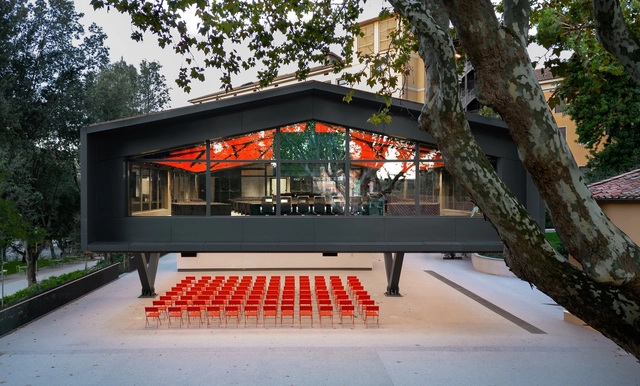
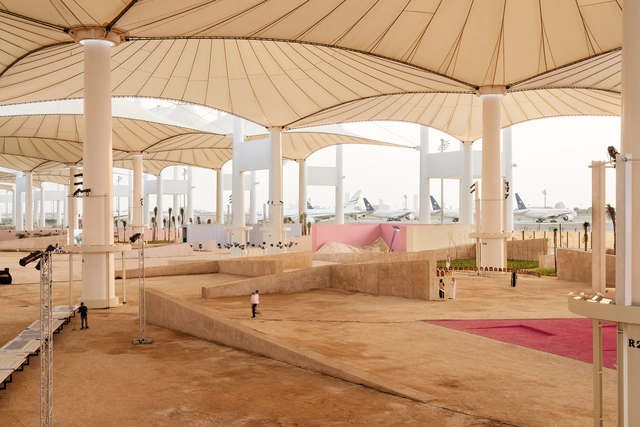
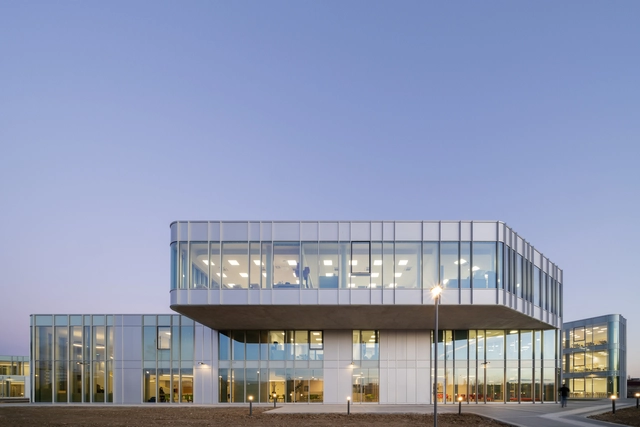
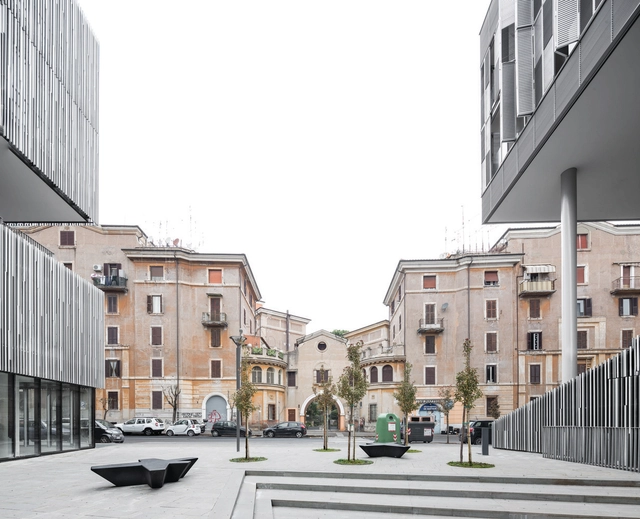
Spanning over 3 millennia with one of the highest concentrations of architecture in the world, Rome is a transcendental influence on the world's culture. A city rich in history, academia, and arts, the Italian capital is considered as one of the oldest continuously-occupied cities in Europe, and has maintained its countless layers of history to become a perfect depiction of old meets new, earning its nickname of "The Eternal City".
Rome's historic center, which stretches from Piazza del Popolo to Piazza Venezia and from the the east bank of the Tiber up to Piazza di Spagna, is listed as a UNESCO World Heritage Site. Along with its historical significance, the presence of renowned contemporary architects and designers in the city has made Rome an influential design destination. In 2019, it was the 14th most visited city in the world, welcoming over 8.6 million tourists to make it the third most visited in the European Union, and the most popular tourist destination in Italy.
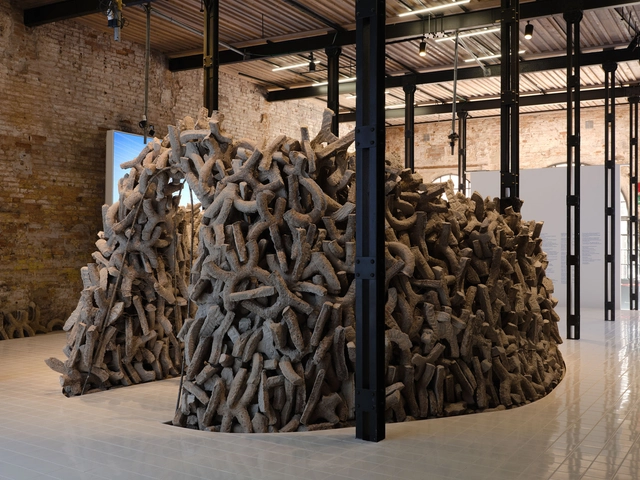
The United Arab Emirates has won the Golden Lion for Best National Participation at the 2021 Venice Biennale, with its contribution entitled Wetland curated by Wael Al Awar and Kenichi Teramoto. Selected by a jury that consists of Kazuyo Sejima (president-Japan), Sandra Barclay (Peru), Lamia Joreige (Lebanon), Lesley Lokko (Ghana-Scotland), and Luca Molinari (Italy), the winning contribution at the 17th Venice Architecture Biennale explores the local geography of the United Arab Emirates to find alternatives to cement, one of the key emitters of the world's carbon dioxide.
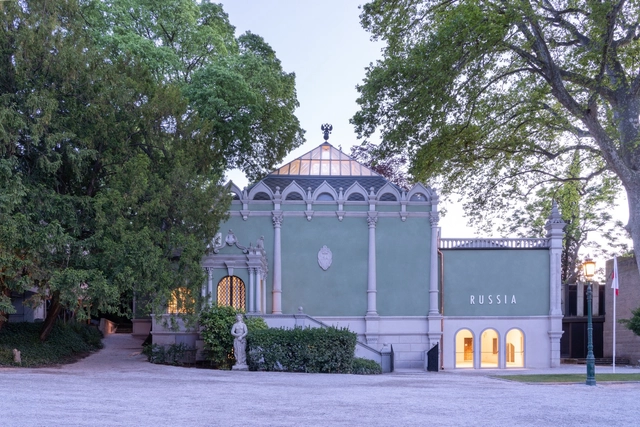
The award ceremony, broadcasted live on the Biennale’s official page also presented the Golden Lion for Best Participant in the International Exhibition How will we live together? to RAUMLABORBERLIN- Instances of Urban Practice while the Silver Lion for a promising young participant in the International Exhibition How will we live together? went to Border Ecologies and the Gaza Strip- Foundation for Achieving Seamless Territory (FAST). Other recognitions included a special mention for the national participation of the Philippines and Russia, and to Cave_bureau for the Anthropocene Museum: Exhibit 3.0 Obsidian Rain.