
Marc Goodwin
Marc Goodwin is an architectural photographer, writer, and teacher. He was born in London and currently divides his time between Europe, the Americas, the Middle East, and Asia. His work has been published in seven architecture books, with one more on the way, and countless times in the architectural press. His doctoral thesis - Architecture’s Discursive Space, Photography - investigates the components of conventional architectural photography and opposes them to a system of atmospheres. Since the completion of his doctorate, he has been travelling the globe non-stop, taking commissions and producing the Architecture Studios Atlas. Instagram / @archmospheres
BROWSE ALL FROM THIS PHOTOGRAPHER HERE
↓
Tikkurila Church and Housing / OOPEAA


https://www.archdaily.com/974139/tikkurila-church-and-housing-oopeaaPilar Caballero
Helsinki Airport Extension / ALA Architects
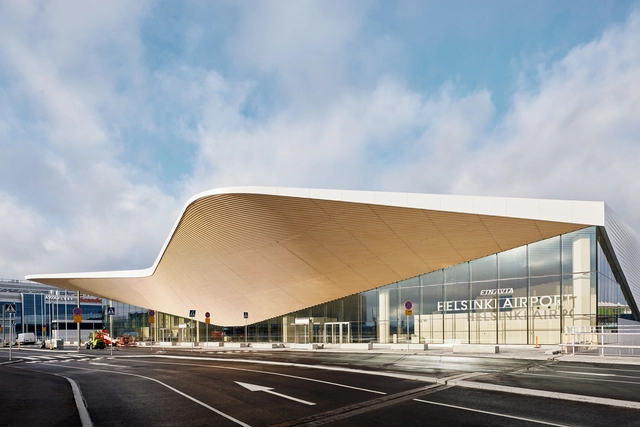


https://www.archdaily.com/973369/helsinki-airport-extension-ala-architectsPilar Caballero
Dogs & Doctors House / Pirinen Salo Oy
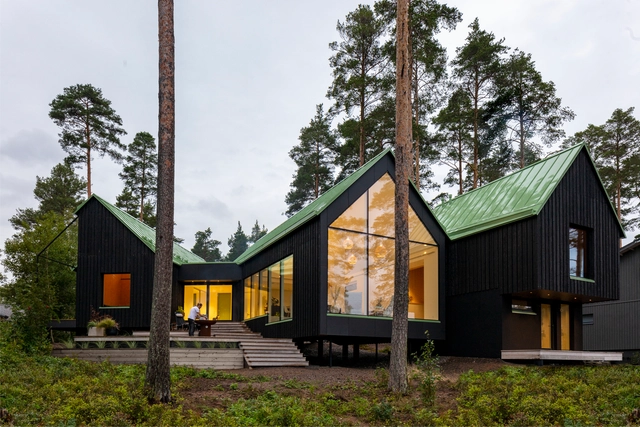


-
Architects: Pirinen Salo Oy
- Area: 220 m²
- Year: 2021
https://www.archdaily.com/972365/dogs-and-doctors-house-pirinen-salo-oyValeria Silva
Thematic Districts Expo Dubai 2020 / Hopkins Architects


https://www.archdaily.com/971096/thematic-districts-expo-dubai-2020-hopkins-architectsPaula Pintos
Lucia Smart Cabin / Pirinen Salo Oy


https://www.archdaily.com/970582/lucia-smart-cabin-pirinen-salo-oyPaula Pintos
Filmmakers Hut / Pirinen Salo Oy


-
Architects: Pirinen Salo Oy
- Area: 24 m²
- Year: 2020
-
Manufacturers: HAY, Iron Dog, Profin, Resident
https://www.archdaily.com/969979/filmmakers-hut-pirinen-salo-oyPaula Pintos
World's Greatest Places Include Revitalized Riverfronts, Affordable Artistic Incubators and Superlative City-States
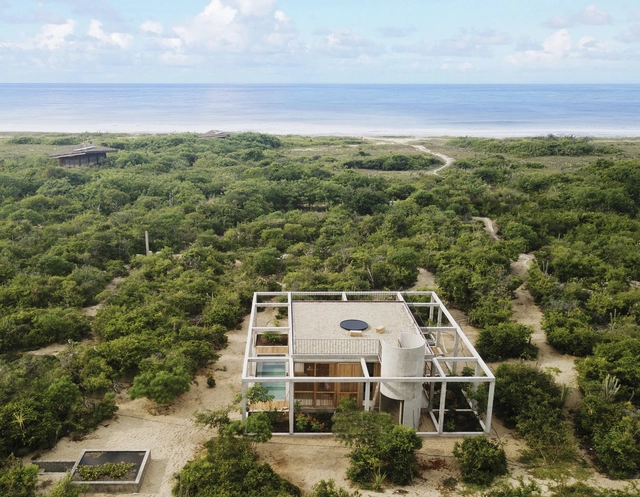
Time magazine has released the World’s Greatest Places Of 2021, selecting 100 destinations from around the globe. With revitalized riverfronts, affordable artistic incubators, and superlative city-states, the list is a tribute to the built and natural environment that found a way “to adapt, build and innovate”, amidst the challenges of the past year.
Encompassing the world’s longest pedestrian suspension bridge, London’s Design District, new repurposed spaces in Helsinki, Historic gems in South Korea, and Hanoi’s renewed life in the old quarter, the World’s Greatest Places Of 2021 has a considerable selection of architectural destinations.


https://www.archdaily.com/966954/worlds-greatest-places-include-revitalized-riverfronts-affordable-artistic-incubators-and-superlative-city-statesChristele Harrouk
Saunaravintola Kiulu Wellness / Studio Puisto
.jpg?1628539830&format=webp&width=640&height=580)
.jpg?1628540862&format=webp&width=230&height=230&crop=true)
.jpg?1628539863&format=webp&width=230&height=230&crop=true)
.jpg?1628539894&format=webp&width=230&height=230&crop=true)
.jpg?1628540609&format=webp&width=230&height=230&crop=true)
.jpg?1628539830)
https://www.archdaily.com/966474/saunaravintola-kiulu-wellness-studio-puistoPaula Pintos
Morocco Pavilion Expo 2020 Dubai / OUALALOU+CHOI
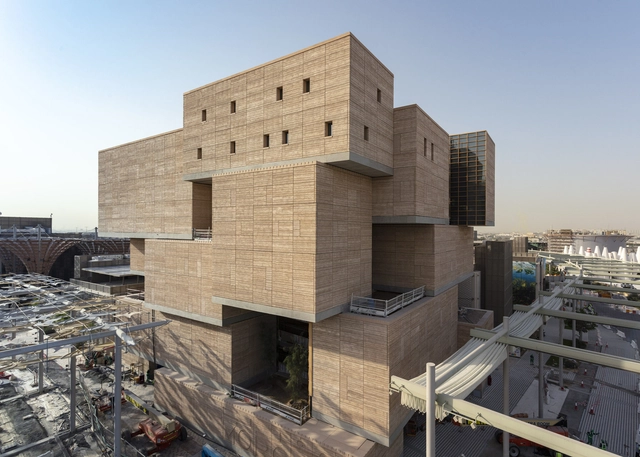


-
Architects: OUALALOU+CHOI
- Area: 6057 m²
- Year: 2021
-
Manufacturers: KEIM
-
Professionals: Earth Structures Group, Setec, TESS, E.Construct
https://www.archdaily.com/965555/morocco-pavilion-expo-2020-dubai-oualalou-plus-choiHana Abdel
Construction of Moroccan Pavilion at the 2020 Dubai is Underway with Tribute to Traditional Construction
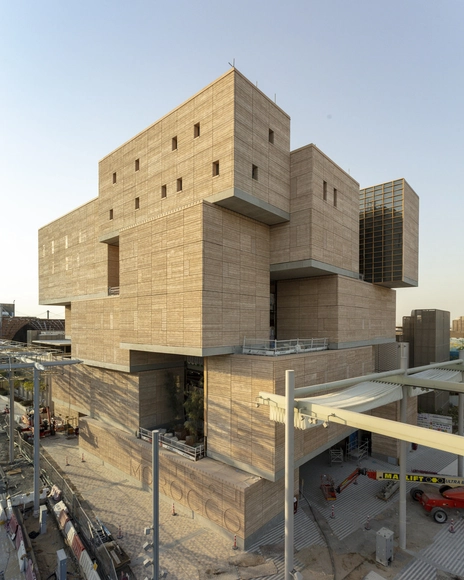
The Moroccan Pavilion at the 2020 Expo in Dubai explores traditional Moroccan architecture and how it can be reimagined in contemporary construction techniques and urban developments. The pavilion is designed by architects OUALALOU+CHOI, and will display a first-of-its-kind structure with a 4000 m² rammed earth facade, pushing the boundaries of the material and exploring its full potential.


https://www.archdaily.com/965596/construction-of-moroccan-pavilion-at-the-2020-dubai-is-underway-with-tribute-to-traditional-constructionDima Stouhi
Copper Can Be Endlessly Recycled: 8 Projects With Sustainable Cladding
| Sponsored Content
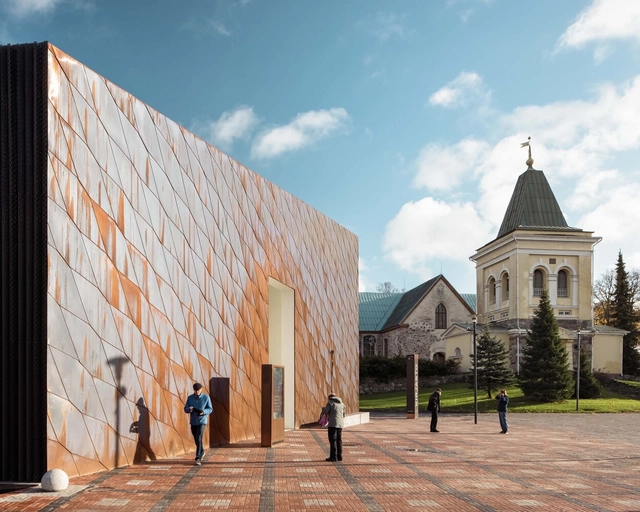
It is believed that copper was the first metal to be found by men and used in the manufacture of tools and weapons. This occurred in the last period of prehistory, more than 10,000 years ago, in the so-called Metal Age, when groups, until then nomadic, started to become sedentary, developing agriculture and starting the first urban settlements. Copper has since been used in diverse ways. Used for decorative objects, jewelry, automotive parts, electrical systems, and even for dental amalgams, the material has had huge demand. In architecture, copper coatings are greatly appreciated for their aesthetics and durability. But a factor worth mentioning is that copper can be recycled infinitely, practically without losing its properties.
https://www.archdaily.com/960981/copper-can-be-endlessly-recycled-8-projects-with-sustainable-claddingEduardo Souza
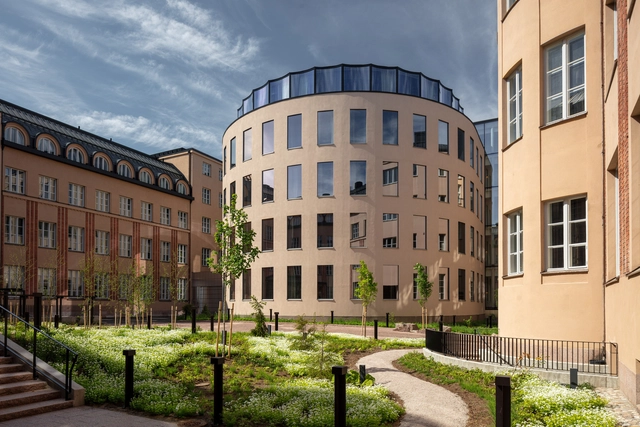
Scandic Grand Central Hotel Helsinki / Futudesign


https://www.archdaily.com/963822/scandic-grand-central-hotel-helsinki-futudesignAndreas Luco
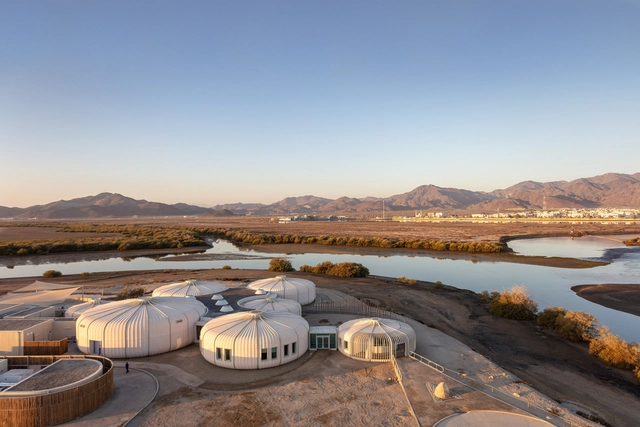
Turtle Sanctuary at Kalba Mangrove Reserve / Hopkins Architects


-
Architects: Hopkins Architects
- Year: 2021
-
Professionals: e.Construct, Godwin Austen Johnson, Lux Populi, Gillieron Scott Acoustic Design, Spencer, +1
https://www.archdaily.com/961350/turtle-sanctuary-at-kalba-mangrove-reserve-hopkins-architectsPaula Pintos
Architecture as a Heterogenous Practice: What is to be an Architect Around the World
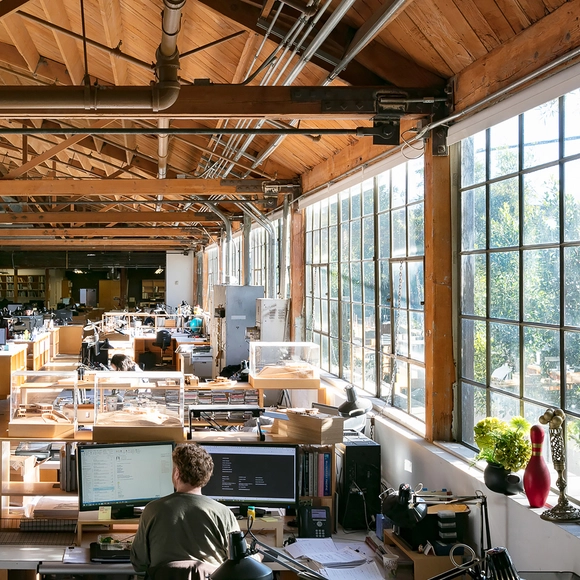
Although architecture itself is universal, the day-to-day practice still varies across the world, influenced by a wide range of factors, from the professional requirements and responsibilities of an architect, the local environment, history and building customs, to local priorities and challenges. In a hyper-connected world, where architecture seems to become more uniform, how do local contexts and characteristics shape the built environment? This article taps into the commonalities and the variations within the architecture profession.
https://www.archdaily.com/960991/architecture-as-a-heterogenous-practice-what-is-to-be-an-architect-around-the-worldAndreea Cutieru
The Urban Environment House / Lahdelma & Mahlamäki Architects
.jpg?1611113689&format=webp&width=640&height=580)
.jpg?1611113634&format=webp&width=230&height=230&crop=true)
.jpg?1611113754&format=webp&width=230&height=230&crop=true)
.jpg?1611113860&format=webp&width=230&height=230&crop=true)
.jpg?1611113924&format=webp&width=230&height=230&crop=true)
.jpg?1611113689)
-
Architects: Lahdelma & Mahlamäki Architects
- Area: 40900 m²
- Year: 2020
-
Manufacturers: Aurubis
https://www.archdaily.com/955409/the-urban-environment-house-lahdelma-and-mahlamaki-architectsAndreas Luco
Majamaja Wuorio Eco-Cabin / Littow Architectes
.jpg?1608067459&format=webp&width=640&height=580)
.jpg?1608067859&format=webp&width=230&height=230&crop=true)
.jpg?1608067247&format=webp&width=230&height=230&crop=true)

.jpg?1608067553&format=webp&width=230&height=230&crop=true)
.jpg?1608067459)
-
Architects: Littow Architectes
- Area: 23 m²
- Year: 2020
https://www.archdaily.com/953405/majamaja-wuorio-eco-cabin-littow-architectesPilar Caballero
Best Articles of 2020
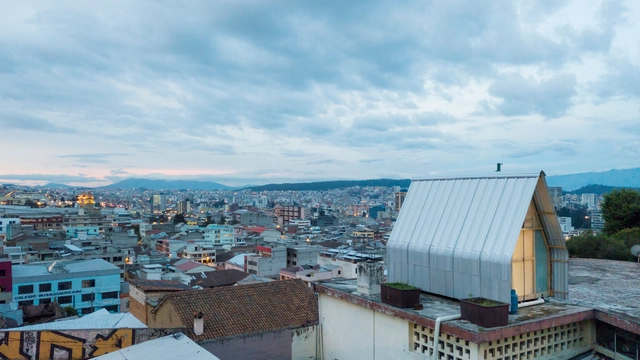
Despite all the hurdles and the pain, 2020 did not fail us in terms of content. Reacting to the global situation, ArchDaily's team of editors has tackled all the pressing issues that occurred this year and influenced the worldwide state of turmoil. While the whole planet was on pause, these writers were in search of critical substance, seeking to produce exclusive editorial pieces that highlight present-day topics and concerns. Generating articles in 4 languages, English, Spanish, Portuguese, and Chinese, this group of diverse individuals provided both local and global perspectives, reaching everyone that “talks architecture”.
Aspiring "to empower everyone who makes architecture happen to create a better quality of life", ArchDaily’s selection of best articles is the result of many aspects. Some of the choices explored distinctive subjects while others were very well-received among our readers. Emphasizing its academic standards, our platform focused its efforts on covering a vast range of ideas, from the consequences of the pandemic on the built environment, cities and their transformations, technical expertise and material specifications, to artificial intelligence and the future.
https://www.archdaily.com/953241/best-articles-of-2020Christele Harrouk
Fenix I Warehouse Renovation / Mei architects and planners


-
Architects: Mei architects and planners
- Area: 23000 m²
- Year: 2019
-
Manufacturers: AutoDesk, Reynaers Aluminium, Schöck, Adobe Systems Incorporated, Forster, +8
-
Professionals: ABT, Techniplan Adviseurs, LBP Sight
https://www.archdaily.com/952669/fenix-i-warehouse-renovation-mei-architects-and-plannersAndreas Luco