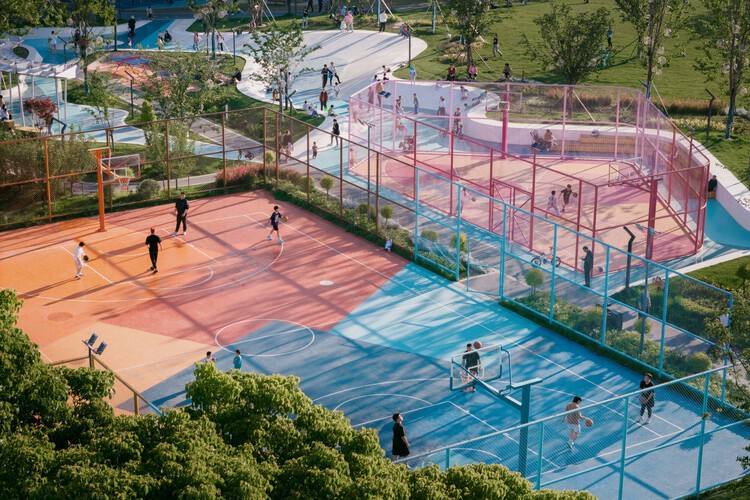
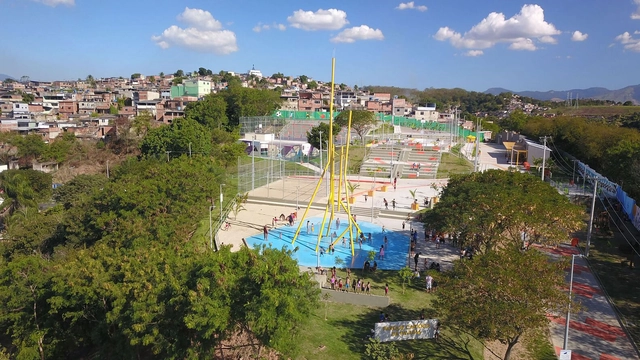
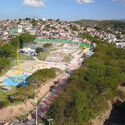
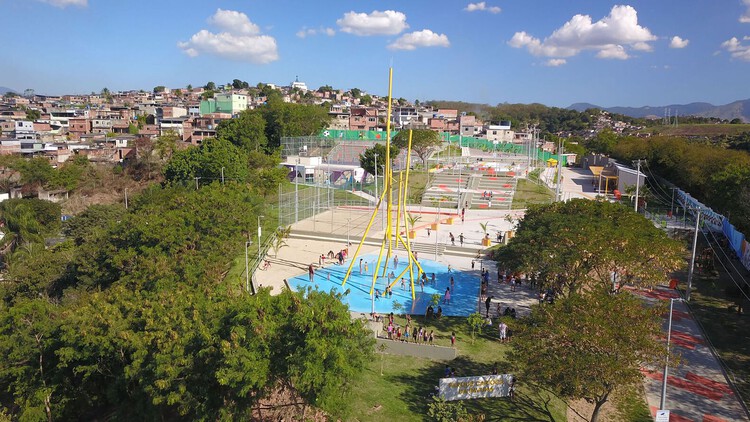
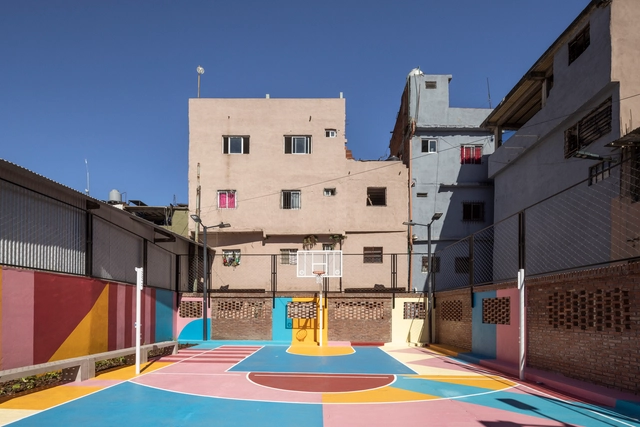
Unlike most popular sports, the origin of basketball has a precise year and creator: it was invented in 1891 in the United States by Canadian physical education instructor James Naismith as an indoor sport for athletes at Springfield College during the winter, after the end of the football season. The sport quickly expanded beyond U.S. borders, being included in the Olympic Games in 1936 and achieving international popularity after the Second World War. As basketball became more widespread, it also left the controlled environment of gymnasiums and began occupying a wide range of locations: playgrounds, public plazas, school courtyards, driveways, and backyard patios became informal courts for play and community life, reinforcing the role of physical activity as a catalyst for social interaction and neighborhood regeneration.
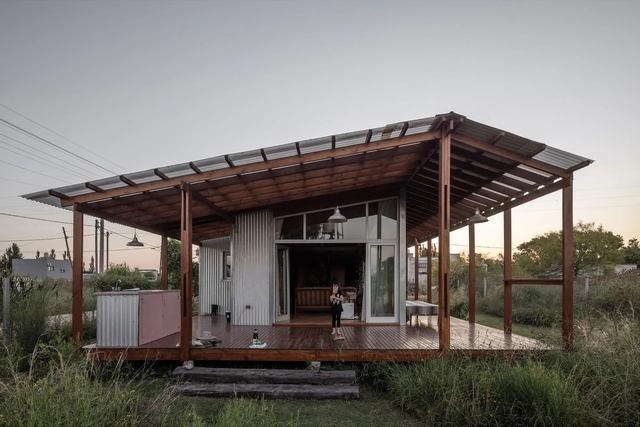
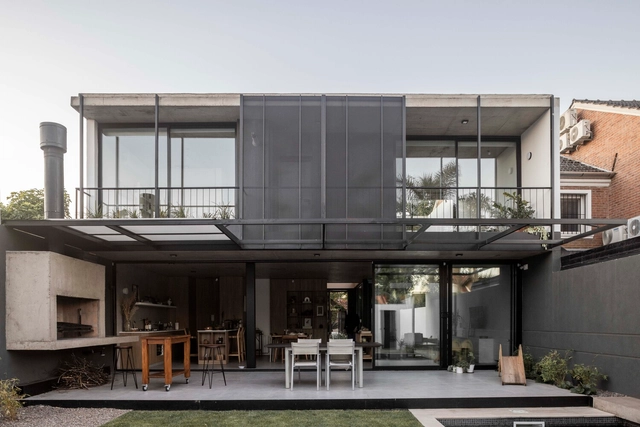
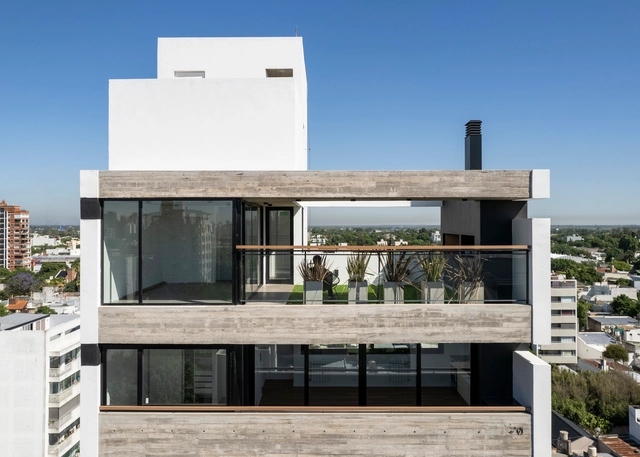
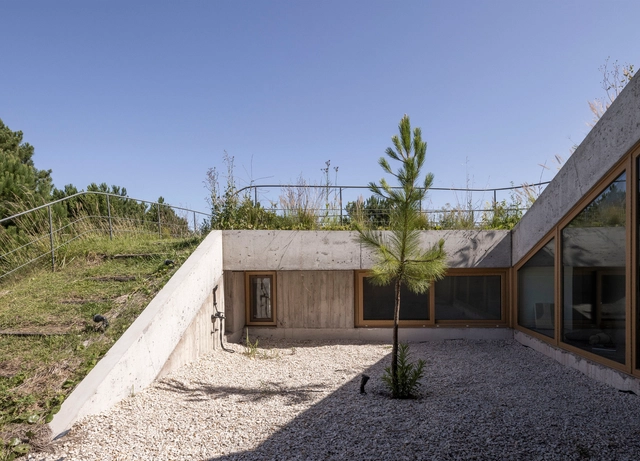
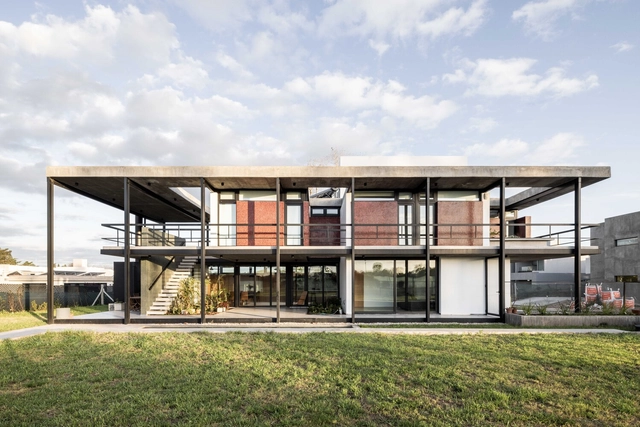
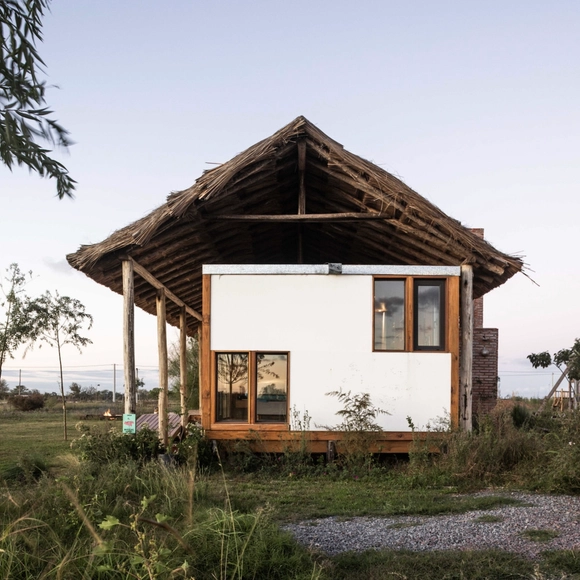
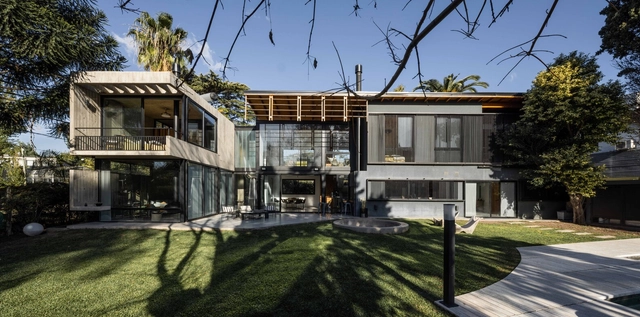
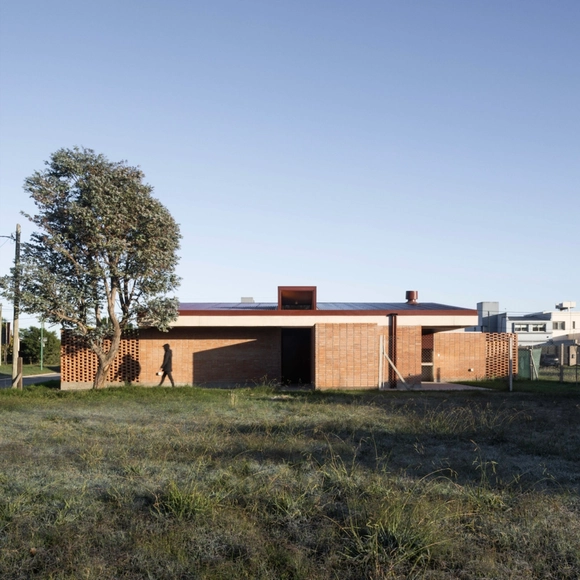
This year's selection of Best Latin American Houses brings together both renovations and ground-up projects, covering reinterpretations of local construction techniques and innovative architectural responses. The works are set in a wide range of contexts, from dense urban environments to rural and coastal landscapes.
Seeking to create a fluid dialogue between architecture and its surrounding landscape, the study of topography embodies an awareness and exploration of the use of materials, self-sufficient strategies, low-maintenance solutions, and landscape designs that integrate into the natural environment and minimize the environmental impact of projects. Beyond recording variations in elevation, sun orientation, prevailing winds, or drainage slopes of the terrain, several architects in Argentina demonstrate a strong interest in developing architectural solutions capable of adapting to natural geographies and restoring the bond between nature and the human being.
Public spaces are more than just physical voids in the urban fabric—they are stages for social interaction, cultural expression, and collective memory. In times of social fragmentation and environmental stress, these spaces can serve as catalysts for healing, offering safe environments where communities can reconnect. Through thoughtful design and participatory processes, public space interventions can rebuild trust, promote mental well-being, and foster a renewed sense of belonging among community members.
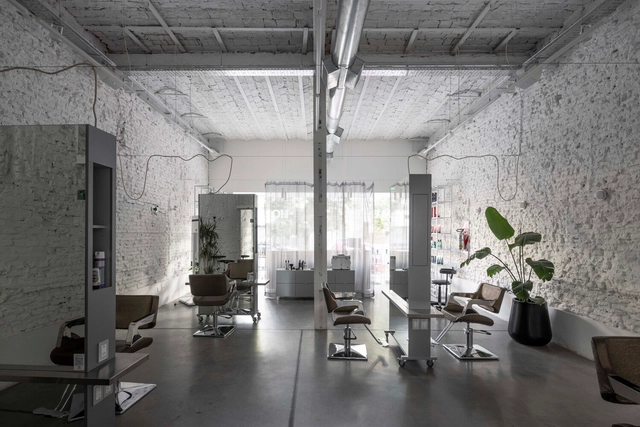
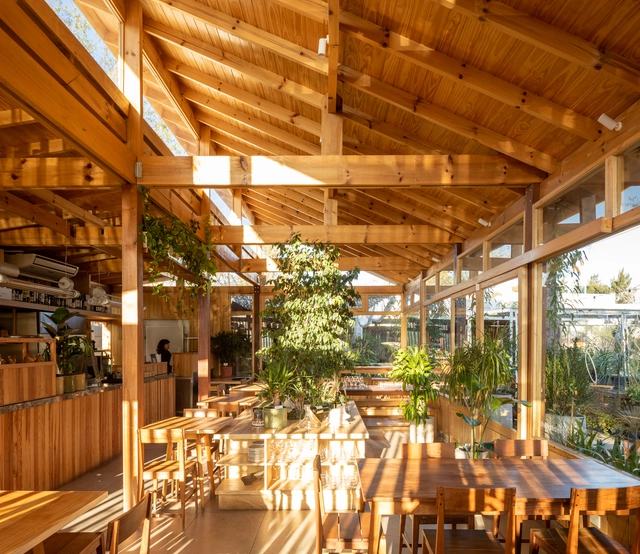
La Valiente Focaccería + Maíz / OHIO Estudio. Image Cortesía de OHIO Estudio
Creating spaces for social interaction involves design processes aimed at countering the individualization of people by fostering bonds and connections between them. While advancements in information and communication technologies provide new tools that optimize the development of certain activities and functions, their societal impact often tends to increase individual practices, such as remote work, virtual fitness activities through apps, or the digital consumption of goods, services, and events, among others. From architecture and interior design to urban planning, many emerging practices face the challenge of consolidating spaces for social interaction through design strategies, uses, and natural connections that prevent the replacement of physical space with virtual alternatives.
The whining of architects is futile. The stick-frame-over-podium building—the so-called 5-over-1—is here to stay. The Box, as I like to refer to it, utilizes the hybrid technology of a concrete-and-steel base below wood-frame construction, and is used predominantly for market-rate housing. Despite the common negative reaction to its banal aesthetics, the appeal to a large segment of apartment consumers is undeniable. It’s an obvious hit with developers, too.
How can industrialization and environmental responsibility go hand in hand? What siting, technological, or constructive strategies can be developed without harming the surrounding landscape? The application of modular design in architecture has been in practice for years, with a history involving the pursuit of standardization and modular coordination among materials, products, and more. Over time, it has been complemented by various environmental, sustainable, ecological, and economic factors to achieve the adaptability and functionality desired by its inhabitants.