

-
Architects: B-architecten
- Area: 17205 m²
- Year: 2024
In the contemporary context, global warming has marked a turning point in the way we think about architecture. We are witnessing record temperatures on our planet and a challenging panorama in many large cities, characterized by heatwaves and, in some cases, more severe winters. These circumstances have triggered a cycle in which the demand for heating and cooling systems increases, which, in turn, translates into higher energy and operating costs for buildings.
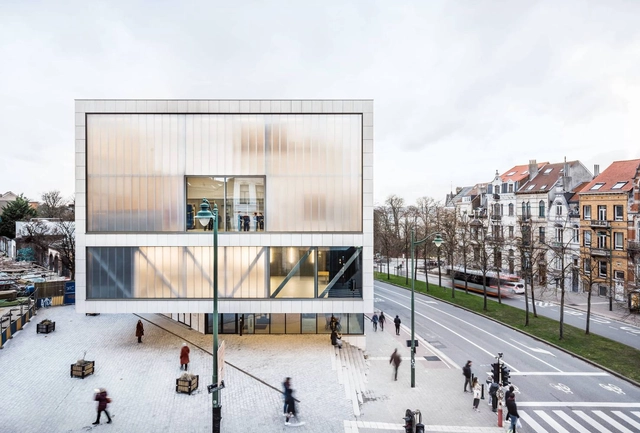
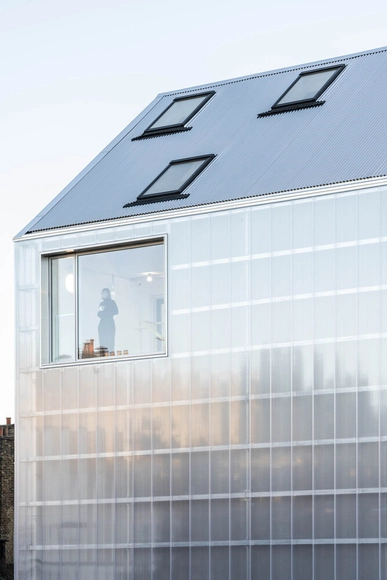
Given this situation, it becomes imperative to design energy-efficient buildings to reduce both the environmental impact and the associated costs. One of the strategies to achieve this is to properly plan the facade, which, serving a function similar to the building's skin, can help reduce the energy required for heating and cooling. In this context, the polycarbonate panels developed by Rodeca contribute to the energy efficiency of buildings, in addition to their lightweight, slender construction, and translucent aesthetics.

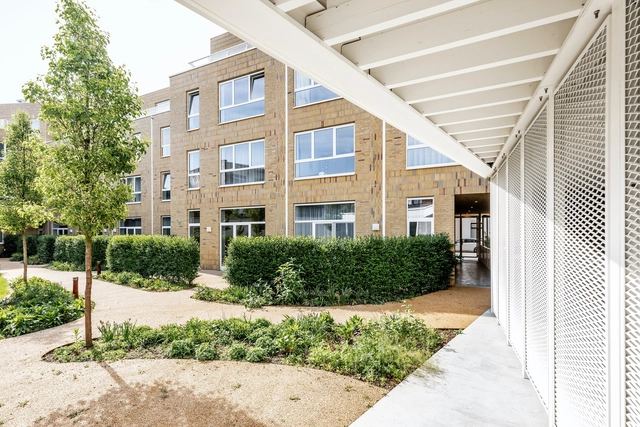
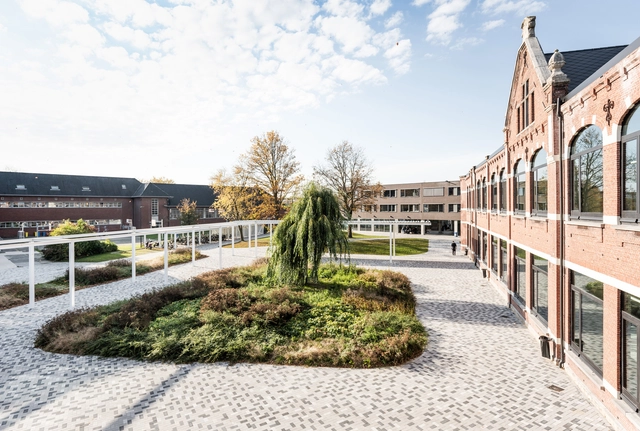
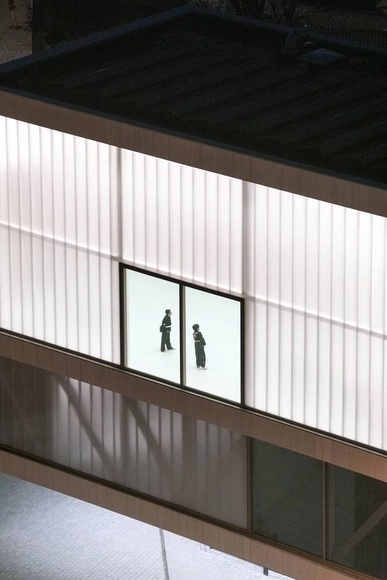
Translucent polycarbonate panels boast unique and striking aesthetics while simultaneously maintaining efficient functionality. They can add depth and color to a façade and may adapt to meet a wide range of performance requirements, from temperature resistance to impact resistance to UV protection and more. Rodeca, a leading company in the polycarbonate panel industry, offers high-quality products with high customizability vis-à-vis colors, transparency levels, treatments, profiles, sizes, joint systems, and more. Below is a detailed list of these many options, accompanied by diagrams and installation steps. We also discuss several case studies where polycarbonate facades have been used to great success, taking full advantage of the options available alongside the intrinsic aesthetic qualities of the translucent panels to complement and elevate their designs.