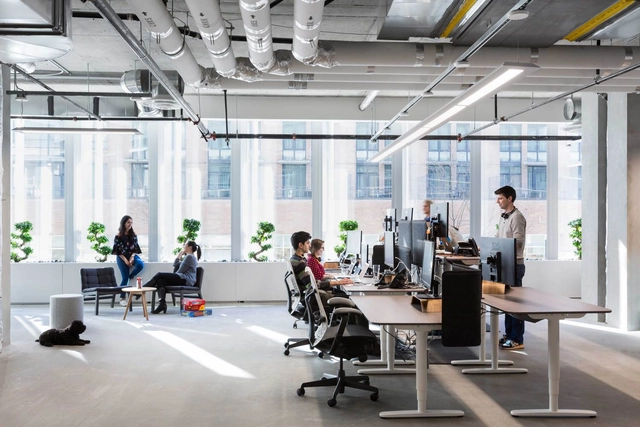
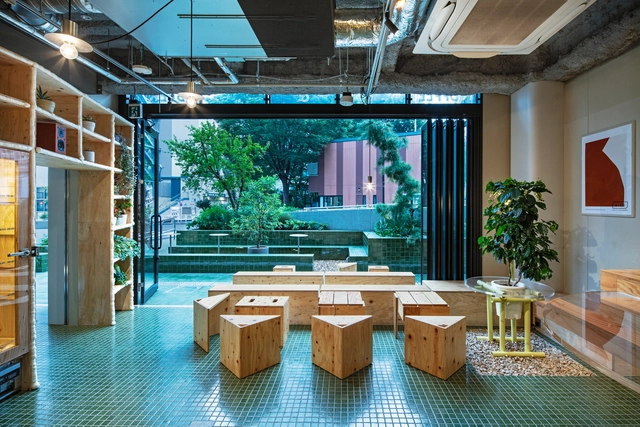
Vibrant colors, ping-pong tables, video games, free food and extravagant decorations. Photographs of the Silicon Valley offices of the early 2000s became the model for ideal, disruptive work environments, meticulously designed to attract and retain new talent in a highly competitive job market. Most importantly, they were the extreme opposite of the famous cubicles of previous decades. Over time, these same companies have invested in creating healthier and more dynamic working environments, giving special consideration to providing contact with nature and better ergonomics for employees. Among the innovations of the past years, the so-called “standing desks” have been gaining popularity, as they offer flexibility and promote a culture of health and well-being. Having the flexibility to work either standing up or sitting down encourages more movement throughout the day and has been proven to improve health and stretching, burn more calories and even increase concentration.
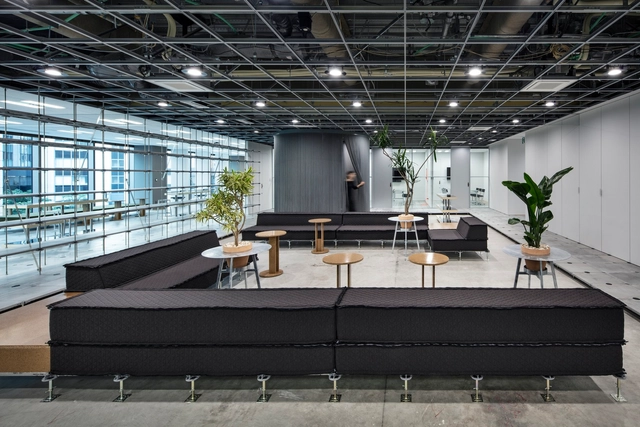
Circles, as a fundamental geometric shape, possess a captivating and harmonious quality that has been seamlessly integrated into architecture and design across various eras and styles. From subtle accents to bold focal points, the use of circles in interior design transcends mere ornamentation, often symbolizing continuity, connection, and a soothing visual rhythm. With their endless and unbroken curves, they offer a sense of unity, movement, and balance that can transform spaces into inviting and aesthetically pleasing environments – an effect especially useful for interior design. In this article, we take a look at 27 projects from our ArchDaily database that illustrate circular forms in interiors across the globe.
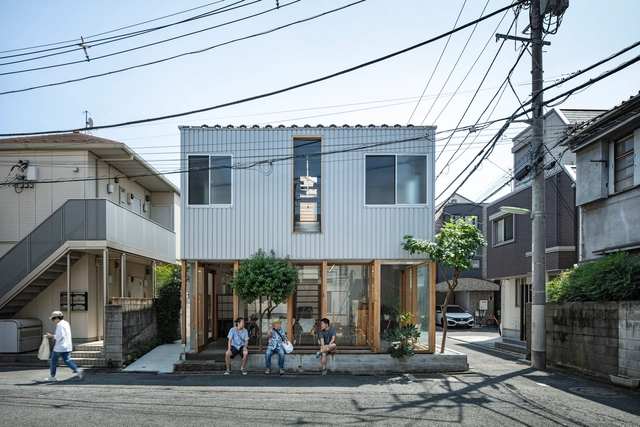
Kengo Kuma uses materials to connect with the local context and the users of his projects. The textures and elementary forms of constructive systems, materials, and products, are exhibited and used in favor of the architectural concept, giving value to the functions that will be carried out in each building.
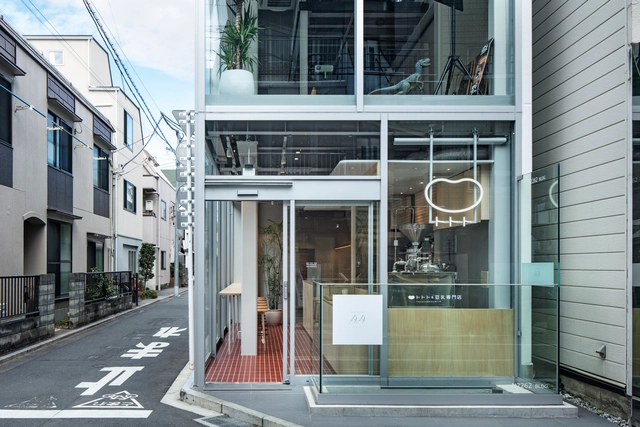
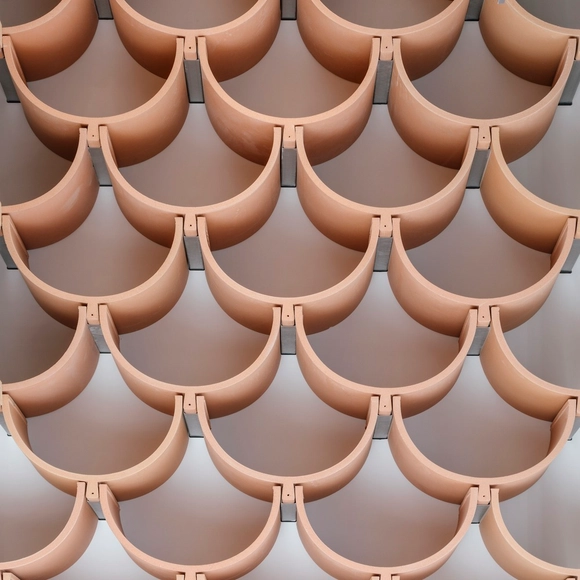
From showcases made with ceramic tiles to the sifted light created by expanded metal panels, passing through an ethereal polyester coating, Kuma understands the material as an essential component that can make a difference in architecture from the design stages. Next, we present 21 projects where Kengo Kuma masterfully uses construction materials.
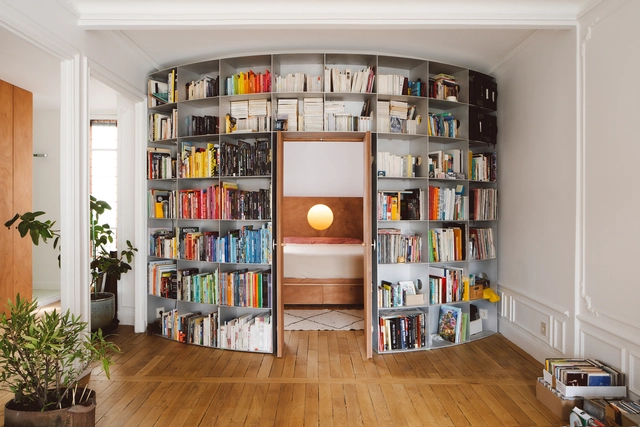
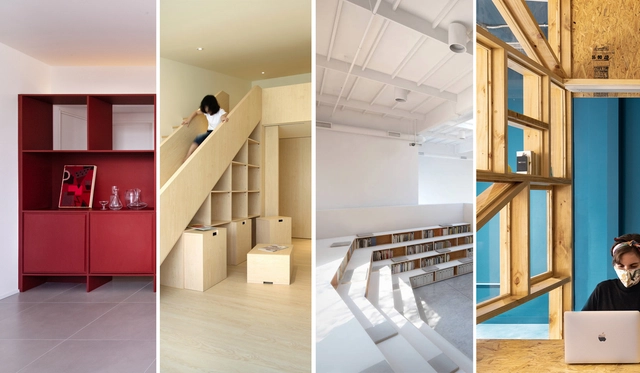
With the rise of small houses and dense cities, we were forced to sacrifice a good amount of storage space. Ironically, we did not compromise our purchasing habits, so with a few square meters to work with, architects and designers had to come up with efficient storage solutions and make the best of the limited space they have. However, if you were lucky enough to be occupying a large, unobscured space with a generous budget, your storage design possibilities are endless. In this article, we look at how architects and designers found creative ways to store their belongings in spaces with different functions, scales, and spatial constraints, ranging from completely invisible units to sculptural centerpieces.