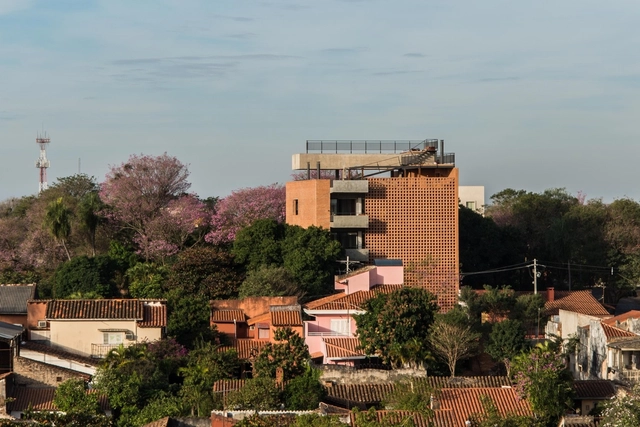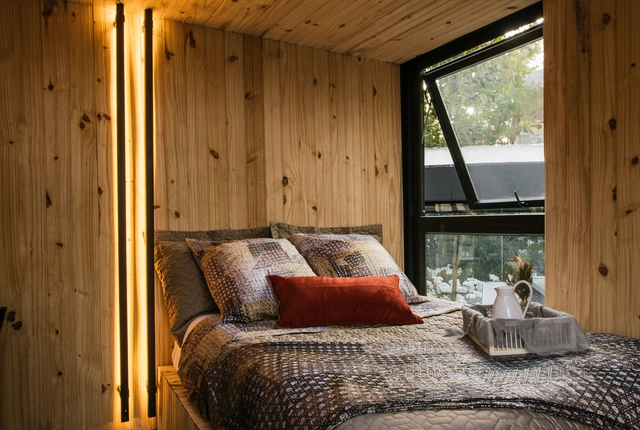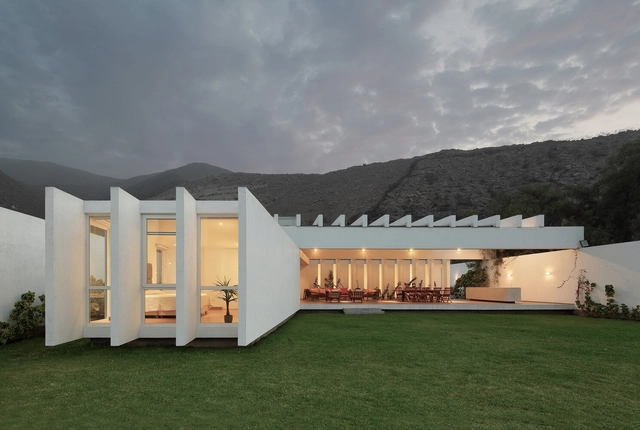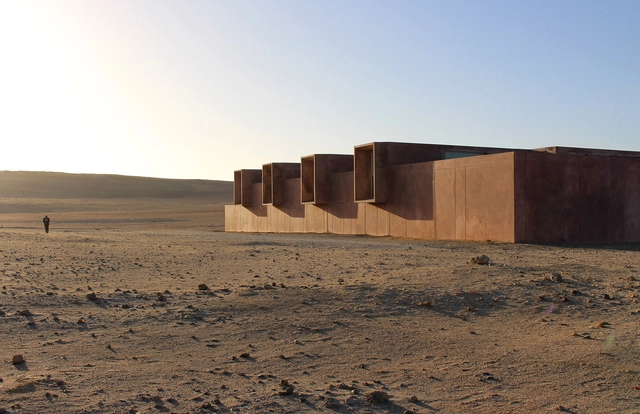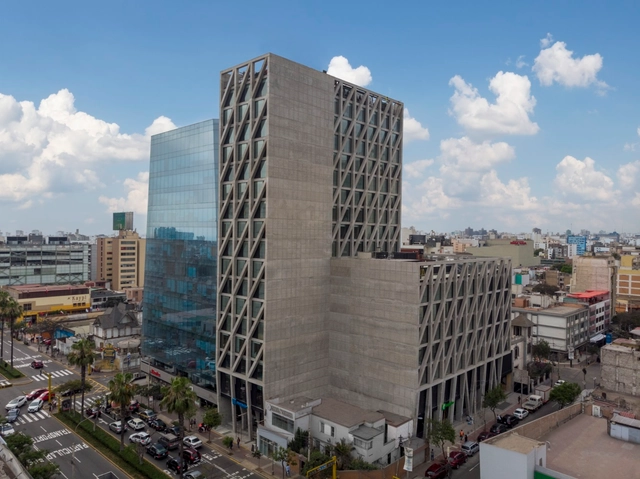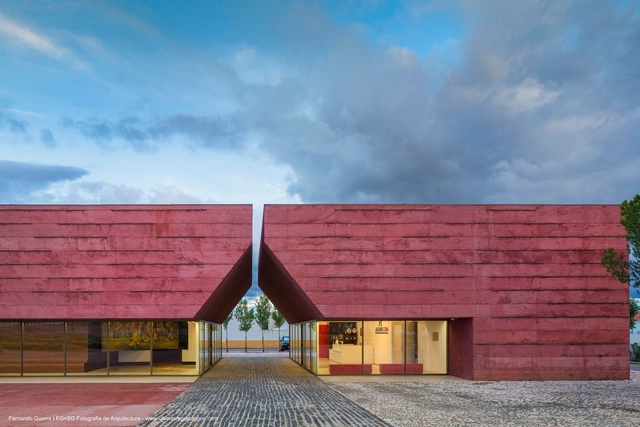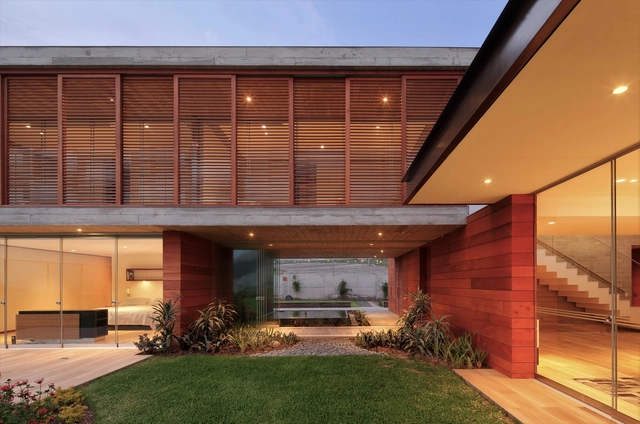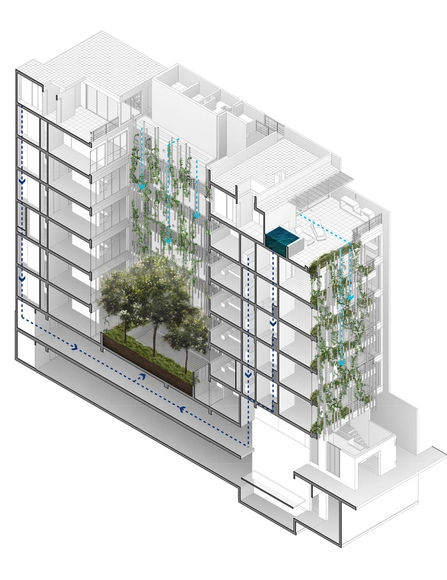
For the past couple of years, the project curators at ArchDaily have been revisiting architectural works they believe deserve a deeper look. Through an Instagram post called "Project Review", the curators describe what they consider to be the work's main attribute(s). Delving into the project's stories and the elements that make them truly inspiring, they underline what might otherwise be overlooked initiatives and study them closely, with attention to locality and context. The result is an array of diverse works, often from rural or suburban areas that have a public function or historic significance.
While a couple of houses are listed, the majority of the reviews veer towards cultural centers, libraries, workspaces, or commercial settings. Another thing to note is the fact that many of these works ended up coming in from Asia, with a few key projects from rural China. The picks are quite diverse in materiality and design language; however, they all suggest innovative architectural solutions and captivating narratives.
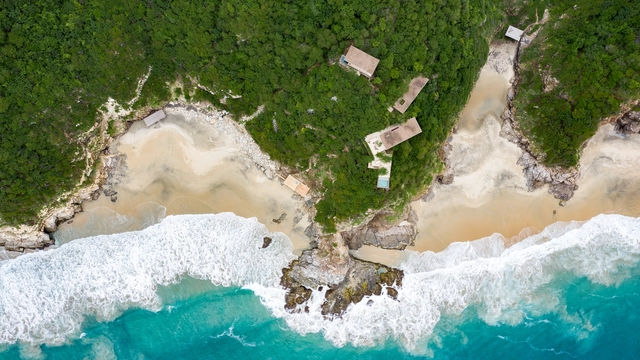
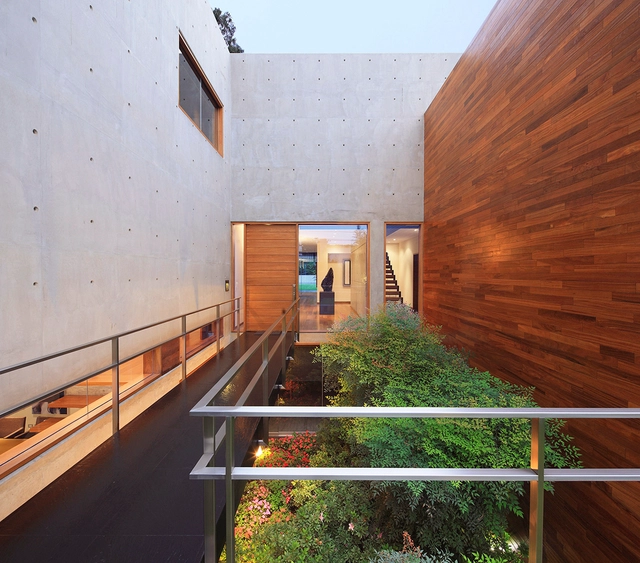
With the exception of some areas, within the three principal regions of Peru--coastal, mountain, and rainforest--the climate is characterized as tropical or subtropical and the differences in summer and winter temperatures is minimal, rarely reaching beyond 15 °C and 27 °C. This mild climate has thinned the line between exterior and interior spaces, a fact evident in the region's architecture.
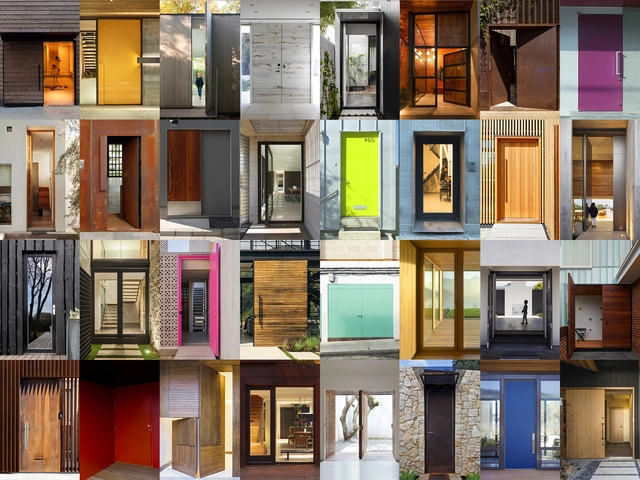
As much as walls, ceilings, and furniture pieces define the character and perception of an architectural project, doors play a critical role in building that style. Among all the doors used in houses, the front door is the first tangible element that homeowners and visitors will encounter, acting as the pivotal point where architecture greets the user. After all, first impressions are always important; and the entrance door is certainly one that can set the tone for the rest of the interior. However, choosing the right front door for a contemporary house can be difficult, especially with so many design possibilities. Therefore, before making that decision, it is crucial to know what those possibilities are – and how these can transform the front door into a design statement.
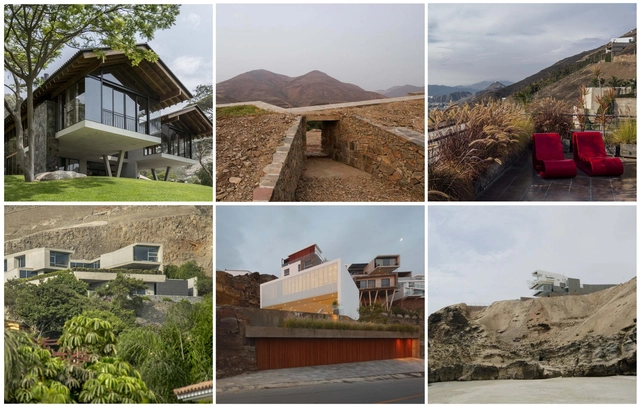
Is there only one way to inhabit the coast? The Pacific coast, the largest ocean on earth, is a vast territory with a great diversity of temperature, winds, and topography, among others. Consequently, it has a great variety of ecosystems, ranging from the freezing point near the poles, vast deserts and forests, to the hot tropical rainforest. Such majestic diversity is no stranger to architecture, responding to the different contexts in which it is placed. As a result, there is a great variety of architectural works, all of which share in framing the views of the sea.
The following list shows 30 residential projects along the Latin American Pacific coastline, revealing the diverse architectural approaches that exist along the coast.
Peru is home to a wide range of new cultural architecture. Strongly tied to the country’s megadiverse geography, Peru’s modern projects reinterpret past building techniques. Taking inspiration from the vernacular and varied landscapes, these contemporary buildings arise from long traditions rooted in ancient cultures and civilizations.
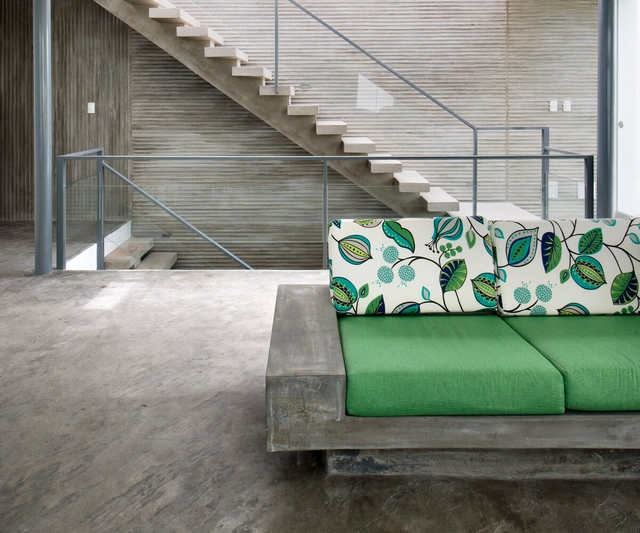
When we think of concrete, the color gray generally comes to mind. The traditional mixture of concrete, which comprises cement, gravel, sand, and water may vary in color depending on elements and admixtures but naturally varies from light to dark gray. However, compounds that add pigment to the mixture are becoming increasingly prevalent and popular, as they infuse the concrete with hues more stable than paint. These shades result from the addition of oxides: yellow, red and their derivations (eg. brown) are obtained with the addition of iron oxide; chromium and cobalt oxide create the greens and blues, respectively. For black concrete, it is common to use black iron oxide and carbon oxide combined with pozzolanic cement.
Peru, with its varied geography and vast array of natural resources, renders an architectural style that makes itself one with the landscape. In the country's three principal terrains —coast, mountain, and rainforest— there is little variation in temperature and the climate can be defined as either tropical or subtropical.
Occupying a substantial chunk of South America's central western landmass, Peru is a treasure trove of both landscapes and natural resources. Within its three regions--coastal, mountain, and rain forest--there is little variation in summer and winter temperatures and, except for its high mountain areas, its climate stays between tropical and subtropical. Thanks to the lack of weather extremes, outdoor activities--and the spaces in which to do them--are a principal factor in designing homes and other buildings. Pergolas and other semi-coverings make it possible to create or expand shaded areas, allowing you to enjoy the outdoors in the comfort of your home.