

-
Architects: HARQUITECTES
- Area: 1117 m²
- Year: 2019
-
Professionals: DSM arquitectes
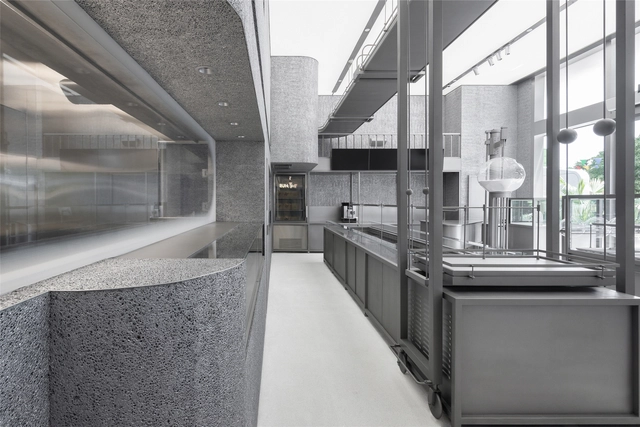
Stabilized Aluminum Foam is a unique looking material that combines the aesthetics of aluminum (its texture, shades and brightness) with a spongy, porous appearance. It is produced by injecting air into a cast aluminum alloy with stabilizing agents, which after curing, creates a porous and lightweight, yet highly resistant and rigid cellular structure. Because of its mechanical and thermal properties, it is particularly useful in applications in various industries, such as automotive, aerospace and marine, especially for energy absorption, thermal insulation, and sound dampening.
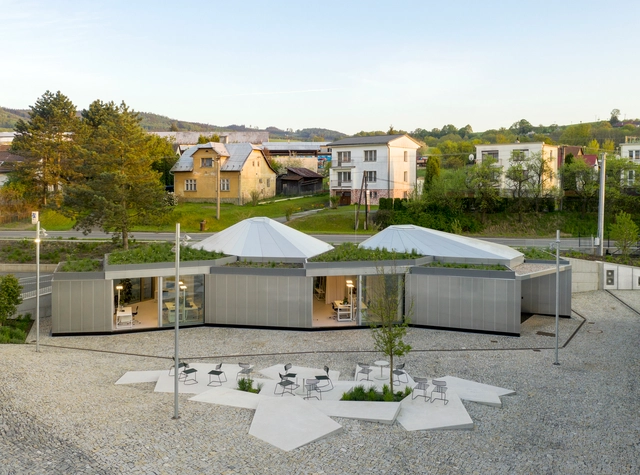
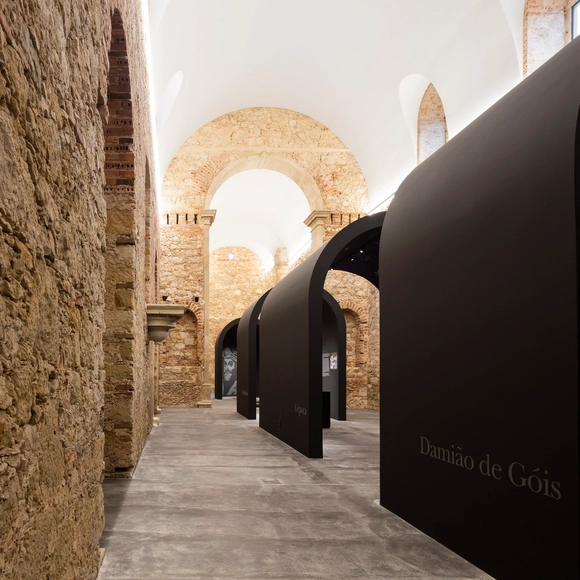
The European Centre for Architecture Art Design and Urban Studies and The Chicago Athenaeum: Museum of Architecture and Design have announced the winners of the "Europe 40 under 40" program for 2021-2022. The selection gathers emerging architectural and design talents spread across Europe from Albania, Austria, France, Greece, Ireland, Italy, Poland, Portugal, Russia, Spain, The Netherlands, and Turkey.
“During these challenging times, it is crucial to keep insightful visions alive. Presenting Europe’s most hopeful personalities in the fields of architecture and design is what gives us hope for a better tomorrow”, explains the official brief. Providing an insight into the architectural scene in Europe, the program initiated by The European Centre highlights the next generation of young architects, landscape architects, urban planners, and industrial designers currently under the age of 40, who will impact future living and working environments, cities, and rural areas.

.jpg?1626079817&format=webp&width=640&height=580)
Choice of building materials and the inherent continuous reflection about the reach and capabilities of architecture are an interesting alternative way to approach this issue. The materials used in social housing should address local and economic possibilities and the real needs for access to housing in the contemporary context.
In this article, we analyze different projects published on our site to identify some of the predominant materials used in social housing, both for the formation of structures or enclosures. The intentions of this are two-fold: firstly, to create a worldwide panorama of different case studies with different construction styles from a range of geographical locations, and secondly, to provide inspiration and tools to architects to make better social housing.
Below we present 15 social housing projects and their diverse materials and construction styles.
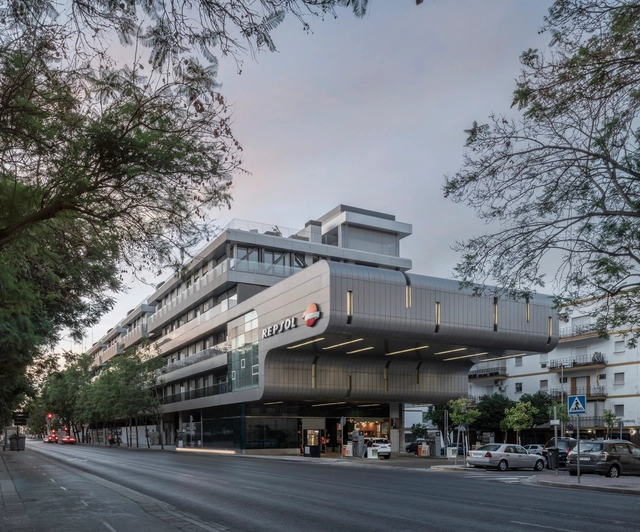
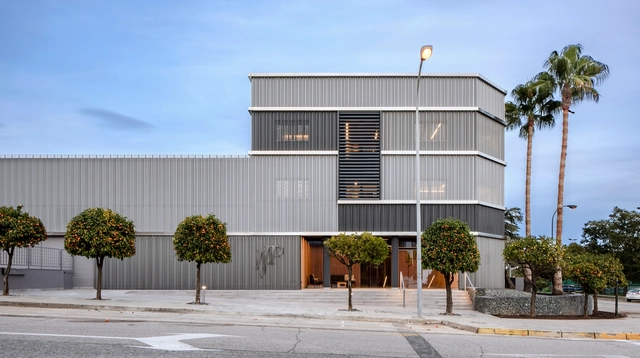
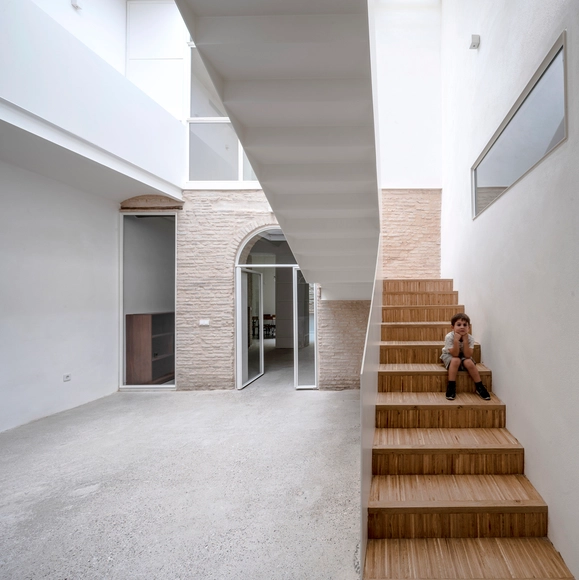
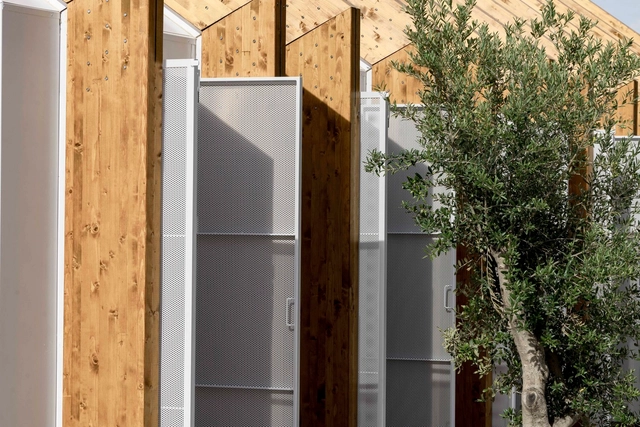
At the 2016 Venice Architecture Biennale, curator Alejandro Aravena decided to reuse 100 tons of material discarded by the previous Art Biennale to create the new exhibition halls. Besides preserving 10,000 m² of plasterboard and 14 km of metallic structures, the initiative intended to give value, through design, to something that would otherwise be discarded as waste. The project also shed light on another observation: as architects, we generally restrict ourselves to thinking about buildings during the design process, construction phase, and at most through the use phase. We hardly think of what will become of them when they are demolished at the end of their useful life, an issue that should urgently become part of the conversation.
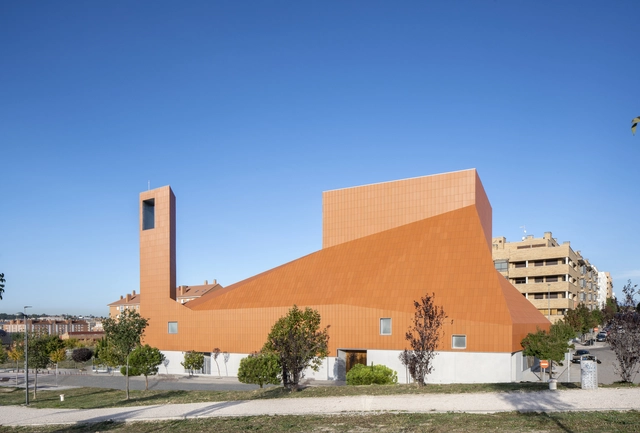
ArchDaily has created a list of best articles, news and projects that address everything you need to know about stone.