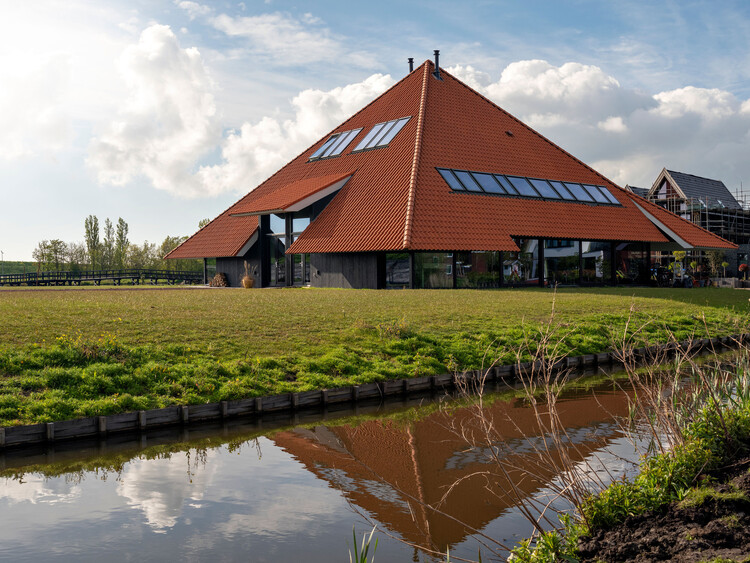
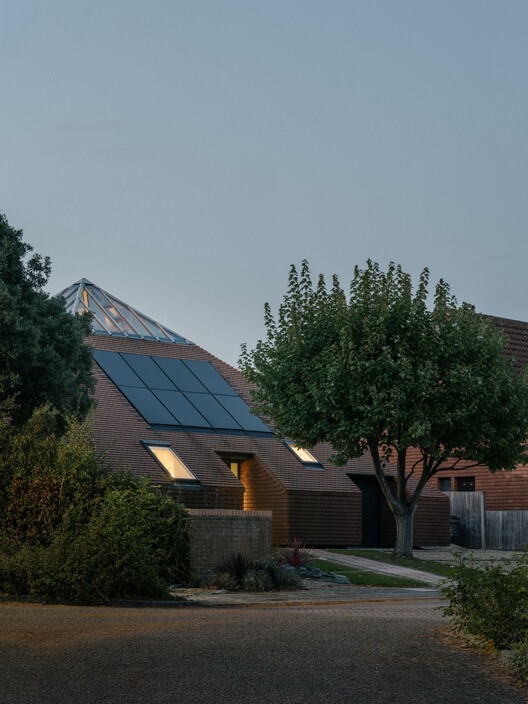
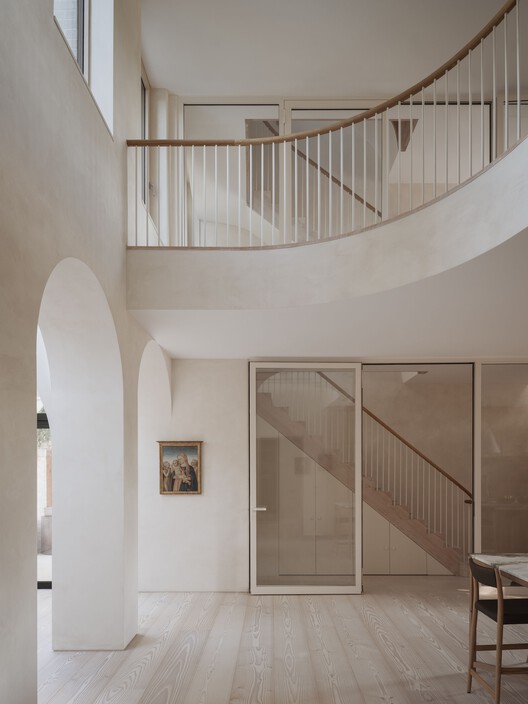
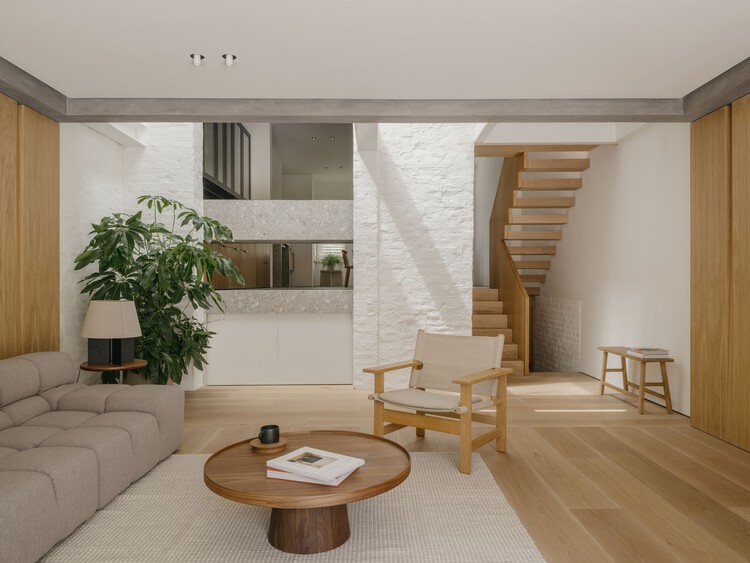
While pyramidal geometry appears in monumental historical structures, its contemporary application remains limited. The primary constraint is the sloping envelope, which contracts the building's floor area as it ascends and reduces usable interior volume compared to orthogonal or cylindrical forms. However, from a structural standpoint, the geometry offers lateral stability against wind and seismic loads due to its broad base, central mass distribution, and self-bracing triangular faces. Nonetheless, applying this shape at a residential scale introduces several layout constraints. These slanted walls limit vertical wall surfaces, which complicates the placement of standard windows, doors, and floor partitions. At the same time, the low clearance along the perimeter also creates unusable floor area at the edges of the room.