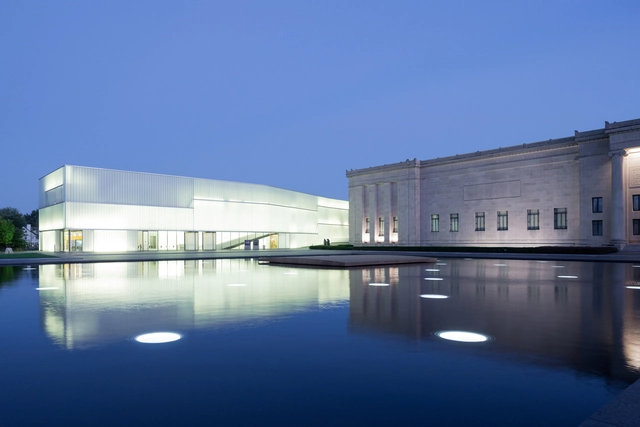
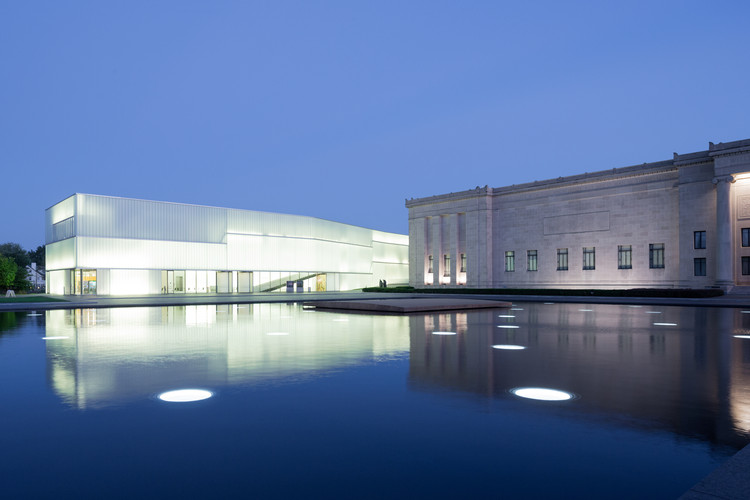
Today marks the ninth anniversary of the opening of the Steven Holl Architect’s Bloch Building for the Nelson-Atkins Museum of Art. To commemorate the occasion, Iwan Baan has visited the project to show how it has settled into place on the museum’s campus, become an architectural icon for Kansas City, and continues to shine as one of Steven Holl's most recognized projects.
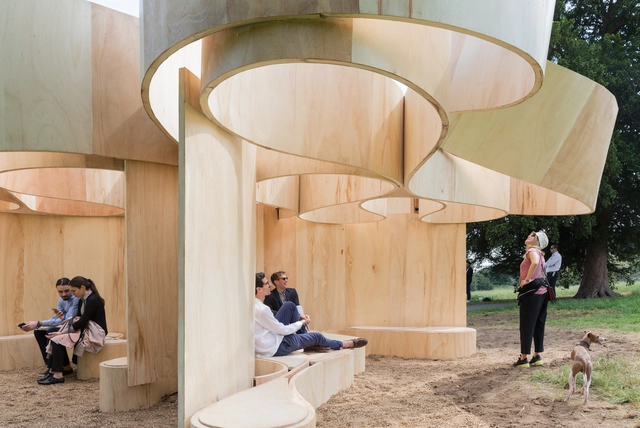
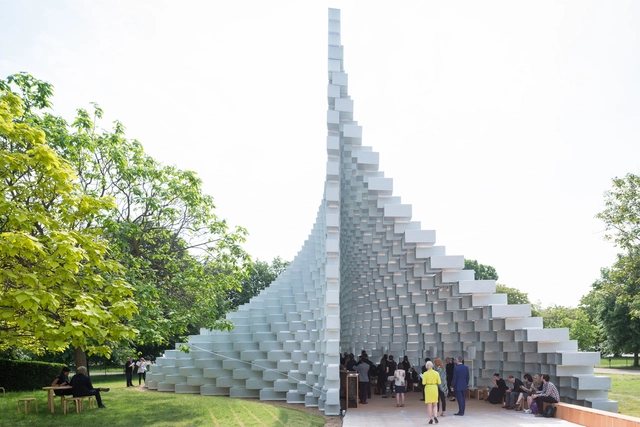
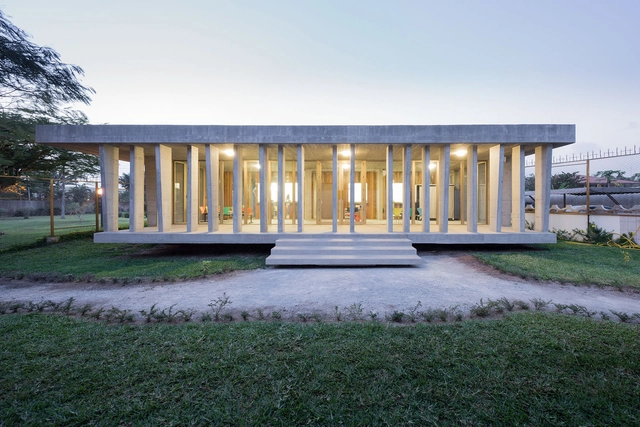
The 2016 Serpentine Pavilion, designed by BIG, has today been unveiled at the Serpentine Gallery in Hyde Park, London. The design consists of an "unzipped wall" in which a straight line of tubular fiberglass bricks at the top of the wall is split into two undulating sides, housing the program of the pavilion. For the first time, the 2016 Serpentine Pavilion is also accompanied by four "summerhouses" designed by Kunlé Adeyemi, Barkow Leibinger, Yona Friedman and Asif Khan. The Pavilion and summerhouses will open to the public later this week, on June 10th, and will be in place until October 9th. Read on to find out more about all five designs.
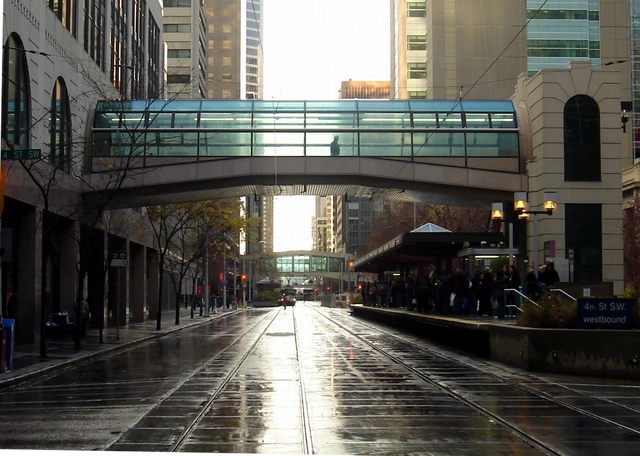
When hearing the word “skybridge” or “elevated walkway,” what often comes to mind is a narrow, glassed-in pathway perhaps crossing between two office buildings or hospital concourses; a narrow artery whose only purpose seems to be keeping people dry and away from cars as they walk from meeting to meeting. But this wasn’t always the case - in the 1960s, skyways were seen as radical urban inventions that would bring city circulation into the 3rd dimension. Championed in the United States by architect Victor Gruen, following ideals espoused by both CIAM and Team 10 in Europe, the skyway movement took hold in cities all over the world with varying degrees of success, but rarely with the fluid connections between levels originally envisioned by its designers.
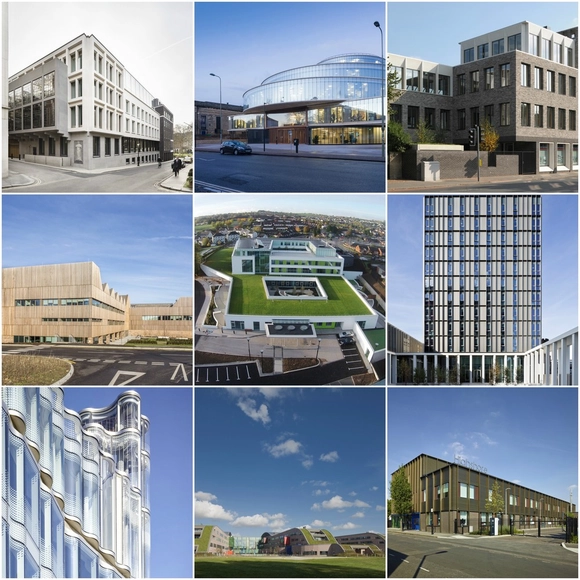
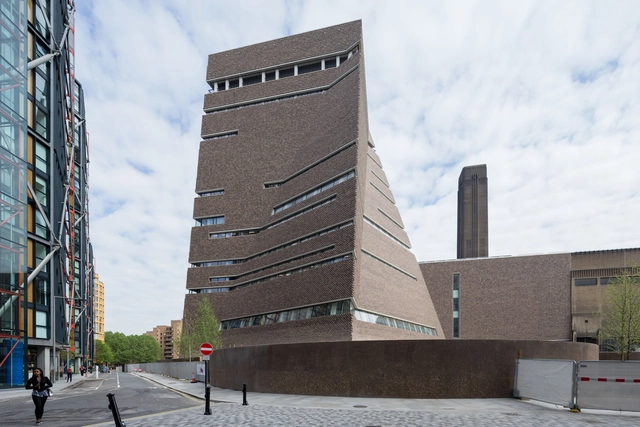
The Royal Institute of British Architects (RIBA) has announced 17 winners for its RIBA South Awards, which recognize architectural excellence. These 17 regional award winners were drawn from a shortlist of 30 projects. Over the next few months, they will be considered for the RIBA National Awards, and then for the RIBA Stirling Prize.
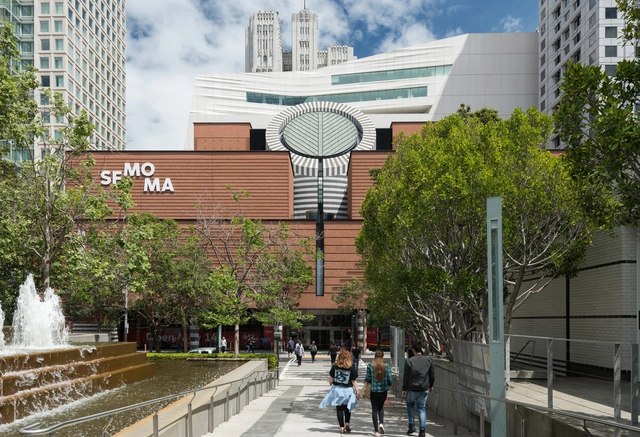
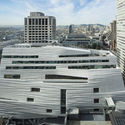
Shoehorned into the narrow space behind Mario Botta’s 1995 building, the Snøhetta-designed new wing of the SFMOMA was forced to go where few museums have gone before: up. Rising 10 stories into the San Francisco skyline, the new building nearly triples the amount of existing gallery space and adds a new entrance into what is now one of the world’s largest buildings dedicated to modern art. As the museum is set to reopen to the public May 14th, the critics' takes are rolling in. Did the restrictive site inspire a unique design solution or limit the creative possibilities of the project? Read on to find out.
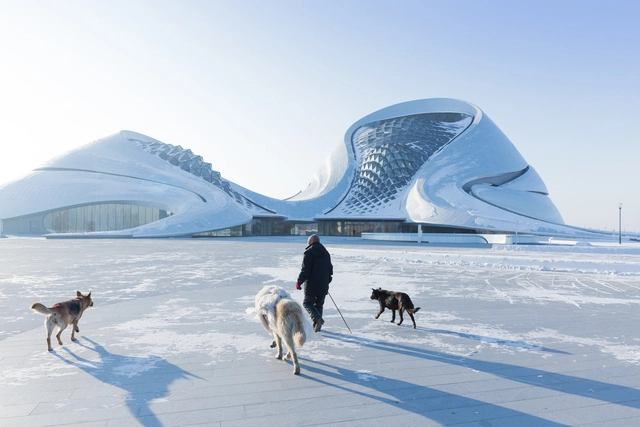
Iwan Baan has unveiled a new series of images depicting a snow-covered Harbin Opera House by MAD Architects and its surrounding landscapes. The northern Chinese city of Harbin is known for its brutal winters where temperatures can reach -22°F (-30°C). In the photographs, the Opera House's sinuous white aluminum cladding echoes the ice formed in the adjacent river. “Harbin is very cold for the most of the year,” says MAD principal and founder Ma Yansong. “I envisioned a building that would blend into the winter landscape as a white snow dune arising from the wetlands.”
As a Japanese immigrant who has spent much of her life in the United States, the architecture of Toshiko Mori occupies an interesting space: on one hand, the material and tectonic culture of Japan is, as she puts it, her “DNA.” On the other hand, her work clearly draws inspiration from the Modernists of 20th century America, and most notably from Mies van der Rohe. In this interview from his “City of Ideas” series, Vladimir Belogolovsky speaks with Mori (his former architecture professor) about materials, details, and the inspiration behind her work.
In a new film by NOWNESS, Dutch photographer Iwan Baan explains his process for photographing MAD architects’ Harbin Opera House in the northern region of China. The short documentary describes the power of architectural photography and how Baan aims to capture the present moment of a place, instead of creating a timeless scene.
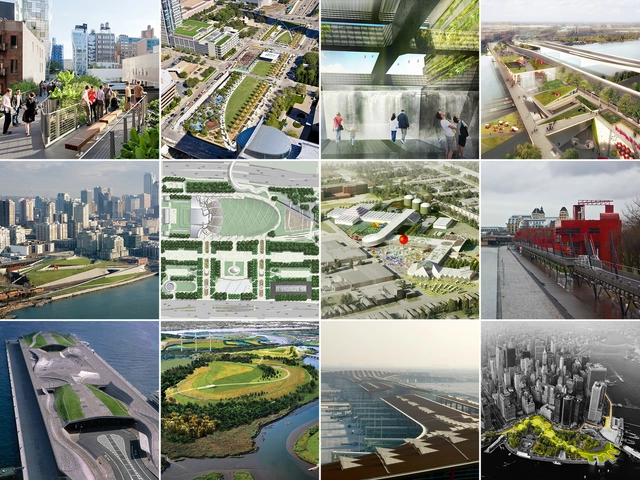
In his new book Landscape as Urbanism, Charles Waldheim, the John E. Irving Professor and Chair of Landscape Architecture at Harvard University’s Graduate School of Design, argues that in order to understand the twenty-first century metropolis, “a traditional understanding of the city as an extrapolation of architectural models and metaphors is no longer viable given the prevalence of larger forces or flows. These include ruptures or breaks in architectonic logic of traditional urban form as compelled by ecological, infrastructural, or economic change.”
In other words, spatial constructions in urban environments should no longer be attached to intractable functions or intent on isolation, but should instead integrate into the fabric of the city. These types of projects must be flexible to the inevitable changes in functionality and purpose that are byproducts of economic change and evolutions in land-use intentions. The dozen projects featured here are exemplary of such practices, both in how they adapt to past interventions and in how they move beyond the notion of a static future for urban conditions that are perpetually in flux.
Zaha Hadid's sudden passing has led to an outpouring of heartfelt tributes from some of the profession's most prominent figures. A "brave and radical" trailblazer, and the first woman to win the Pritzker Prize, Hadid's significant impact on the world of architecture is undeniable. She will be missed.
"We are all shocked and devastated that we lost Zaha today, a most beautiful individual, talent, leader and friend," Patrik Schumacher, Director of Zaha Hadid Architects, wrote on Facebook.
We will continue to update this link as more tributes come in.
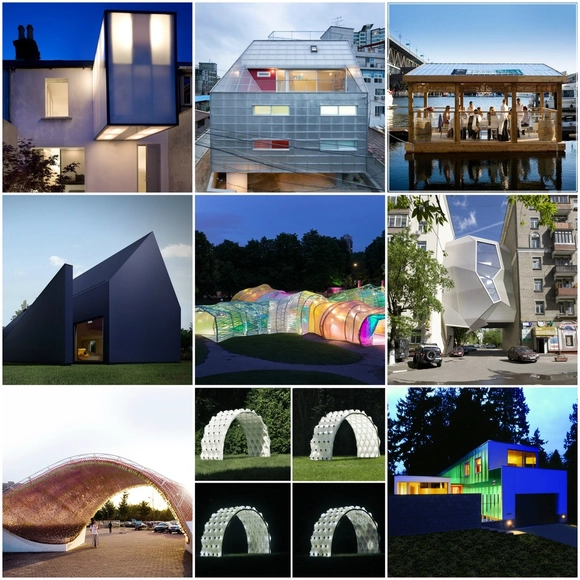
Over time, an endless spectrum of materials has become available for use within the realm of architecture. However, one material that seems underrepresented is plastic, a versatile and malleable compound that can be used for a wide variety of purposes. In light of the many applications of plastics in architecture, we have compiled a list of 12 projects that utilize plastic: from repurposing plastic bottles to the use of translucent plastic siding, these projects represent just a few of the many ways that plastic can be used as a primary material.













_on_view_in_the_Evelyn_and_Walter_Haas__Jr._Atrium_at_the_new_SFMOMA__photo_%C2%A9_Iwan_Baan__courtesy_SFMOMA.jpg?1462453791 "© Iwan Baan")


__photo_©_Iwan_Baan__courtesy_SFMOMA.jpg?1462321916&format=webp&width=230&height=230&crop=true)




.jpg?1461556064&format=webp&width=640&height=580)
.jpg?1461555713&format=webp&width=230&height=230&crop=true)
.jpg?1461555891&format=webp&width=230&height=230&crop=true)
.jpg?1461555072&format=webp&width=230&height=230&crop=true)
.jpg?1461556241&format=webp&width=230&height=230&crop=true)
.jpg?1461556064)