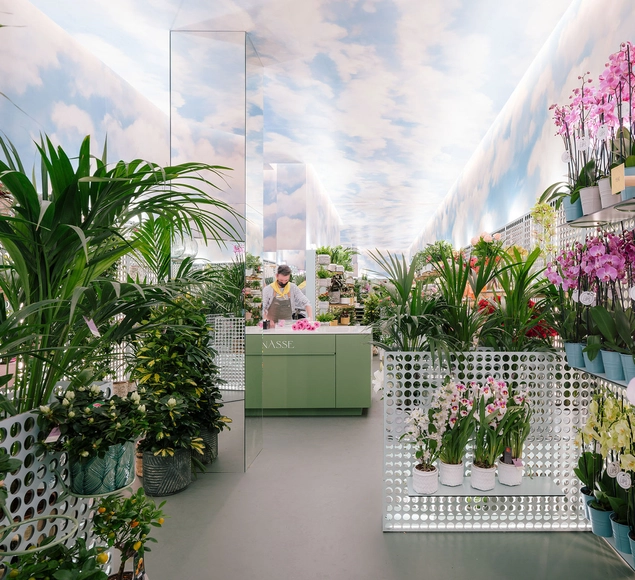
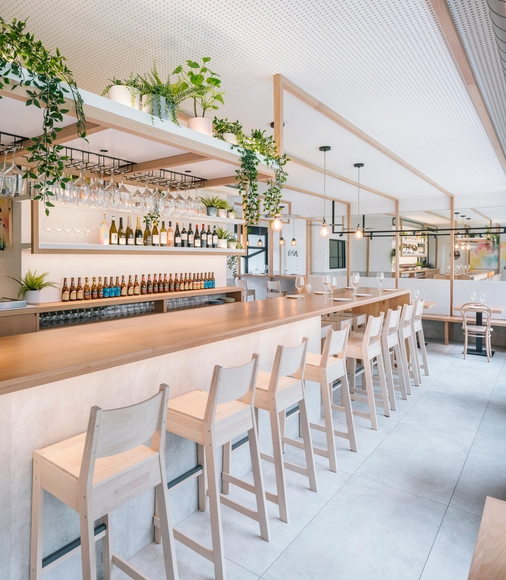
Not every architectural project can incorporate a landscaping project, consider a garden or access to ample green space. Smaller spaces need more creative strategies to incorporate vegetation. Regardless of the context, plants offer benefits in all types of spaces, such as indoor temperature regulation, an option for sustainable production on a smaller scale than a greenhouse, in addition to their aesthetic qualities. In this article, we present 4 simple strategies and a selection of examples for incorporating plants in small-scale spaces, all of which can be found in Architonic's Planting section.
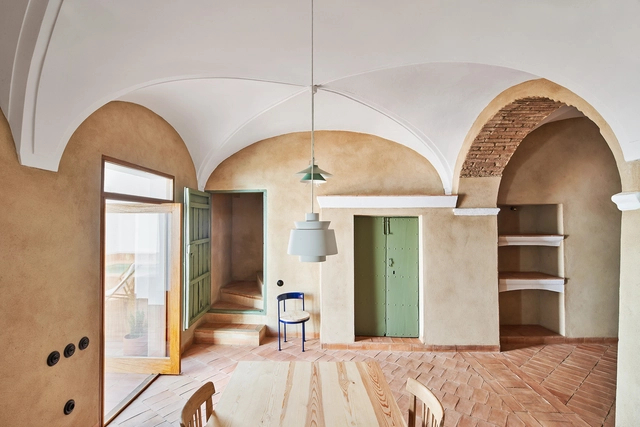
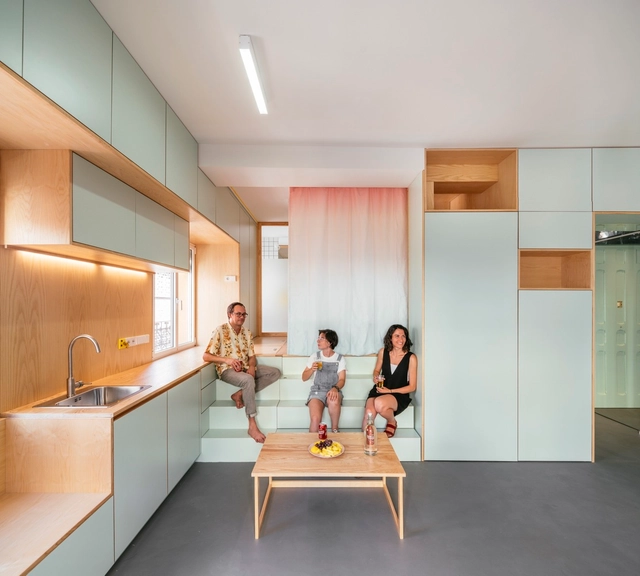
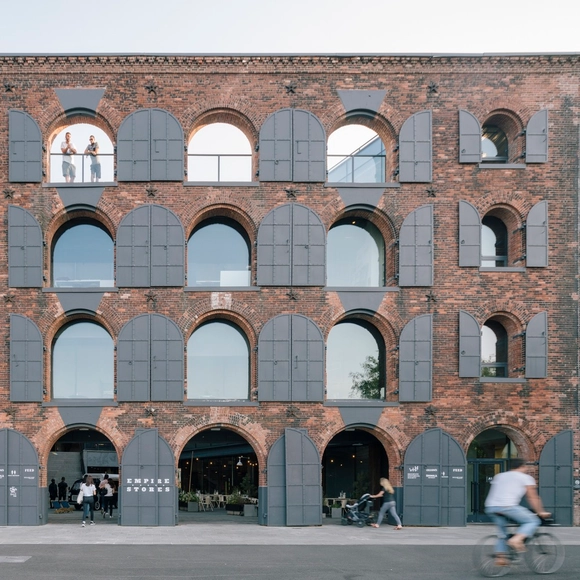
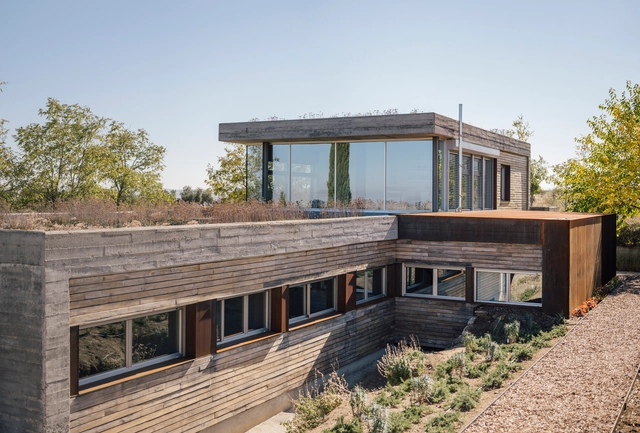
In the last few years, Europe has become a leader in refurbishment architecture by renovating and remodeling buildings and historic city centers. These initiatives have halted horizontal expansion and promote equitable city development.
This trend has not only become a contribution towards the densification and revitalization of underserved sectors but has also allowed families who had been displaced to the periphery to inhabit city centers and improve their quality of life.
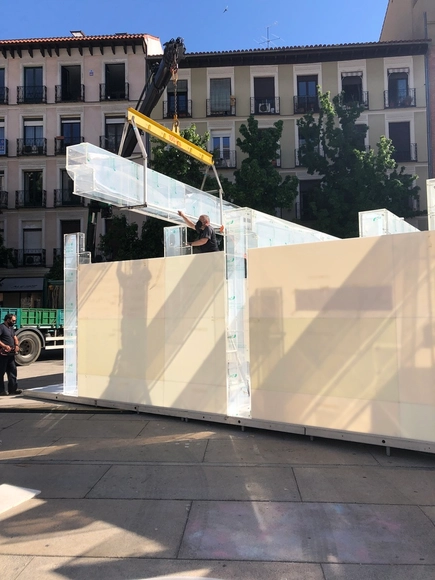
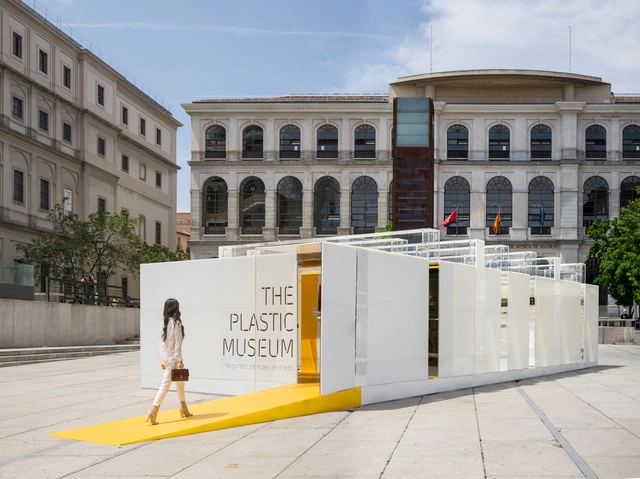
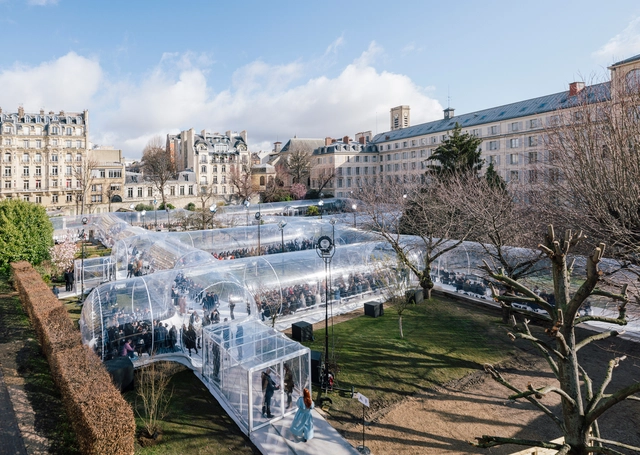
Plastic is an incredible material. The big problem with it is how we are using it and discarding it in nature. It was with this idea in mind that The Plastic Museum was created: to show the vital role that plastic plays in our lives and the possibilities that its reuse and recycling offer. Opened in Madrid on May 8, it not only contains plastic but was built entirely from this material. Through the artifacts displayed inside, including objects for health care, communication, construction, food, and sustainable mobility, the visitor will learn about the essential functions that plastic provides us when used correctly.
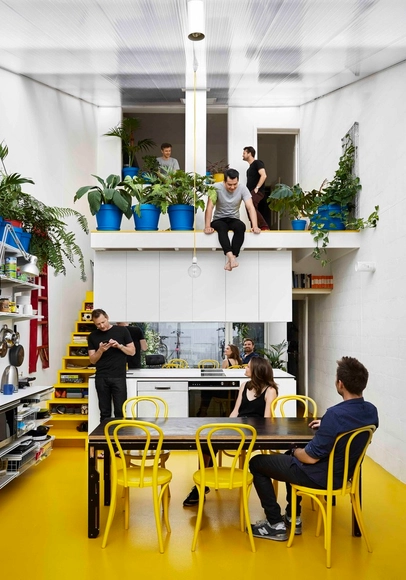
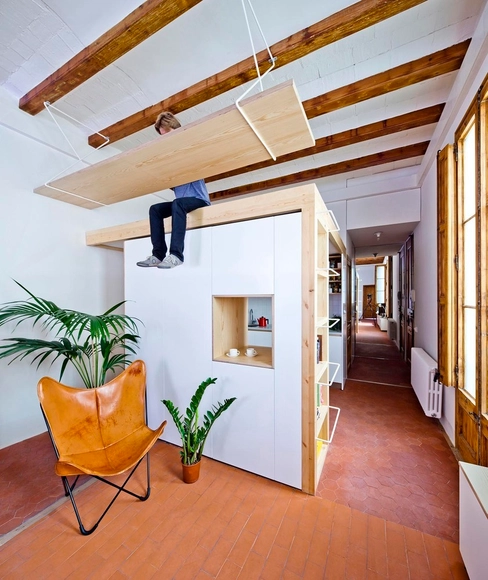
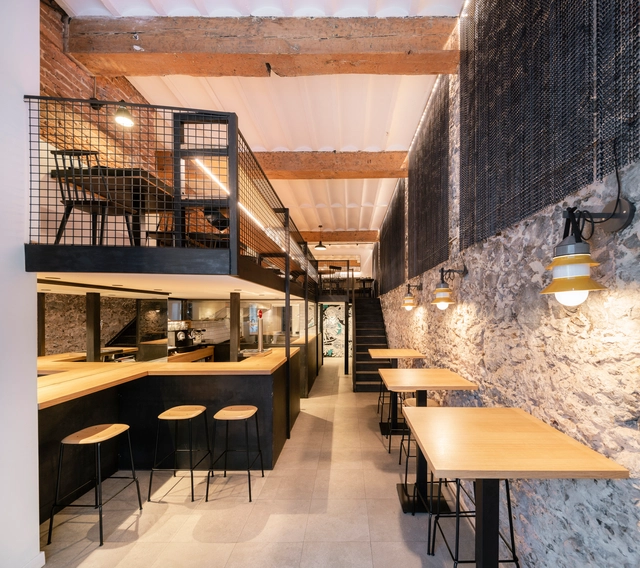
The height of the ceiling of a space heavily influences our perception of it. Generally, local building codes regulate the minimum dimensions for ceiling height, which are calculated to ensure adequate quality of life in the environment. But the exact height of the ceilings is often defined by the dimensions of other materials that make up the building, the height of the constitutive slabs, or even by rounding the dimensions of the stair steps. It is common, with the densification of cities aimed at increasing profitability, for entrepreneurs to design with minimum ceiling heights in houses and offices, reducing construction costs. On the other hand, in older structures, more generous ceilings can be observed, which generally enable a greater degree of design freedom. But how can architects make the most of these spaces?
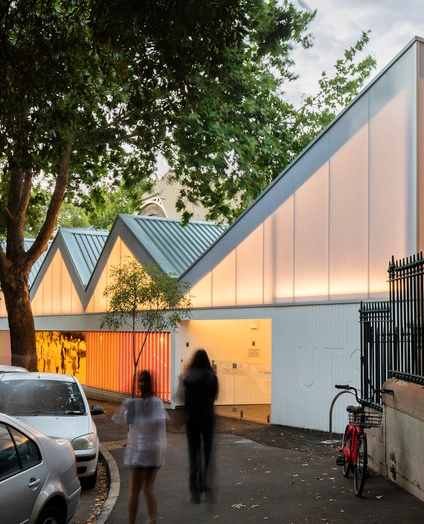
Composed of microcell panels, polycarbonate offers various solutions for the use of natural lighting in architectural enclosures. Whether applied to facades, interior spaces or roofs, the benefits of polycarbonate, such as lightness, clean lines, colored panels, and light effects, offer a wide range of design freedom. Microcell panel technology reduces the need for artificial light and favors uniformity in the diffusion of natural light, achieving energy efficient facades and the illusion of spaciousness in interior spaces. Below, we've selected 10 projects that have used polycarbonate as a wrapping material.
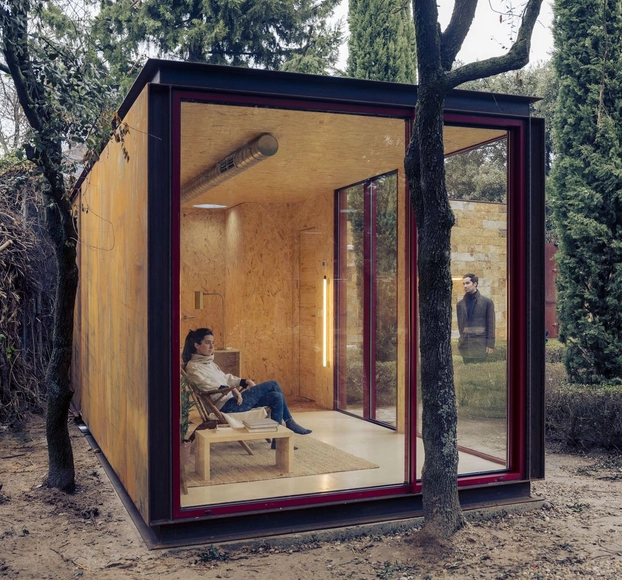
In early 2020, along with the implementation of worldwide social isolation measures, we published several articles in order to help our readers increase productivity and comfort in their home offices. After months of continued isolation, surveys show that more than 80% of professionals want to continue working from home even after quarantine ends. In addition, a good number of companies are similarly satisfied with current work practices, showing a high tendency to adopt this practice indefinitely, since the majority of companies observed that remote work was as or more productive than face-to-face work.
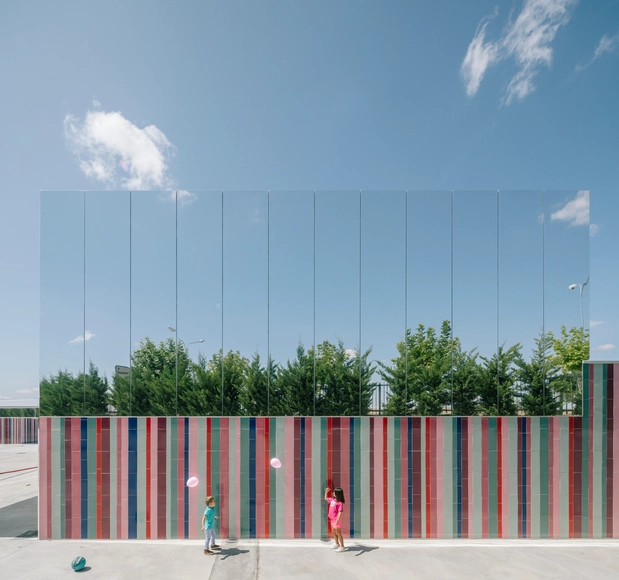
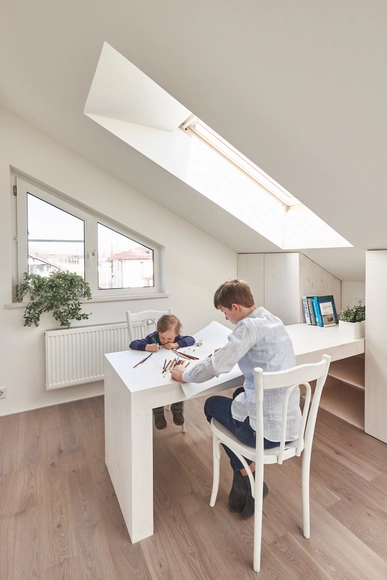
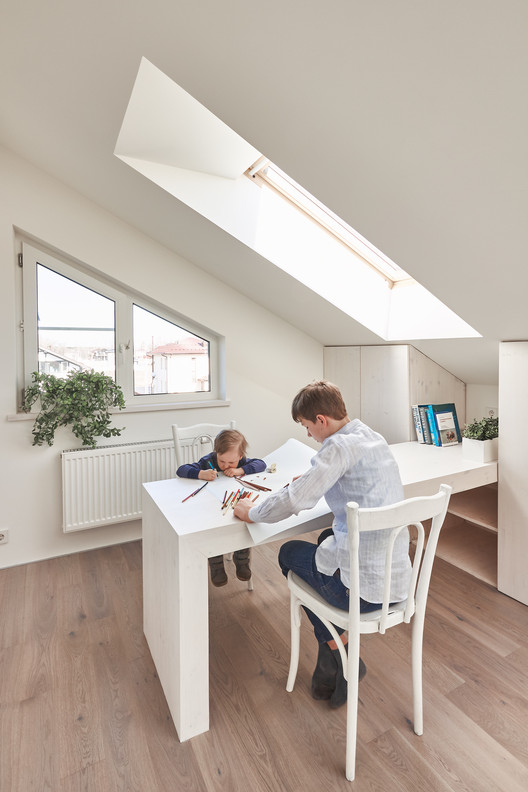
However, with respect to children and home studying during the pandemic, the result was not as positive. One of the main reasons for this difference is that it can be difficult to get students to concentrate and motivate themselves for a long time in front of screens. Lack of physical interaction with other children is also a contributing factor. Yet until the global situation improves, it is likely that the return to schools will continue to be postponed. With this situation in mind, we decided to share in this article a series of efficient strategies to transform study spaces at home into better spaces for learning.