Sustainable architecture begins with designing for longer lifecycles and reuse. Looking to create more inclusive and viable futures, architects are exploring adaptive reuse as one of the best strategies to address the climate crisis and promote social justice. Reuse keeps the culture of an area alive, bridging between old and new as projects push the boundaries of circular and adaptive design.
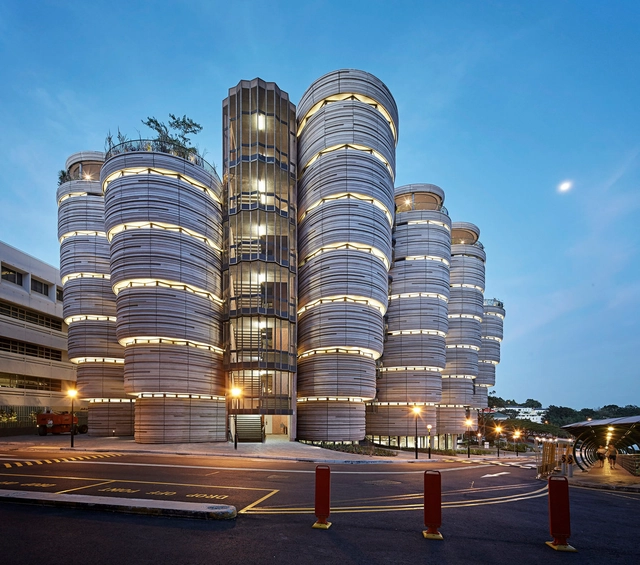
Singapore has emerged as a global design center. As a city-state and island country in Southeast Asia, the Lion City is home to a new class of high-rise buildings, gardens and iconic landmarks. While the design world is familiar with structures like the Safdie's Jewel Changi Airport or OMA's Interlace, Singapore has also built a range of new public and civic buildings alongside extensive land reclamation projects.
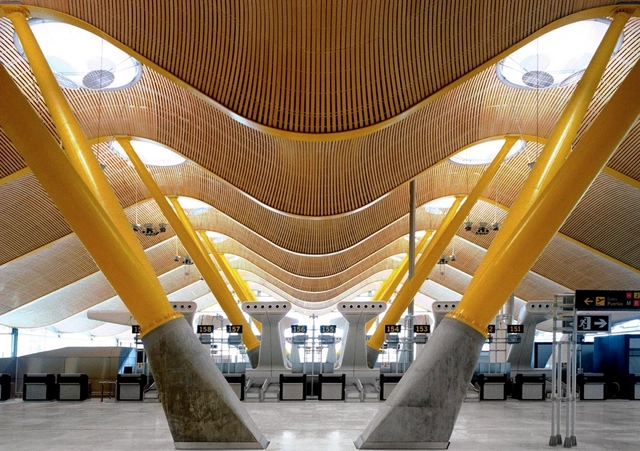
Courtesy of Estudio Lamela, Rogers Stirk Harbour + Partners
Modern airports have become larger and larger in scale. With increasingly bigger aprons, multiple programs, and countless travelers a year, this typology’s prevalence has grown exponentially. Known for a variety of unique spatial experiences, from massive waiting rooms and luxury lounges to compressed jet ways, airport architecture has really only emerged within the last century. Today, architects and designers are starting to creatively dissolve the daunting scale of airports to explore their role in contemporary urban life.
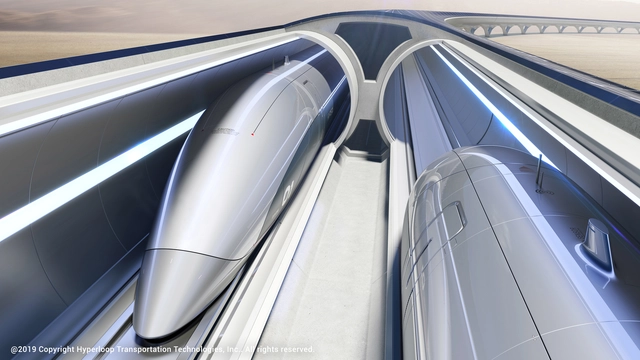
Zaha Hadid Architects is collaborating with Hyperloop Italia to co-design the next phase of works of the transport vehicles, marking a turning point for the future of transportation. The collaboration aims to merge transformative architecture, engineering, and urban planning with the most efficient and sustainable transport network to improve accessibility, connectivity, and well-being in cities.
Another year, another successful ArchDaily China Building of the Year Awards! With more than 75,000 votes gathered over the past 20 days, the results of the 2021 edition are in! Once more, the award has proved to be the largest architecture prize centered around people’s opinion. Crowdsourced, the most relevant projects of the year were nominated and selected by our readers.
The 2021 China Building of the Year Awards is brought to you thanks to Dornbracht, renowned for leading designs for architecture, which can be found internationally in bathrooms and kitchens.
https://www.archdaily.com/959196/winners-of-the-archdaily-china-building-of-the-year-2021-awards韩双羽 - HAN Shuangyu
Following an exciting week of nominations, ArchDaily’s readers have evaluated over 675 projects and selected 10 finalists for the Building of the Year Award China. Architects and enthusiasts participated in the nomination process, choosing projects that exemplify what it means to push architecture forward. These finalists are the buildings that have inspired ArchDaily readers the most, which also reveal the growing trend of Chinese architecture.
The 2021 Building of the Year Awards China is brought to you thanks to Dornbracht, renowned for leading designs for architecture, which can be found internationally in bathrooms and kitchens.
https://www.archdaily.com/958627/archdaily-china-building-of-the-year-2021-awards-the-finalists韩双羽 - HAN Shuangyu
Architecture, and all aspects of the design world, has experienced numerous movements throughout time that have defined the way we express ourselves through buildings, art, and other mediums. Created out of a dissatisfaction with the status quo or the emergence of new technology, there have been particularly notable design shifts and emerging ideologies over the last 100 years. This leaves us to ask the question- what design moment are we in now, and what characterizes it? How will we retroactively reflect on this moment of time in design, and will the COVID-19 pandemic accelerate innovation to bring us to our next design era?
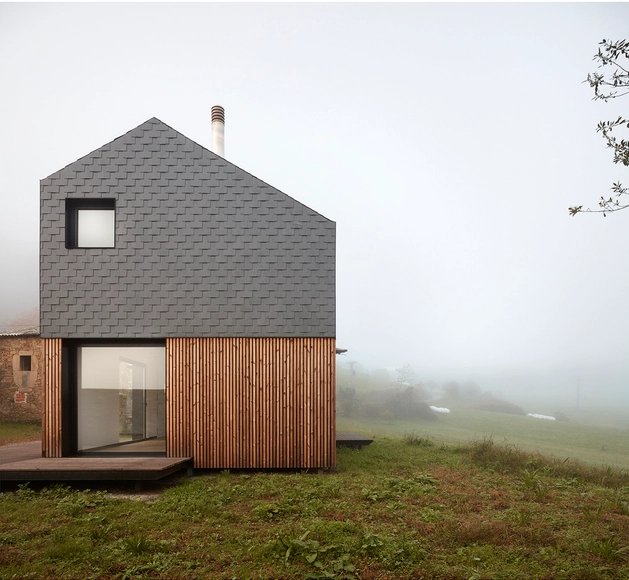
Every child has drawn a house. Perhaps a sunny day with some clouds, a leafy tree, a family with a dog, low wooden fences, or even a car. But in these drawings, they will almost certainly draw a simple rectangle with a gable or hip roof. This archetype of the house appears in virtually all cultures, and even today many architects use it for contemporary projects.
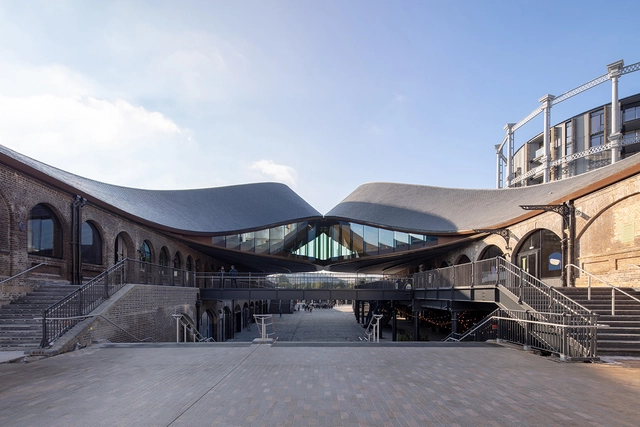
In addition to the primary function of draining rainwater and snow, and thus protecting the building from the weather, roofs can be an important aesthetic device for composing a project. In modern architecture, waterproof roof slabs emerged as a popular alternative, but sloping roofs have continued to captivate both clients and architects. In this article, we will cover the various types of roofs and, more specifically, the manufacturing process and characteristics of natural slate tiles.
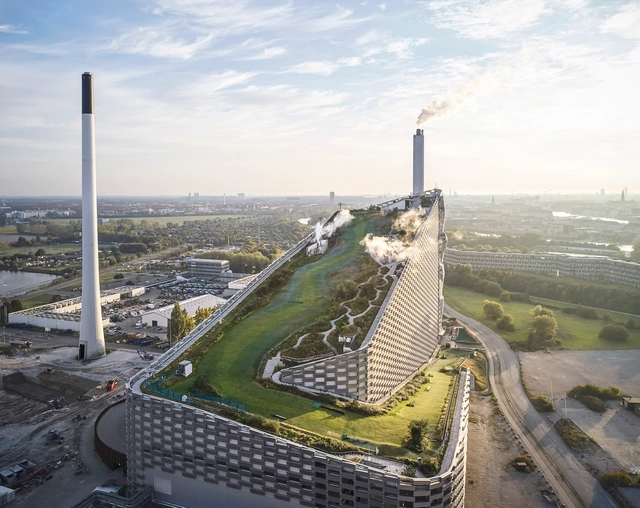
Hufton+Crow has unveiled its latest series of images, capturing Denmark's recent and inventive projects, completed between 2018 and 2019. The photographs showcase CopenHill Energy Plant and Urban Recreation Center by BIG, along with Tingbjerg Library and Culture House and Køge Nord Station, both designed by COBE.














.jpg?1622485373&format=webp&width=640&height=580)

.jpg?1622486060&format=webp&width=230&height=230&crop=true)

.jpg?1622486105&format=webp&width=230&height=230&crop=true)
.jpg?1622485373)
.jpg?1616727166&format=webp&width=640&height=580)