-
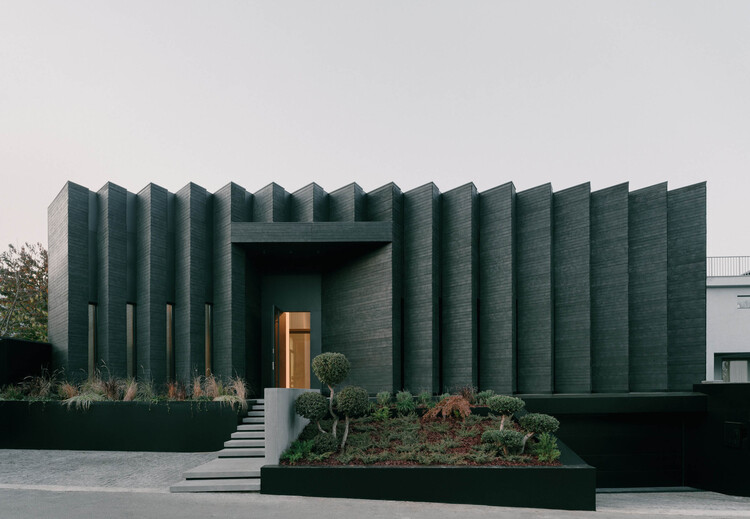
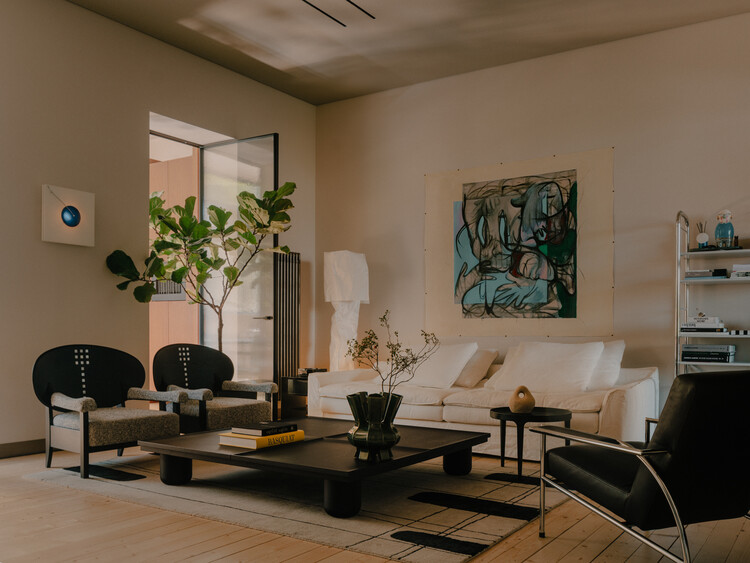
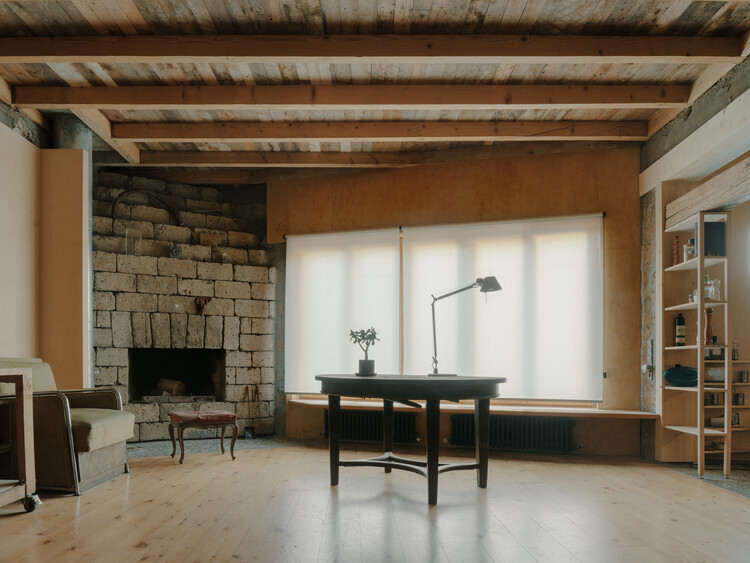
Architects: David Brodsky + Alexander Brodsky
- Area: 309 m²
- Year: 2025


Two weeks and over 85,000 nominations later, the finalists of this year's Building of the Year Awards are in. The selection is much like the ArchDaily audience that chose it: diverse in geography, generous in ideas, and precise in intent. With projects from 46 countries, in a variety of typologies and scales, they present a beautiful snapshot of the current architectural moment.
We invite you to sit back, browse, and vote for your ultimate favorites. Below, you will find all of the 75 finalists in their respective categories. Voting is open until February 18th at 18:00 EST. Thank you—your participation is key to making this the world's largest community-driven architecture award.


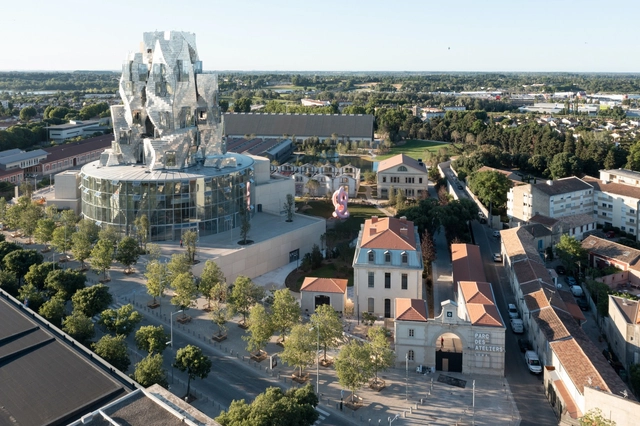
This week's news reflects architecture's simultaneous engagement with cultural reflection, professional legacy, and the material realities of building cities. The passing of Frank Gehry prompted a broader reassessment of late 20th- and early 21st-century architectural practice, while Shigeru Ban's selection as the recipient of the 2026 AIA Gold Medal brought renewed attention to socially driven design and the profession's public responsibilities. These milestones unfolded alongside wider conversations sparked by Human Rights Day, examining architecture's role in equity, housing access, and safety worldwide, and forward-looking discussions setting the architectural agenda for 2026 through major international events and cultural programs. At the scale of the built environment, these themes are echoed in three projects shaping future urban conditions: Powerhouse Company's transformation of a former limestone quarry into a mixed-use neighbourhood in Bærum, near Oslo; the groundbreaking of Riverside Wharf, a hospitality-led development contributing to the regeneration of Miami's River District; and Foster + Partners' approved retrofit of 1 St James's Square in London, focused on structural retention and long-term urban resilience.

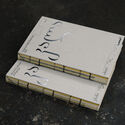
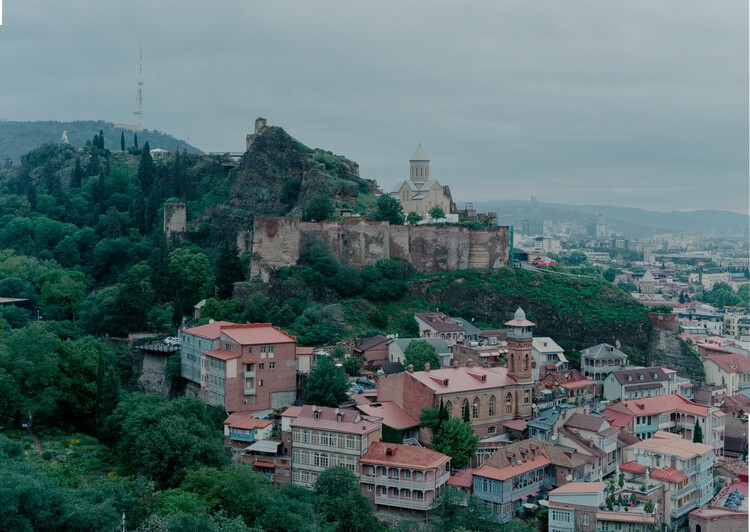
Ubani — Tbilisi Cityscape Research Center has released "Kala," the first publication in its new Guide to Tbilisi Districts series, offering an in-depth look at one of the Georgian capital's oldest urban areas. As a non-profit organization dedicated to researching and promoting Tbilisi's architectural heritage and landscape, Ubani develops public programs, exhibitions, workshops, and events aimed at making the city's built environment more widely understood. This inaugural guidebook continues that broader mission, situating Kala within the long-term evolution of Tbilisi's urban fabric.
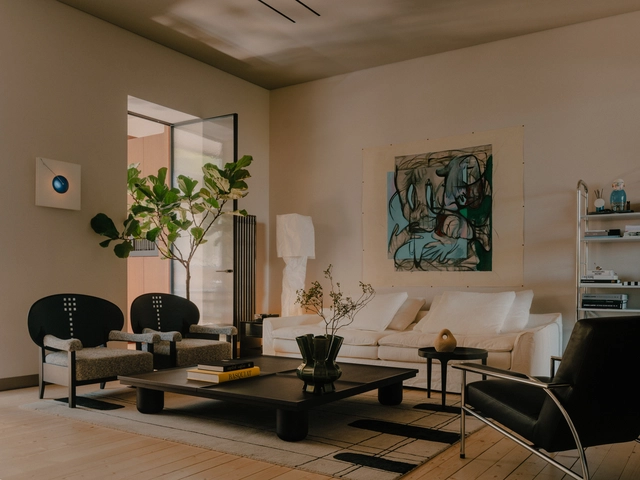
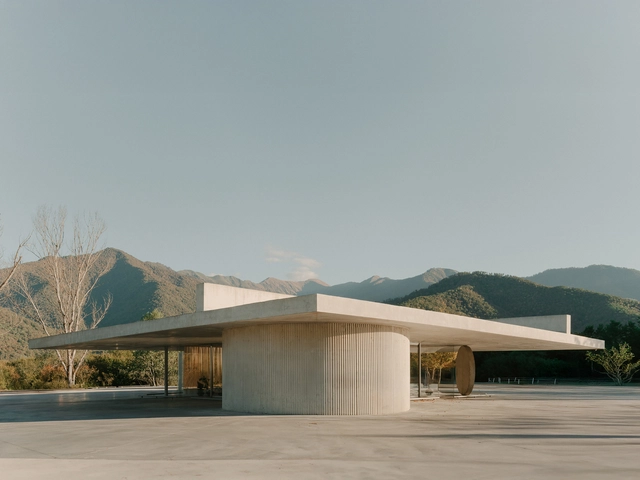


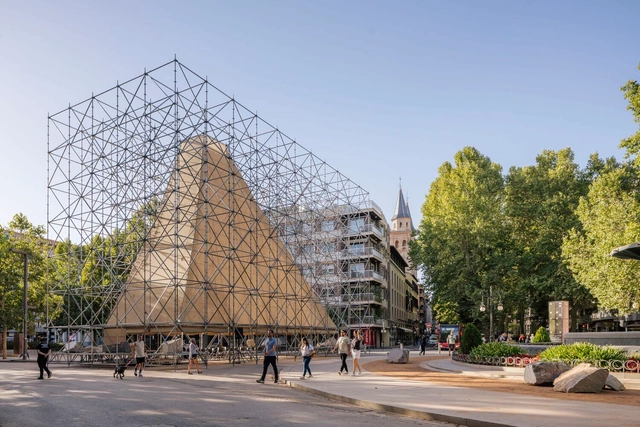
What if we imagined buildings as living systems, designed for assembly and disassembly with minimal impact? A form of open, modular, and adaptable architecture designed to evolve with its surroundings, responding to seasonal changes and on-demand needs instead of remaining static. At first glance, the idea seems paradoxical, as many buildings were constructed to last, designed to endure, resist the effects of time, and avoid demolition. Because of this, reversing or undoing could be seen as a setback. But what if that way of thinking no longer fits every scenario?
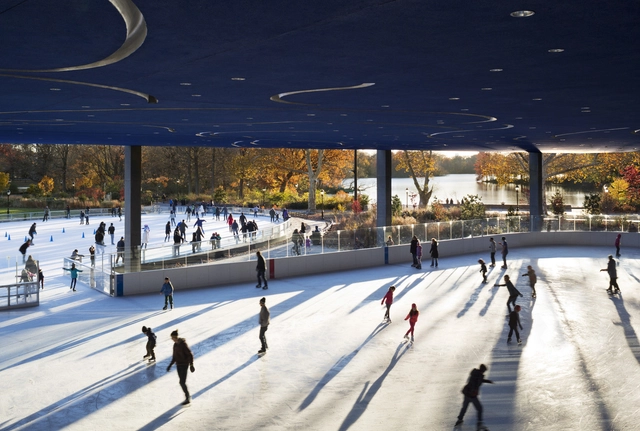
Skating and ice rinks combine temperature, atmosphere and structure together. Between sports and leisure, these spaces are designed around experience and time as some of the most interactive public spaces. As an architecture of recreation and play, skating centers also host a variety of sports. Today, the architecture of skating encompasses a range of programs and formal approaches that define some of the most iconic and social activities.