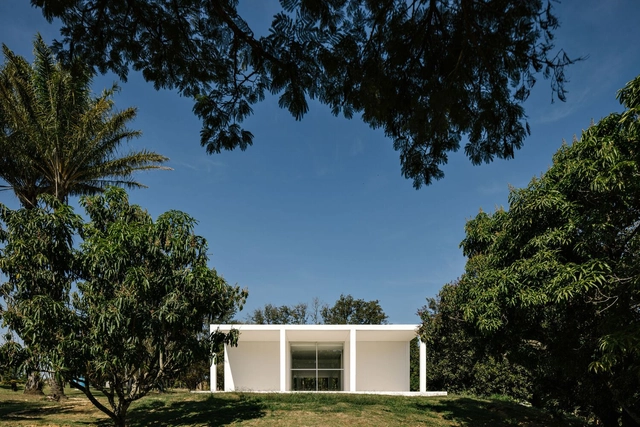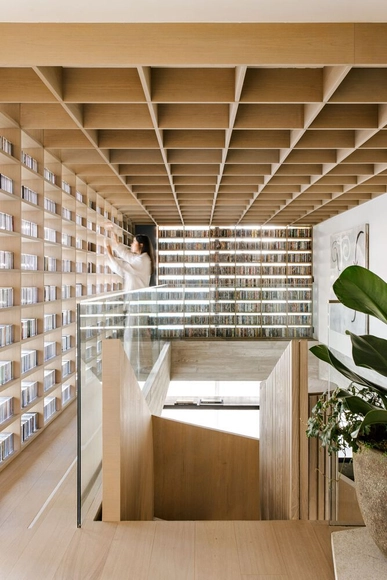


-
Architects: Flipê Arquitetura, Nati Minas & Studio
- Area: 420 m²
- Year: 2022
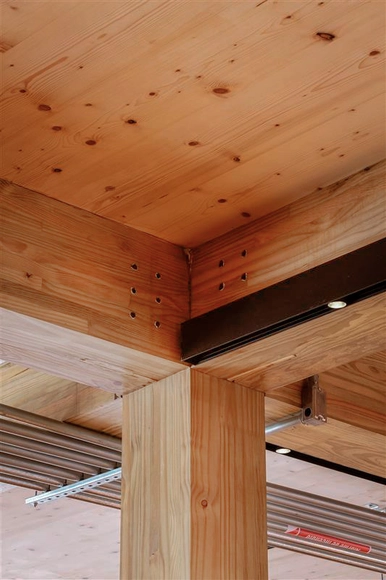
Mass timber is an innovative construction solution that is gaining prominence worldwide due to its sustainability and technological benefits. In 2020, the opening of the first Dengo concept store, located in São Paulo, marked the debut of the brand's first interactive factory and the pioneering use of CLT (Cross Laminated Timber) in a high-rise building in Brazil. Developed by architecture firm Matheus Farah and Manoel Maia, the project faced several challenges precisely because of its use of this new technology, which was just beginning to emerge in the construction sector.
The choice of CLT as the project's main building material reflects a commitment to sustainability and to reducing its environmental impact, as it helps mitigate carbon in the atmosphere. In addition, its use allows for cleaner, lighter, and faster construction compared to traditional building methods. However, it is important to keep in mind that mass timber construction requires special care in the handling, storage, and assembly of materials, in order to preserve their integrity and aesthetic details throughout the construction process. Using the right methods is therefore essential to guarantee a high-quality result, which include practices such as not leaving the wood exposed to weather or using wedges to prevent the wood from coming into contact with the ground.
ArchDaily's curation team strives daily to present our readers with the most significant, inspiring, and innovative projects, expanding the knowledge and repertoire of students and architects worldwide. From small renovations to projects designed from scratch, residential architecture is a constant in the daily practice of most firms. Year after year, we see the deep interest this typology sparks: it remains the most popular category among our audience.
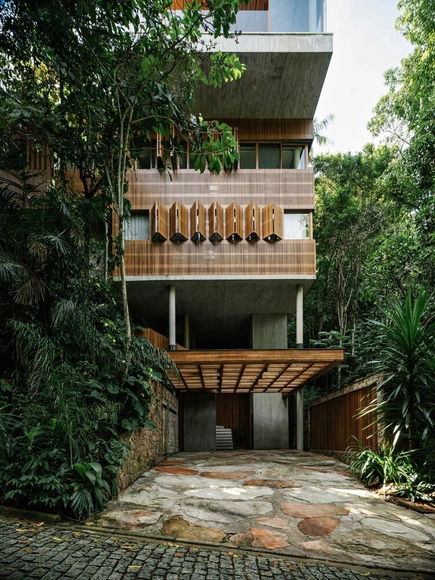
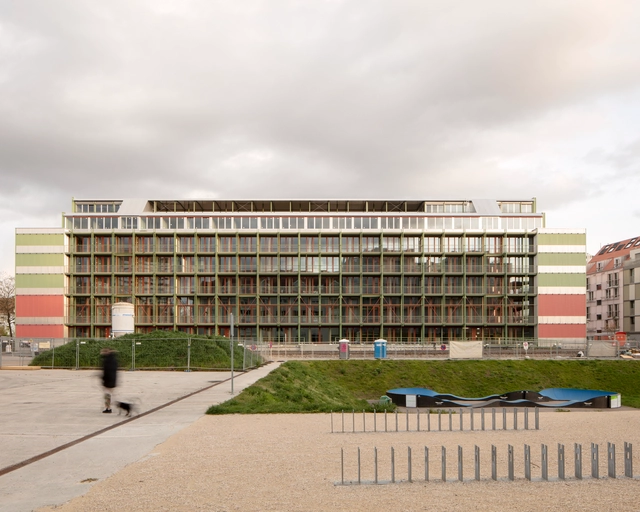
The ArchDaily projects library is managed by our curators who constantly seek to populate our stream with the most interesting global works, showcasing evolving focuses and criteria. While we usually share our reader’s top 100 favorites, this year, we also decided to initiate our editor’s picks on the ArchDaily Instagram account, where our curators highlight some projects that include interesting themes and unique traits.
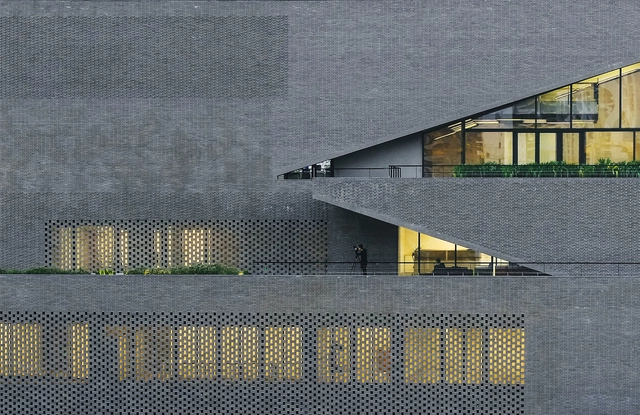
Pink Floyd's song “Another brick in the wall” criticizes an alienating and demotivating educational system. People, or children, are portrayed as bricks due to their homogeneity, whether in the way of living or thinking in a society that is not very fond of opposition. Bricks work very well in this comparison, having changed very little throughout history and around the world in their rectangular shapes. But that's not true of their colors. Although we tend to think of red when we talk about bricks, there are infinite possibilities of shades, depending on the composition and manufacturing process of the pieces.
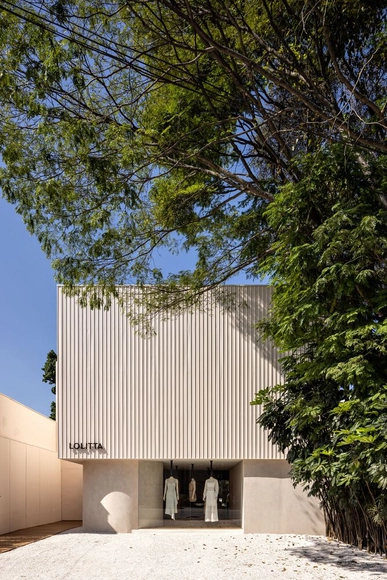
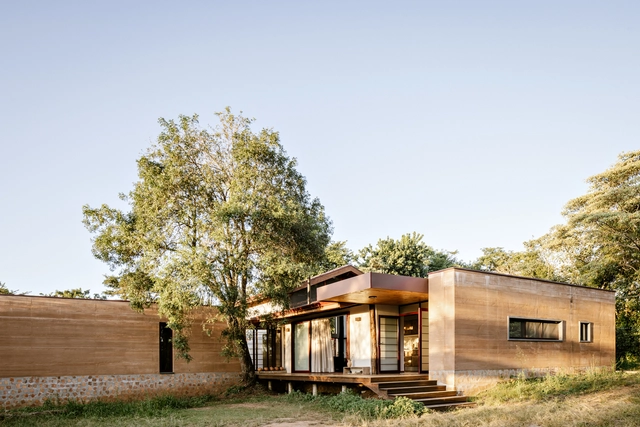
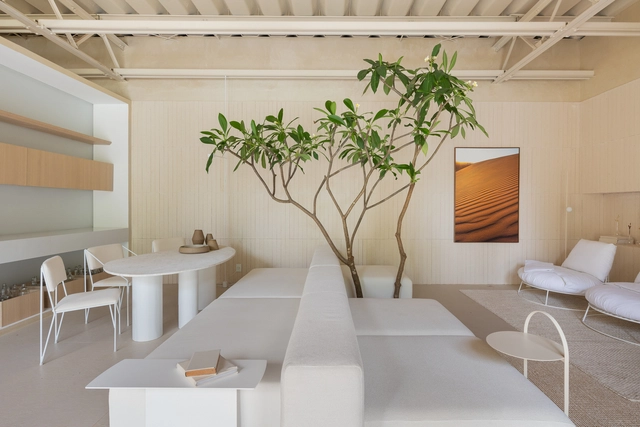
The history of 'neutral colors' is a fascinating journey through the evolution of human aesthetics and design sensibilities. Closely related to the makeup of materials organically found in nature, the color chorus of whites, grays, and earthy brown tones has played a pivotal role in artistic expression, fashion, interior design, and architecture for millenia. From the understated hues of early clay, straw, wood, or brick architectural structures to the now prevalent contemporary interior style, neutral colors have transcended cultural boundaries and continue to hold a special place in our visual landscape – offering a sophisticated elegance and versatility that has stood the test of time.
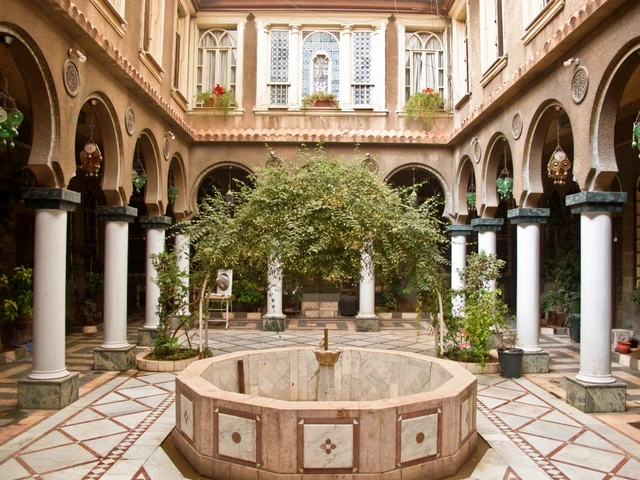
We have seen in recent residential projects the need for bringing the outdoors inside, whether it's through green walls, biophilic designs, or interior courtyards, especially in countries with dry and hot climates. When it comes to countries of the Arab world, creating these outdoor-inspired inner spaces is a lot more than just bringing in some sunlight and fresh air, it is an architectural expression of a rich culture that transcended generations and inspired nations beyond their borders. In this article, we will explore how cultural and social norms influenced the creation of traditional courtyard houses in Arabian countries and how their unique architectural features were reimagined in modern contexts.




_(14783070935).jpg?1628520318&format=webp&width=230&height=230&crop=true)
.jpg?1628520094&format=webp&width=230&height=230&crop=true)