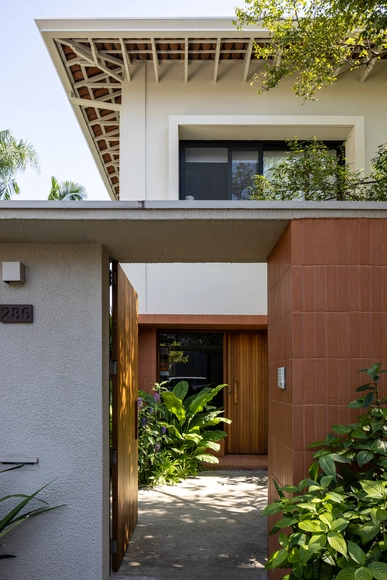
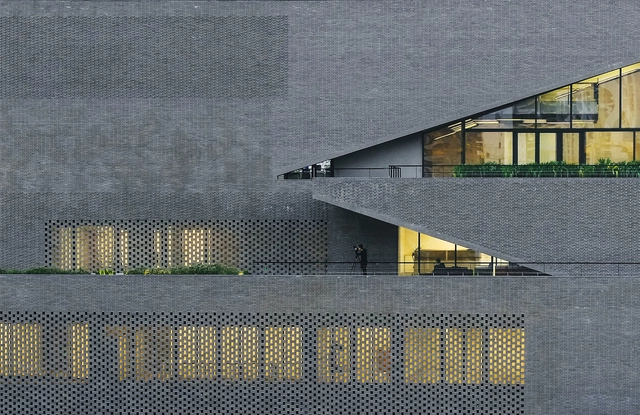
Pink Floyd's song “Another brick in the wall” criticizes an alienating and demotivating educational system. People, or children, are portrayed as bricks due to their homogeneity, whether in the way of living or thinking in a society that is not very fond of opposition. Bricks work very well in this comparison, having changed very little throughout history and around the world in their rectangular shapes. But that's not true of their colors. Although we tend to think of red when we talk about bricks, there are infinite possibilities of shades, depending on the composition and manufacturing process of the pieces.
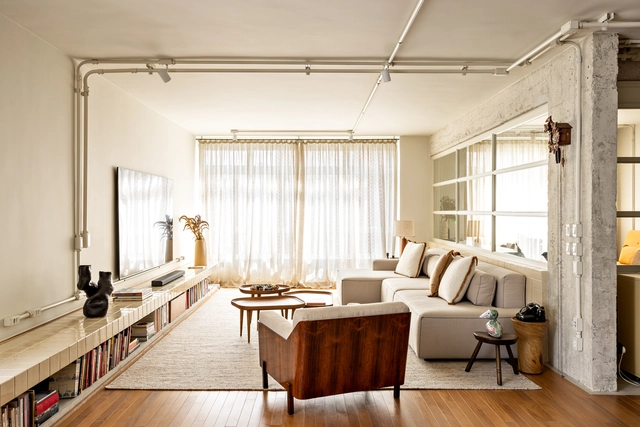
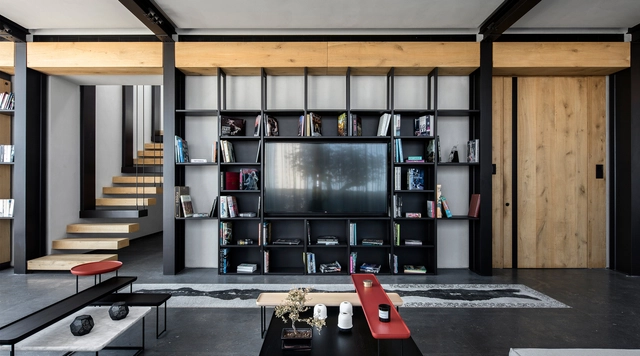
There are a series of multiple factors to take into account when deciding where to place a TV, including —but not limited to— the dimensions of both the furniture and the TV, image resolution, height, design, and so on.
In this article, we share some recommendations to achieve the comfort and well-being of the users avoiding possible problems of visual fatigue or unfortunate body postures.
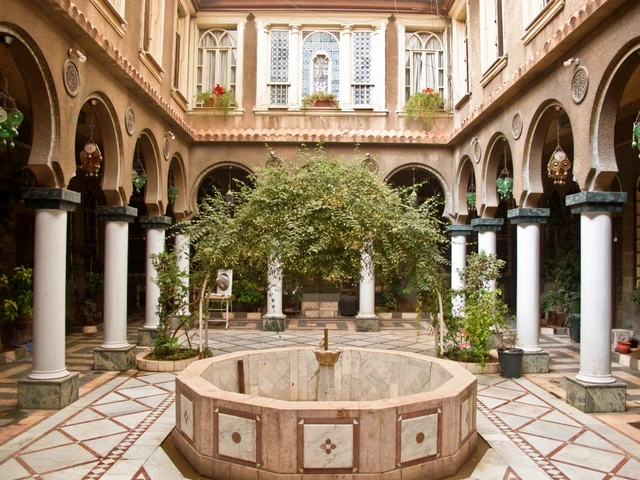
Beit Rumman Hotel, Damascus. Image via Tumblr Account syrian-courtyard
We have seen in recent residential projects the need for bringing the outdoors inside, whether it's through green walls, biophilic designs, or interior courtyards, especially in countries with dry and hot climates. When it comes to countries of the Arab world, creating these outdoor-inspired inner spaces is a lot more than just bringing in some sunlight and fresh air, it is an architectural expression of a rich culture that transcended generations and inspired nations beyond their borders. In this article, we will explore how cultural and social norms influenced the creation of traditional courtyard houses in Arabian countries and how their unique architectural features were reimagined in modern contexts.
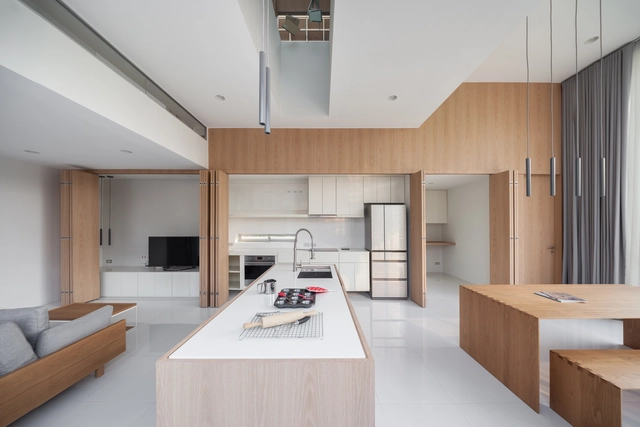
While the kitchen is a ubiquitous part of almost every home—and, in many cases, is considered symbolic of domestic living entirely—it can also take up precious space, produce visual clutter, and detract from the minimalist aesthetic of an otherwise sleek, modern home. For some homeowners, the solution is simply to keep the kitchen clean and organized at all times. But for some innovative contemporary architects and their clients, the solution is to design a compact, concealable kitchen that can quickly and easily be shuttered out of view. Below, we discuss several examples of hidden kitchens, as well as some common techniques and strategies for designing them.
Manufacturers: Atlas Concorde, Botteh Tapetes, Brastemp, Camicado, Casa que Tem, +23Deca, D’ouro Antigo, Galeria Bolsa de Arte, Jf Móveis, Labluz, Lepri Revestimentos Cerâmicos, Lightsource, Marcenaria Baraúna, Omni Marcenaria, Projetores cênicos, STA Rochas, Samsung, Srta. Galante, Suvinil, Tamtum, Tramontina, Uniflex, WG Design, Wentz Design, Westwing, Zara Home, Zissou, reka iluminacao-23








_(14783070935).jpg?1628520318&format=webp&width=230&height=230&crop=true)
.jpg?1628520094&format=webp&width=230&height=230&crop=true)