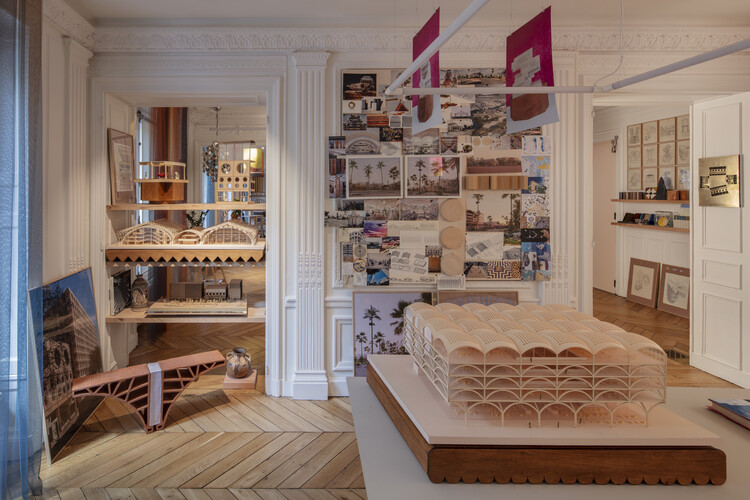
French-Moroccan architects and twin sisters Salwa and Selma Mikoü have developed a practice that brings together architecture, engineering, craftsmanship, and cultural memory. Founders of the Paris-based Mikoü Architecture, the sisters draw on their different approaches to design as well as their experience growing up between Morocco and France. In a recent interview with Louisiana Channel, they discuss the influence of Moroccan architecture on their work, their collaborative process, and their interest in bringing contemporary construction technologies into dialogue with craft traditions.
“Living with Contrasts Is Something Very Meaningful:” Salwa and Selma Mikoü on Architecture and Craft in Louisiana Channel Interview


https://www.archdaily.com/1184803/living-with-contrasts-is-something-very-meaningful-salwa-and-selma-mikou-on-architecture-and-craft-in-louisiana-channel-interviewReyyan Dogan
Building a National Image: Architecture, Capital, and Political Power

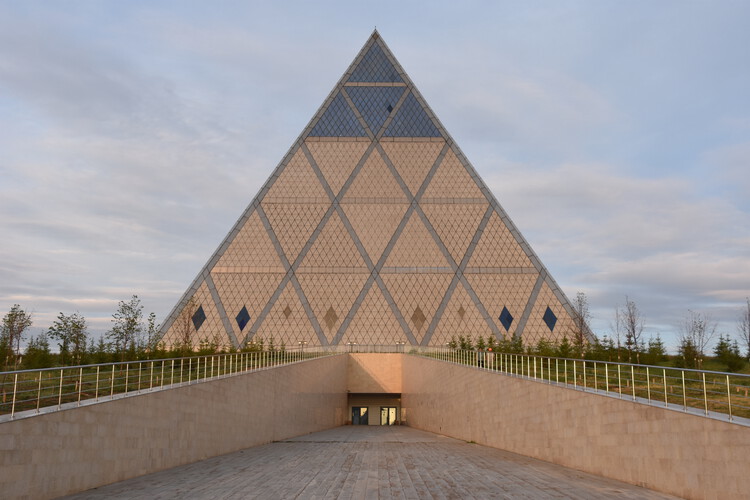
The Pyramid of Tirana opened as a museum to Enver Hoxha in October 1988, three years after his death and three years before the regime collapsed. In the decades that followed, it served as a radio station, a conference venue, a nightclub, and a base for NATO during the Kosovo war. In 2023, MVRDV reopened it as a park and technology school, adding steps to the façades so that the building could be walked over. The inauguration was timed to the Western Balkans Summit on 16 October, a date that some critics pointed out was Hoxha's birthday. Two projects of national self-definition, thirty-five years apart and built on opposite political premises, have used the same structure.


https://www.archdaily.com/1182463/building-a-national-image-architecture-capital-and-political-powerDiogo Borges Ferreira
Beyond the Canopy: Six Architectural Strategies for Urban Shade

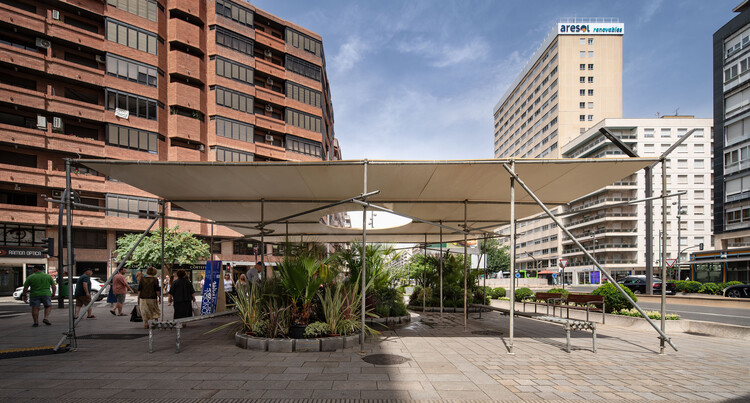
As cities around the world brace for extreme temperatures and waves of unrelenting heat, urban greening is one of the best solutions for leaders to combat this reality. The benefits of planting trees for physical health, mental well-being, and thermal relief are well documented, and a mature canopy can transform a space by several degrees on a hot day. Trees cool the air through evapotranspiration, filter pollutants and absorb stormwater, and enhance biodiversity in urban spaces.


https://www.archdaily.com/1042931/beyond-the-canopy-six-architectural-strategies-for-urban-shadeOlivia Poston
Bread & Heart Festival 2026 Gathers International Architects in Tirana to Explore Albania's "Landscapes of Abundance"

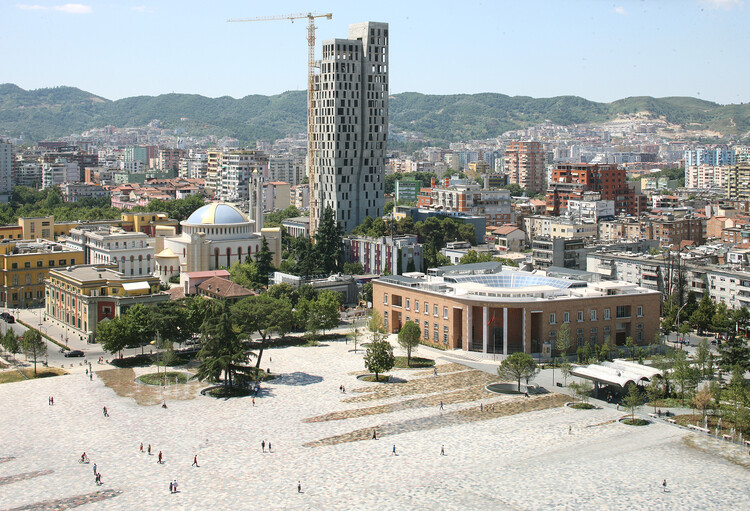
The second edition of The Bread & Heart Festival will be held in Tirana, Albania, from June 3 to 5, 2026. The annual event is organised by The Bread & Heart Foundation and co-curated with the NEWROPE Chair of Architecture and Urban Transformation at ETH Zürich. The Foundation's objective is to offer an open platform for dialogue on architecture, landscape, and development in Albania, a country undergoing rapid transformation and becoming one of the most active urban environments in Southeast Europe. The purpose of the event is to connect international figures from the architectural community, such as Francis Kéré, Jeanne Gang, Ma Yansong, and Sumayya Vally, with local practitioners, institutions, and a broader audience. As in 2025, the festival will take place at 51N4E's Book Building on Skanderbeg Square, bringing together participants under the theme "Landscapes of Abundance."


https://www.archdaily.com/1042142/bread-and-heart-festival-2026-gathers-international-architects-in-tirana-to-explore-albanias-landscapes-of-abundanceAntonia Piñeiro
Tirana Architecture City Guide: Negotiating Identity Between Socialism and Urban Reinvention

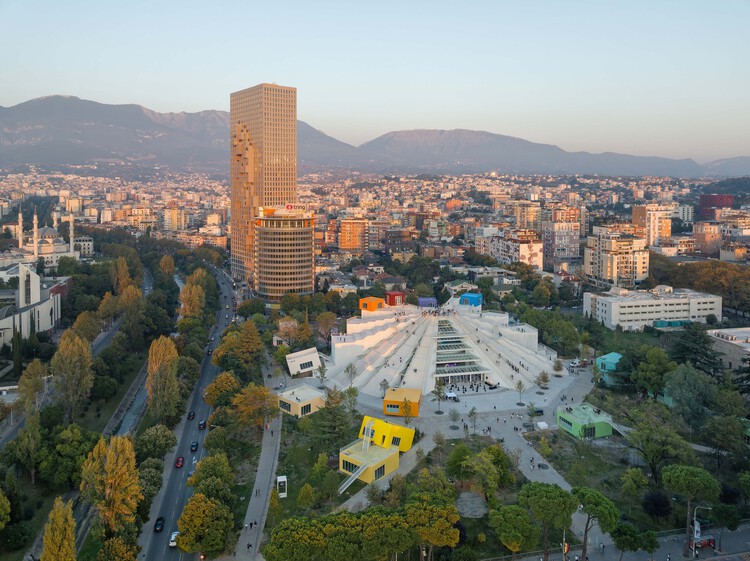
Located at the intersection of Adriatic landscapes and Balkan geopolitics, Tirana has undergone one of the most accelerated urban transformations in Europe over the last three decades. Once defined by rigid socialist planning and political isolation, the city has progressively reoriented itself through a combination of informal growth, international investment, and strategic urban interventions that seek to redefine its public image and spatial structure.
Since the early 2000s, a series of urban policies, most notably those initiated during the mayoral tenure of Edi Rama (now Albania prime minister), have promoted the use of color, public space, and architectural experimentation as tools for civic reactivation. Rather than relying solely on masterplans, Tirana's development has operated through interventions, where individual buildings and public spaces act as catalysts within a fragmented urban fabric.


https://www.archdaily.com/1040584/tirana-architecture-city-guide-negotiating-identity-between-socialism-and-urban-reinventionDiogo Borges Ferreira
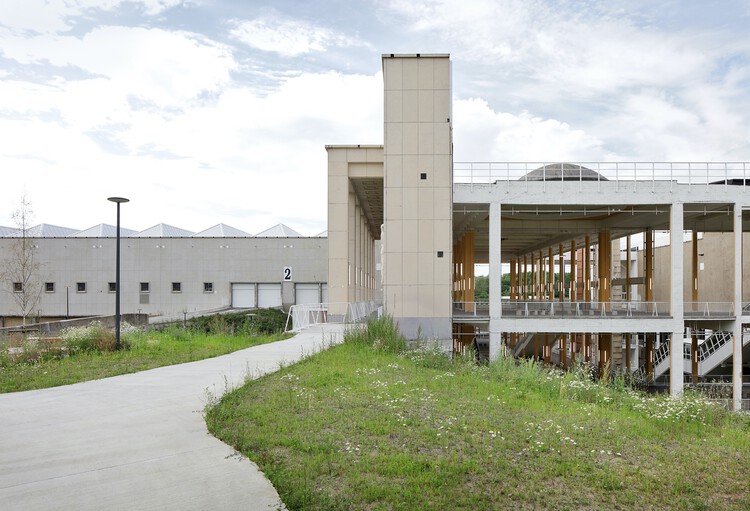
Charleroi Palais des Expositions / AgwA + architecten jan de vylder inge vinck


-
Architects: AgwA, architecten jan de vylder inge vinck
- Year: 2026
https://www.archdaily.com/1041635/charleroi-palais-des-expositions-agwa-plus-architecten-jan-de-vylder-inge-vinckValeria Silva
A New Centre Pompidou in Seoul and the UN House of No Waste (HØW) Competition Winners: This Week’s Review

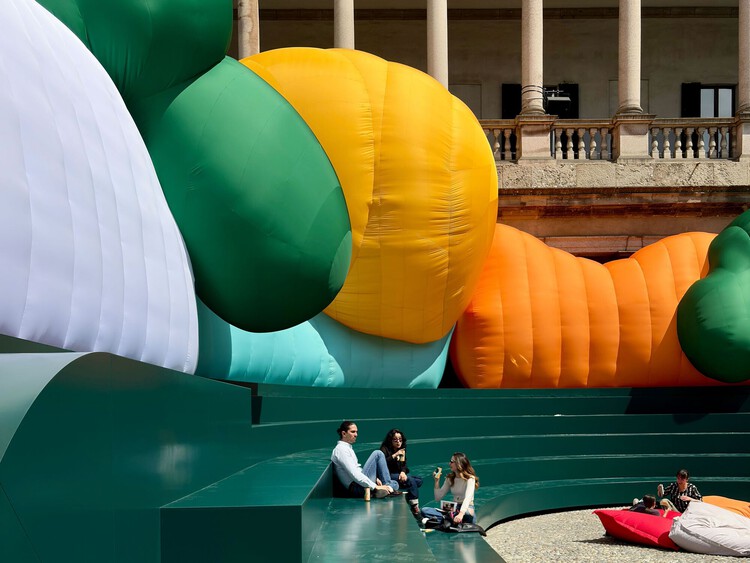
Observed annually on April 22, International Mother Earth Day frames this week's architectural discourse through an urgent call to rethink the relationship between the built environment and natural systems, foregrounding themes such as urban rewilding, the restoration of aquatic ecosystems, and the integration of ancestral knowledge into contemporary design practices. On another note, the opening of Salone del Mobile.Milano 2026 and Milan Design Week 2026 seek to reinforce the global relevance of design as a platform for exchange and experimentation, activating the city of Milan through a network of exhibitions and installations that engage both industry and public audiences. Among the announcements of award-winning architectural projects this week, the United Nations' House of No Waste (HØW) Competition highlights emerging architectural responses to climate and resource challenges. The awarded projects demonstrate scalable strategies for reducing material waste and embodied carbon while promoting adaptable, socially responsive, and resource-conscious public infrastructure.


https://www.archdaily.com/1040886/a-new-centre-pompidou-in-seoul-and-the-un-house-of-no-waste-how-competition-winners-this-weeks-reviewAntonia Piñeiro
Off the Mainland: Floating Architecture Projects Redefining the Built Environment

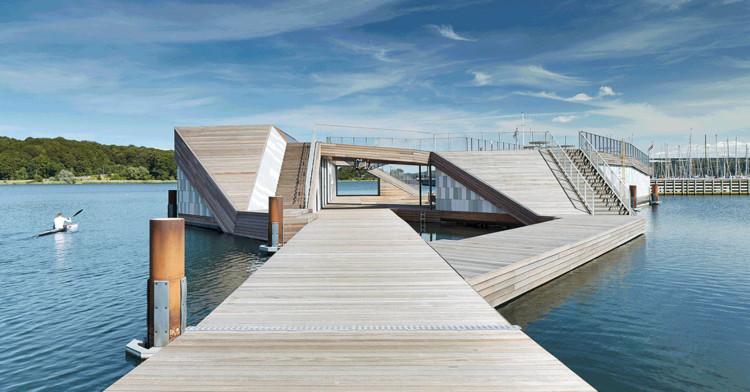
Building above water means doing away with a part of construction that is quite literally the basis of most of our built environment: the foundation. In a world dominated by water, currents, and shifting levels are variables that simply cannot be ignored, which is why the most emblematic feature these projects share is their adaptability.
Instead of robust, deep bases – such as piles or caissons – designed to anchor architecture into the earth, floating structures frequently employ solutions like concrete pontoons or plastic drums to prevent the building from sinking. These are typically paired with anchoring systems to "fix" the structures, even if only temporarily, to a specific location.


https://www.archdaily.com/884450/15-of-the-best-and-most-ambitious-floating-architecture-projectsSusanna Moreira & Victor Delaqua
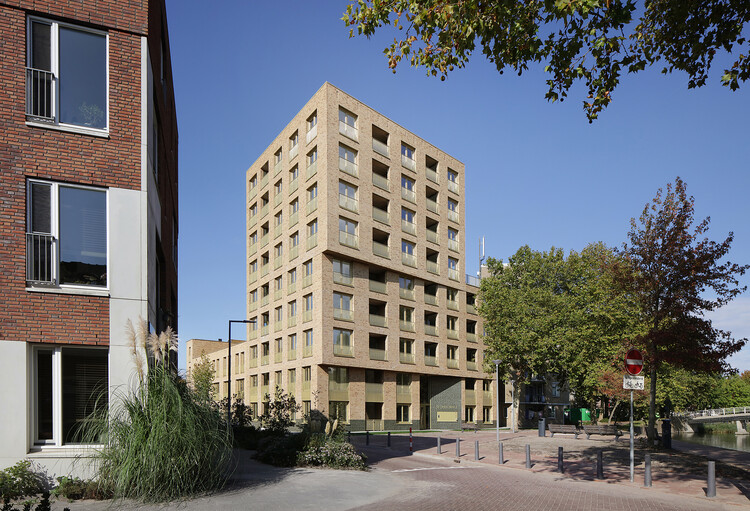
De Hartenrust Residential Building / van Bergen Kolpa architects


-
Architects: van Bergen Kolpa architects
- Area: 4160 m²
- Year: 2025
-
Manufacturers: Wienerberger, OPTIGREEN
https://www.archdaily.com/1039751/de-hartenrust-residential-building-van-bergen-kolpa-architectsHadir Al Koshta
Mobility Justice: Urban Equity in an Era of Innovation

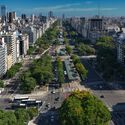
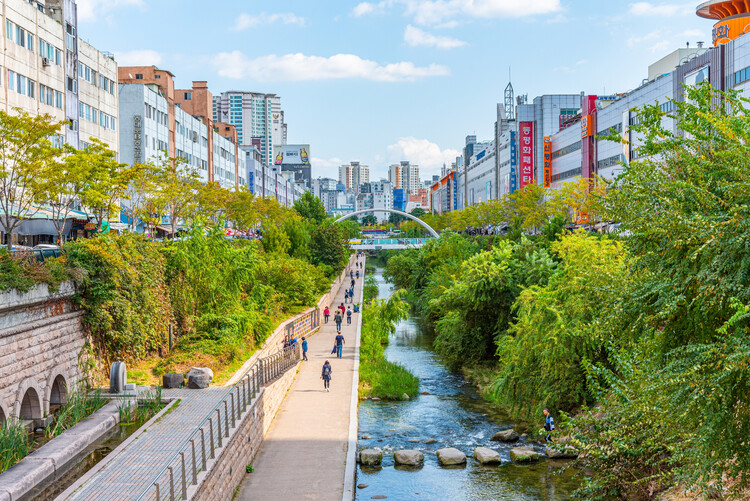
Every city contains two transportation systems. One is the visible network of roads, rail lines, sidewalks, and bus routes mapped in planning documents. The other is the invisible geography of privilege and exclusion embedded within it: the neighborhoods that received highways instead of parks, the communities whose bus routes were cut, the sidewalks that abruptly end at the edge of a district. For many years, built-environment professionals have treated infrastructure as a technical challenge. Mobility justice insists it is, fundamentally, a political one.
https://www.archdaily.com/1039450/mobility-justice-urban-equity-in-an-era-of-innovationOlivia Poston
Seven Finalists Announced for the 2026 EU Mies Awards for Contemporary European Architecture

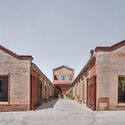
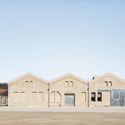
The European Commission and the Fundació Mies van der Rohe have announced the seven finalist projects for the 2026 European Union Prize for Contemporary Architecture - Mies van der Rohe Awards, supported by the European Union's Creative Europe programme. The selection follows the announcement of 410 nominated works in November and a shortlist of 40 projects revealed in early January. Of the seven finalists, five have been selected in the Architecture category and two in the Emerging category. According to the jury chaired by Smiljan Radić, the finalist projects are exemplary contributions to the future of European architecture, demonstrating how the discipline can respond simultaneously to specific local conditions and broader social, cultural, and environmental challenges. The selected works range from interventions in former industrial sites, small villages, and peripheral urban areas to carefully calibrated projects within larger cities. Across these varied contexts, the projects show how architecture can transform overlooked or ordinary settings into inclusive, high-quality spaces for living, learning, and social exchange.
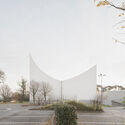
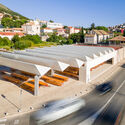
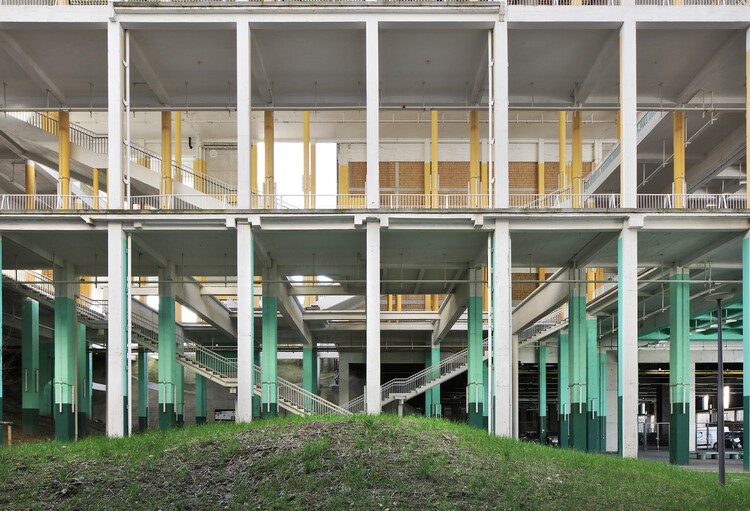
https://www.archdaily.com/1038491/seven-finalists-announced-for-the-2026-eu-mies-awards-for-contemporary-european-architectureAntonia Piñeiro
Brussels Dual Residence / Atelier Tom Vanhee


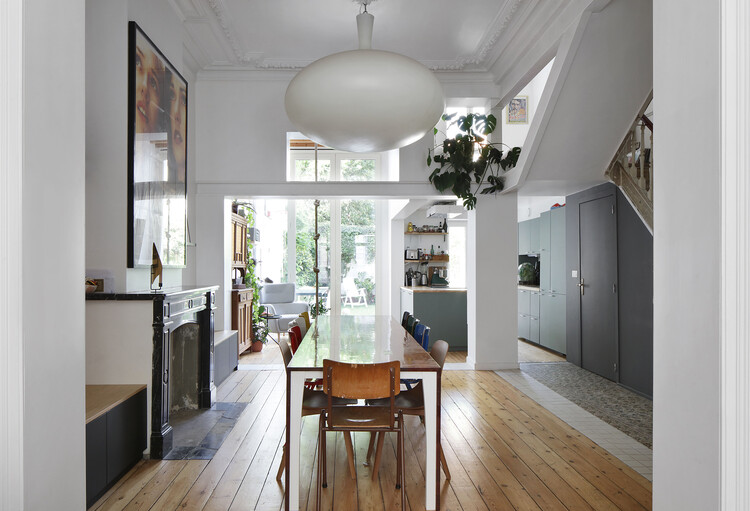
-
Architects: Atelier Tom Vanhee
- Area: 347 m²
- Year: 2024
https://www.archdaily.com/1037492/brussels-dual-residence-atelier-tom-vanheeHadir Al Koshta
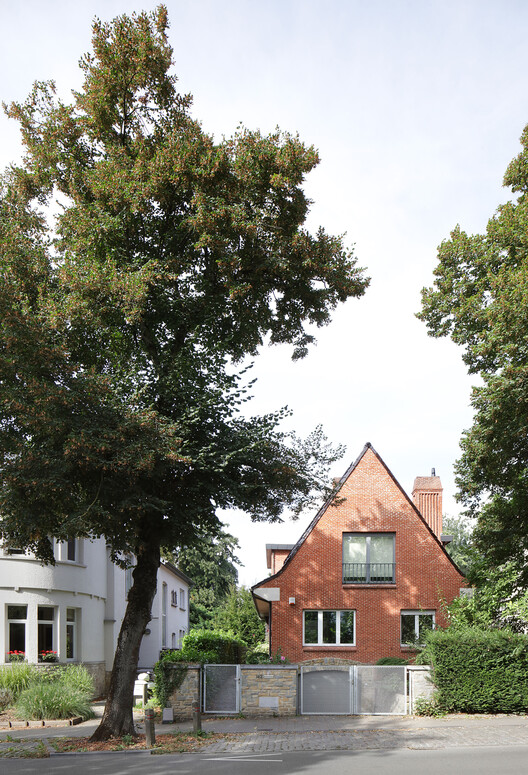
Meandering Furniture Villa Renovation / Atelier Tom Vanhee


-
Architects: Atelier Tom Vanhee
- Area: 383 m²
- Year: 2024
-
Manufacturers: Duravit, Forbo Flooring Systems, Schluter, Smeg, Delta Light, +6
https://www.archdaily.com/1037491/meandering-furniture-villa-renovation-atelier-tom-vanheeHadir Al Koshta
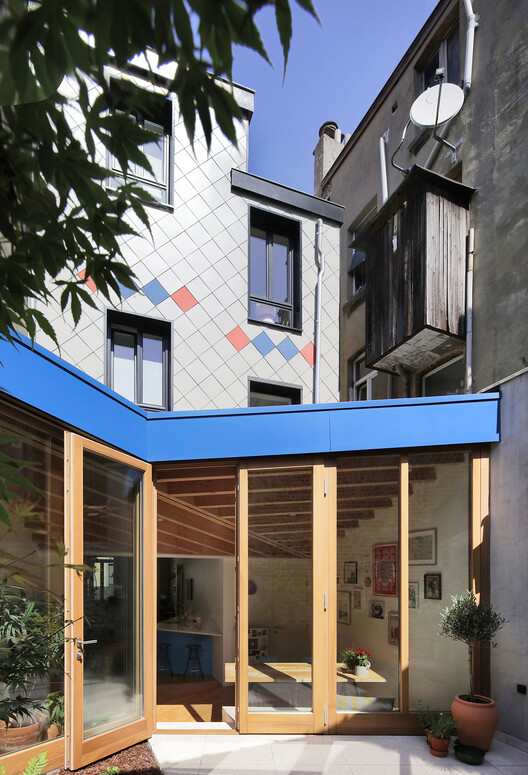
Butterfly Townhouse / Atelier Tom Vanhee


-
Architects: Atelier Tom Vanhee
- Area: 227 m²
- Year: 2024
https://www.archdaily.com/1037493/butterfly-townhouse-atelier-tom-vanheeHadir Al Koshta
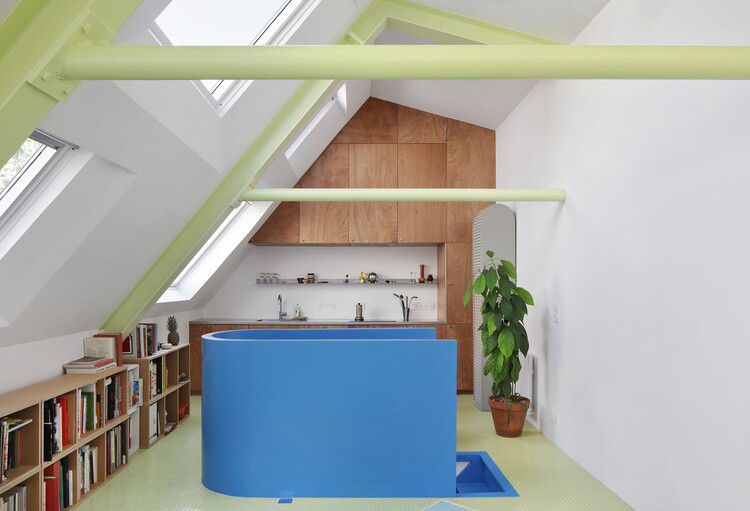
Elevation of a Family House in Bagnolet / 127af


-
Architects: 127af
- Area: 55 m²
- Year: 2025
-
Manufacturers: Eternit, Knauf
-
Professionals: Structura Lab
https://www.archdaily.com/1037221/elevation-of-a-family-house-in-bagnolet-127afHadir Al Koshta
World Architecture Day 2025: How We Design for Strength in an Age of Crisis
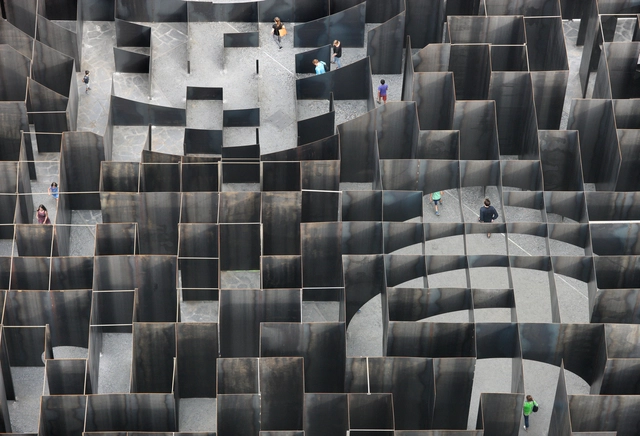
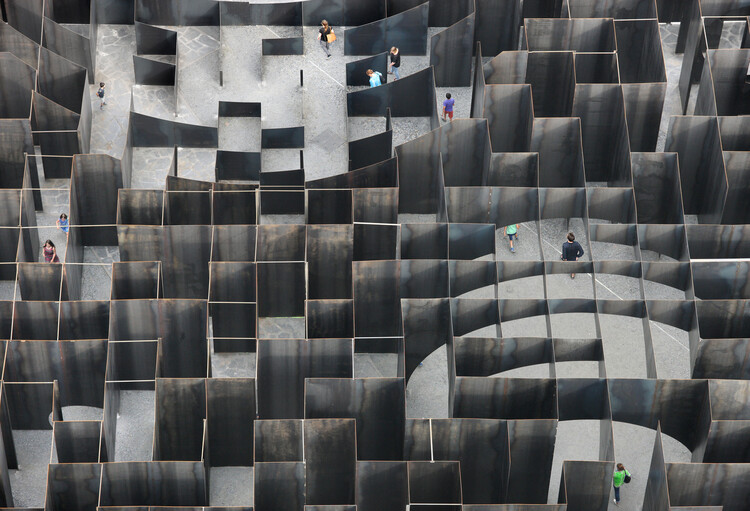
Today, on the first Monday of October, we celebrate World Architecture Day. This year, the International Union of Architects (UIA) has set the theme "Design for Strength," a powerful call to action that resonates deeply with the UN's focus on urban crisis response. In a world facing unprecedented environmental and social disruptions, this theme challenges us to move beyond temporary fixes. It asks: How can our buildings and cities not only withstand shocks but also foster equity, continuity, and resilience?
While the concept of strength in architecture can easily evoke images of reinforced concrete and steel, a more profound interpretation is emerging, one that defines strength not as mere rigidity, but as a holistic capacity to endure and adapt. This includes many facets, from ecological resilience and stewardship to long-lasting concepts of social resilience or the long-lasting conservation of existing urban structures, all contributing to a built environment more able to respond to the multitude of crises faced by cities worldwide.


https://www.archdaily.com/1034781/world-architecture-day-2025-how-we-design-for-strength-in-an-age-of-crisisMaria-Cristina Florian
Sustainable Heating: Explore 4 Projects Featuring Trombe Walls that Enhance Thermal Efficiency
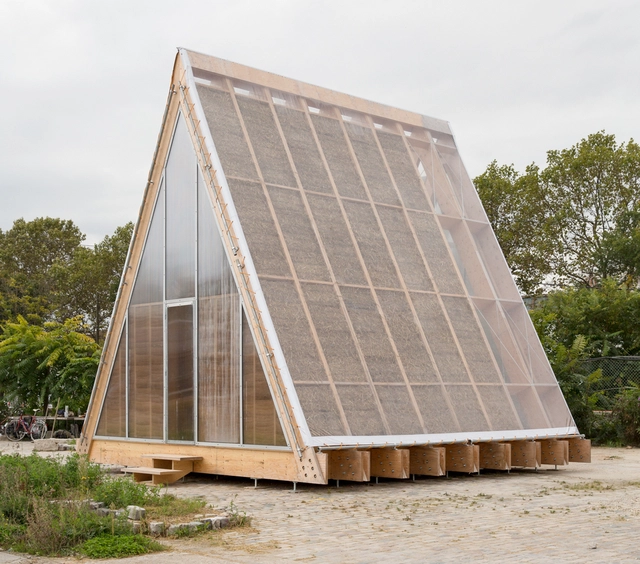
A Trombe wall is a passive solar building feature that enhances thermal efficiency. Positioned on the sun-facing side of a structure, it consists of a wall made from materials like brick, stone, or concrete, and a glass panel or polycarbonate sheet placed a few centimeters in front of it. Solar radiation penetrates the glass during daylight hours and heats the masonry wall. This wall then slowly releases the stored heat into the building during the cooler nighttime hours, maintaining a more consistent indoor temperature without the need for active heating systems.


https://www.archdaily.com/1017459/sustainable-heating-projects-featuring-trombe-wallsClara Ott
Designing for Plants: The Architecture of Greenhouses and Their Relationship with the Environment
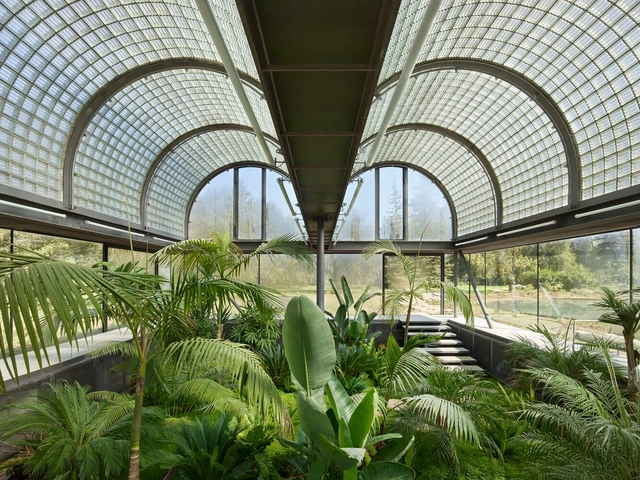
When delving into the envelope of construction and examining how the interior relates to the exterior, the concept of greenhouses emerges as an opportunity to cultivate life indoors, whether dependent on external factors or not. Defined as spaces enclosed by glass or other transparent plastic materials, greenhouses facilitate the growth of vegetables and ornamental plants even during periods of adverse external weather conditions. However, what does designing for plants involve? Climate, species, structural design, and the type of covering are just a few of the considerations to take into account.
https://www.archdaily.com/1014234/designing-for-plants-the-architecture-of-greenhouses-and-their-relationship-with-the-environmentAgustina Iñiguez