.jpg?1464333072&format=webp&width=640&height=580)
.jpg?1404886336&format=webp&width=230&height=230&crop=true)
.jpg?1404886838&format=webp&width=230&height=230&crop=true)
.jpg?1404886511&format=webp&width=230&height=230&crop=true)
.jpg?1404886485&format=webp&width=230&height=230&crop=true)
.jpg?1464333072)
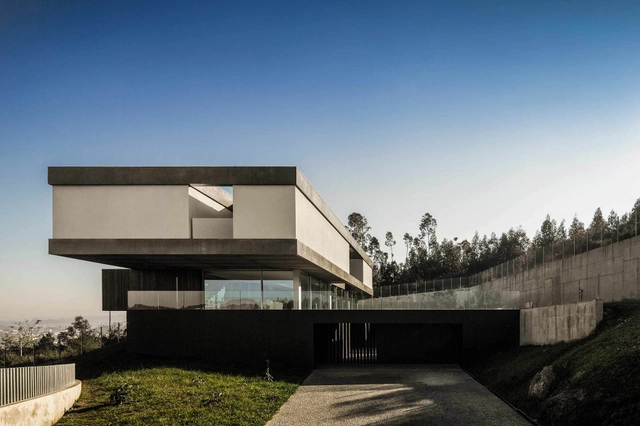
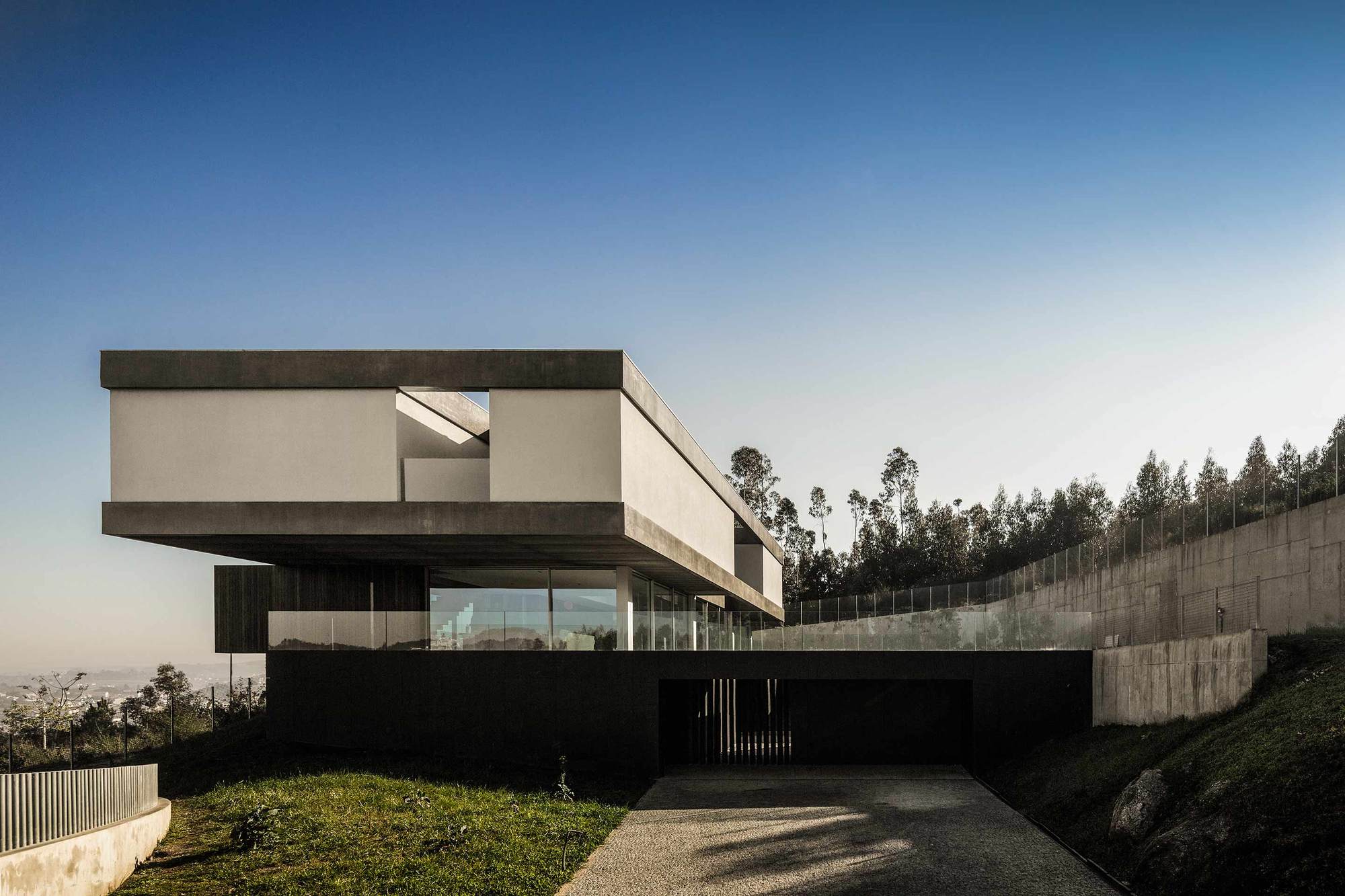
- Area: 2500 m²
- Year: 2012
-
Manufacturers: Indusparquet, Conde Móveis Especiais, Dix metal, Formica, Hydronorth, +2
-
Professionals: Valor





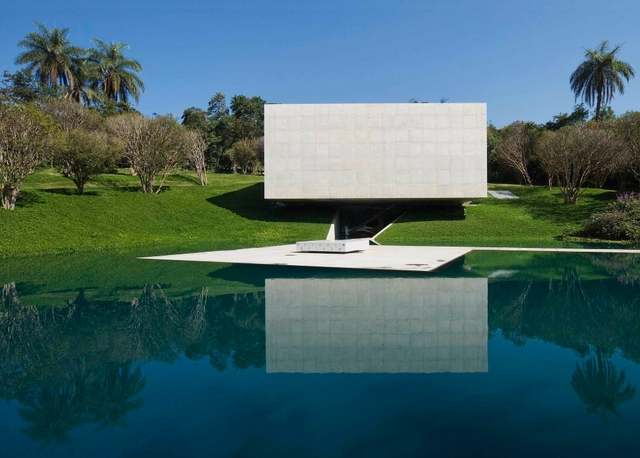
World Cup coverage has brought Brazil to the forefront of the public’s attention. While the country’s hasty construction of 12 massive stadiums has received criticism, this article from Christopher Hawthorne at the LA Times reveals that Brazil is, now more than ever, a hotbed of architectural progress. In light of this, we’ve compiled some of our favorite works from this year’s World Cup host country, including: Tacoa Arquitetos’ Adriana Varejão Gallery, JPGN House by Macedo, Gomes & Sobreira, a welcome center by Rocco, Vidal + arquitetos, and Um House by Terra e Tuma Arquitetos Associados. Also included is the 360° Building by Isay Weinfeld, Galeria House by MACh Arquitetos, Ipes House by Studio MK27 – Marcio Kogan + Lair Reis, a night club by Muti Randolph + Marcelo Pontes + Zemel + Chalabi Arquitetos, and NITSCHE ARQUITETOS’ Bernard Luis housing condominium. Enjoy!


ArchDaily is pleased to announce our partnership with the European Union Prize for Contemporary Architecture - Mies van der Rohe Award. The following is an essay from Constructing Europe by Pedro Gadanho, member of the 2013 Prize jury.
When one wants to consider the future of any form of activity, one is tempted to extrapolate trends from current conditions. One translates signs from the present onto the shape of things to come. The conditions of a given moment, however, may be too circumstantial, and one should be particularly aware of their transient nature. This is the dilemma one obviously faces when considering ‘the future of European architecture’.
At the time the European Union Prize for Contemporary Architecture - Mies van der Rohe Award commemorates its 25th anniversary, the European project from which this Prize emanates – and to which it owes its symbolic meaning and promoting purpose – is itself at a crossroads.
In between austerity measures, the South and North divide, growing unemployment, a feeling of impoverishment and insecurity, and the apparent unsustainability of the Welfare State model, which had given the region prosperity after World War II, Europe itself seems to be facing a pivotal, if transient moment.
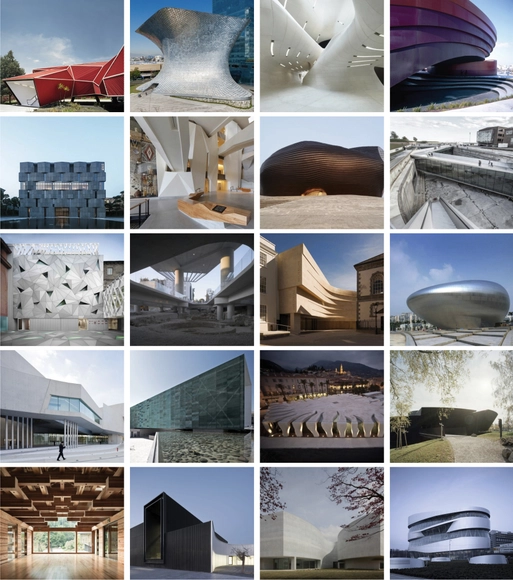
In honor of International Museum Day we’ve collected twenty fascinating museums well worth visiting again. In this round up you’ll find classics - such as Bernard Tschumi Architects' New Acropolis Museum and Zaha Hadid Architects' MAXXI Museum - as well as lesser-known gems - such as Waterford City Council Architects’ Medieval Museum, the Natural History Museum of Utah by Ennead, and the Muritzeum by Wingårdhs. See all of our editors' favorites after the break!
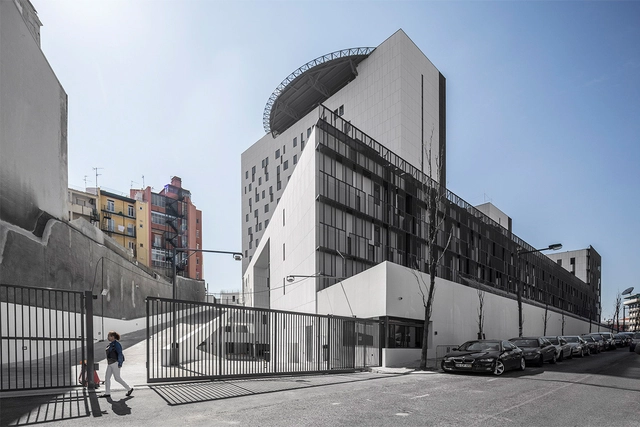

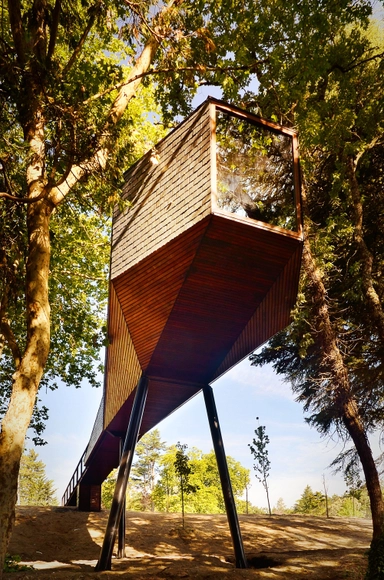
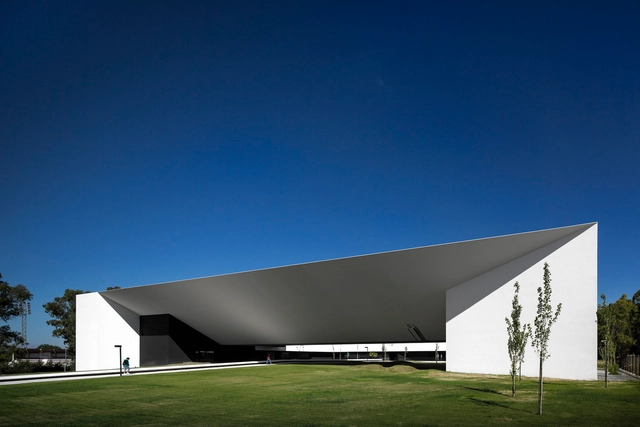
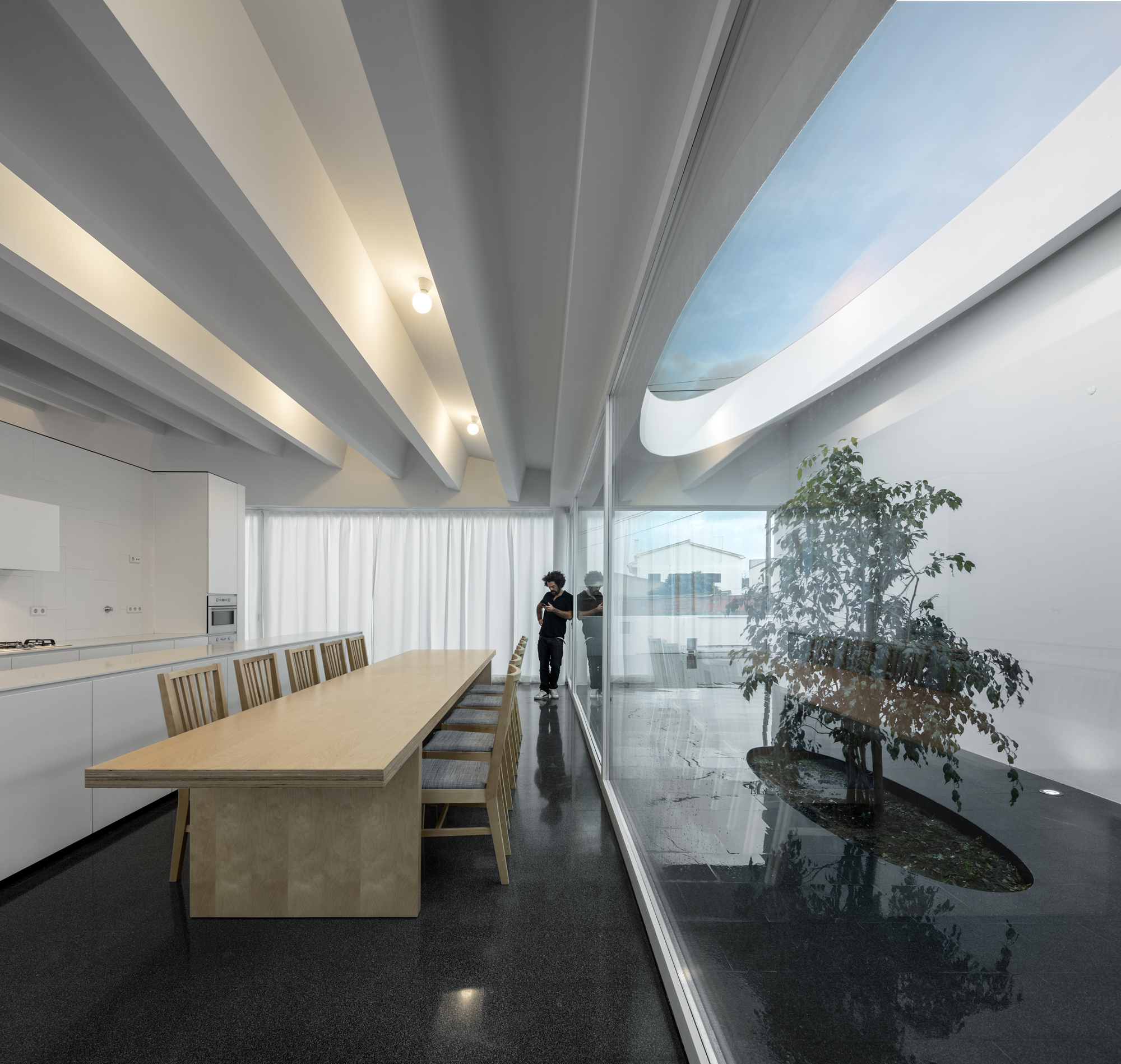
This Financial Times article describes the Post-Recession paradigm shift occurring in Portuguese architecture -- from construction to landscape, large to small. Pritzker Prize winners Alvaro Siza and Eduardo Souto de Moura have been leading this "micro" trend, designing hotels with exceptional materiality and craft. We've decided to round up some of these extraordinary structures, including: Casa Na Areia and Cabanas no Rio by Aires Mateus, Jorge Sousa Santos’ Rio do Prado, the Ecork Hotel by Jose Carlos Cruz and Villa Extramuros by Jordi Fornells. Last but not least, is ArchDaily’s building of the year for hospitality architecture -- the Tree Snake Houses from father Luís Rebelo de Andrade and son Tiago Rebelo de Andrade.


.jpg?1397071471&format=webp&width=640&height=580)
.jpg?1397069040&format=webp&width=640&height=580)


.jpg?1400029690&format=webp&width=230&height=230&crop=true)
.jpg?1400029670&format=webp&width=230&height=230&crop=true)
.jpg?1400029658&format=webp&width=230&height=230&crop=true)


.jpg?1397071439&format=webp&width=230&height=230&crop=true)
.jpg?1397071715&format=webp&width=230&height=230&crop=true)
.jpg?1397071590&format=webp&width=230&height=230&crop=true)
.jpg?1397071568&format=webp&width=230&height=230&crop=true)
.jpg?1397071471)
.jpg?1397069128&format=webp&width=230&height=230&crop=true)
.jpg?1397069041&format=webp&width=230&height=230&crop=true)
.jpg?1397068964&format=webp&width=230&height=230&crop=true)
.jpg?1397068859&format=webp&width=230&height=230&crop=true)
.jpg?1397069040)