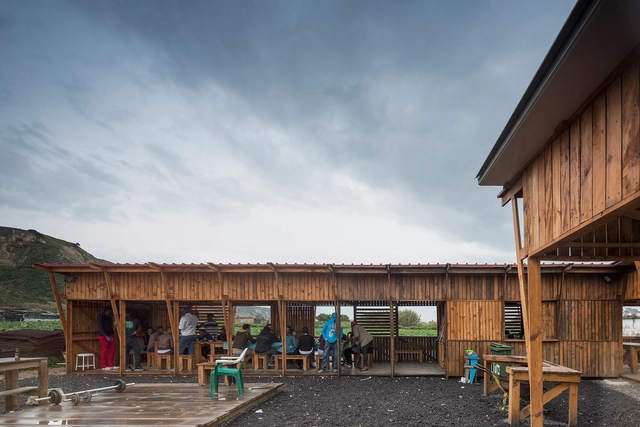
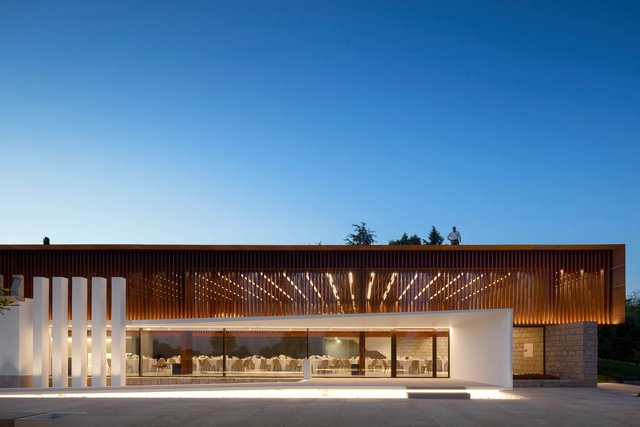
Last week, ArchDaily unveiled the 14 winners of this year’s Building of the Year award. Selected by ArchDaily readers from a pool of over 3,000 candidates, these 14 projects represent the best designs published by ArchDaily in the past year, as determined by an unbiased network of 55,000 voters who took part - each of them a judge in one of the world's most democratic architecture awards.
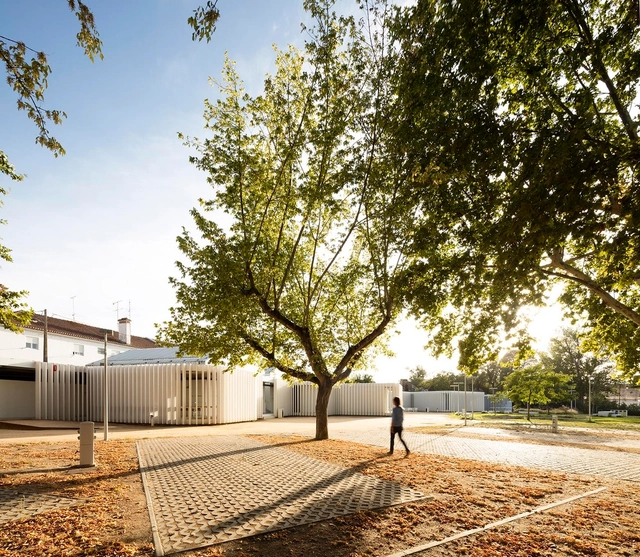
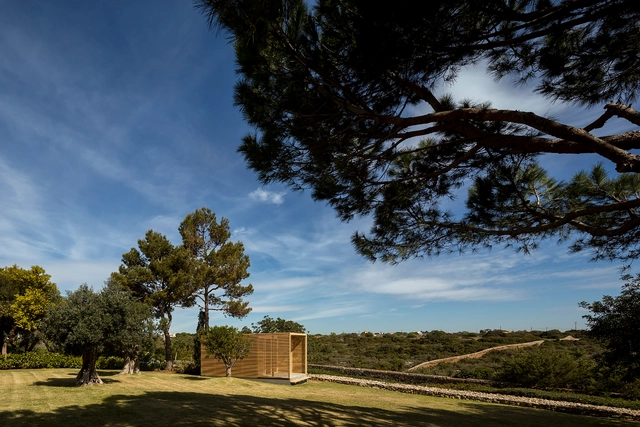
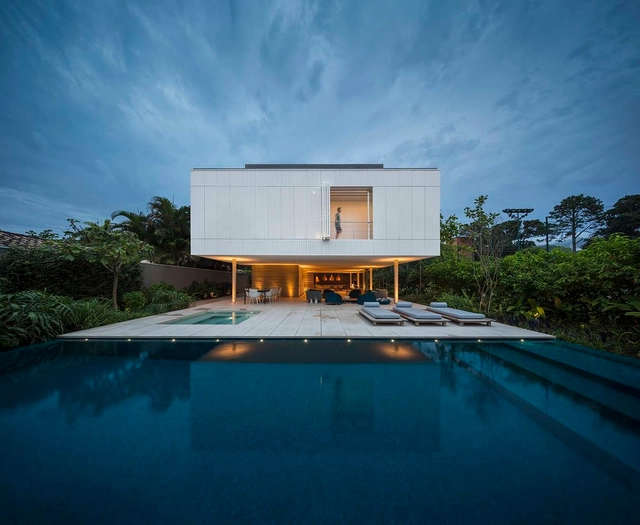
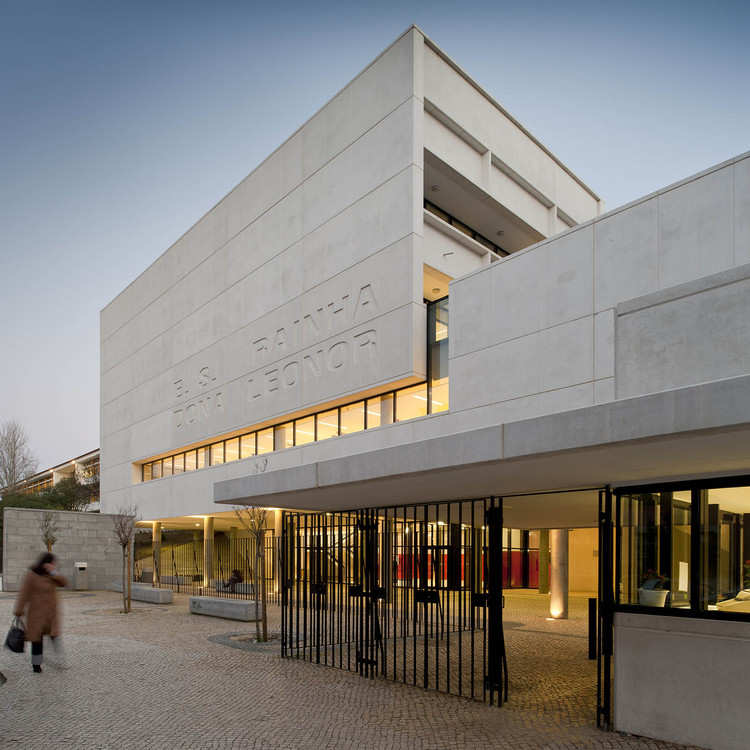
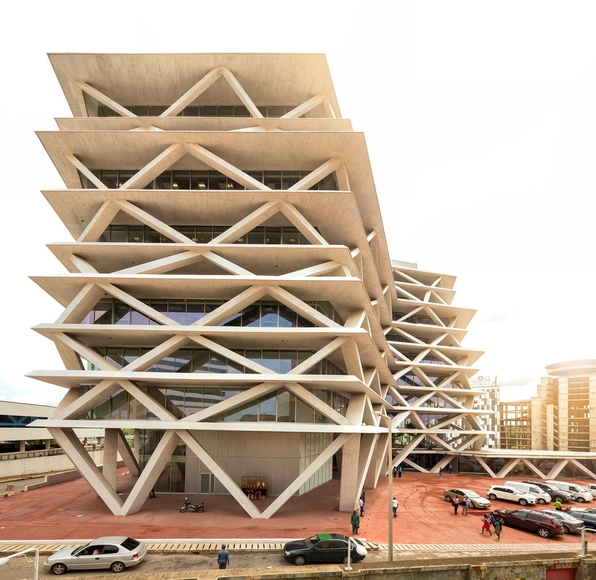
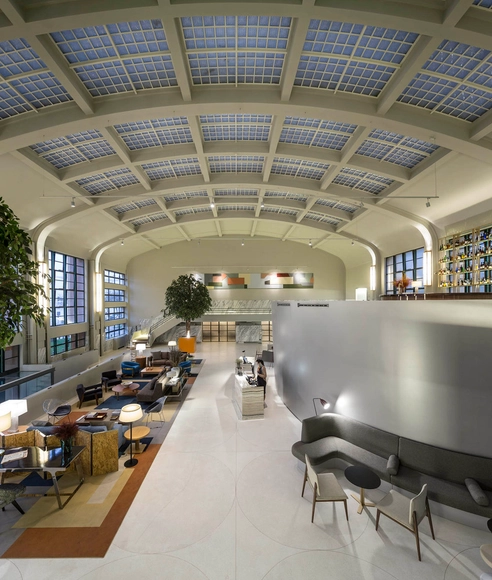
Representing a diverse field of architects, locations and project types, each design has a very different story about how it came into being, how its design responds to its context, how it fits into an architect's oeuvre, or what it says about the direction which architecture is traveling in. But despite the many different types of story represented, each of the stories behind the Building of the Year winners is a fascinating architectural tale. Here are those 14 stories.
To talk about architecture and construction without ever mentioning cost overruns is not an easy thing to do. These kind of unforeseen problems happen in the majority of projects, as the dynamics of architecture and construction are extremely complex and often present challenges that aren't 100% controllable. Over the years, project management consultants have been integrating cost management into their services, making an effort to fill this market gap with a proper solution. Still, most of this work is performed by consultants with a financial background and little knowledge of architecture and construction solutions and processes.
With this increased attention to budgetary issues, the cost performance of projects has been steadily improving, but usually at the expense of the project’s aesthetic concept and final quality. Would it be possible to put architects in control of this kind of management? After all, they’re the ones with the conceptual sensibility and the technical knowledge necessary to perform this work in a truly integrated way.
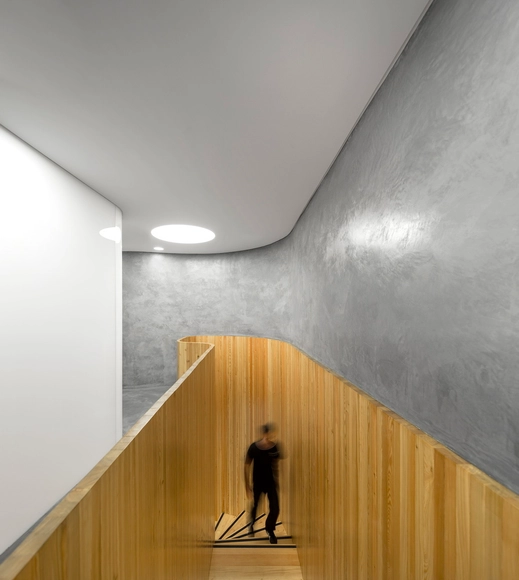
Constructed on the banks of the Tagus River, the first building in Europe by the Brazilian Pritzker Prize winner was surrounded by controversy during its construction, and today surprise visitors from all over, housing the world's largest collection of carriages. In the interview given at his own office, Mendes da Rocha talks about the specificity of the area, his approach to the historical context and memory related to coaches, and his concise adaptations of the extensive program to the complexity of the surroundings.











.jpg?1450409436&format=webp&width=640&height=580)
.jpg?1450407855&format=webp&width=230&height=230&crop=true)
.jpg?1450406630&format=webp&width=230&height=230&crop=true)
.jpg?1450406647&format=webp&width=230&height=230&crop=true)
.jpg?1450408008&format=webp&width=230&height=230&crop=true)
.jpg?1450409436)
_copy.jpg?1450333462&format=webp&width=230&height=230&crop=true)
_copy.jpg?1450333477&format=webp&width=230&height=230&crop=true)
_copy.jpg?1450333794&format=webp&width=230&height=230&crop=true)
_copy.jpg?1450333607&format=webp&width=230&height=230&crop=true)






.jpg?1446160424&format=webp&width=640&height=580)
.jpg?1446160010&format=webp&width=230&height=230&crop=true)
.jpg?1446160348&format=webp&width=230&height=230&crop=true)
.jpg?1446160781&format=webp&width=230&height=230&crop=true)
.jpg?1446160618&format=webp&width=230&height=230&crop=true)
.jpg?1446160424)