.jpg?1464174624&format=webp&width=640&height=580)
.jpg?1464174661&format=webp&width=230&height=230&crop=true)
.jpg?1464174345&format=webp&width=230&height=230&crop=true)
.jpg?1464174641&format=webp&width=230&height=230&crop=true)
.jpg?1464174518&format=webp&width=230&height=230&crop=true)
.jpg?1464174624)
-
Architects: Driss Kettani, Mohamed Amine Siana, Saad El Kabbaj
- Area: 7182 m²
- Year: 2014
-
Professionals: Bepol

On behalf of the entire ArchDaily team, we would like to thank you for your continued support and for making 2020 our best year so far! We are now reaching more architects around the world and inspiring them in the creation of better built environments. With more than 5500 different projects published during the year, our curators are excited to share this collection of the 100 most visited projects of 2020. This selection represents the best content created and shared by the ArchDaily community over the past 11 months.

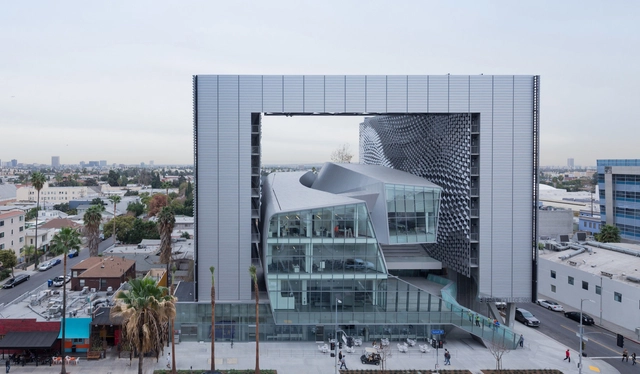
The principal architect of LA firm Morphosis, Thom Mayne (born January 19, 1944) was the recipient of the 2005 Pritzker Prize and the 2013 AIA Gold Medal, and is known for his experimental architectural forms, often applying them to significant institutional buildings such as the New York's Cooper Union building, the Emerson College in Los Angeles and the Caltrans District 7 Headquarters.

Because, for all the inspirational works across the world, we would be lost without the photographers dedicated to sharing this inspiration with us. Here we present to you the most influential architectural photographs of the year.
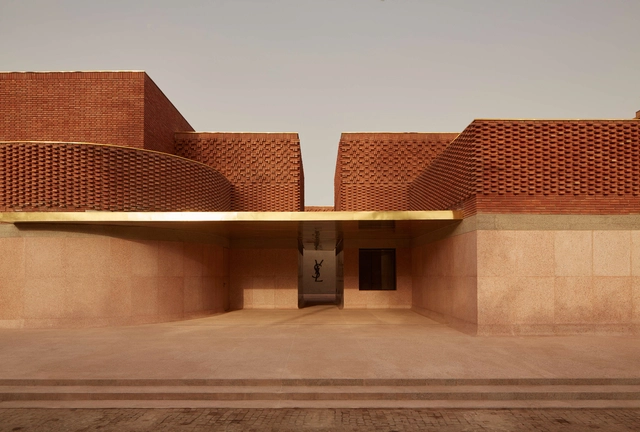
Modern Moroccan architecture is reinterpreting vernacular traditions. Taking its name from the Arabic al-maġhrib, or the “place the sun sets; the west”, the kingdom is a sovereign state home to numerous examples of Islamic design, as well as detailed art and ornamentation found within geometric patterns, friezes and open courtyards.
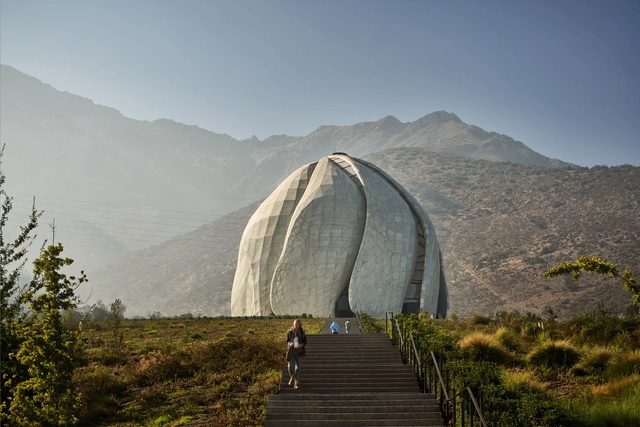
This year, the Bahá’í Temple of South America in Santiago, Chile, designed by Hariri Pontarini Architects of Toronto was selected as the winner of the 2019 RAIC International Prize, by the Royal Architectural Institute of Canada (RAIC). The prize celebrates a “single work of architecture that is judged to be transformative within its societal context and expressive of the humanistic values of justice, respect, equality, and inclusiveness”.

Countries that are part of the so-called “global south” have undergone many transformations in their cities and urban contexts in recent years due to the economic and social challenges they face. Urban growth, sustainable development, quality of life and health in emerging cities, and the development of their own cultural identity have been some of the issues that local architecture had to incorporate.
Young architects have understood the importance of making an architecture that is deeply rooted in their own territory while giving this architecture a clear local identity. By generating new typologies and using their own resources and materials, they have presented innovative, site-specific, and, above all, solutions with a new fresh focus towards what represents them as creators of this architecture.
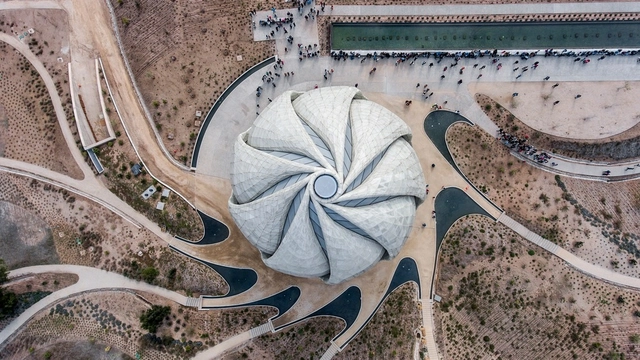
The Baha’i Temple of South America in Santiago, Chile, designed by Hariri Pontarini Architects of Toronto was selected as the winner of the 2019 RAIC International Prize, by the Royal Architectural Institute of Canada (RAIC).
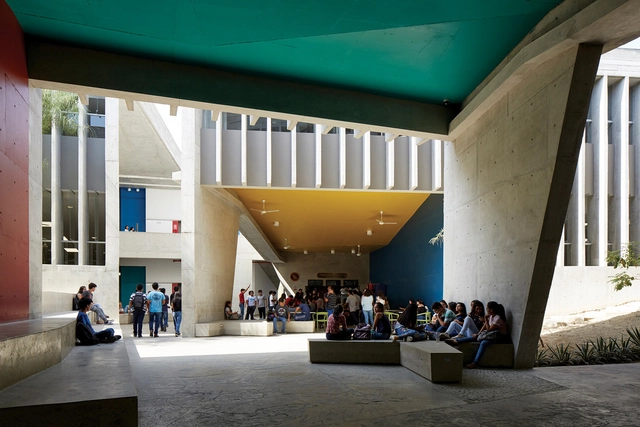
The Royal Architectural Institute of Canada (RAIC) has recently announced the shortlist for the RAIC International Award 2019, highlighting socially-transformative architecture around the world.
In this edition of the award, the jury was composed of Anne Carrier, Stephen Hodder, Barry Johns, Eva Matsuzaki, Diarmuid Nash, Gilles Saucier and David Covo. Analyzing projects from 12 countries and six continents, the jury selected an educational building in Perú, an artist residency and cultural center in Senegal and a spiritual temple in Chile for the shortlist.