
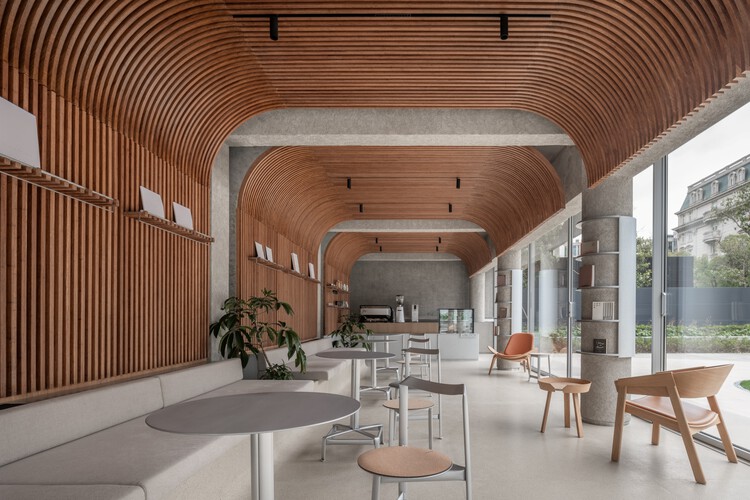
The Nimbus - uBLOCK Healthcare Hospitality Lounge / LUKSTUDIO


https://www.archdaily.com/1186672/the-nimbus-ublock-healthcare-hospitality-lounge-lukstudio韩爽 - HAN Shuang
Refracting Light and Redefining Space: Glass Bricks in Contemporary Interiors
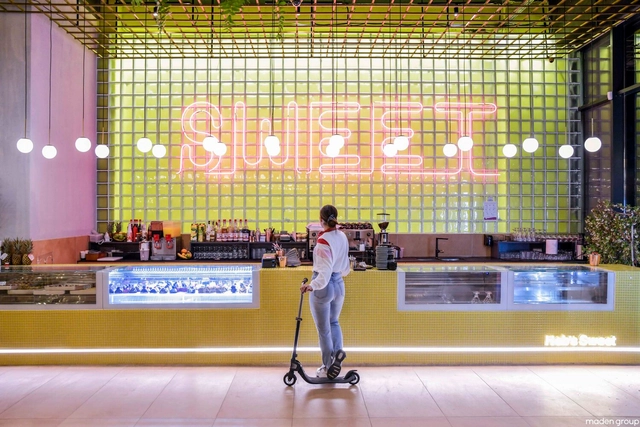
Glass bricks have been widely used in architecture, eventually becoming a staple of the 1980s architectural styles. Some examples of construction with this material could be the classic "Maison de Verre" by Pierre Chareau and Bernard Bijvoet in Paris or the more modern take of Hiroshi Nakamura & NAP with the Optical Glasshouse in Japan. In recent years, glass bricks are becoming increasingly popular, no longer relegated to older aesthetics. Instead, they have evolved into versatile design elements that bring light, texture, and character into contemporary interiors. Their ability to diffuse natural and artificial light while maintaining privacy has reignited interest among designers seeking innovative ways to enhance indoor spaces while taking advantage of natural light.


https://www.archdaily.com/1027058/refracting-light-and-redefining-space-glass-bricks-in-contemporary-interiorsMoises Carrasco
Spaces for Browsing: Balancing Commerce and Community in the Design of Bookstores
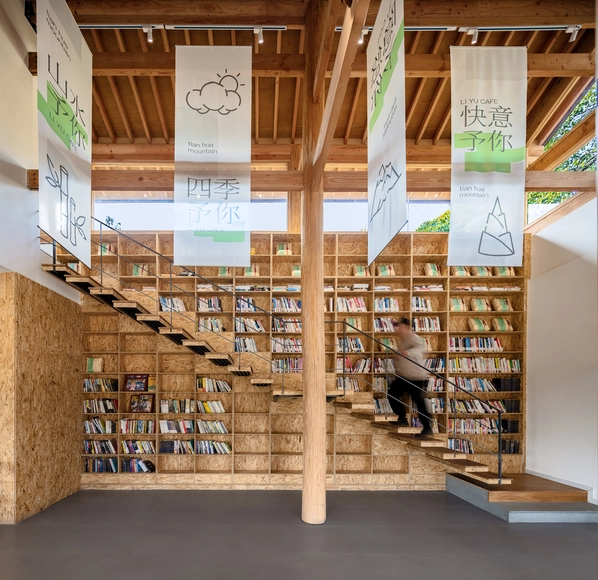
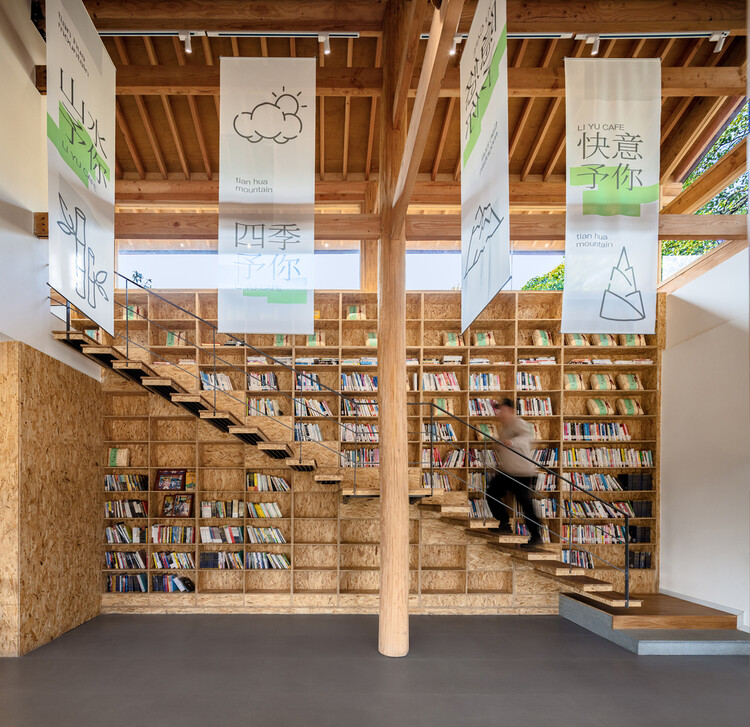
The contemporary bookstore is a paradoxical space. It is commercial, but rarely commercialized; public, but often privately owned; small in scale, but expansive in impact. As adjacent architectural typologies evolve under the pressures of digital consumption, economic precarity, and changing social habits, the bookstore has not dimensioned, but adapted to the twenty first century. It is not a site for private or institutional literary exchange, but a spatial hybrid that accommodates ritual, rest, performance, and socialization.


https://www.archdaily.com/1030728/spaces-for-browsing-balancing-commerce-and-community-in-the-design-of-bookstoresOlivia Poston
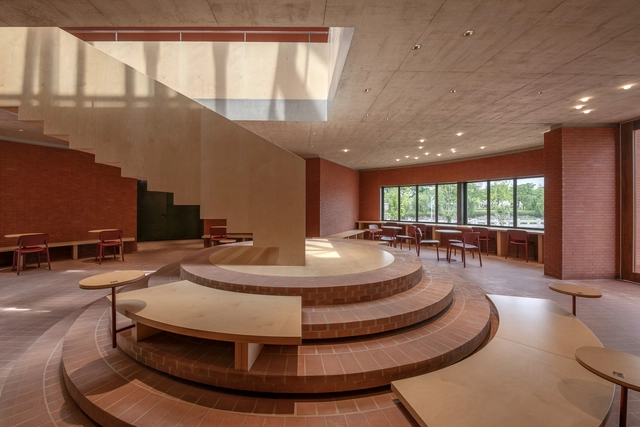
Cotton Park / AIM Architecture


-
Architects: AIM Architecture
- Area: 1500 m²
- Year: 2023
https://www.archdaily.com/1016447/cotton-park-aim-architecture韩爽 - HAN Shuang
Beyond Transparency: 5 Buildings Highlighting Glass Brick Facades
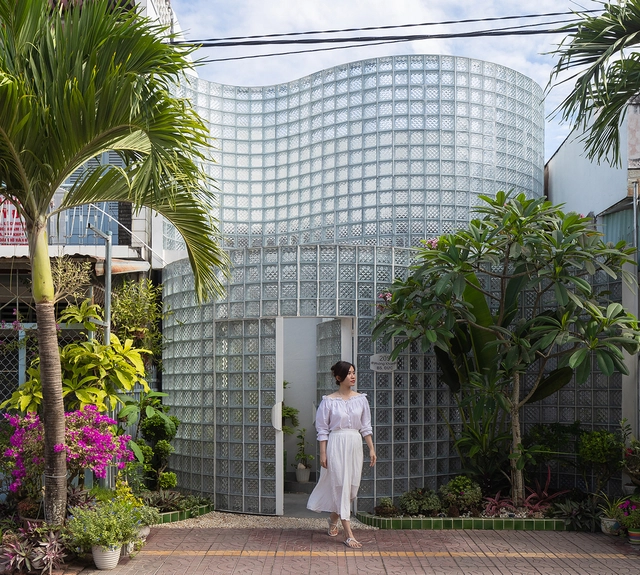
Glass brick facades have emerged as a captivating architectural trend, blending the enduring elegance of glass with the robust strength of bricks. Glass bricks can as well be more thermally resistant than conventional glazing.
These facades add a pixelated effect that plays with light and shadow, perfectly transmitting light, while maintaining privacy. The way glass bricks facades soften and blend the views of the outside can increase calmness and focus. From sleek commercial buildings to avant-garde residential projects, glass brick facades continue to push the boundaries of architectural innovation, captivating both designers and observers alike.


https://www.archdaily.com/1014577/beyond-transparency-5-buildings-highlighting-glass-brick-facadesClara Ott
A’ Good Architectural Design: 20 Exemplary Winners From the 2022-2023 Cycle
| Sponsored Content
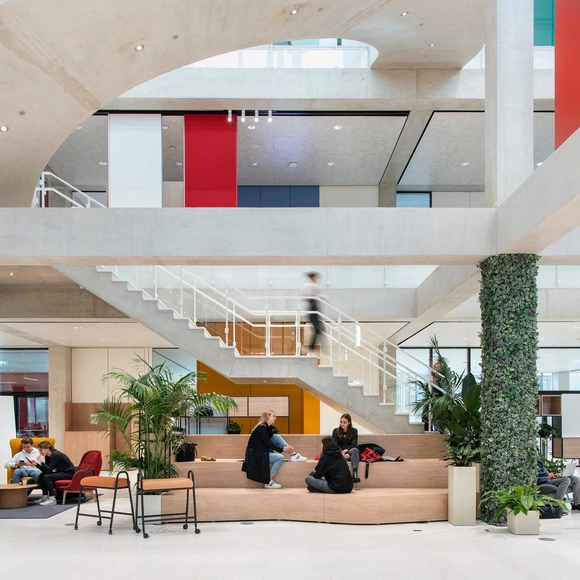
Good architectural design can encompass a myriad of aspects, but can be generally regarded as buildings/constructions that are planned, designed and devised to be functional, aesthetic and durable. They can often be timeless designs, made for the benefit of the people who will inhabit them, and demonstrate a multi-disciplinary approach to space and interaction design. This is the spirit of the A’ Design Award and their “Good Architectural Design” super-category, which seeks to reward the best in architecture and design around the world.
https://www.archdaily.com/1007767/a-good-architectural-design-20-exemplary-winners-from-the-2022-2023-cycleDaniela Porto
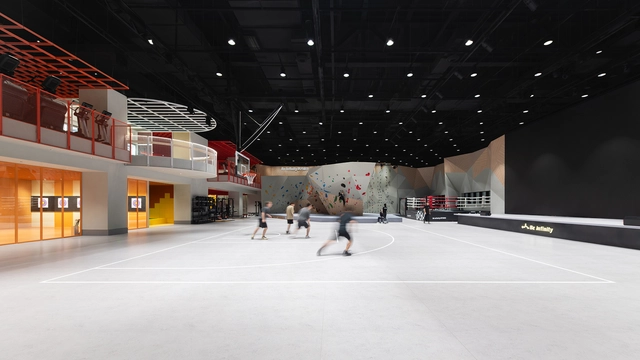
BeInfinity Social Club / LUKSTUDIO


https://www.archdaily.com/1006970/beinfinity-lukstudioAndreas Luco
Beyond Reinforcement: Exploring Creative Uses for Steel Rebars
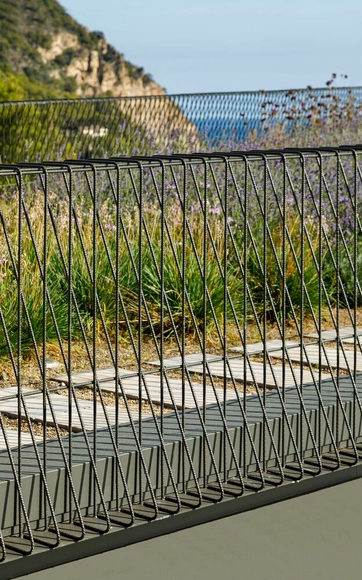
Concrete has enormous resistance to compressive stress, but it is a fragile material in terms of tension, which occurs when forces are applied in opposite directions of a structure, tending to separate the parts. This is why the incorporation of steel into concrete –which provides high levels of strength when stretched– has made so-called reinforced concrete the world's most widely used construction method. In other words, reinforced concrete combines the intrinsic advantages of its two components (concrete and steel reinforcement) to produce an extremely robust, versatile, and practical material. These steel reinforcements, in addition to reinforcing concrete, can also be used in art installations, facades, and even interiors.
https://www.archdaily.com/1005291/beyond-reinforcement-exploring-creative-uses-for-steel-rebarsEduardo Souza
The Sala Garden / LUKSTUDIO
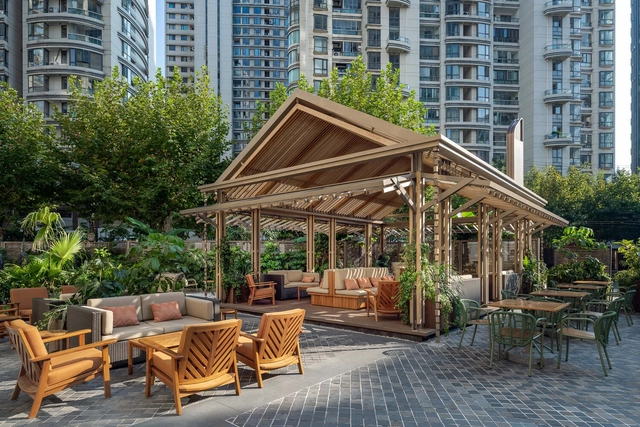


https://www.archdaily.com/997361/the-sala-garden-lukstudioCollin Chen
STUDIO 9 / AIM Architecture
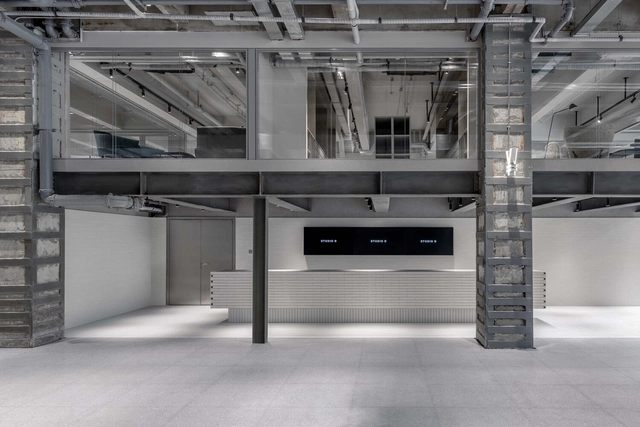


-
Architects: AIM Architecture
- Area: 3000 m²
- Year: 2022
https://www.archdaily.com/993092/studio-9-aim-architectureCollin Chen
HARMAY at Xi’an / NIHILII STUDIO
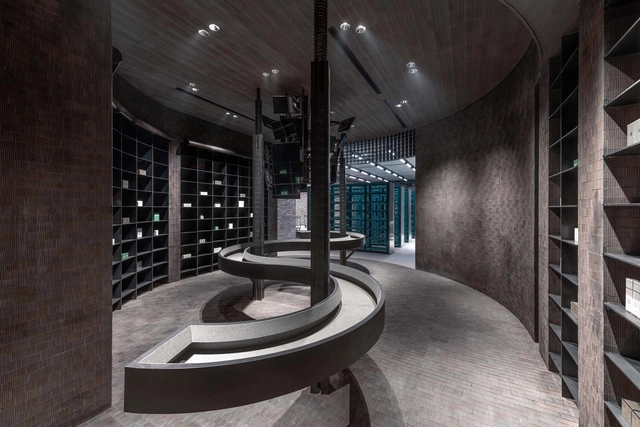


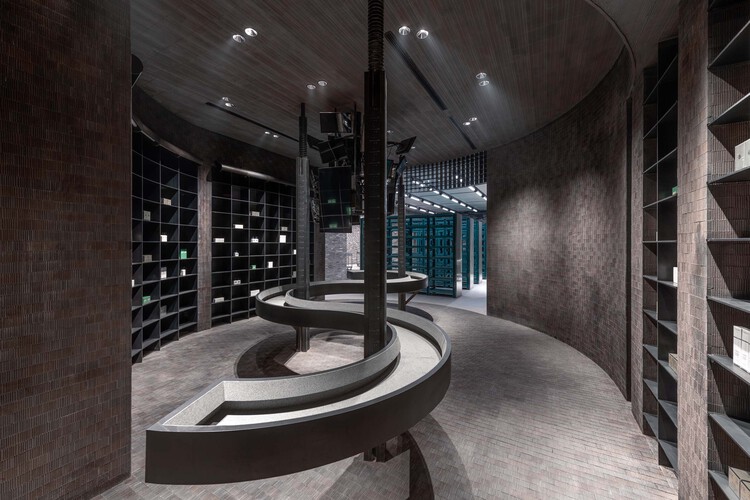
-
Architects: NIHILII STUDIO
- Area: 810 m²
- Year: 2021
https://www.archdaily.com/989191/harmay-at-xian-nihilii-studioCollin Chen
Small Cafe Designs: 30 Aspirational Examples in Plan & Section
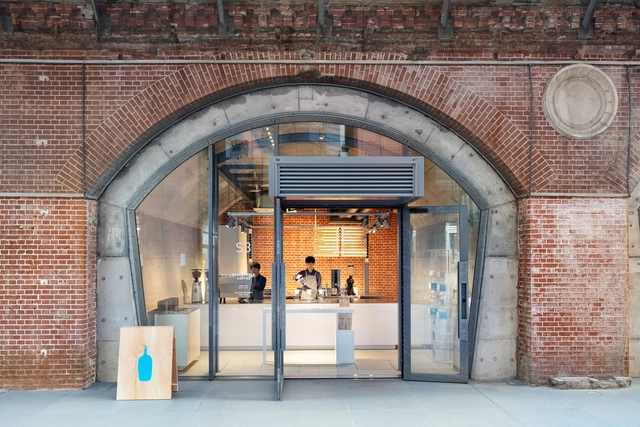


The interior design of a coffee shop can make-or-break an establishment. With an inviting design, you can transform drinking a simple cup of coffee into a wonderful experience. However, when you only have a few square meters and various machines and properties to distribute, finding an efficient configuration is not easy.
https://www.archdaily.com/896529/small-cafe-designs-20-aspirational-examples-in-plan-and-sectionClara Ott
How Color Affects Architecture
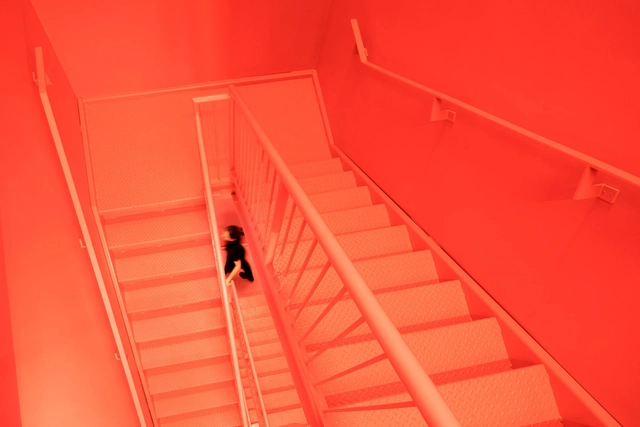


Just as the colors of an abstract painting or photograph can produce a certain mood, so can the colors of a building or room profoundly influence how the people using it feel. Physiologically, study after study has shown that blue light slows the production of melatonin, keeping people more alert or awake even at night. Psychologically, people associate certain colors with certain feelings due to cultural symbols and lived experiences – for example, they might perceive the color red as menacing or frightening because of its connection to blood.
Altogether, the way a room is colored can have complex effects on how its users feel, while a façade can be perceived in dramatically different ways depending on how it is colored. Below, we summarize the emotional associations of every color, assessing their differing effects as each is used in architectural space.
https://www.archdaily.com/930266/how-color-affects-architectureLilly Cao
How to Improve Lighting in the Workplace
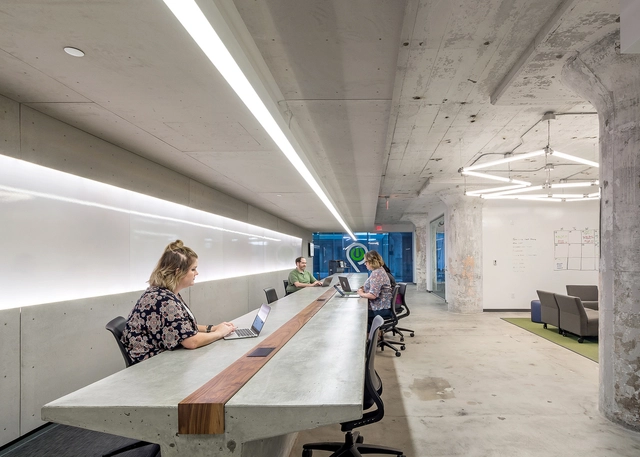
People spend hours at work every day. Offices still fail to recognise the difference lighting can make to their workspaces. Lighting is an important matter when talking about visual comfort and productivity. Optimized lighting can help to improve performance and there are determined practice guidelines on which lighting systems work best for your work environment.


https://www.archdaily.com/925587/how-to-improve-lighting-in-the-workplaceMaría Francisca González
Shanghai Kailong Jiajie Plaza Transformation / AIM Architecture
.jpg?1630315649&format=webp&width=640&height=580)
.jpg?1630315643&format=webp&width=230&height=230&crop=true)

.jpg?1630315685&format=webp&width=230&height=230&crop=true)
.jpg?1630315713&format=webp&width=230&height=230&crop=true)
.jpg?1630315649)
-
Architects: AIM Architecture
- Area: 20658 m²
- Year: 2021
-
Professionals: Discoverscape, Lumia Lighting Design, Kangye Construction, CBRE, Shanghai First Surveying LTD., +2
https://www.archdaily.com/967650/shanghai-kailong-jiajie-plaza-transformation-aim-architectureCollin Chen
Ethai Cafe / Quarta & Armando


-
Architects: Quarta & Armando
- Area: 105 m²
- Year: 2021
-
Manufacturers: Changying 长盈, Naoto Fukasawa for Conde House, Nidu 泥度
https://www.archdaily.com/966586/ethai-cafe-quarta-and-armandoYu Xin Li
Asia's Local Mesh Material: 18 Projects that Explore the Versatility of Rattan
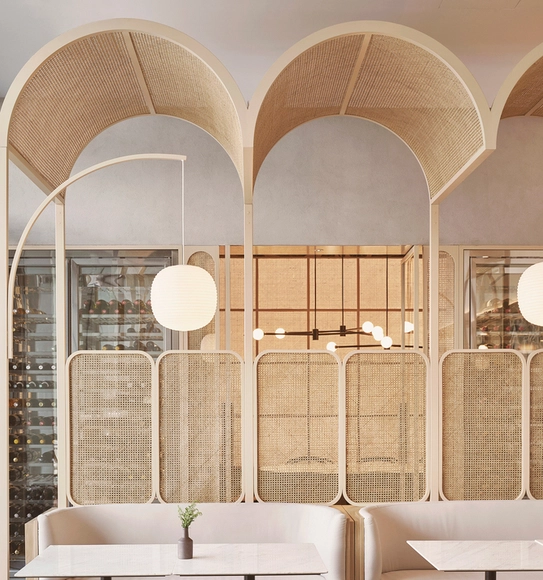
Over the past couple of years, many designers have voiced their commitment to ethical and ecological sourcing, resorting to frugal designs through local materials, traditional techniques, and equitable architecture. Having this approach in mind, many found inspiration in their cultural heritage, reimagining ancient designs in contemporary contexts.
When thinking of recycled design trends, we can't overlook one of the most well-known and popular materials that was shared by nations all around the globe over the span of 100 years; on balconies, outdoor patios, gardens, and indoor living spaces: rattan. It is estimated that almost seven hundred million people worldwide use rattan, with many countries presenting it as an integral part of their cultures. In this article, we look at how architects and designers integrated rattan in their designs and found numerous ways to make the best out of Southeast Asia's popular local material.


https://www.archdaily.com/966829/southeast-asias-woven-local-gem-18-projects-that-explore-the-versatility-of-rattanDima Stouhi
Bestseller Shanghai Office / Linehouse


https://www.archdaily.com/964612/bestseller-shanghai-office-linehouseYu Xin Li