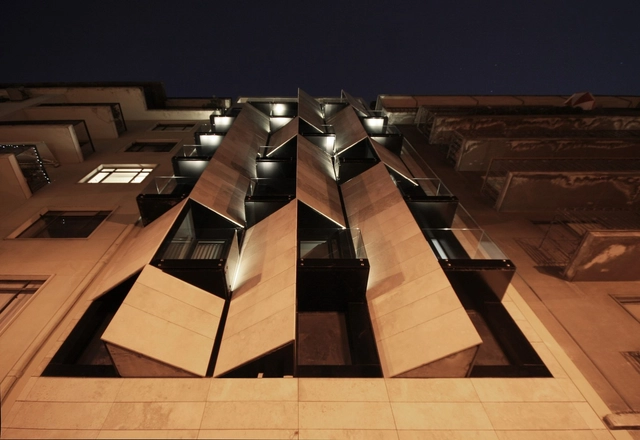
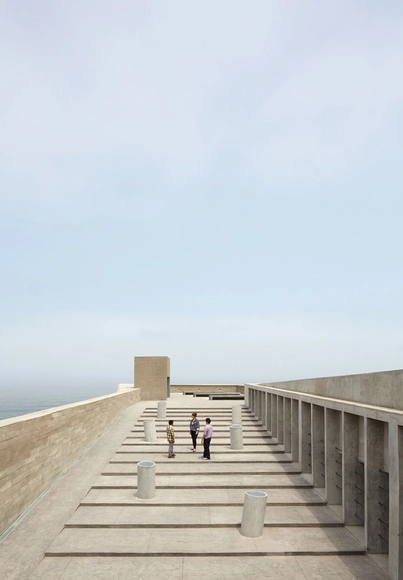
Is it possible for a structure to reflect the thoughts of an architect? In the area of architecture, it's a well-known fact that the design process is largely shaped by the client, their culture, their requirements, and their budget, with little attention given to the personal tastes of the architects themselves.
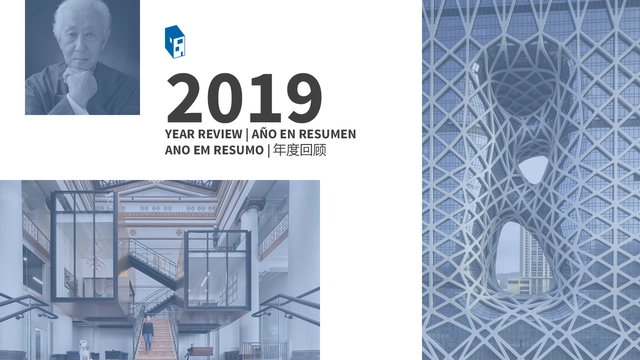
2019 has been a very fruitful year in architecture, unveiling projects, discourses, and careers that cover most of the multiple layers, interest, and fields related to this discipline, and highlighting how relevant it has become to our societies —from the Pritzker Prize 2019 awarded to Japanese architect Arata Isozaki to the revealed theme of the Venice Biennale 2020. Take a look at the main architectural milestones of this year across the globe.
Normally the efforts of the construction industry are aimed to design permanent and durable spaces. However, on some occasions creating temporary spaces can be of great help, not only when providing fast assembly infrastructure after the effects of a natural disaster, but also when activating residual or abandoned spaces in our cities. To exemplify the potential of these interventions, we present thirteen successful temporary public spaces.
In his monumental four-volume book, TheNature of Order, Christopher Alexander talks about an intelligent architecture, responsive to human needs and sensibilities through adaptation to existing buildings and nature. This is a new way of viewing the world—a way of connecting to it, and to ourselves—yet it is very much the same as the most ancient ways of connecting.
https://www.archdaily.com/907139/how-to-judge-a-building-does-it-make-you-feel-more-or-less-aliveNikos A. Salingaros & Kenneth G. Masden II
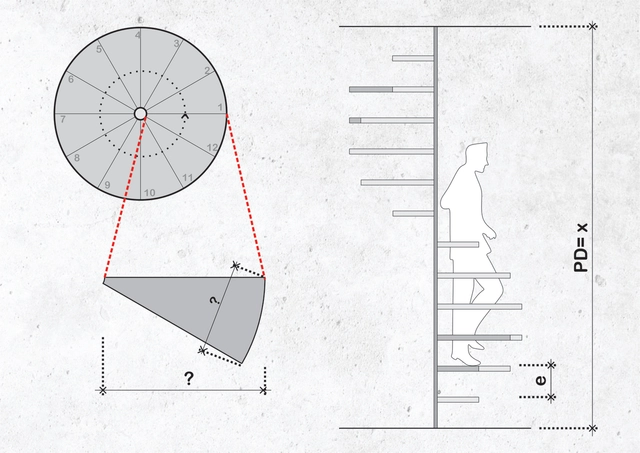
Spiral staircases save valuable square meters because they occupy a much smaller area than a conventional staircase. With daring shapes and diverse configurations, they can also be iconic objects in projects. However, the design of these staircases requires careful attention so that you can prevent an uncomfortable or dangerous outcome. Although BIM software simplifies this process, it's always important to understand the restrictions and the underlying concepts.
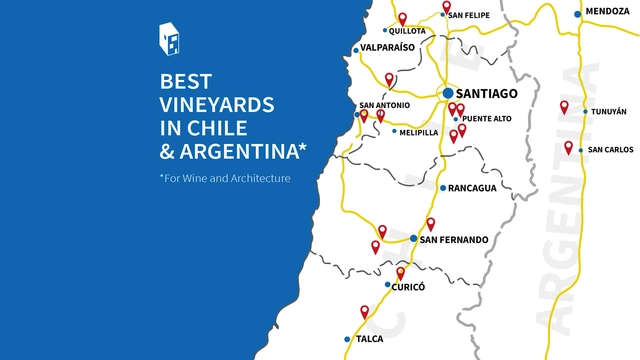
Each year millions of wine enthusiasts travel the globe in search of memorable tasting experiences. And architecture-loving Oenophiles (wine aficionados) are likely to seek vineyards that not only produce outstanding libations, but also those with impressive architecture. With world-famous wines and evergrowing international renown, the vineyards of South America accommodate thousands of wine tourists each year. Chile and Argentina currently sit in the top 10 wine-exporting countries; Chile exported $1.9 billion worth of wine in 2016 and Argentina exported $816.8 million in the same year.
Separated by the Andes, the valleys surrounding Argentina's Mendoza and Chile's central valley (including Elqui, Limarí, Aconcagua, Maipo, Casablanca, Colchagua, Cachapoal, Maule and Curicó valleys) attract a high number of enotourists. The wineries and vineyards featured below have moved away from the traditional image of the historic country house in both aesthetic terms and (sometimes) in the use of materials in the winemaking process. These properties also exist in natural harmony with the surrounding landscape to make the most of sunlight, air circulation and topography for the construction of wine cellars, hotels, tasting rooms, lookouts and viewing points, and research centers. The new and vibrant architectural designs serve as innovation inspiration in their production of the wines as well.
https://www.archdaily.com/881430/best-vineyards-in-chile-and-argentina-for-wine-and-architectureArchDaily Team
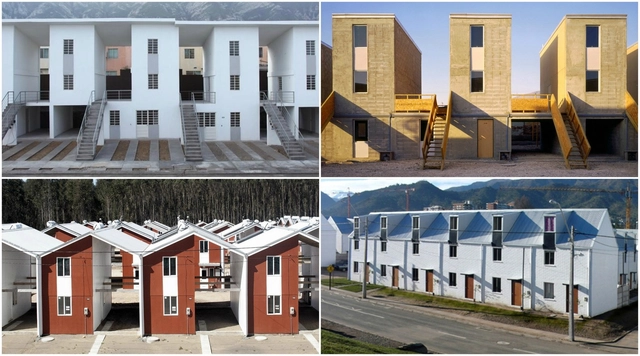
Through the work of his firm Elemental, Aravena is known for his interest in incremental, participatory housing design: a common-sense way of working within financial restraints and a cornerstone of Elemental’s studio work. The motto—focus first on what is most difficult to achieve, what cannot be done individually, and what will guarantee the common good in the future—resulted in a “half a house.” First introduced over a decade ago, the model consists of an expandable 40 square-meter (431 square-feet) container with basic infrastructure (partitions, structural and firewalls, bathroom, kitchen, stairs, a roof) built-in and added to over time. It is not only an achievement from a conceptual and project management standpoint, but also an aesthetically open and diverse project. From this one idea stemmed 100 variations.
Chilean architecture, having long stood in the shadow of more established design traditions in Europe and North America, has been catapulted to the forefront of global attention with the news that architect Alejandro Aravena has been named the 41st Pritzker Prize Laureate – the first Chilean to receive the award. He is also the director of this year’s Venice Architecture Biennale, which focuses on the role of architects in improving the living conditions of people across the globe, especially in cases where scarce resources and the “inertia of reality” stand in the way of progress.
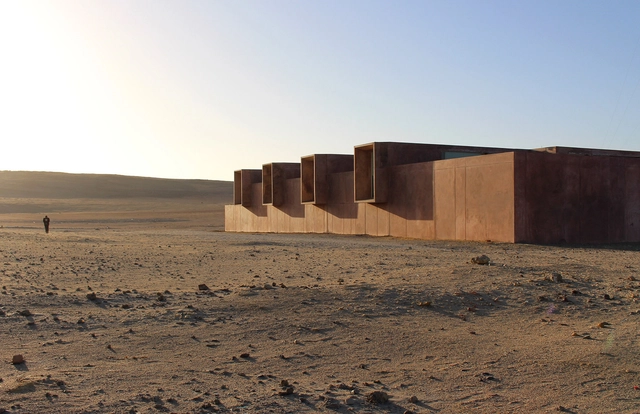
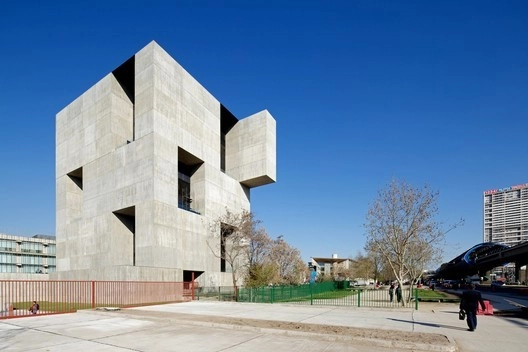
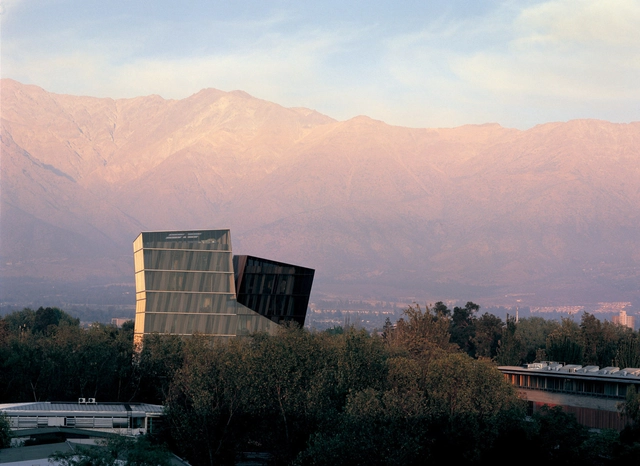
Alejandro Aravena is the first Chilean architect to ever receive a Pritzker Prize. Praised for reviving the socially engaged architect, the 48-year-old architect and executive director of ELEMENTAL has proved architecture's ability to solve pressing global issues through his diverse portfolio. Read on to see 15 projects that exemplify Aravena's contribution to architecture so far.


.jpg?1567573837&format=webp&width=640&height=580)
.jpg?1567573821&format=webp&width=230&height=230&crop=true)
.jpg?1567573932&format=webp&width=230&height=230&crop=true)
.jpg?1567573722&format=webp&width=230&height=230&crop=true)
.jpg?1567574013&format=webp&width=230&height=230&crop=true)
.jpg?1567573837)