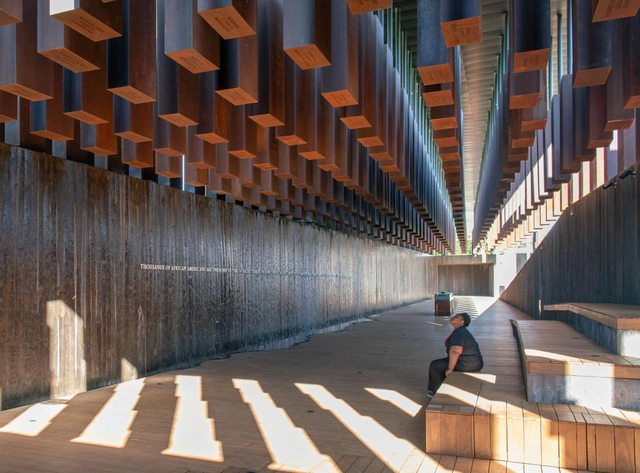
Architecture shapes how we live and come together. Amidst a pandemic and protests around the world, architects and designers are speaking out to condemn injustice and build space for empathy and understanding. In listening, they are looking to how we live together, and in turn, how we can create a more equitable and just world.
The history of timber construction stretches back as far as the Neolithic period, or potentially even earlier, when humans first began using wood to build shelters from the elements. The appearance of the first polished stone tools, such as knives and axes, then made wood handling more efficient and precise, increasing the thickness of wood sections and their resistance. Over the decades, the rustic appearance of these early constructions became increasingly orthogonal and clean, as a result of standardization, mass production, and the emergence of new styles and aesthetics.
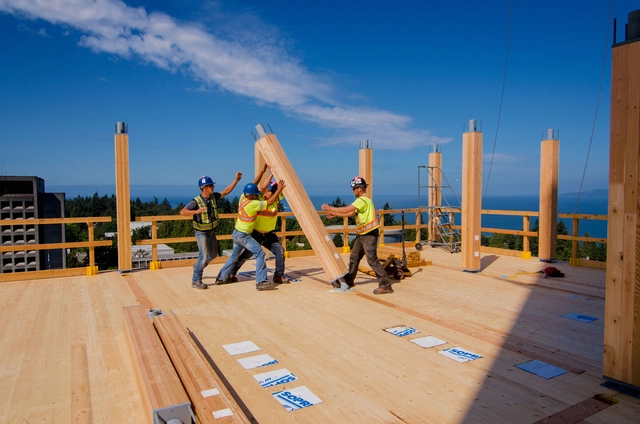
Today we are experiencing another seminal moment within the evolution of timber. Nourished and strengthened by technological advances, new prefabrication systems, and a series of processes that increase its sustainability, safety, and efficiency, timber structures are popping up in the skylines of cities and in turn, is reconnecting our interior spaces with nature through the warmth, texture, and beauty of wood. Where will this path lead us? Below, we review 7 trends that suggest this progress is only set to continue, increasing both the capabilities and height of timber buildings in the years to come.
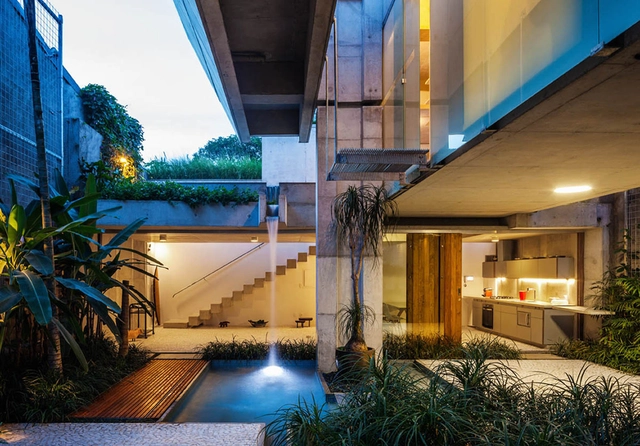
From playful indoor pools to tranquil exterior fountains to soaring waterfalls and grand lakes of enormous proportions, architecture throughout the centuries has engaged with water in endlessly innovative ways. Sometimes serving aesthetic purposes, but just as often acting as centers of activity or promoting sustainability, water features can take countless different forms and serve multiple different purposes. Below, we synthesize a series of water features espoused by innovative contemporary architectural projects, ranging from single-family residential homes to vast commercial complexes.