Clement Guillaume

BROWSE ALL FROM THIS PHOTOGRAPHER HERE

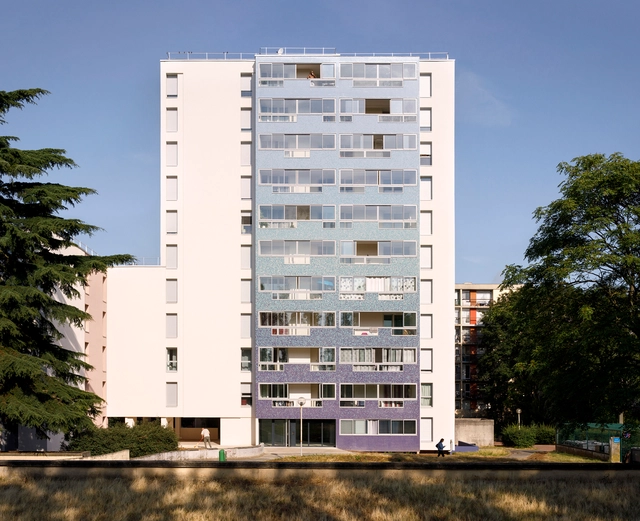
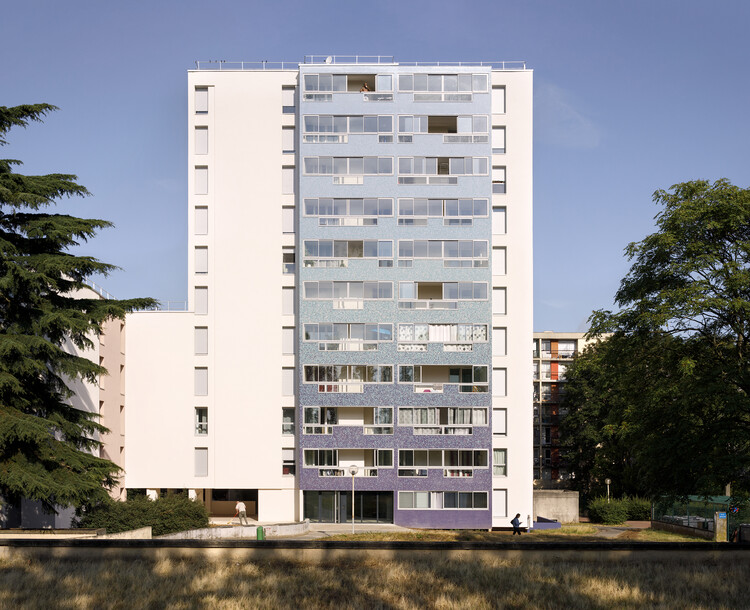
Pré de l’Enclos 2 Housing Rehabilitation / SOL Architecture & Urbanisme

Pré de l’Enclos 2 Housing Rehabilitation / SOL Architecture & Urbanisme - More Images+ 11

  • Area Area of this architecture project Area:  7500
  • Year Completion year of this architecture project Year:  2024
  • Manufacturers Brands with products used in this architecture project
    Manufacturers:  Ezarri

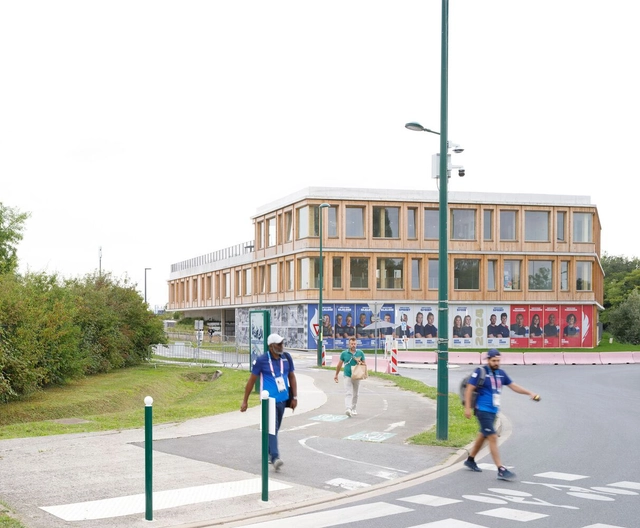
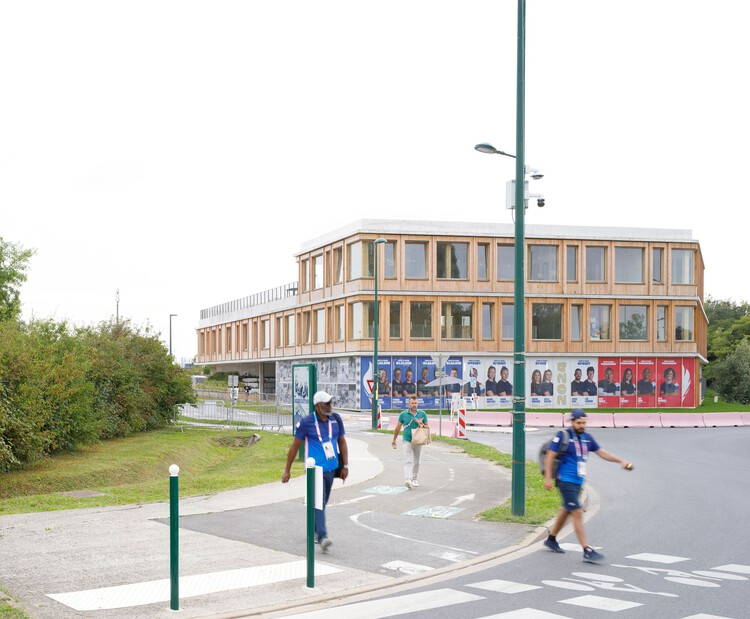
Head Office of French Federation of Canoe-Kayak and Paddle Sports / Le Studio Sanna Baldé

Head Office of French Federation of Canoe-Kayak and Paddle Sports / Le Studio Sanna Baldé - More Images+ 21

Vaires-sur-Marne, France

4 Solutions for Roofs without Eaves (and their Construction Details)

Subscriber Access | 

In his Robie House, Frank Lloyd Wright created an ingenious arrangement of public and private spaces that slowly moving away from the street through a series of horizontal planes. Pronounced eaves made the interior space expand toward the outside. Considered the first phase of the American architect's career, the so-called Prairie Houses had marked horizontality, mainly due to the enormous plans created by slightly inclined eaves. Eaves are ubiquitous in most traditional architecture, and in addition to their aesthetic role, they serve several important functions, the primary one being to keep rainwater away from the building's walls and structure. But for some time now, we have seen plenty of projects with sloping roofs without eaves, forming pure and unornamented volumes. This brings us to the question: in these projects, how are practical issues such as draining rainwater?

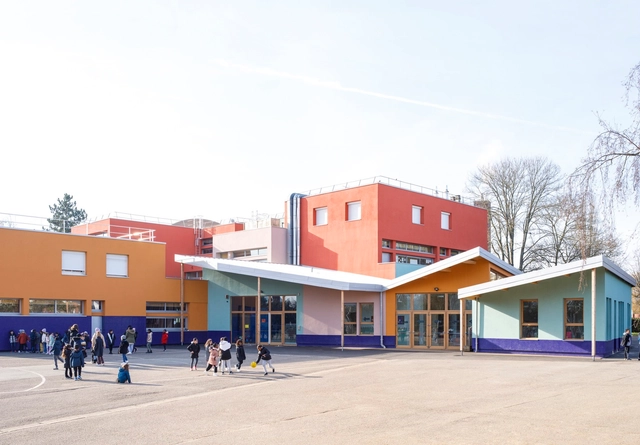
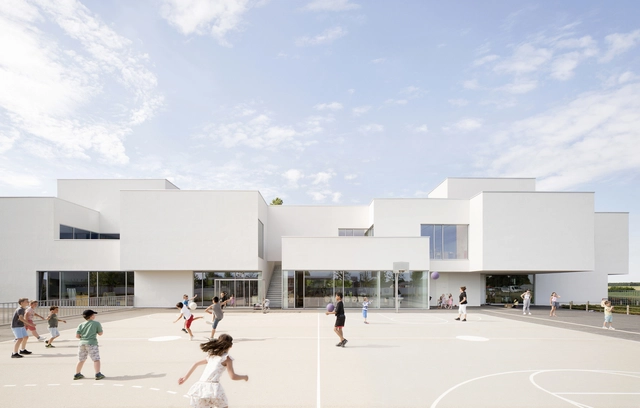
Jean Macé School / SOL Architecture & Urbanisme

Jean Macé School / SOL Architecture & Urbanisme - More Images+ 23

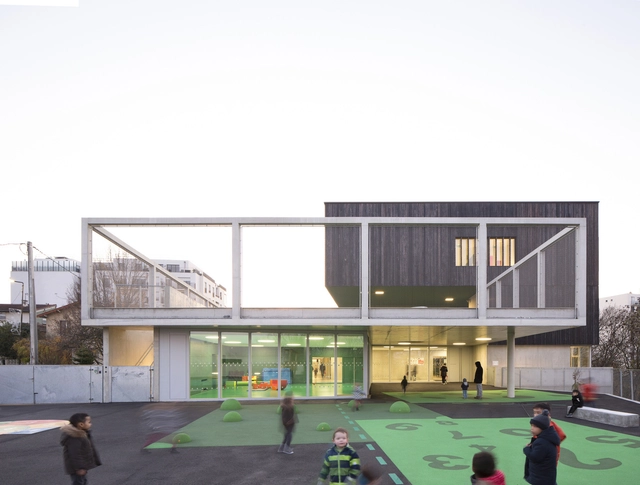
Simone Veil Group of Schools in Villejuif / Dominique Coulon & associés

Simone Veil Group of Schools in Villejuif / Dominique Coulon & associés - More Images+ 21

Crous University Refectory / graal architecture

Crous University Refectory / graal architecture - Exterior Photography, Renovation, Facade
© Clement Guillaume

Crous University Refectory / graal architecture - More Images+ 27

Festival Hall / graal architecture

Festival Hall  / graal architecture - More Images+ 15

  • Architects: graal architecture
  • Area Area of this architecture project Area:  630
  • Year Completion year of this architecture project Year:  2021

University Refectory / graal architecture

University Refectory / graal architecture - More Images+ 24

World Architecture Day: Designing for the Future of the Human Habitat

Subscriber Access | 

World Architecture Day, celebrated on the first Monday of every October, was set up by the Union International des Architects (UIA) back in 2005 to “remind the world of its collective responsibility for the future of the human habitat”, coinciding with UN-Habitat's World Habitat Day.

"Olympe de Gouges" Group of Schools / Dominique Coulon & associés

Olympe de Gouges Group of Schools  / Dominique Coulon & associés - More Images+ 29

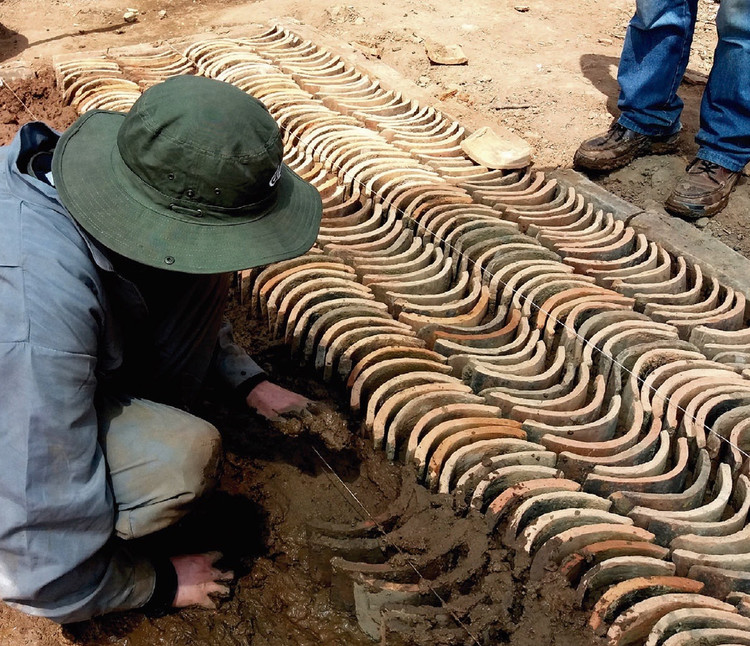
Recycling Tiles: 15 Examples of Repurposed Tiles in Walls, Facades, Flooring, and Furniture

Recycling Tiles: 15 Examples of Repurposed Tiles in Walls, Facades, Flooring, and Furniture - Image 10 of 4
Nave 8 B / Arturo Franco. Image © Carlos Fernández Piñar

Recycling Tiles: 15 Examples of Repurposed Tiles in Walls, Facades, Flooring, and Furniture - More Images+ 12

Whether you're looking for an upgrade or to replace broken pieces for floors or walls, tiles are always an effective and readily available option for any project that you have in mind. With their relatively low production cost, tiles are rarely reused or recycled and, if they are, it's usually for their original function.

A Guide to Design for Disassembly

The concept of Design for Disassembly (DfD for short) gained increasing traction in recent years, as it addresses the growing concern around the high consumption of resources and low recycling rate within the construction industry. The following article details on the method and features guidelines for a design process that facilitates the dismantlement of future buildings, with the scope of providing a better understanding of this principle within the broader framework of the current practice and circular economy.

A Guide to Design for Disassembly  - More Images+ 6

Amateur Architecture Studio’s Works on Contemporary Chinese Architecture with Recycled Materials

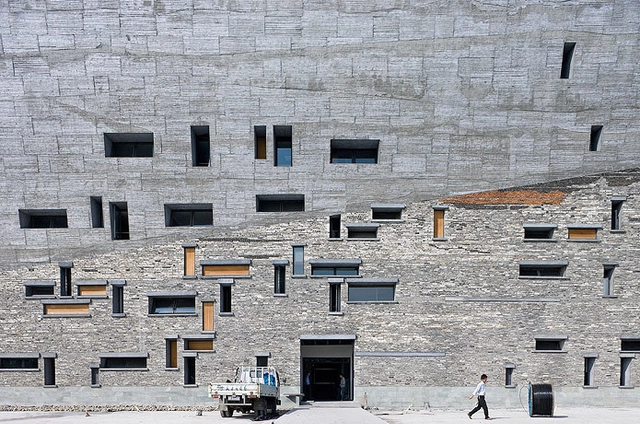
Over the past two centuries, cities in China have multiplied and expanded on a large scale, under accelerated urbanization. Mass demolition of the old city fabric, occurring everywhere, is leaving industrial debris and fragmented cultural artifacts buried forever, under shiny new skyscrapers. As old Chinese cities are collapsing and new urban centers are outspreading, a part of the city was lost, the old demolished landscape. Wang Shu and Lu Wenyu, the first Chinese citizens to win the Pritzker Architecture Prize, responded to this past-present relation by working with recycled materials and traditional know-how. In the following, we explore some of this couple's renowned works such as Ningbo History Museum, Ningbo (2008), Xiangshan Campus of China Academy of Art, Hangzhou (2004), and Ningbo Contemporary Art Museum (2005), to examine his humanistic approach to the city.

Social Impact: Architecture Building Space for Empathy

Subscriber Access | 

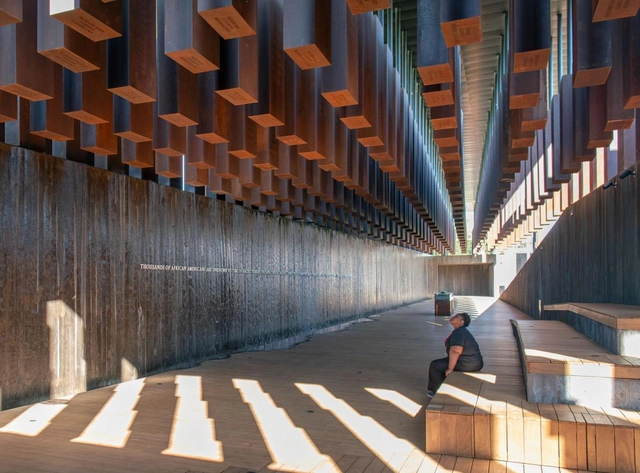
Architecture shapes how we live and come together. Amidst a pandemic and protests around the world, architects and designers are speaking out to condemn injustice and build space for empathy and understanding. In listening, they are looking to how we live together, and in turn, how we can create a more equitable and just world.

Social Impact: Architecture Building Space for Empathy - More Images+ 4

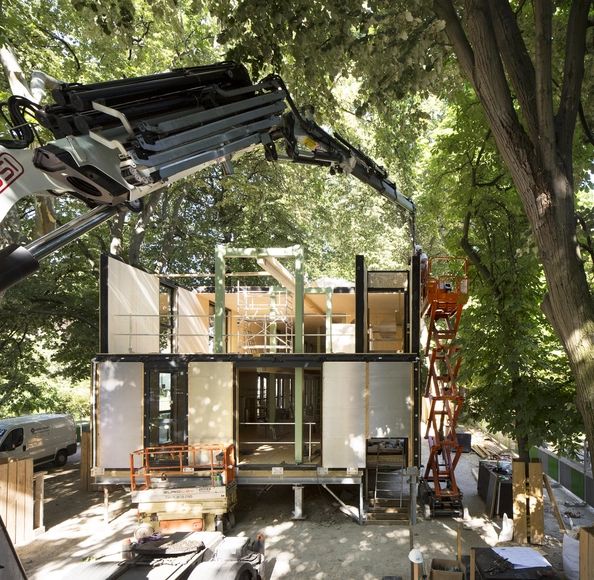
Wooden Nursery / Djuric Tardio Architectes

Wooden Nursery / Djuric Tardio Architectes - More Images+ 22

Timber Trends: 7 To Watch for 2020

The history of timber construction stretches back as far as the Neolithic period, or potentially even earlier, when humans first began using wood to build shelters from the elements. The appearance of the first polished stone tools, such as knives and axes, then made wood handling more efficient and precise, increasing the thickness of wood sections and their resistance. Over the decades, the rustic appearance of these early constructions became increasingly orthogonal and clean, as a result of standardization, mass production, and the emergence of new styles and aesthetics.

Today we are experiencing another seminal moment within the evolution of timber. Nourished and strengthened by technological advances, new prefabrication systems, and a series of processes that increase its sustainability, safety, and efficiency, timber structures are popping up in the skylines of cities and in turn, is reconnecting our interior spaces with nature through the warmth, texture, and beauty of wood. Where will this path lead us? Below, we review 7 trends that suggest this progress is only set to continue, increasing both the capabilities and height of timber buildings in the years to come.

Innovative Uses of Water in Architecture

Subscriber Access | 

From playful indoor pools to tranquil exterior fountains to soaring waterfalls and grand lakes of enormous proportions, architecture throughout the centuries has engaged with water in endlessly innovative ways. Sometimes serving aesthetic purposes, but just as often acting as centers of activity or promoting sustainability, water features can take countless different forms and serve multiple different purposes. Below, we synthesize a series of water features espoused by innovative contemporary architectural projects, ranging from single-family residential homes to vast commercial complexes.

Innovative Uses of Water in Architecture - More Images+ 29

Student Housing / Atelier Villemard Associés

Student Housing / Atelier Villemard Associés - More Images+ 15

Champs-sur-Marne, France