

-
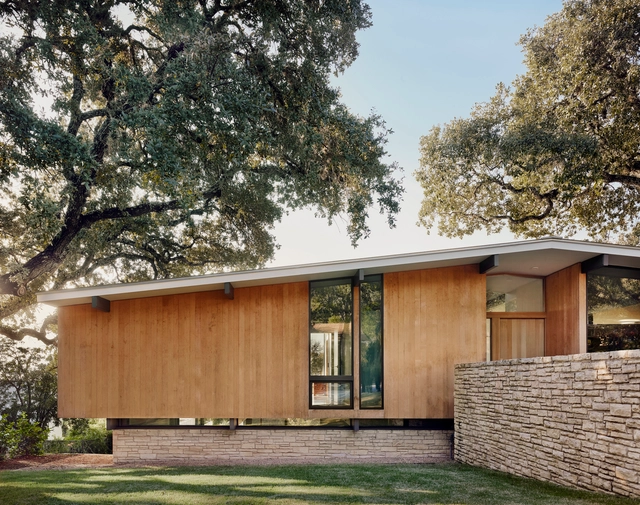
Architects: Nick Deaver Architect
- Area: 817 m²
- Year: 2018
-
Manufacturers: Dornbracht, Hansgrohe, Emtek, Heath Ceramics, Juno, +6
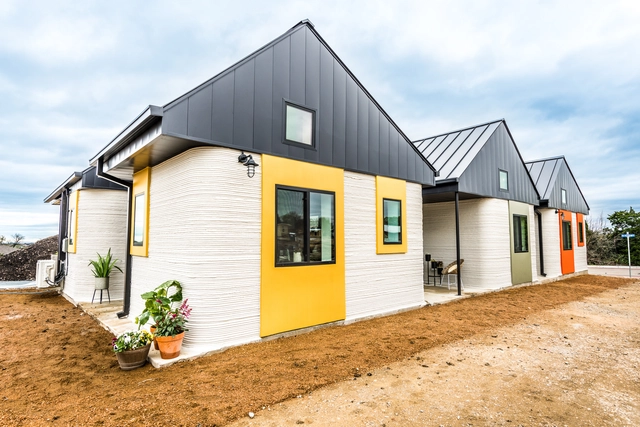
In recent years, the construction industry has faced unprecedented challenges. A lack of skilled workers is driving up costs of labor, there is a global housing shortage, and the effects of climate change around the world are clearer than ever. Therefore, questioning traditional construction methods and pushing the limits of innovation has become a top priority, forcing the industry to implement new technologies as they get on board the digital transformation era. There is one innovation, however, that looks particularly promising: 3D construction printing. Although relatively recent, the technology has already been successfully tested in numerous structures, houses and apartment buildings, reshaping residential construction as we know it. Hence, 3D printing could very well be a viable alternative for more efficient, sustainable and cost-effective mass housing solutions in the near future, positively impacting people’s lives and contributing to greener, healthier cities.
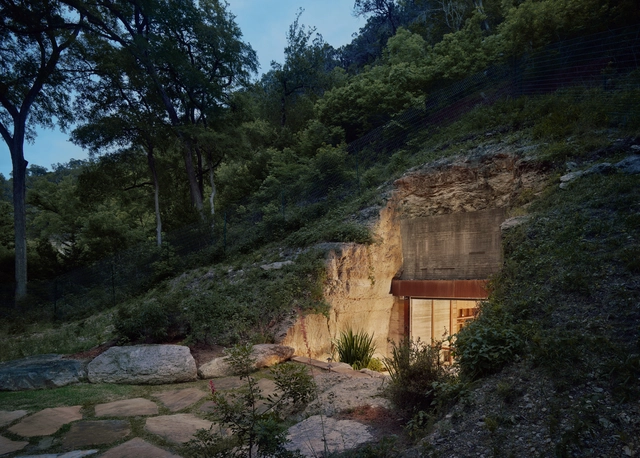
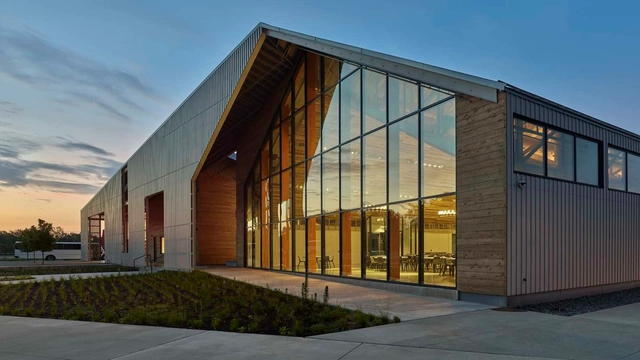
The American Institute of Architects (AIA) has selected 11 projects as winners of its 2022 Architecture Awards. The annual Architecture Award program celebrates the best contemporary architecture, and highlights how spaces can cater to their residents and context and include a sense of place, purpose, history, and environmental sustainability. The selected projects include commercial, residential, and civic typologies, all designed by US-licensed architects.
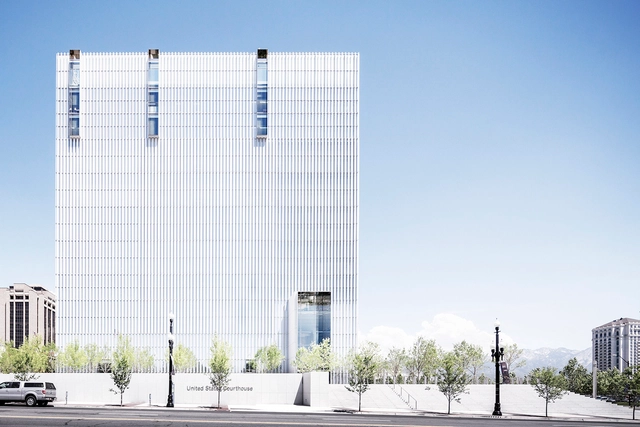
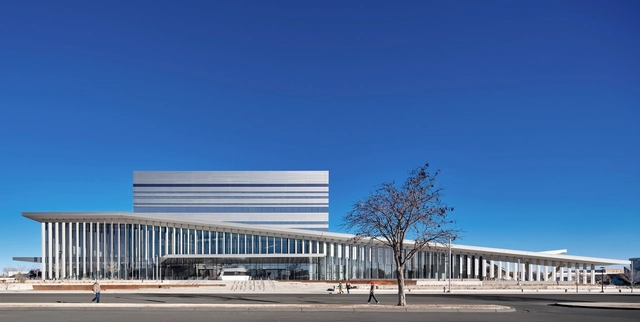
Courthouse architecture is defined by civic and monumental designs. These projects establish contemporary expressions that move beyond vernacular traditions to explore modern aesthetics and new forma approaches. As prominent landmarks in a city, courthouses reflect the beliefs, priorities, and aspirations of a people. They are also a meeting ground, cultural hub, and social gathering place.
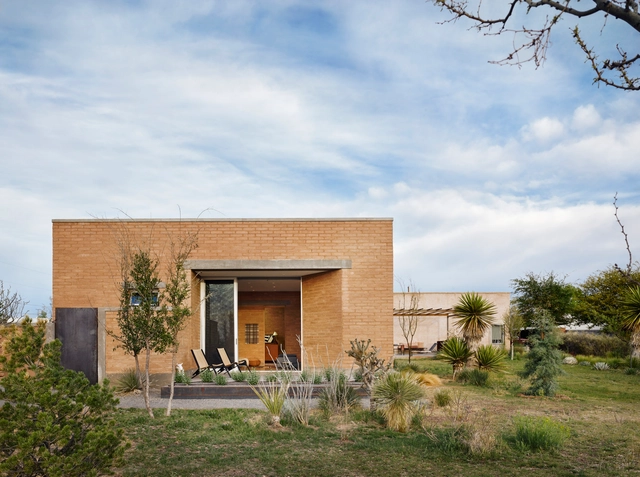
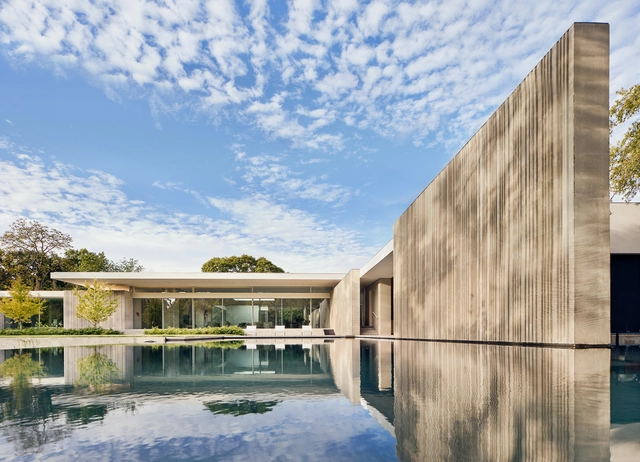
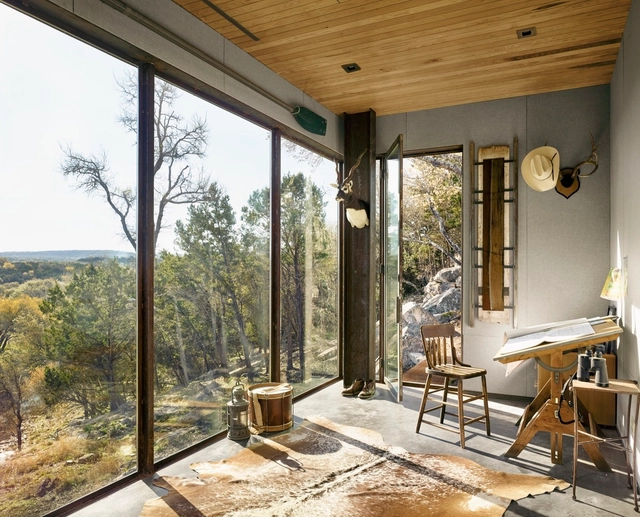
It's not uncommon to see housing complexes integrate commercial spaces at the ground level, but the challenge of mediating between the private and public realm on a smaller scale, especially with the rise of the home office, has forced architects to explore all aspects of the structure, from the topography it sits on, to the direction of light and wind, to the design and organization the domestic space. This interior focus explores different design solutions that show how architects and interior designers transformed their projects from a living space into a mixed-use typology, taking into account privacy, flexibility, functionality, and predefined spatial requirements.
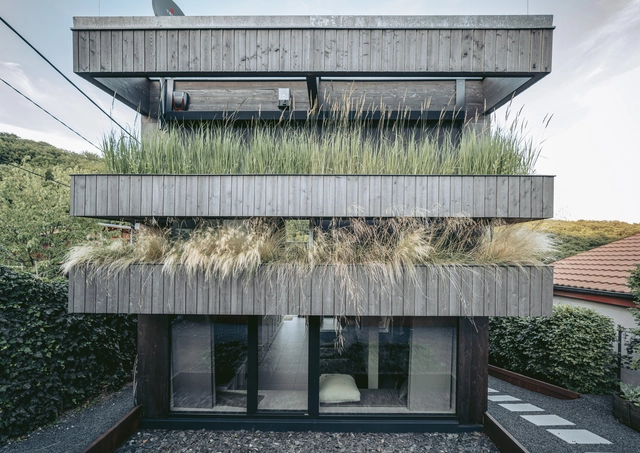
Residential architecture is one of the most popular categories among our readers. In 2021 we published more than 3,800 projects, featuring houses from different regions of the world and offering a variety of solutions, materials, contexts, environments, scales, and typologies. Providing a broad source of inspiration for those seeking references for their own residential project.
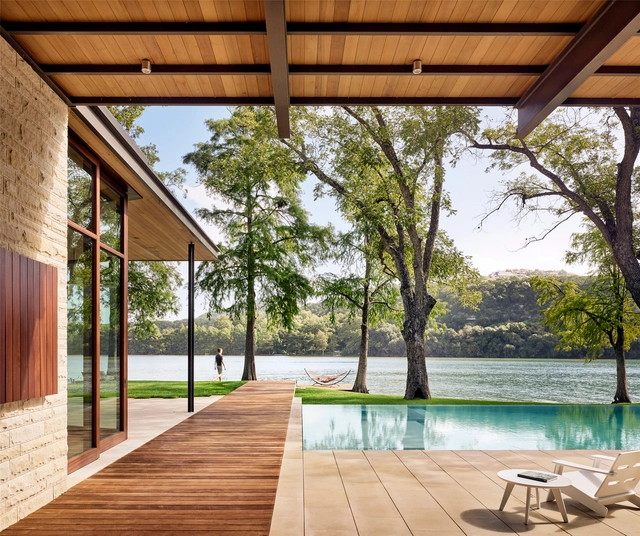
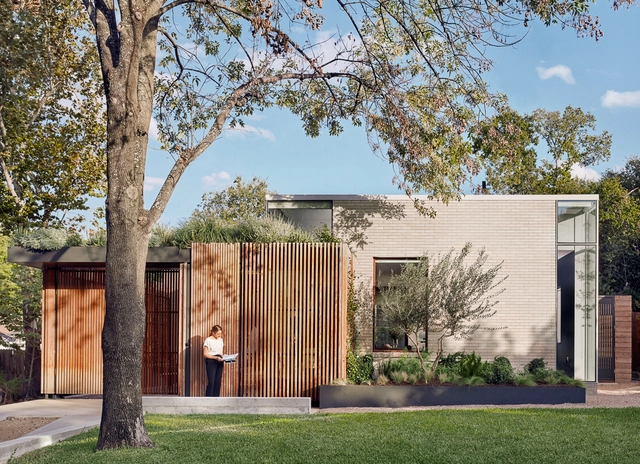
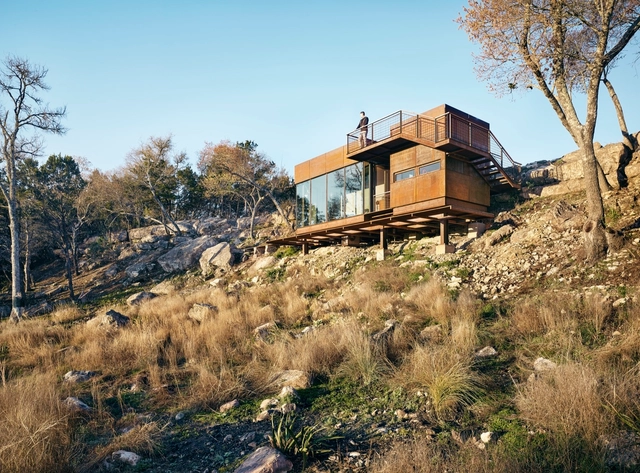
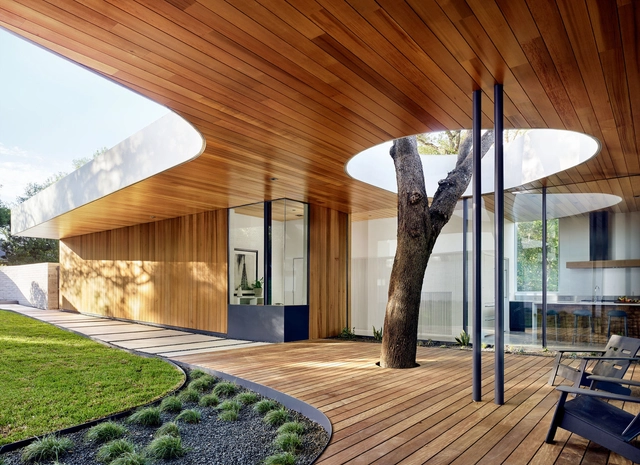
Few cities have a growing design culture like Austin, Texas. Ranked as one of the best places to live in the United States, the city is experiencing a building boom in recent years. With a wide variety of residential styles, architects are continuing a legacy of modernist design. With an emphasis on craft and detailing, these new homes use simple geometry and forms as they open up to hills, lakes and the urban fabric.
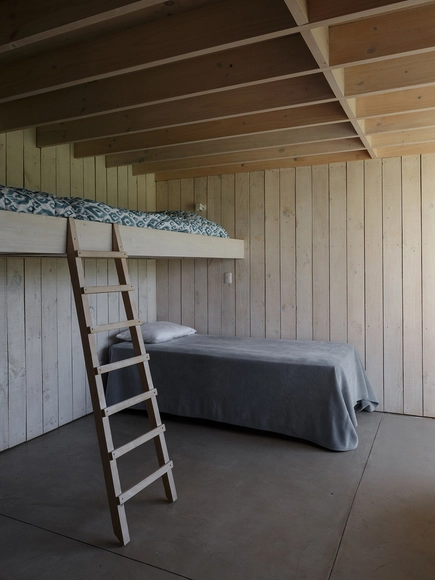
It is a common misconception that bunk beds - which are sleeping spaces elevated above floor-level - are used exclusively for the bedrooms of children and teens. While bunk beds are a great solution for younger kids and older kids alike, the practical aspect of bunk beds which gives ample sleeping space while saving on floor space, makes them great for a variety of purposes and applications. With a rise in density and the majority of people living in large urban centers making use of increasingly smaller living spaces, there has come a push towards modularity in interior architecture. For this reason, bunk beds and lofted sleeping areas have become a great solution to maximize square footage.
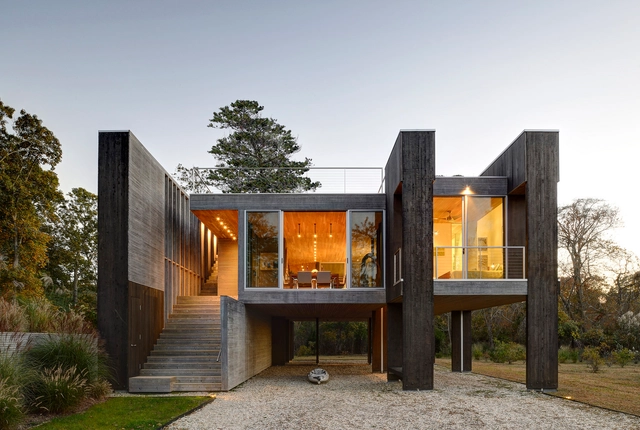
Flooding is a significant problem for buildings all around the world, including architectural treasures like the Farnsworth House that have been plagued by the issue time and time again. In particular, one-third of the entire continental U.S. are at risk of flooding this spring, especially the Northern Plains, Upper Midwest, and Deep South. In April of 2019, deadly floods decimated parts of Mozambique, Malawi, Zimbabwe, and Iran as well, resulting in a low estimate of 1,000 deaths while tens of thousands more were displaced. While architecture cannot solve or even fully protect from the most deadly floods, it is possible – and necessary – to take several protective measures that could mitigate damage and consequently save lives.
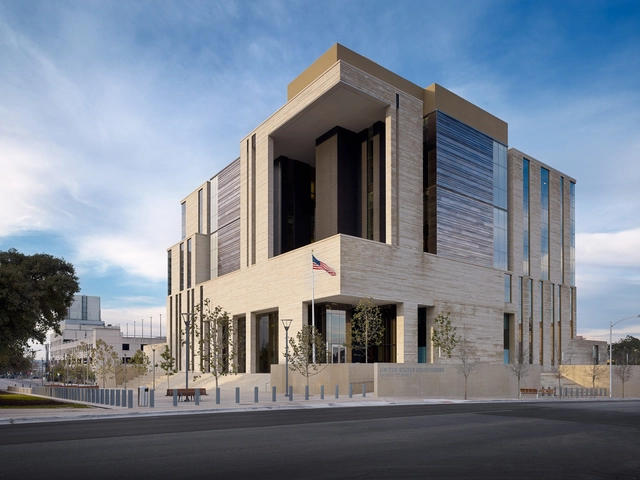
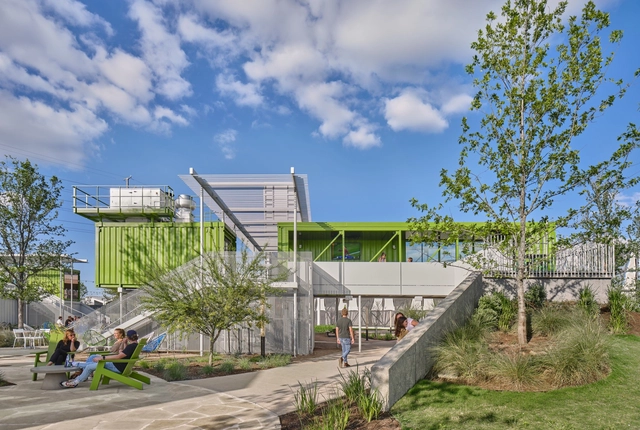
The Southwest United States is known for civic and monumental designs. These projects establish iconic, contemporary expressions that move beyond vernacular traditions. Located on sites throughout Texas, New Mexico, and Arizona, they are designed with modern aesthetics and new ideas. Novel spatial experiences and formal approaches are being explored by both local and international architects. Standing in contrast to the intimate, discreet spaces found within southwest residential architecture, these buildings are prominent landmarks and nodes within their respective cities.