-
Architects: Feilden Clegg Bradley Studios
- Area: 38500 m²
- Year: 2026
-
Manufacturers: Assa Abloy, Otis, Sika, Interface, Aaltro, +26

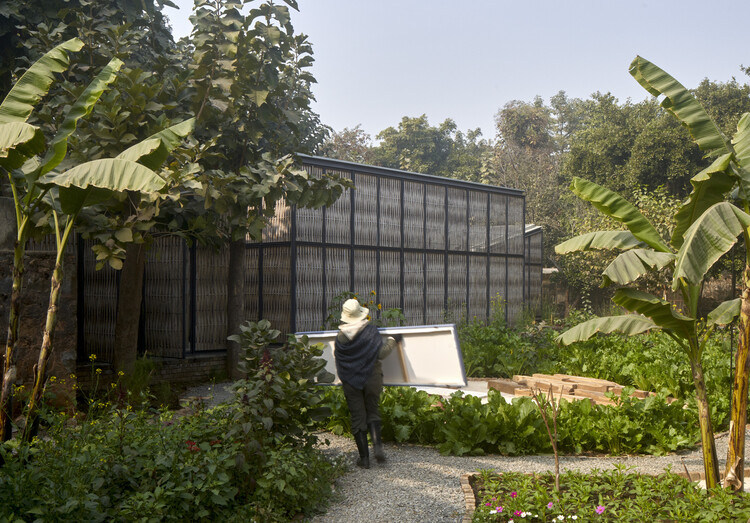
Botanical gardens bring the landscape, design, community, and scientific inquiry into close conversation. Emerging from medicinal gardens and private collections that were dedicated to classifying plants, botanical gardens were developed into institutions where specimens gathered across regions and climates could be cultivated and presented to public audiences. Their evolving position in society produced a distinct architectural repertoire, from greenhouses and conservatories to herbaria and laboratories and, eventually, visitor centers and hospitality spaces. Architecture remains integral to the botanical garden as an instrument of cultivation and a framework for organizing and studying the field of botany.

The home carries multiple identities as shelter, sanctuary, workplace, and stage for daily rituals. In recent years, its role has expanded in unprecedented ways. The pandemic, notably, coerced the home to act as a site of extraordinary adaptability to absorb functions once delegated to schools, offices, gyms, and studios. This transformation has shifted how we imagine domestic life, urging us to think of the home not simply as a backdrop for activity but as a dynamic framework for living, producing, and creating. Within this expanded understanding, artists find themselves asking a renewed question: how can the home allow the flexibility needed for creative practice?
Sir Peter Cook is an English architect, professor, and writer, and a founding member of the neo-futuristic design group Archigram, alongside Warren Chalk, Ron Herron, David Greene, and Michael Webb. Beyond the group's radical urban concepts and visionary imagery, he co-founded CRAB Studio (Cook Robotham Architectural Bureau) with David Robotham in 2006, where they have developed built, conceptual, and speculative projects. He recently designed the Play Pavilion, located next to Serpentine South in Kensington Gardens, which opened on World Play Day, June 11, 2025. He is also known for the BIX Light and Media Façade at MoMA and for his series of drawings and collages that explore spaces, building elements, and organic landscapes.
Returning for his second interview with ArchDaily, Sir Peter Cook sat with Editor in Chief, Christele Harrouk, at the World Architecture Festival 2025. While the first conversation focused on his advice for young architects, this one followed his presentation during WAF on the forthcoming book, Archigram Ten, an editorial project reviving the spirit of the original magazine with founding members and contemporary designers. Building on those themes, he reflects on artificial intelligence, the impact of COVID-19 on his own practice, and current architectural pedagogies.
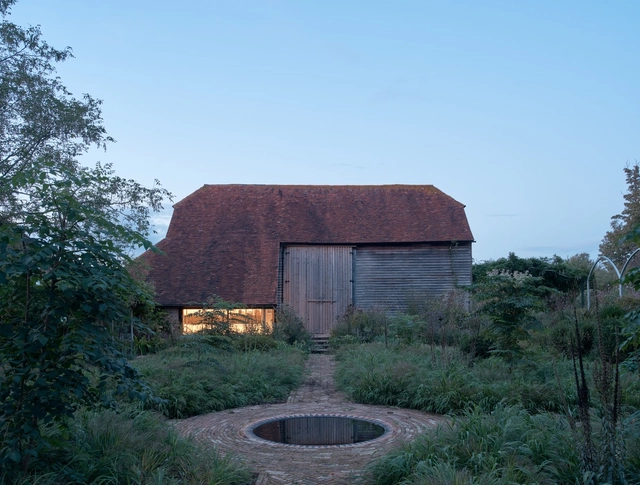
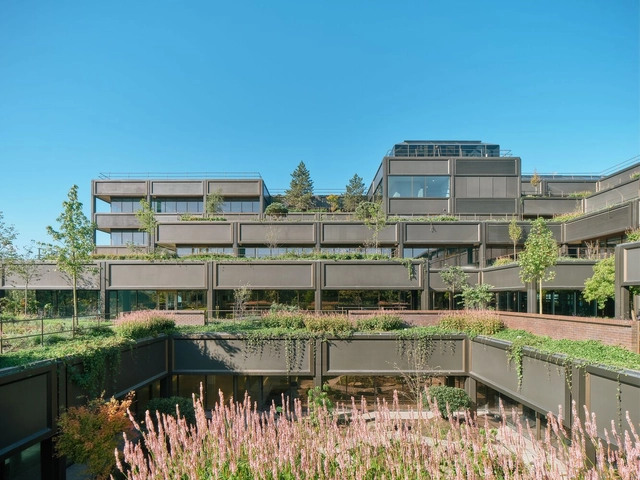
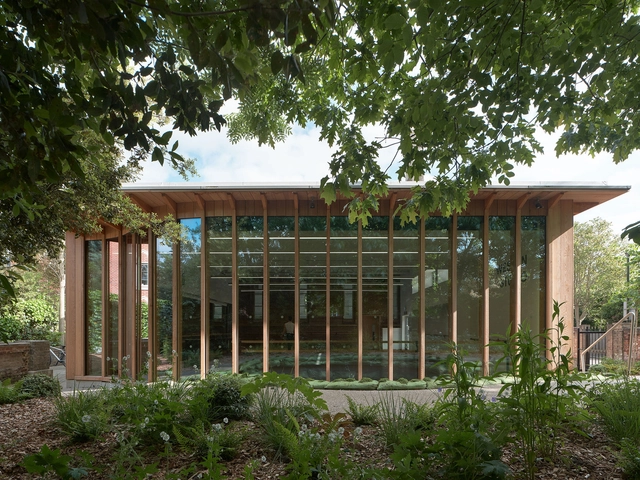

The key to successfully designing or recovering public spaces is to achieve a series of ingredients that enhance their use as meeting places. Regardless of their scale, some important tips are designing for people's needs, the human scale, a mix of uses, multifunctionality and flexibility, comfort and safety, and integration to the urban fabric.
To give you some ideas on how to design urban furniture, bus stops, lookouts, bridges, playgrounds, squares, sports spaces, small parks, and urban parks, check out these 100 notable public spaces.
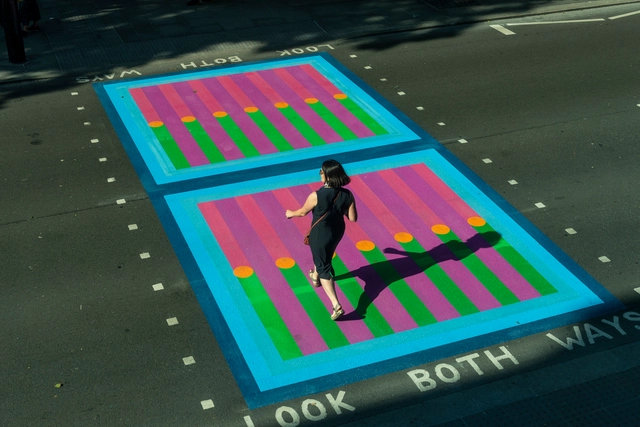
PARABLES FOR HAPPINESS by the London-based British-Nigerian designer Yinka Ilori features for the first time at the Design Museum in London. Exhibited from September 25, 2022, to June 25, 2023, essential aspects of Ilori’s work will be placed beside key influences, including artworks, photographs, and furniture, to Nigerian textiles. Curated by Priya Khanchandani, the exhibition celebrates Ilori’s mix of cultural influences and unpacks the ingredients of a diasporic visual language.
TIC_-_An_immersive_sensorial_landscape_-_Phot_credits_Pareid..jpg?1596498080&format=webp&width=640&height=580)
New Generations is a European platform that analyses the most innovative emerging practices at the European level, providing a new space for the exchange of knowledge and confrontation, theory, and production. Since 2013, New Generations has involved more than 300 practices in a diverse program of cultural activities, such as festivals, exhibitions, open calls, video-interviews, workshops, and experimental formats.

.jpg?1530170090&format=webp&width=640&height=580)
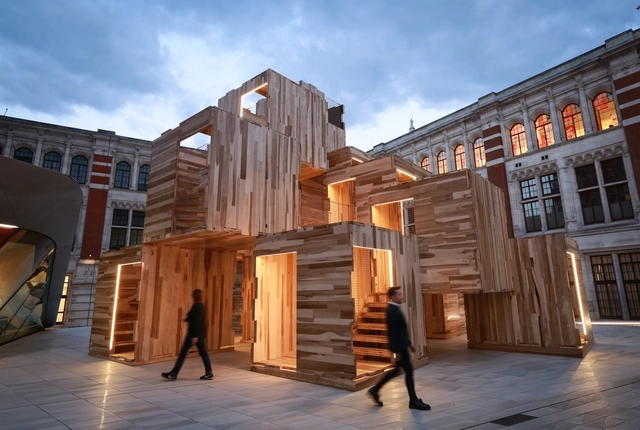
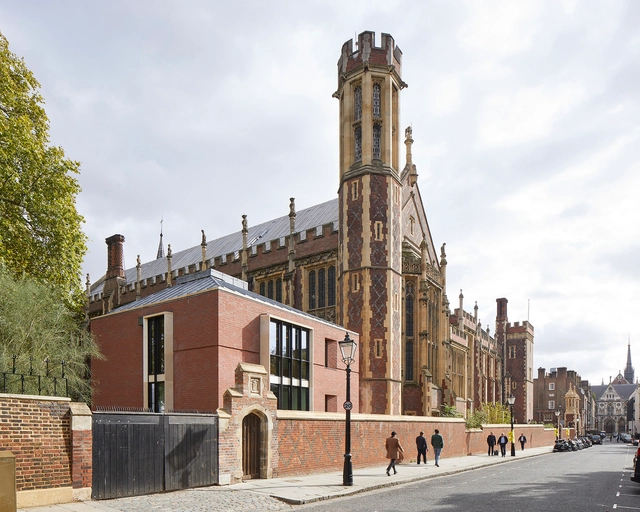
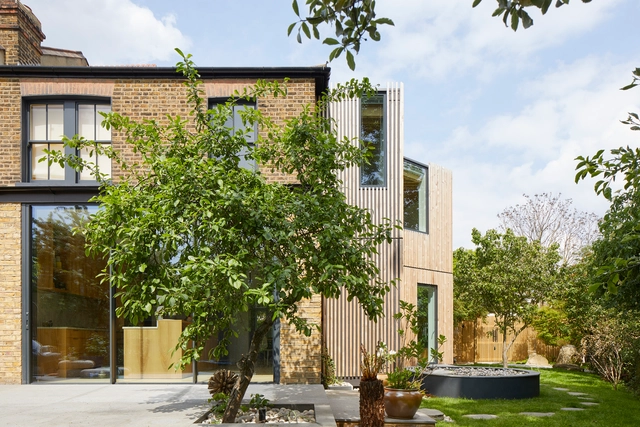
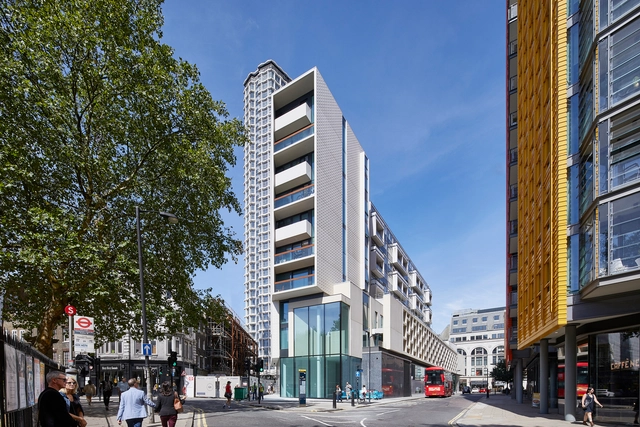
The 2018 London Design Festival is now underway, having returned for its 16th year. Running from 15th to 23rd September, and spread across the city, the Festival features works such as Snøhetta’s rotating book pavilion and a series of installations at the V&A celebrating the venue’s 10th year as the Festival’s official hub.
Below, we have compiled a list of collaborations to look out for throughout the week, including investigations into issues such as climate change and plastic pollution, and artistic themes such as Cubism and classical music.
.jpg?1513436169&format=webp&width=640&height=580)









.jpg?1530170265&format=webp&width=230&height=230&crop=true)
.jpg?1530170487&format=webp&width=230&height=230&crop=true)
.jpg?1530170126&format=webp&width=230&height=230&crop=true)

.jpg?1530170090)


.jpg?1513436115&format=webp&width=230&height=230&crop=true)
.jpg?1513436153&format=webp&width=230&height=230&crop=true)
.jpg?1513436096&format=webp&width=230&height=230&crop=true)
.jpg?1513435820&format=webp&width=230&height=230&crop=true)
.jpg?1513436169)


_Gabriel_Orozco.jpg?1480043133&format=webp&width=230&height=230&crop=true)