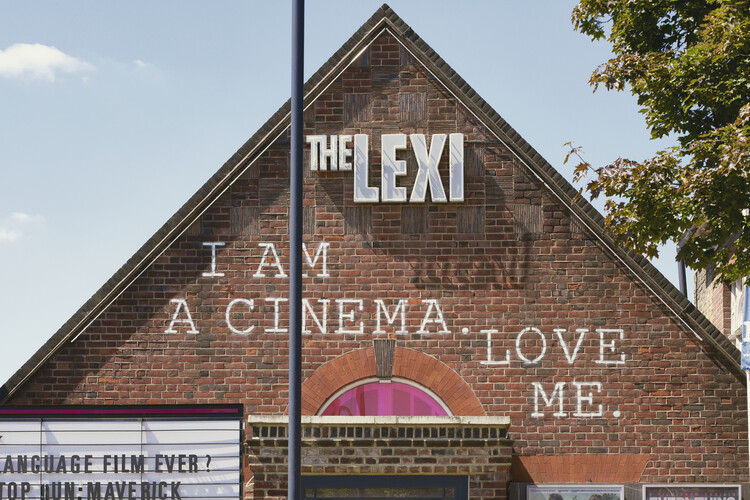
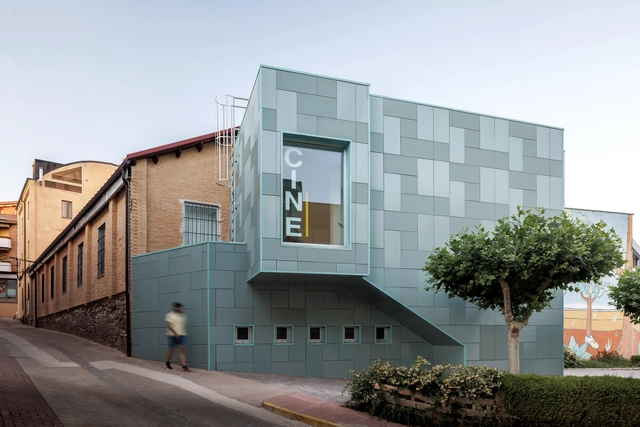
Over the years, cinema architecture has continually reinvented itself. From cinematic experiences that engage multiple senses to material technologies that reinterpret the aesthetics of past eras, the concept of the movie theater has enabled the recovery, revitalization, and renewal of numerous obsolete, ruined, or even historically protected spaces. Just as the Majestic Cinema reflects an important community function in Zanzibar, Tanzania, many twentieth-century buildings have found in adaptive reuse an opportunity to restore and preserve cultures, memories, and traditions that remain meaningful to their communities.
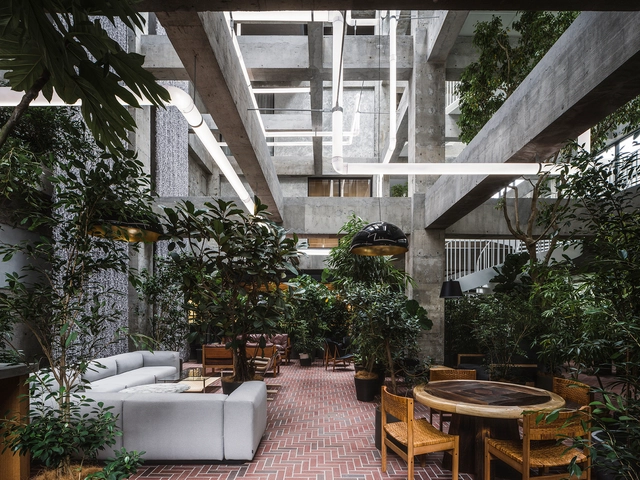
There is not enough that can be said about the benefits of incorporating plants in interiors or Plantscaping. Integrating vegetation indoors serves many purposes, whether practical, aesthetic, or psychological. Although there are basic requirements for incorporating greenery into Homes, well-thought-out plant selections and placements are characteristically different across the world. By going over recent interior works, a few recurrent plantscaping design patterns arose, each reflective of distinctive climates, building styles, and traditional building techniques.
While the type of the chosen plants varies depending on favorable conditions for growth and local availability, the main distinctions are related to the direct environment and display method in which the vegetation is set, as well as its intended purpose. While plants are there to offer mental wellness to some, they are essential for cooling to others, or could even be meant for small-scale farming.
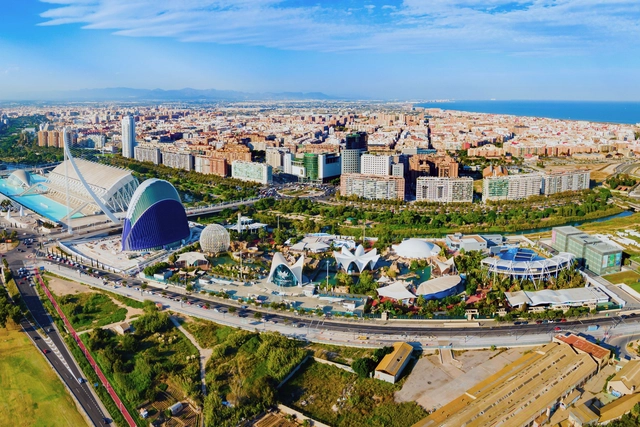
Valencia, one of Spain's most vibrant cities, boasts a rich architectural history that mirrors its cultural and historical evolution. Founded by the Romans in 138 BC, the city has been shaped by successive waves of influence, from the Visigoths and Moors to the Christian reconquest in the 13th century. Each period left a distinct architectural imprint, giving Valencia a unique blend of Gothic, Baroque, and Renaissance structures alongside modern interventions. Among the city's most prominent historic landmarks is the La Longa de la Seda, a UNESCO World Heritage site, which exemplifies late Gothic civic architecture, alongside the majestic Valencia Cathedral, where Romanesque, Gothic, and Baroque elements intertwine, illustrating the city's layered past.
Valencia's architectural evolution did not end with its historical legacy. Today, the city is a dynamic example of how modern and contemporary architecture can coexist with ancient structures. The striking City of Arts and Sciences, designed by Valencian architect Santiago Calatrava, has become an international symbol of innovation, pushing the boundaries of futuristic design. In parallel, urban planning projects like transforming the former Turia riverbed into a lush green park have redefined public space and sustainability in the city. This balance between preservation and cutting-edge design reflects Valencia's commitment to embracing modernity while honoring its historical roots, making it not only a city steeped in history but also one at the forefront of contemporary architectural practice.
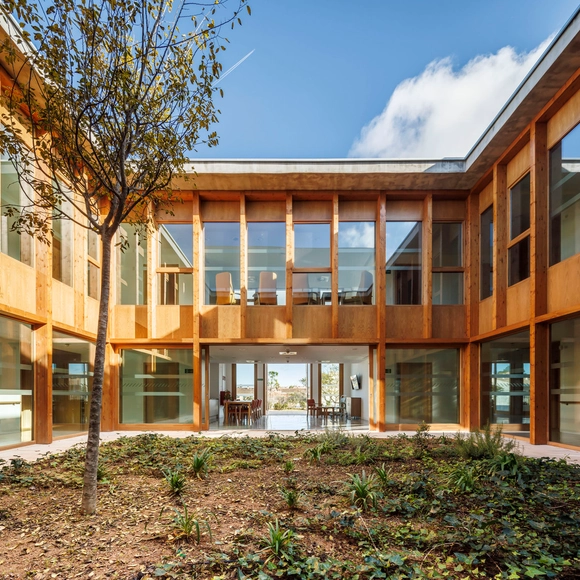
Faced with the aging of the global population, one of the most significant social transformations of the 21st century is anticipated. The design of patios, gardens, terraces, and other green areas in facilities for the elderly presents an opportunity to foster interaction, participation in various collective activities, and the establishment of gathering spaces aimed at reducing loneliness among older adults while enhancing well-being and social interaction in connection with nature. How can built environments be created to adapt to the needs of older adults?
ArchDaily's curatorial team strives every day to present our readers with the most significant, inspiring, and innovative projects, while also ensuring a diverse representation of global architecture.
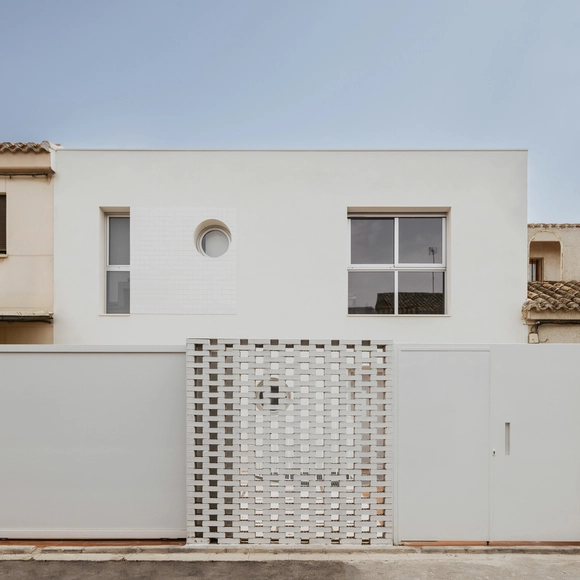
As part of our 2023 Year in Review retrospective on ArchDaily, we look back and reflect on what was published over the past year. Residential architecture remains one of our most visited categories of built projects, generating immense interest among our users worldwide. With this in mind, we have selected the 50 best houses published this year on ArchDaily en Español, offering a brief showcase of the form and character of residential architecture across the Spanish-speaking world.
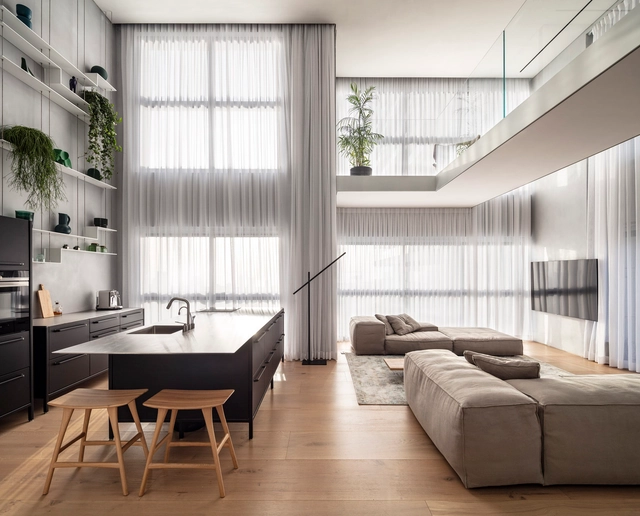
The layout of interior spaces has been in constant evolution since the very first residential project. For many years, functionality dictated how they're are organized, but soon after, cultural, social, and economical changes influenced the way people design their living space, bringing about the spacious and versatile open floor plan. A lot has been written - and critiqued - about the open floor plan: who introduced it, how it was developed, its benefits, and/or lack thereof. During the past couple of decades, open floor plans were perhaps among the most requested interior design concepts, but today, architects are leaning towards the opposite.
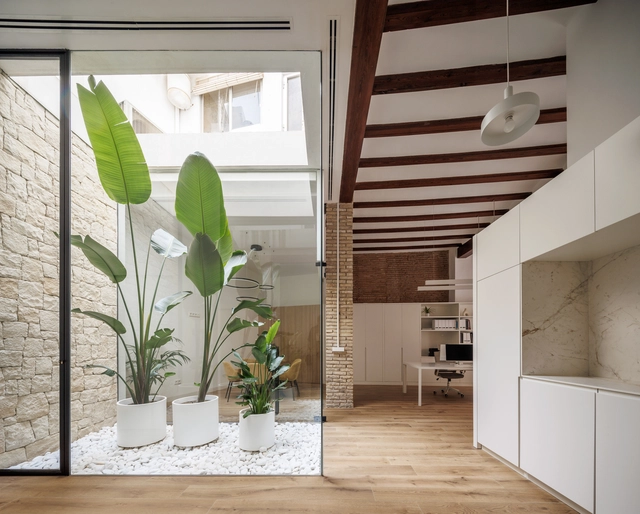
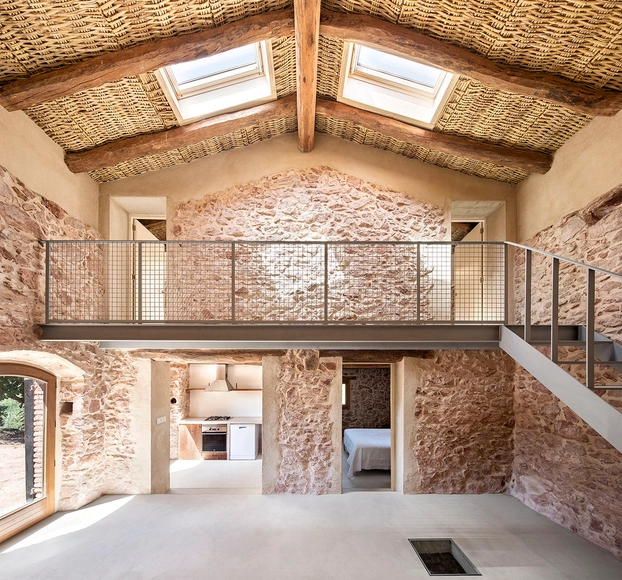
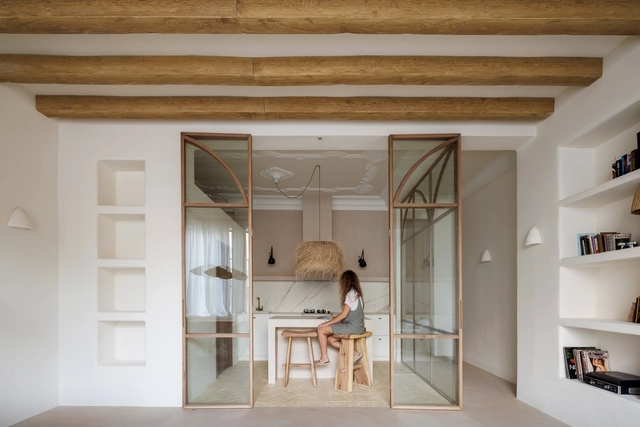
What does architectural restoration, transformation, or renovation entail? What factors are involved in their processes? When delving into the interiors of Spanish homes, we set out to discover the various methodologies, tools, and technical and construction strategies that are often employed, with stone as the main protagonist.
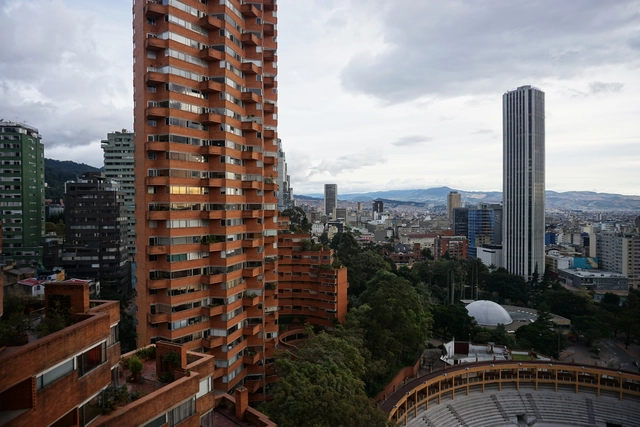
Bogotá is a metropolis that celebrates the convergence of different architectures, reflecting a significant part of Colombia's diverse culture and geography. Limited by the Eastern Hills, it is not only one of the highest capitals in the world, reaching almost 2,600 meters above sea level, but its history dates back to its foundation as the center of the New Kingdom of Granada in the year 1538.
This guide aims to provide an overview of its colonial, modern, and contemporary architecture, highlighting its main buildings and architectural points of interest. From its civic spaces to renowned public projects such as museums, libraries, and cultural centers, this list of 30 sites showcases works by modern architects like Rogelio Salmona and Germán Samper, as well as contemporary ones like Equipo Mazzanti and TAB. We hope it helps you get to know the city!