

Åke E:son Lindman
BROWSE ALL FROM THIS PHOTOGRAPHER HERE
↓
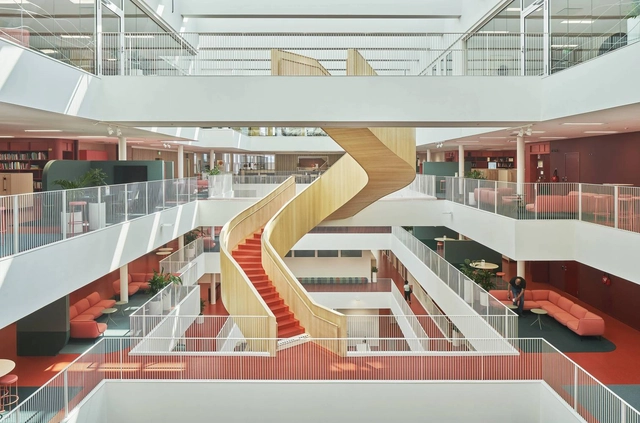
Mälardalen University Campus Eskilstuna / AIX Arkitekter + 3XN


https://www.archdaily.com/954415/malardalen-university-campus-eskilstuna-aix-arkitekterAndreas Luco
Qvillestaden Apartment Building / Bornstein Lyckefors


-
Architects: Bornstein Lyckefors
- Area: 8453 m²
- Year: 2018
https://www.archdaily.com/953848/qvillestaden-apartment-building-bornstein-lyckeforsPaula Pintos
Sandgrund Park / Thorbjörn Andersson + Sweco Architects


-
Architects: Sweco Architects, Thorbjörn Andersson
- Area: 40000 m²
- Year: 2008
https://www.archdaily.com/944754/sandgrund-park-thorbjorn-andersson-plus-sweco-architectsPilar Caballero
Wooden Architecture for Children: Designing Warm and Playful Spaces
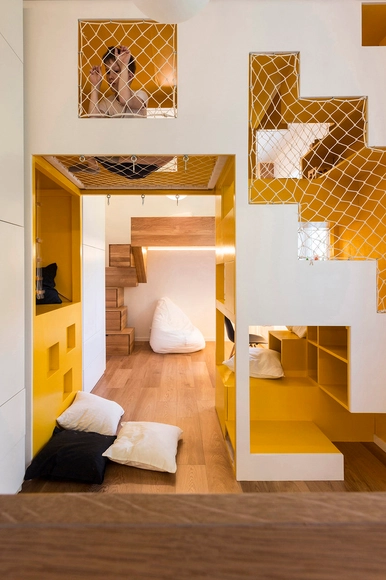


The environment we inhabit influences us directly. For kids, this environment must be especially safe and accessible, yet simultaneously stimulating, so that they can move and develop freely without jeopardizing their physical safety. We have already written about how to create playgrounds in interior spaces. Today, we put together a series of examples that use the warmth and versatility of wood to create interactive, creative, and fun interiors for children.
https://www.archdaily.com/941108/wooden-architecture-for-children-designing-warm-and-playful-spacesAudrey Migliani
Tips for Building a Tree House
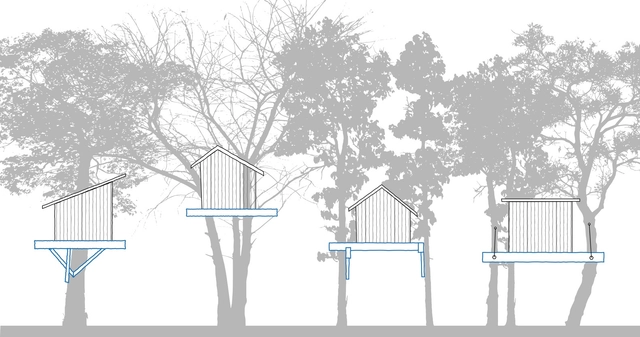
It is difficult to find someone who has never dreamed of building or having a tree house to call their own. The idea of a refuge, a space fully integrated with nature and with a privileged view, pleases almost all ages. There are examples of tree houses of all scales and complexities, from small elevated platforms to highly complex structures, including electrical and hydraulic installations. Some sites specializing in the topic (yes, that exists!), offer valuable tips for building these dreams. In general, they subscribe to the motto: "Choose your tree, make your project, but be ready to adapt it!"
https://www.archdaily.com/941000/tips-for-building-a-tree-houseEduardo Souza
Spotlight: Gert Wingårdh
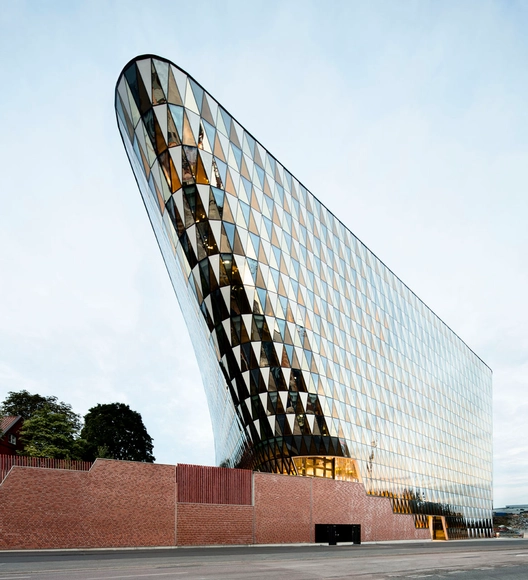
One of Sweden’s most esteemed living architects, Gert Wingårdh (born 26 April 1951) brought Swedish architecture out of the tradition of the International Style and into contemporary times with his playful design spirit and love of eye-catching materials. With his use of bright colors and geometric motifs, his recent buildings have been described as "Maximalist" or "Modern Baroque."


https://www.archdaily.com/786094/spotlight-gert-wingardhPatrick Lynch
Ellsinger House / Studio Ellsinger
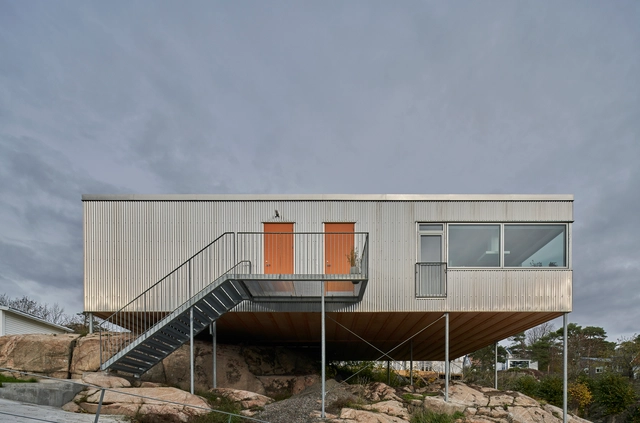


https://www.archdaily.com/935863/villa-ellsinger-ellsinger-arkibadPaula Pintos
Villa Olsson / Anders Holmberg Arkitekter


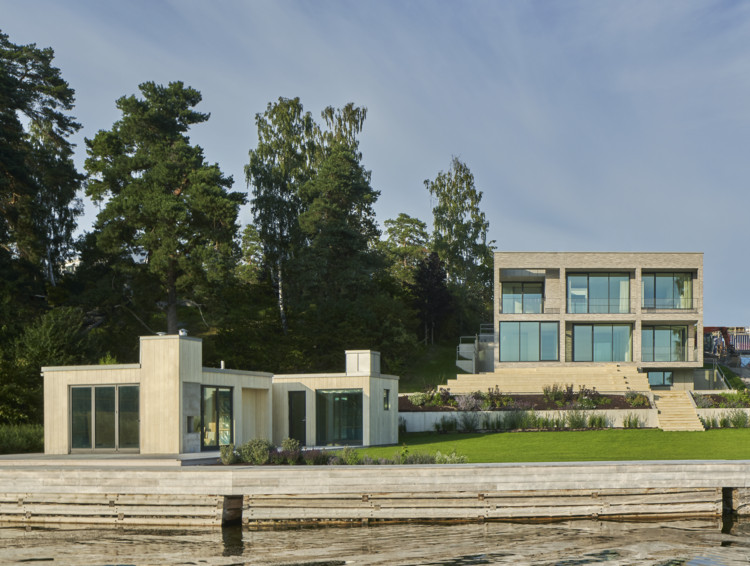
-
Architects: Anders Holmberg Arkitekter
- Area: 834 m²
- Year: 2019
-
Manufacturers: Louis Poulsen
-
Professionals: Liljencrantz Design, Ljustech Konsult
https://www.archdaily.com/935157/villa-olsson-anders-holmberg-arkitekterAndreas Luco
Skogbrynet Houses / R21 Arkitekter
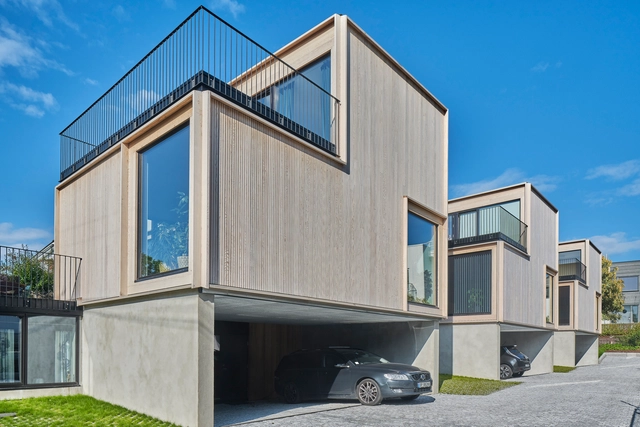


-
Architects: R21 Arkitekter
- Area: 640 m²
- Year: 2018
-
Manufacturers: Gilje Tre AS, Landheim Gruppen, Svenneby Sag og Høvleri
https://www.archdaily.com/933865/skogbrynet-houses-r21-arkitekterAndreas Luco
Adolfsbergsskolan School / LLP Arkitektkontor


-
Architects: LLP Arkitektkontor
- Area: 8100 m²
- Year: 2018
-
Professionals: ÅF, Karavan Landskap, KJIAB
https://www.archdaily.com/933824/adolfsbergsskolan-school-llp-arkitektkontorPilar Caballero
Kronängsskolan Campus Vaxholm / LLP Arkitektkontor


-
Architects: LLP Arkitektkontor
- Area: 7200 m²
- Year: 2017
-
Manufacturers: AutoDesk, Randers Tegl, Interface, Artigo, Fox design, +1
-
Professionals: ÅF Infrastructure, Jålab Markteknik, Faveo Projektledning AB, Land Arkitektur, Tyréns
https://www.archdaily.com/933827/kronangsskolan-campus-vaxholm-llp-arkitektkontorAndreas Luco
15 Details of Metal Structures and Facades for Residential Projects
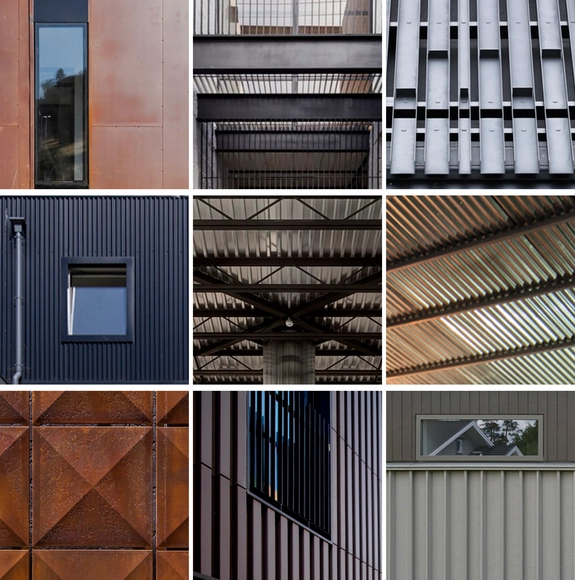
The use of steel in both the past and present is mainly associated with the success of grand industrial and civic structures. But due to the commercialization and standardization of steel profiles, its use in residential projects (thanks to its mechanical properties and fast installation) has resulted in complex and interesting solutions on a domestic scale.
Dive into these 15 construction details from residential projects that have made use of steel structures and cladding.
https://www.archdaily.com/799868/15-details-of-metal-structures-and-facades-for-residential-projectsFabian Dejtiar
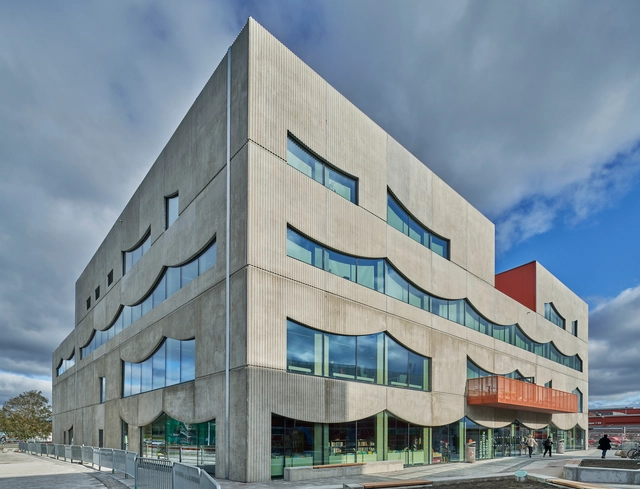
Selma Lagerlöfs Cultural Center / White Arkitekter


-
Architects: White Arkitekter
- Area: 6300 m²
- Year: 2018
-
Manufacturers: C&D snickeri, Cembrit, Fasadglas Bäcklin AB, Flexplåt, Itaab, +3
-
Professionals: Andesson & Hultmark, Atkins, ELK, FAST Engineering, Projektpunkten, +2
https://www.archdaily.com/931981/selma-lagerlofs-cultural-center-white-arkitekterPaula Pintos
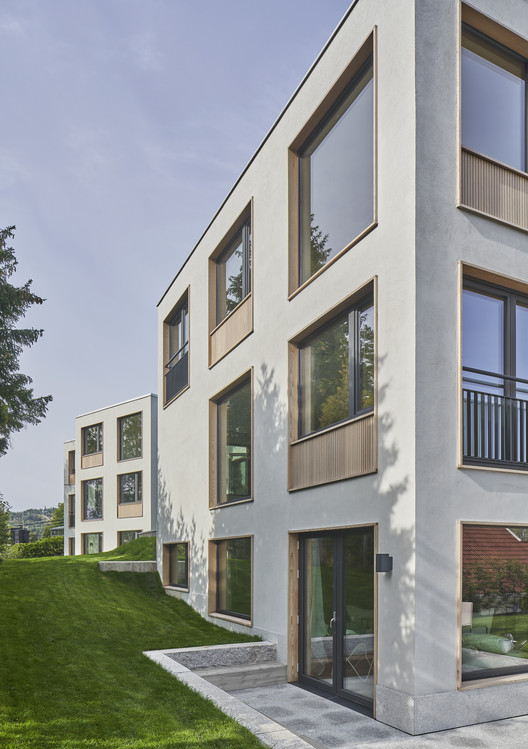
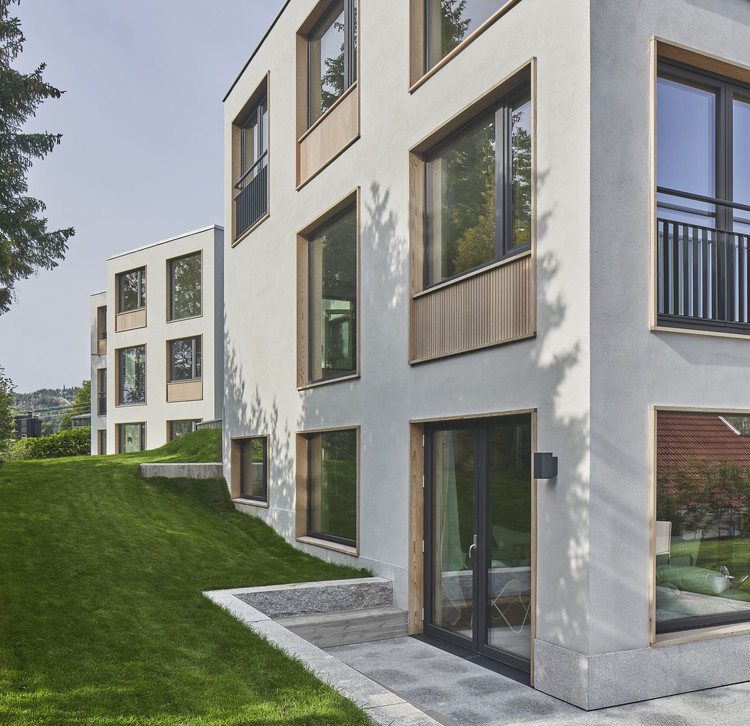
Tennisveien Villa Apartments / R21 Arkitekter


-
Architects: R21 Arkitekter
- Area: 1640 m²
- Year: 2019
-
Manufacturers: Contiga, Granab Gulv, HTH, Isachsen Anlegg, Lian Trevarefabrikk, +1
https://www.archdaily.com/931394/tennisveien-villa-apartments-r21-arkitekterPaula Pintos
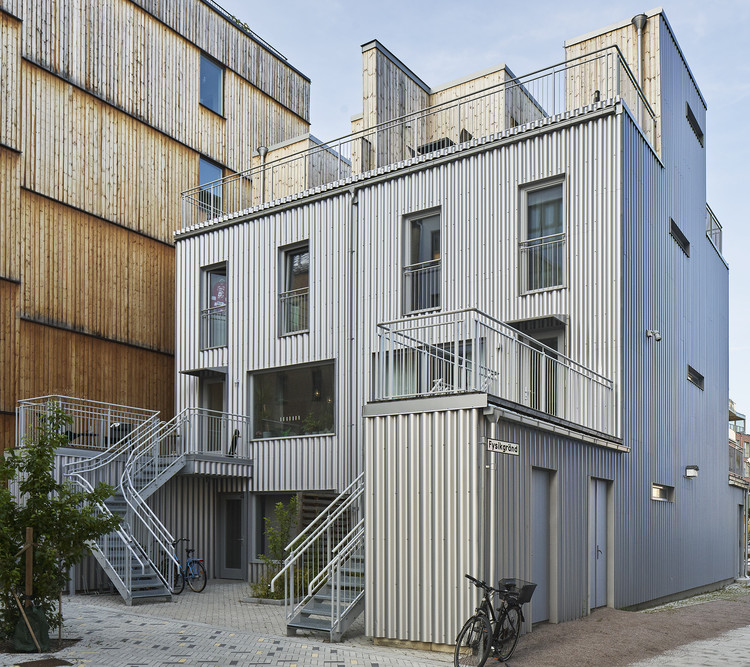
Lilla Integralen Apartments / sandellsandberg arkitekter


-
Architects: sandellsandberg arkitekter
- Area: 330 m²
- Year: 2018
-
Manufacturers: SSAB
https://www.archdaily.com/930449/lilla-integralen-apartments-sandellsandberg-arkitekterAndreas Luco
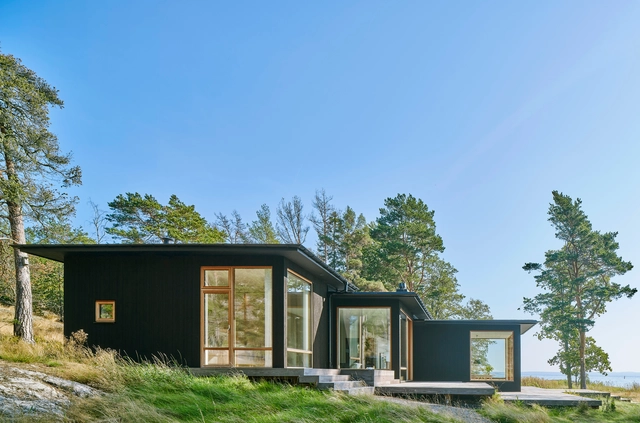
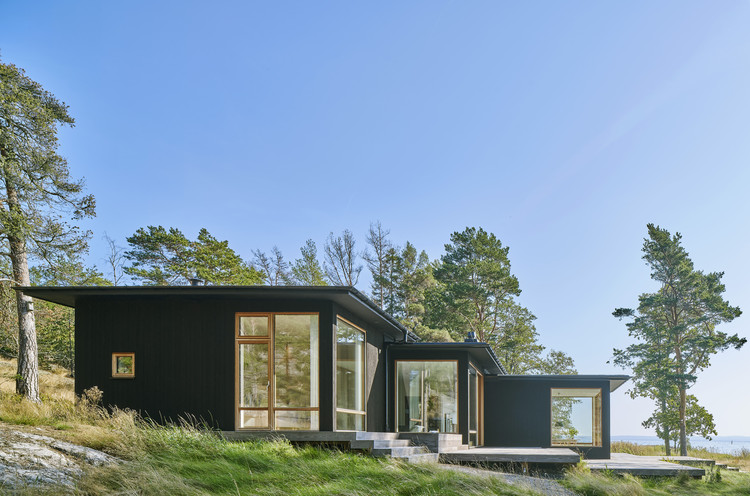
Holiday Home in the archipelago of Stockholm / Margen Wigow Arkitektkontor


https://www.archdaily.com/930377/holiday-home-in-the-archipelago-of-stockholm-margen-wigow-arkitektkontorDaniel Tapia
What is Glued Laminated Wood (Glulam)?
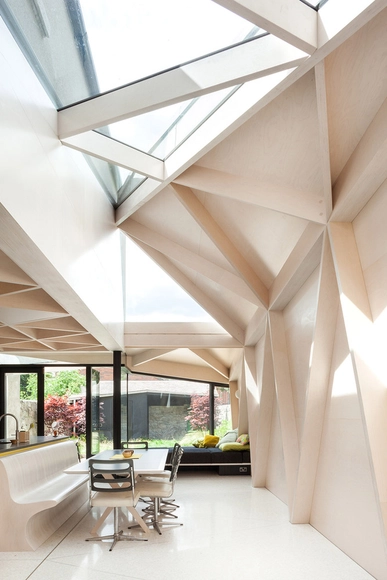
Glued Laminated Wood (Glulam) is a structural material manufactured through the union of individual wood segments. When glued with industrial adhesives (usually Melamine or Polyurethane resin adhesives), this type of wood is highly durable and moisture resistant, capable of generating large pieces and unique shapes.

.jpg?1573485211&format=webp&width=230&height=230&crop=true)


https://www.archdaily.com/928387/what-is-glued-laminated-wood-glulamAudrey Migliani
Walk-in Showers Without Doors or Curtains: Design Tips and Examples
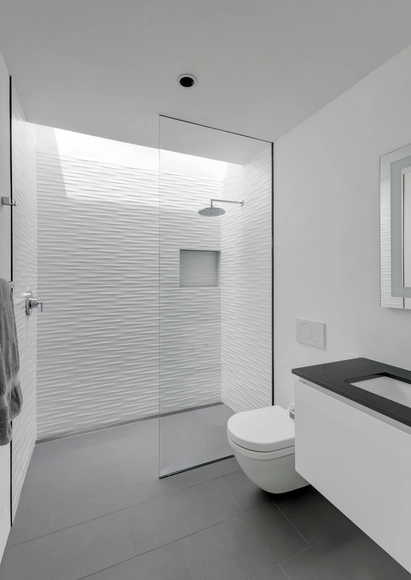


Because it doesn't include a bathtub, or require doors, screens, or curtains, the walk-in shower often makes bathrooms appear larger, cleaner, and more minimalist.
However, some precautions must be taken when designing them. Most importantly, the shower cannot be left completely open, even if it appears to be at first glance. Most designs incorporate a tempered glass that prevents water from "bouncing" out of the shower space, subtly closing the area. When this transparent division doesn't have a frame, the appearance of fungi due to accumulation of water and moisture becomes less likely.
https://www.archdaily.com/924998/walk-in-showers-without-doors-or-curtains-design-tips-and-examplesJosé Tomás Franco