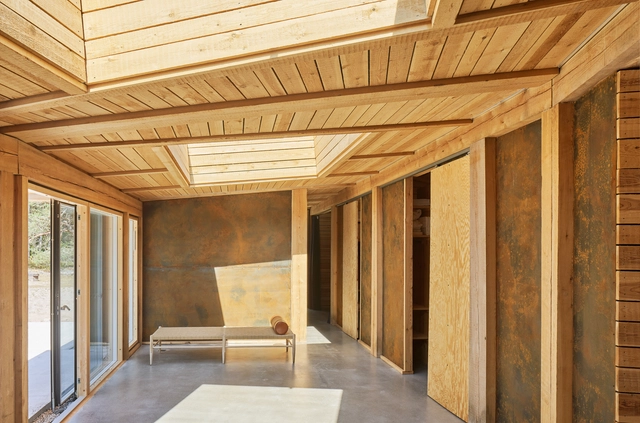
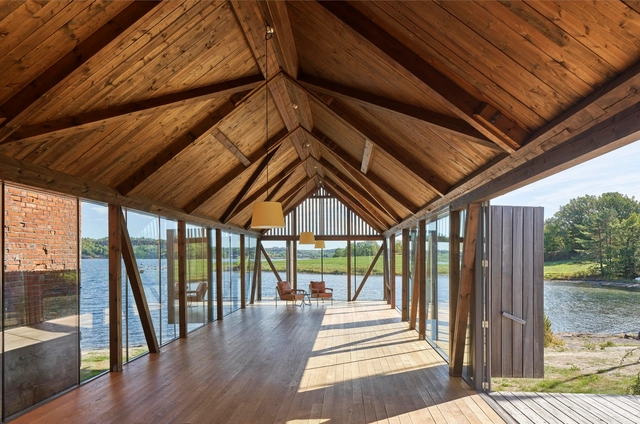
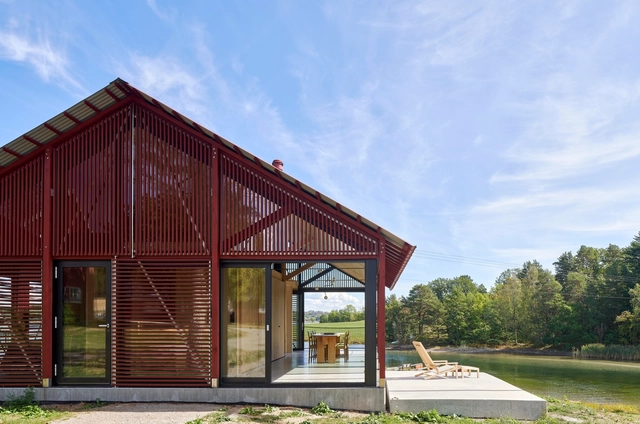
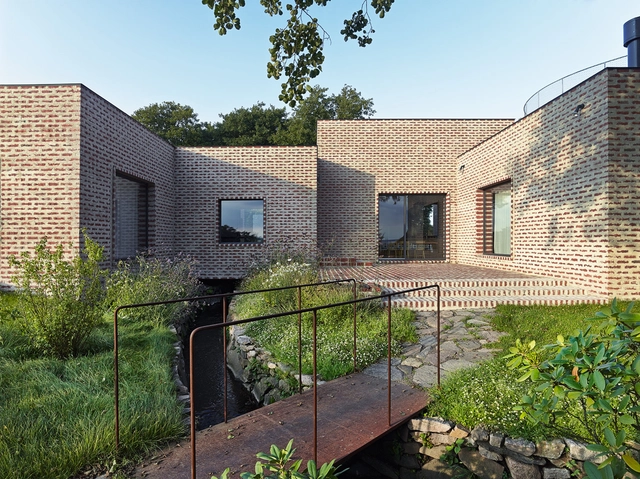
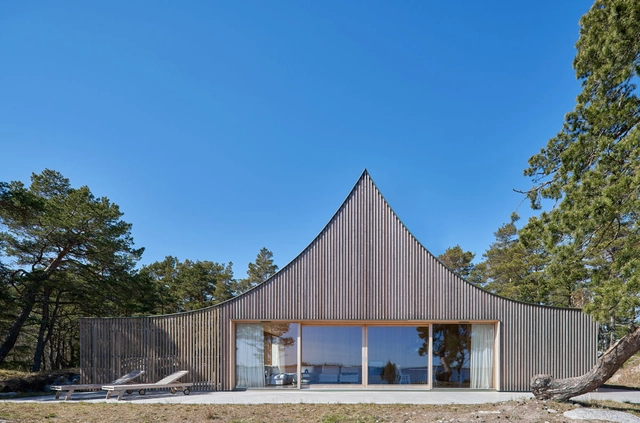
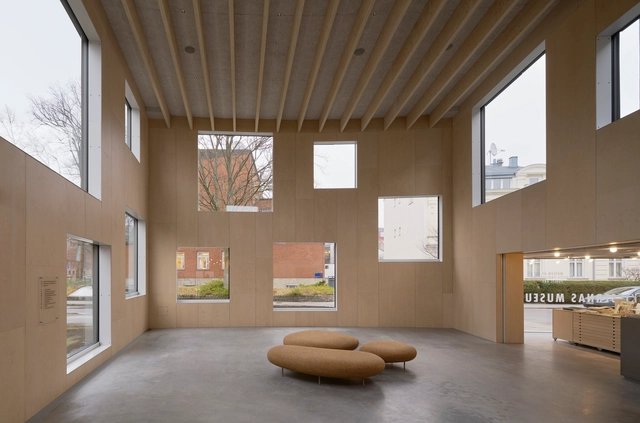
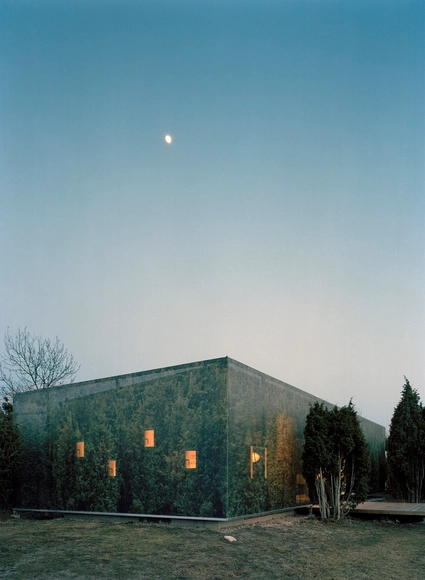
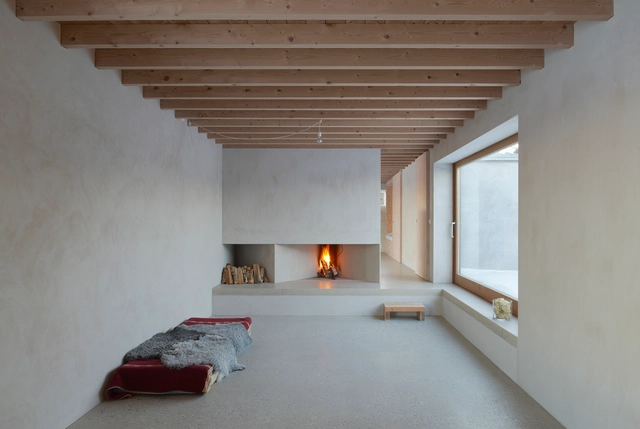
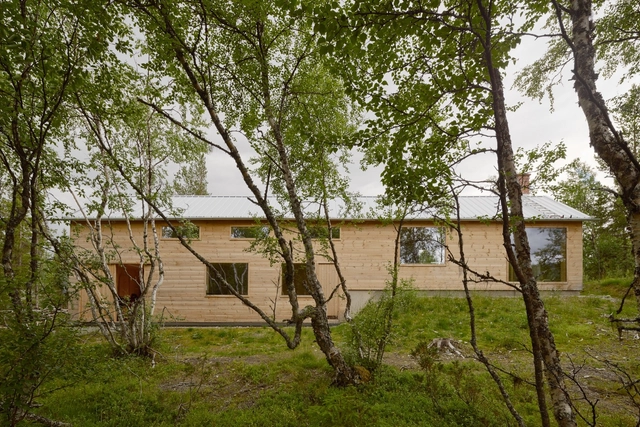
1997 Pritzker Prize laureate Sverre Fehn (August 14th 1924 – February 23rd 2009) was a leader in Post World War II Scandinavian architecture. “His work has an intuitive confidence in how to use the Nordic landscape and its particular light conditions within the built culture, and yet throughout his career each period has reflected a refined sensitivity to international changes and attitudes in architecture,” said his close collaborator Per Olaf Fjeld. “It can be compared to a poetic work conceived on an isolated mountain by a writer with an uncanny, intuitive sense of what is going on in the towns below.” [1]
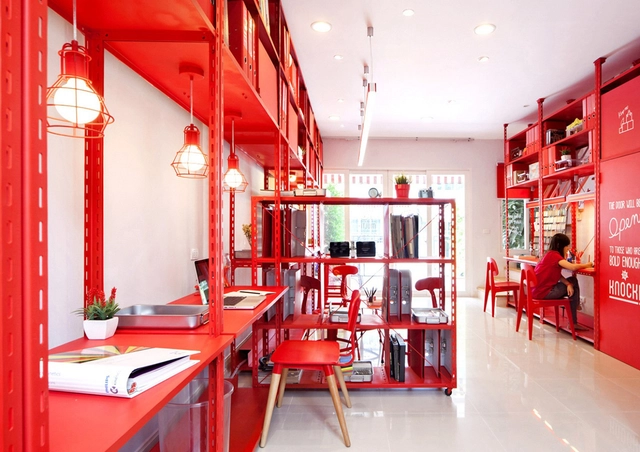
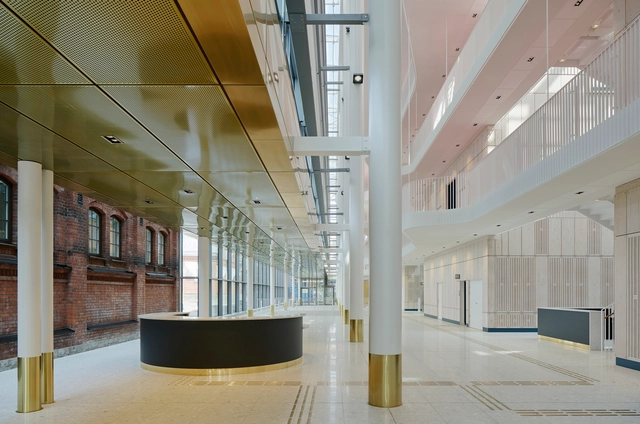
The functional distribution plays a fundamental role in the contemporary design of offices and places for work. The study of the architecture plan shows an interesting form of approach; not only allows for proper logistics and circulation but find efficient variations and innovations that will enable better workspaces that adapt to the current needs.
We have selected more than 50 plans of projects that will inspire you, recognizing the different ways in which architects have faced the challenge to design offices, in all different scale ranges.
Time Magazine’s list of the World’s Greatest Places 2018 celebrates 100 destinations to visit, stay, eat, and drink from around the world. Chosen by Time’s global team of editors and correspondents, the contenders have been evaluated on quality, originality, innovation, sustainability, and influence.
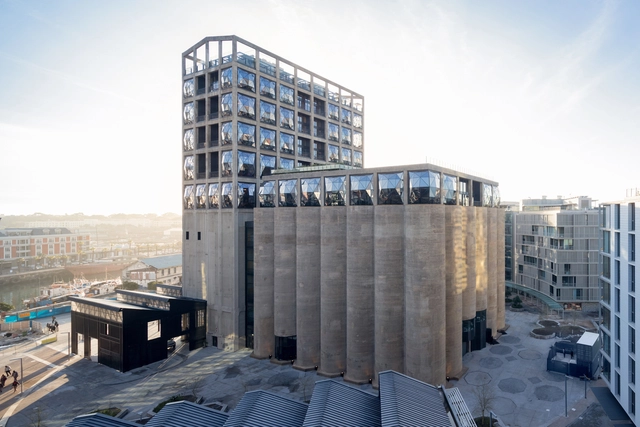
The list features many architectural delights young and old, designed by famous architects past and present. Ranging from a treehouse in Sweden to a soaring art museum in South Africa, the projects are united by their architectural excellence, worthy of exploration by both architects and the general public.
https://www.archdaily.com/901009/22-of-the-worlds-greatest-architecture-projects-selected-by-time-magazineNiall Patrick Walsh
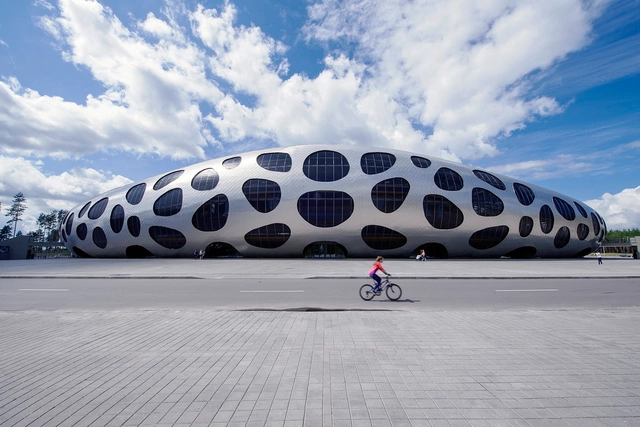
Stadiums —new or remodeled— provide excellent and innovative examples of architecture on a large scale; they are required to shelter thousands of people, including the athletes of the games they host. In addition to the technical aspects and considerations related to sports, these structures apply interesting cladding systems, with some stadiums even generating the energy needed to function.
Read on for more about stadiums and their structures in detail.
Architecture schools and the students they house have a particularly unique and interesting building-user relationship. Architecture students value the buildings of their school not only for providing the valuable work space necessary for constructing studio projects but also as an example and model of a building in use. As the buildings are the places where students first learn how to read and understand architecture, design schools become full-scale teaching tools that help new designers grasp structure, details, how materials perform and interact, and so many of the other core concepts of architecture. While the scrutiny of students and faculty can be exhaustive, architects have embraced the challenge of creating engaging works of architecture that both suit the specific needs of a school and take on the pedagogical challenge of educating students by example.
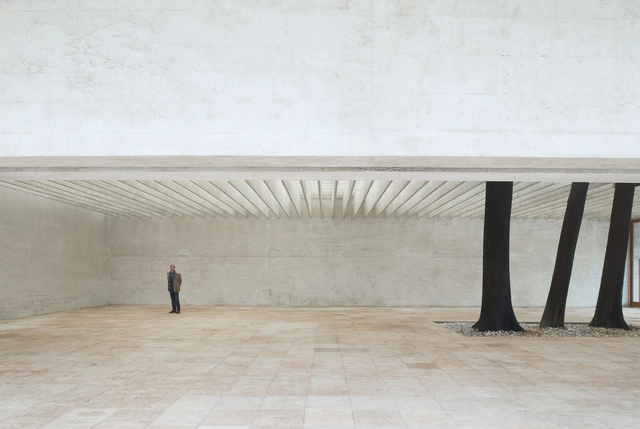
Often informed by its harsh climate and stunning landscapes, Nordic design, specifically architecture, has a unique relationship with nature. Photographers of Nordic architecture have benefitted from studying this close connection in their photos that experiment with capturing light, innovative materials, and landscape to create a compelling composition. Below is a selection of images of both public and private architecture by prominent photographers such as Pasi Aalto, Bert Leandersson, Mika Huisman and Åke E: Lindman.


.jpg?1561645831&format=webp&width=640&height=580)
.jpg?1561645855&format=webp&width=230&height=230&crop=true)
.jpg?1561646024&format=webp&width=230&height=230&crop=true)
.jpg?1561646218&format=webp&width=230&height=230&crop=true)
.jpg?1561645941&format=webp&width=230&height=230&crop=true)
.jpg?1561645831)