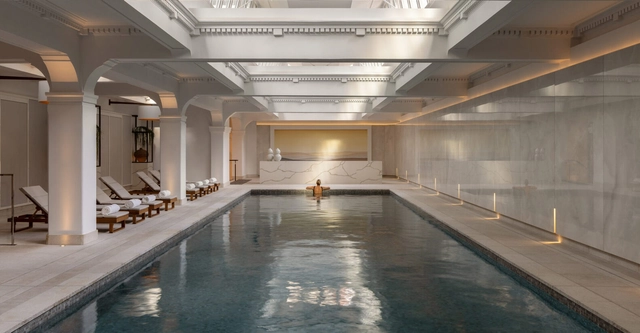
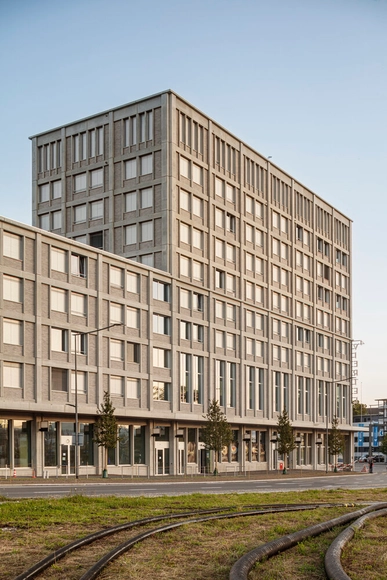
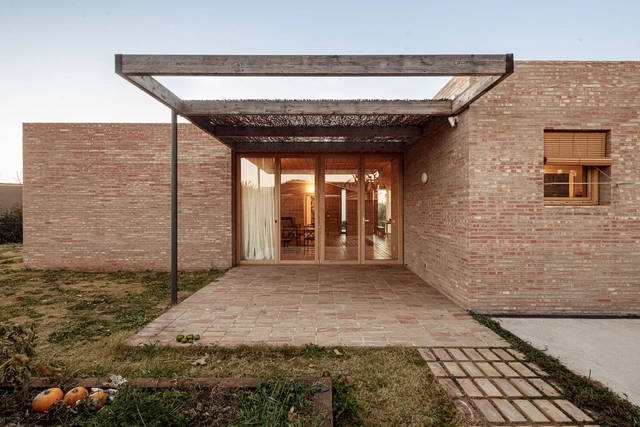
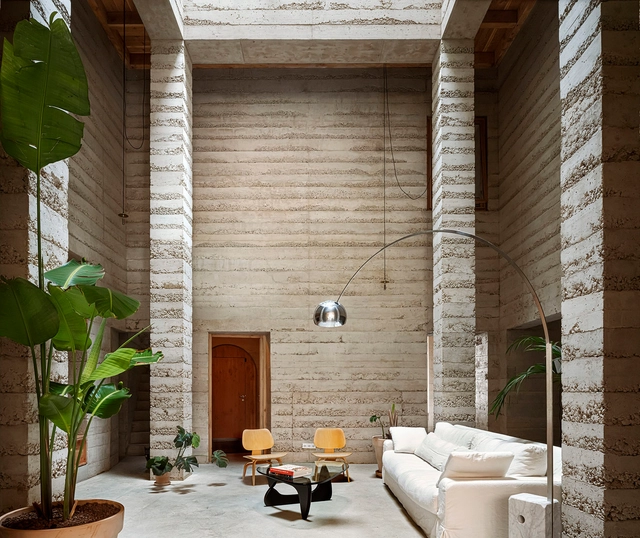
The evolution of new technologies, innovative applications, and a shift towards sustainable solutions are central to contemporary hotel architecture. These developments aim to raise awareness about environmental care while enhancing indoor comfort and well-being. From expansive resorts and tourist complexes to cabins and remote retreats, the design of common areas incorporates essential furniture for effective activities, proper climate control equipments, and wall and floor finishes that align with specific needs.
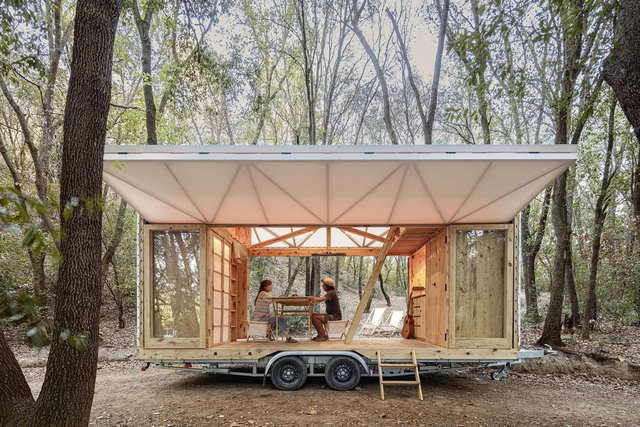
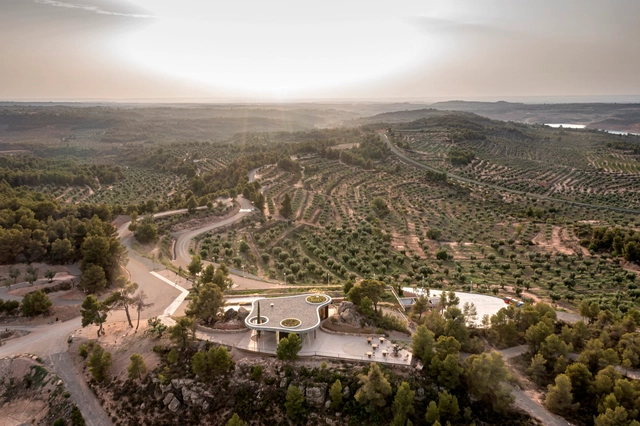
Anyone who lives in a big city may have dreamed of moving elsewhere and living isolated, in a house among the trees or on a deserted beach. During the pandemic and the endless months of quarantine, many more may have had this same idea. As romantic and seductive as this may seem, however, living deep in nature comes with some important practical challenges. Rarely would anyone give up the little comforts they are used to, like turning on a faucet or charging their cell phone. If the location is, in fact, remote, it may not have electricity, drinking water, gas, sewage, or solid waste collection. But there remain several possibilities for a life with comfort and without neighbors. What are the main solutions to enable this and how can an architectural project provide an off-the-grid life?
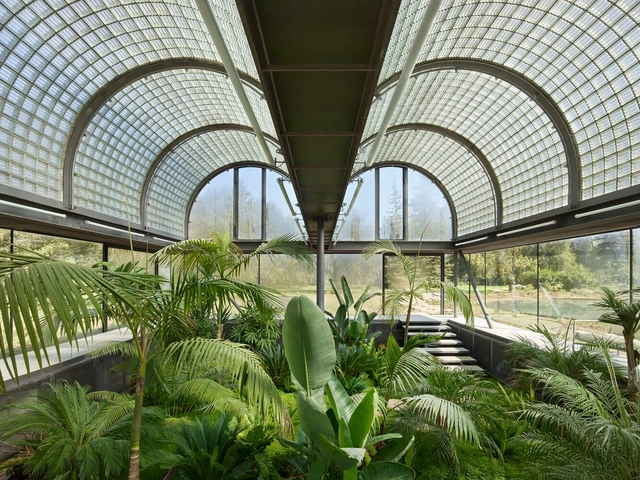
When delving into the envelope of construction and examining how the interior relates to the exterior, the concept of greenhouses emerges as an opportunity to cultivate life indoors, whether dependent on external factors or not. Defined as spaces enclosed by glass or other transparent plastic materials, greenhouses facilitate the growth of vegetables and ornamental plants even during periods of adverse external weather conditions. However, what does designing for plants involve?Climate, species, structural design, and the type of covering are just a few of the considerations to take into account.
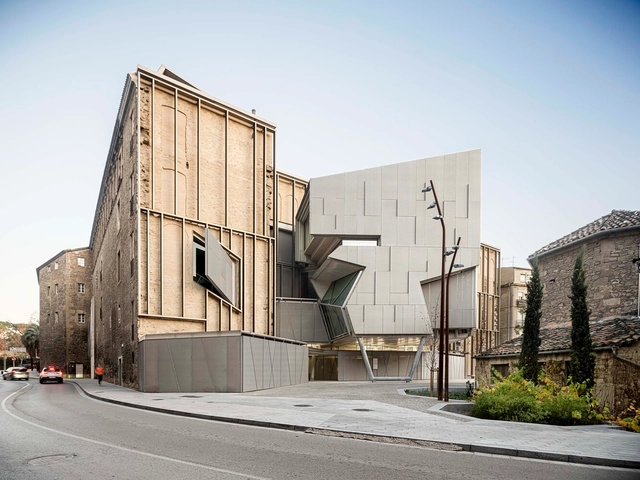
In recent decades, the term "adaptive reuse" has gained tremendous popularity as an eco-friendly construction approach. But what if there was something more poetic about reframing a space and its stories for new users? These architects show that once-deemed disposable facades, walls, and textures can obtain new meaning through bold and clever juxtapositions. These adaptations proudly display their conversions and layers of historical patina under them as a batch of honor and speak to the permanence of buildings and their impermanence in use and interpretation. Through subtle formal moves and daring material choices, they transformed structures that would have been otherwise demolished and reimagined them in new and intriguing ways.
One of the most essential aspects of interior design is lighting – an element that can make or break an interior space of any size or material. Yet good lighting can be especially important for smaller or more crowded spaces, making them feel larger and more open even when their literal dimensions haven’t changed. In turn, larger spaces with poor lighting may feel smaller and less welcoming than they have the potential to be. To make interiors feel aptly large and well lit, designers can rely on several tried and true methods that make the most of a space, from using the right shades and types of lights to placing them in the best locations to integrating other elements that best complement existing lighting. These strategies, as well as several examples of their application, are listed below.
https://www.archdaily.com/947631/how-to-virtually-enlarge-spaces-using-good-lightingLilly Cao
How is it possible to reduce the energy consumption of our homes? What design, material, and/or technological strategies can be developed to achieve interior comfort while also addressing the climate crisis? While achieving energy efficiency depends, among other factors, on the state of the homes, there are various strategies related to the implementation of renewable energies, air conditioning technologies, and more that can be applied, taking into account government policies, laws, regulations, and standards specific to each region.
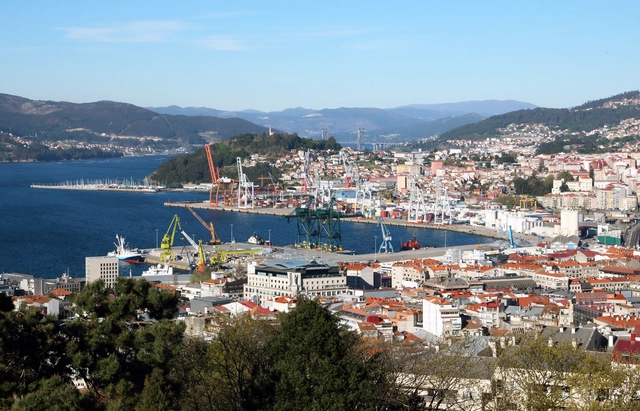
Vigo and San Fernando have been selected as host cities for the third edition of the TAC! Urban Architecture Festival by Spain's Ministry of Transport, Mobility, and Urban Agenda (MITMA), where temporary pavilions will be built to accommodate an extensive cultural program. Widely considered a benchmark for emerging ephemeral architecture, this edition of the festival seeks to showcase projects that highlight the potential of architecture, innovation, experimentation, and young talent.