

-
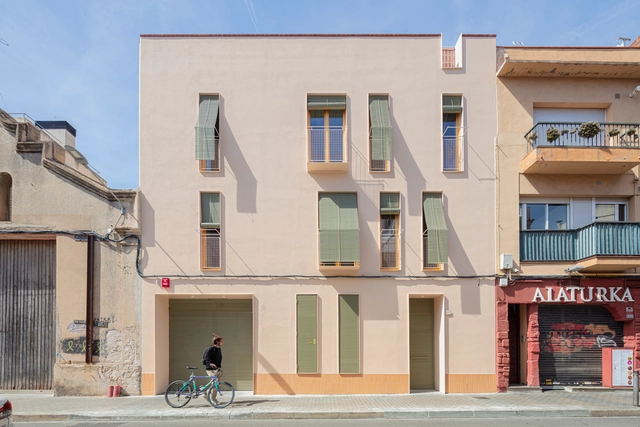
Architects: BE STUDIO
- Area: 1092 m²
- Year: 2023
-
Manufacturers: CERAMIQUES CALAF, Ceràmica Ferres, PAVINDUS
-
Professionals: Campanyà Vinyeta Arquitectes



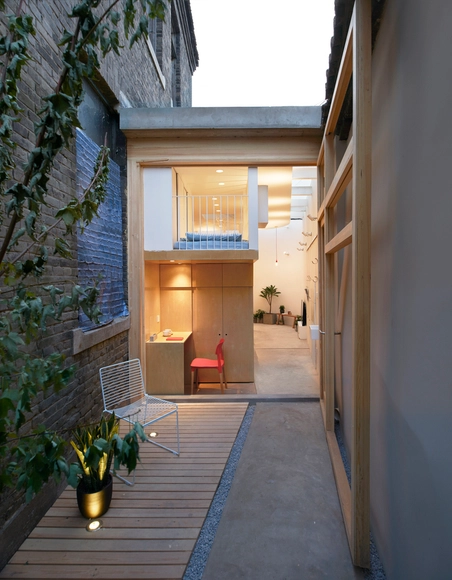
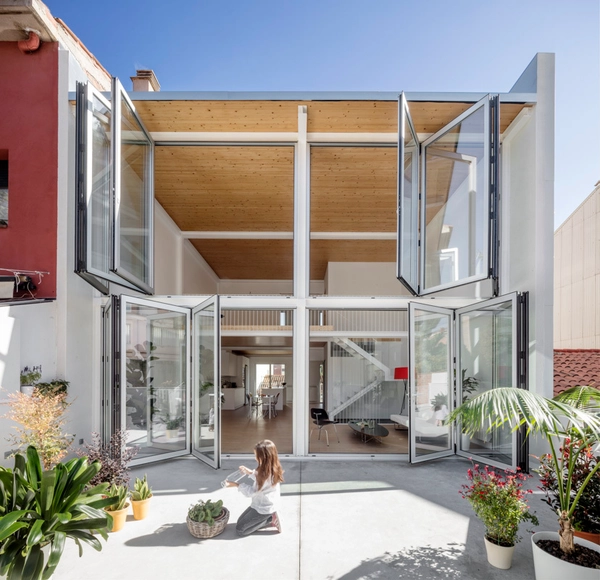
One of the most essential aspects of interior design is lighting – an element that can make or break an interior space of any size or material. Yet good lighting can be especially important for smaller or more crowded spaces, making them feel larger and more open even when their literal dimensions haven’t changed. In turn, larger spaces with poor lighting may feel smaller and less welcoming than they have the potential to be. To make interiors feel aptly large and well lit, designers can rely on several tried and true methods that make the most of a space, from using the right shades and types of lights to placing them in the best locations to integrating other elements that best complement existing lighting. These strategies, as well as several examples of their application, are listed below.
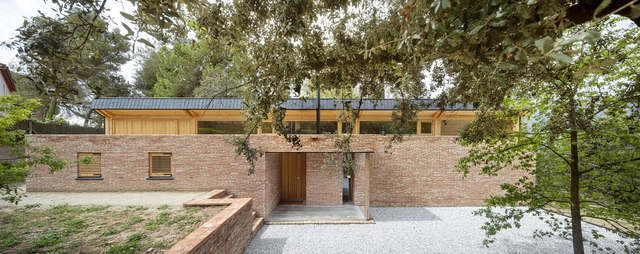
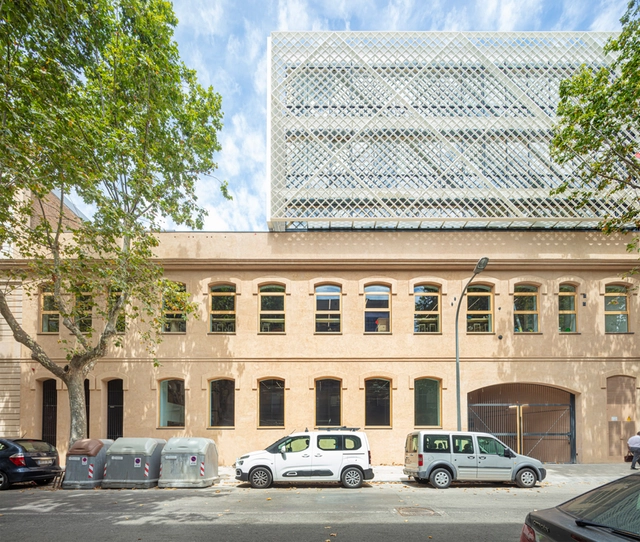
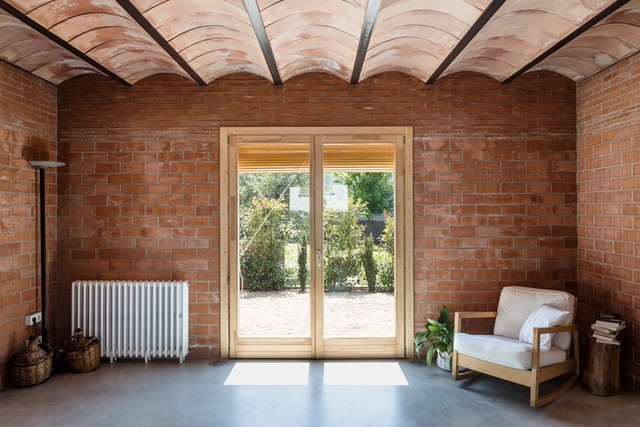
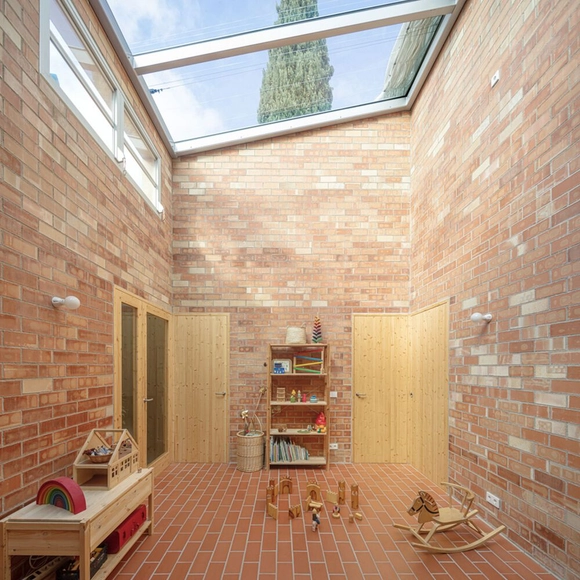
The ample supply, durability, and affordability of brick makes it one of the most widely used and iconic materials in Spanish architecture, especially within the Mudejar tradition. Throughout history, they have added both beauty and function to the spaces that use them, offering protection from the elements while also permitting the entry of natural light and air flow.
In recognition of brick's impact on Spanish architecture throughout history, we have created a compilation of contemporary projects that highlight its aesthetic and functional benefits along with advice from their creators about how best use this tried and true material.
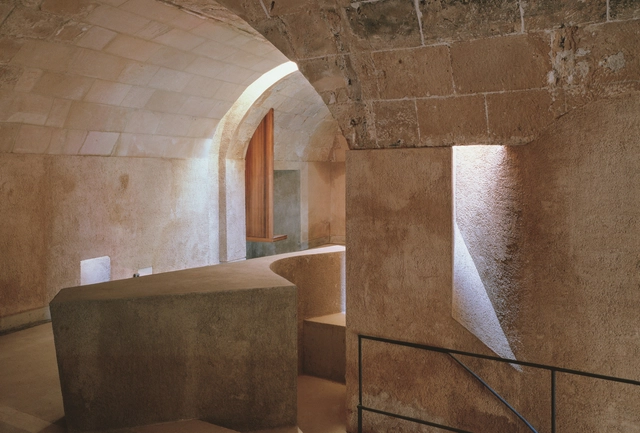
Eva Prats and Ricardo Flores started their Barcelona-based practice, Flores & Prats Arquitectes in 1998 after both worked at the office of Enric Miralles. They overlapped for about one year there, from 1993 to 1994. After her nine-year stint with Miralles, Eva won the EUROPAN III International Housing Competition with a friend. The success that led to a real commission and was going to be built, served as the springboard for starting their independent practice. Shortly thereafter they won another competition. Ricardo joined Eva after working for five years with Miralles. By then they were a couple for three years and decided to start working together. Today they practice out of the same sprawling apartment where Eva’s original studio rented a room along with several other young architects and designers. Even though the office now occupies the entire space—the architects told me they typically employ ten, no more than twelve people—they keep traces and memories of the former “dwellers” alive. Curiously, Eva and Ricardo implement the same strategy in their architectural projects as well.
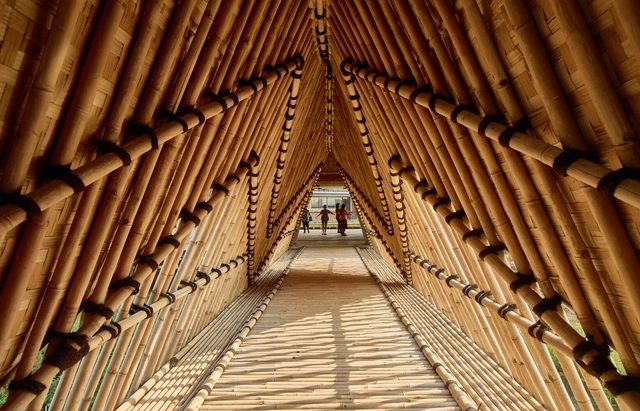
For architects, schools are often complex structures to design. They must provide a variety of spaces for education, and also consider sports and recreational activities. But beyond its size or surface, the greatest challenge is to design an area that fosters a positive pedagogical environment for children. Below, a selection of +70 school projects with their drawings to inspire your proposals for learning campuses.
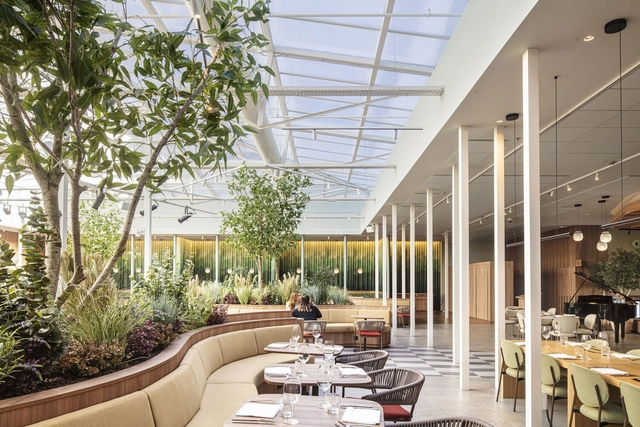
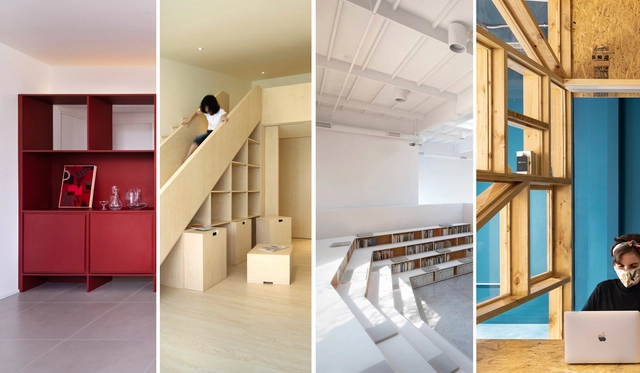
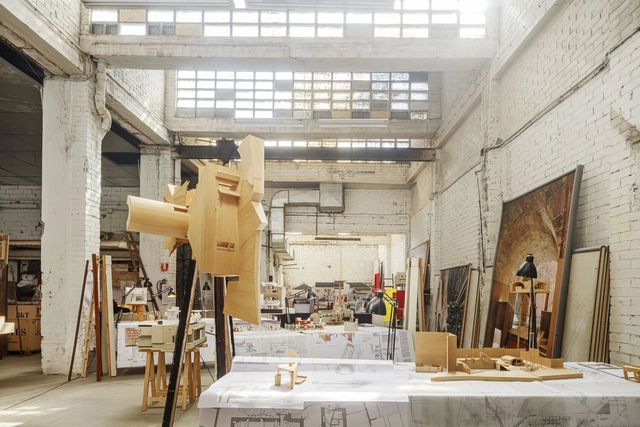
With the rise of small houses and dense cities, we were forced to sacrifice a good amount of storage space. Ironically, we did not compromise our purchasing habits, so with a few square meters to work with, architects and designers had to come up with efficient storage solutions and make the best of the limited space they have. However, if you were lucky enough to be occupying a large, unobscured space with a generous budget, your storage design possibilities are endless. In this article, we look at how architects and designers found creative ways to store their belongings in spaces with different functions, scales, and spatial constraints, ranging from completely invisible units to sculptural centerpieces.
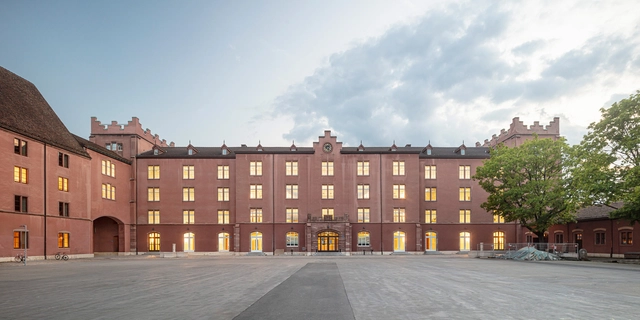

The key to successfully designing or recovering public spaces is to achieve a series of ingredients that enhance their use as meeting places. Regardless of their scale, some important tips are designing for people's needs, the human scale, a mix of uses, multifunctionality and flexibility, comfort and safety, and integration to the urban fabric.
To give you some ideas on how to design urban furniture, bus stops, lookouts, bridges, playgrounds, squares, sports spaces, small parks, and urban parks, check out these 100 notable public spaces.






.jpg?1627408898&format=webp&width=230&height=230&crop=true)


