

-
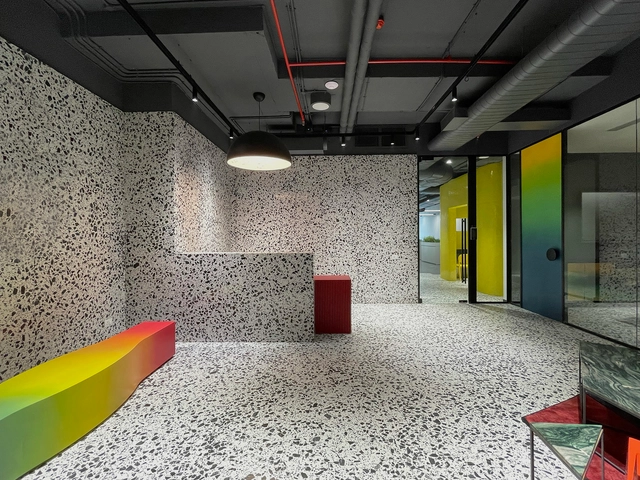
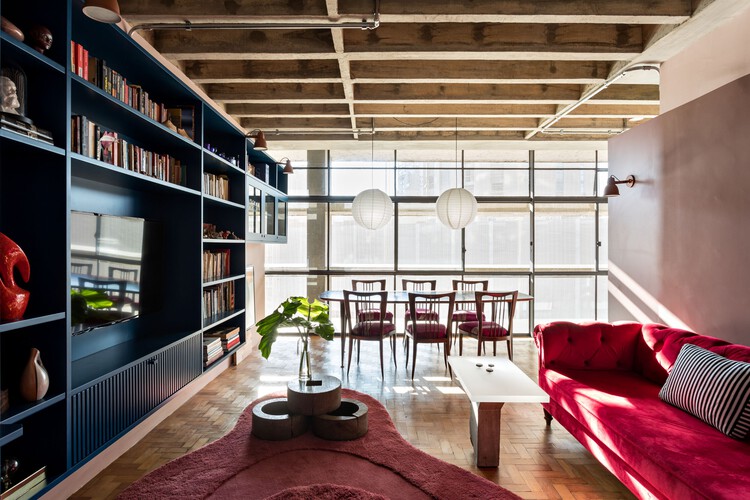
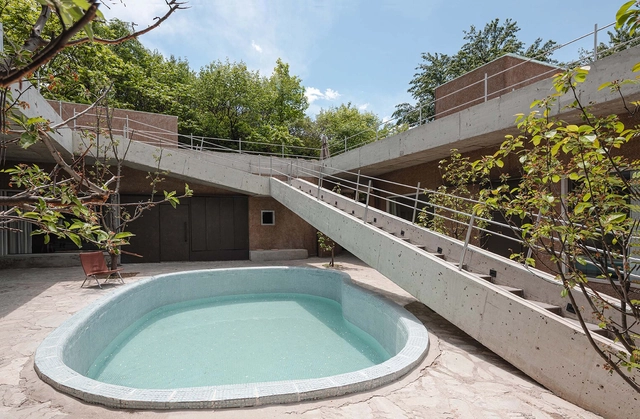
Architects: AML Design studio
- Area: 380 m²
- Year: 2021



Global management consultancy McKinsey & Company in 2016 noted that the construction industry was ripe for disruption. Considered one of the world’s largest sectors, the forced advancement and adoption of innovative technologies have allowed the engineering and construction (E&C) industry to persevere in the last two years. In fact, a more recent report, also from McKinsey, noted that the construction industry is more likely to emerge from the pandemic leaner, more digitised, and with a greater eye toward sustainability.
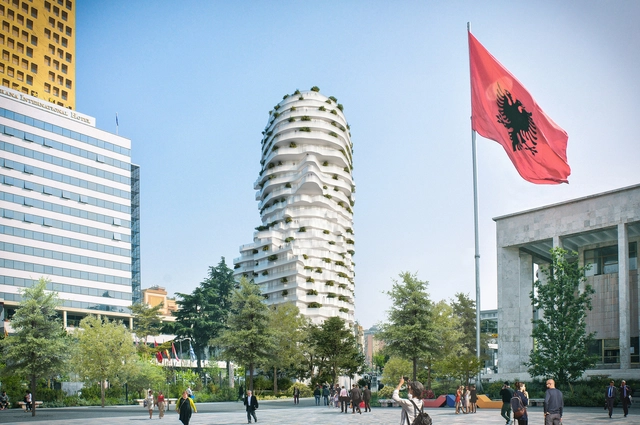
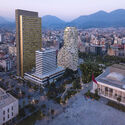
MVRDV has begun construction on Skanderbeg Building, officially known as Tirana’s Rock, a mixed-use project that is sculpted into the shape of Albania’s national hero. The building is wrapped in curved balconies that form the shape of Skanderbeg's head, serving as an iconic landmark at the Skanderbeg Square in the center of Tirana. Once complete, the project will be one the world’s largest buildings that doubles as a figurative sculpture, celebrating the country’s cultural history while giving the Albanian capital a unique identity.
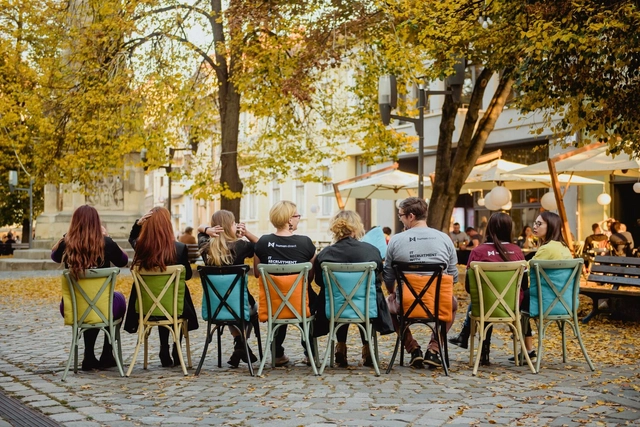
ICLEI Circulars has launched a new practical Equitable Transitions Guidebook to help cities make sure that their urban development projects are equitable for all groups of citizens. The guidebook is based on multiple case studies from cities worldwide under the Urban Transitions Alliance project. The guide’s purpose is to provide insights, recommendations, and tools for city practitioners to understand better and unpack what social equity means at the local level. The publication is free to download.
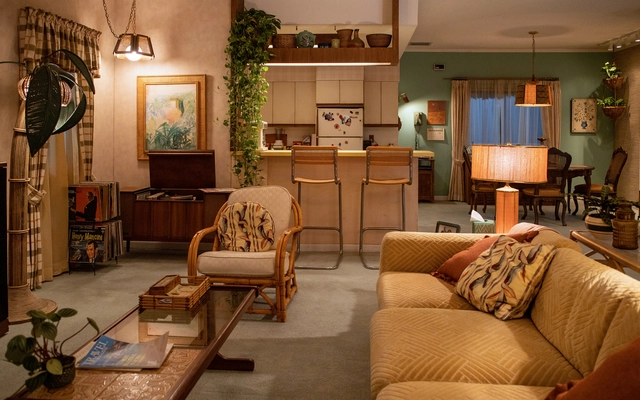
Amy Lee Wheeler is the production designer for "Gordita Chronicles", an HBO series that tells the story of a girl and her family from the Dominican Republic who immigrates to Miami in 1985, after the country's political and economic instability. Upon arrival, the "American dream" brings them an unpleasant surprise after discovering a materialistic city concerned about social status.
How was the home where she lived and the school where she studied? How was the office where her father worked? These were some of the spaces that Amy Lee Wheeler had to design and set with furniture and colors of iconic vintage styles, drawing inspiration not only from old movies, books, and catalogs but also from personal photographs. The construction of the set in Puerto Rico and the ongoing pandemic presented unique and unprecedented challenges, so ArchDaily interviewed her to learn about the work process behind the scenes.
This article was originally published on Common Edge.
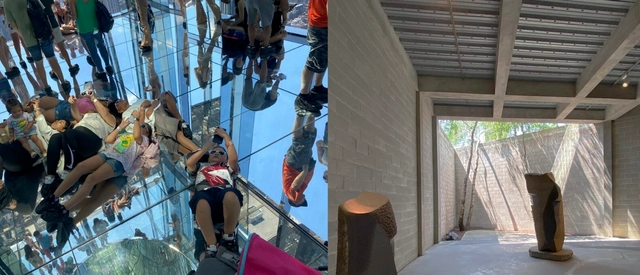
Was there ever a time when architects felt properly valued? Probably not. Certainly not since the profession became dependent on the business of America, which is business. With economic growth as the country’s prime directive through the 20th century, architects—as members of the construction industry—played their part. How? By designing buildings of all kinds that were lighter, cheaper, and quicker to erect. Architects’ values might have been social, artistic, even cosmic, but their value to society has been primarily economic.


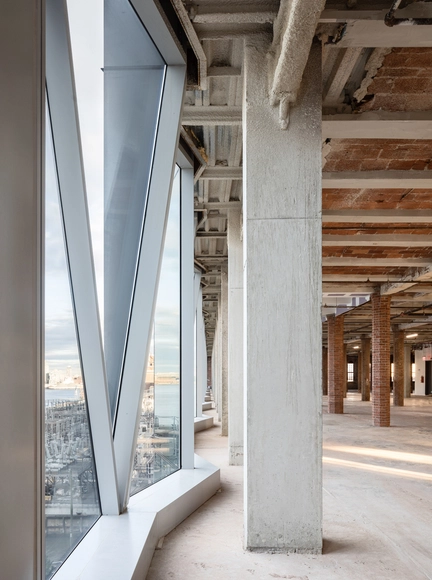
Concrete can be found in almost any type of construction around the world. But how is it made?
During manufacturing, once in contact with water, concrete’s main ingredient, cement, binds to any aggregates present and goes through a number of complex chemical reactions. That eventually turns it into concrete, a material that is very durable and easy to work with. Despite this reliable durability, concrete can go through a number of internal processes that can lead to serious structural concerns. One of these is alkali-silica reaction (ASR), which can cause cracks in concrete and even put structures in danger of collapse over time.