

-
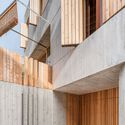
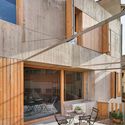
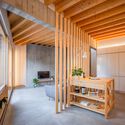
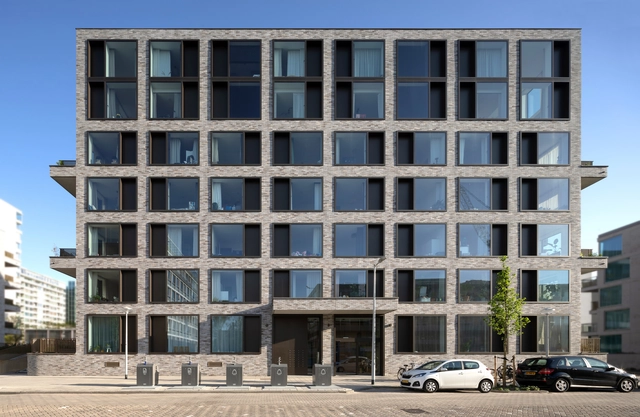
Architects: Koschuch Architects
- Area: 7500 m²
- Year: 2021
-
Manufacturers: Reynaers Aluminium, Sto, Aberson, Drain Products / Permavoid, Hermeta, +2
-
Professionals: Van Bekkum B.V., LBP | Sight


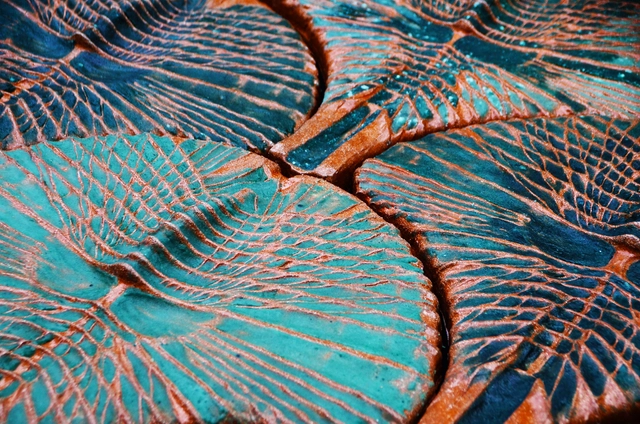
Indians have traditionally lived close to the earth, their cultures shaped by symbiotic relationships with ecosystems. Indian arts and crafts strongly rely on nature for its form, philosophy, and existence. Native landscapes aroused the artistic sensibilities of resident communities, evolving craft practices that met utilitarian and ritualistic needs. The intersectionality of ecology and culture is evident through ancestral forms of craft.

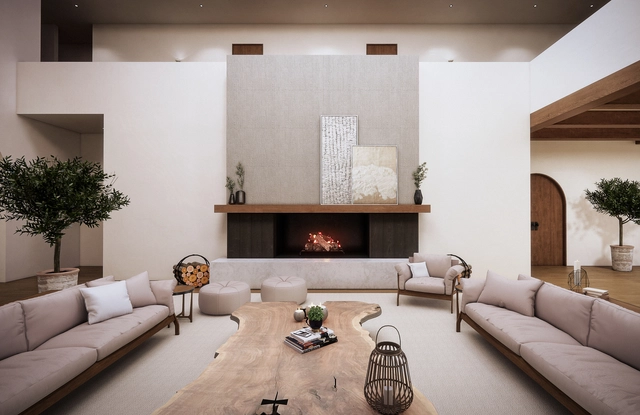
Real-time visualization is an excellent tool for creating beautiful renderings and streamlining workflows within architectural and design projects. It plugs into your CAD, enabling you to visualize as you design.
On top of the high-quality renderings it produces, its speed and ease of use are some of the reasons why many firms have added it to their workflows. See how real-time visualization has benefitted these three firms.
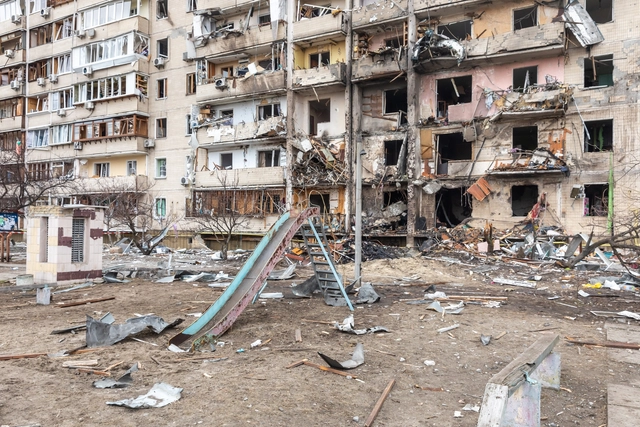
This week marks six months since Russia launched its war and invaded cities in Ukraine, causing detrimental destruction on a local and global scale. Since the beginning of the war, millions of Ukrainians have been internally displaced, losing their homes, businesses, and families. UNESCO has verified damage to 139 sites, including 62 religious sites, 12 museums, 26 historic buildings, 17 buildings dedicated to cultural activities, 15 museums, and seven libraries across Kyiv, Chernihiv, Kharkiv, Zaporizhzhya, Zhytomyr, Donetsk, Lugansk, and Sumy.
To help mitigate the devastating repercussions of the war on Ukrainians and the country's heritage, several humanitarian, preservation, and economic initiatives have been put in place by NGO's and governments from across the world.


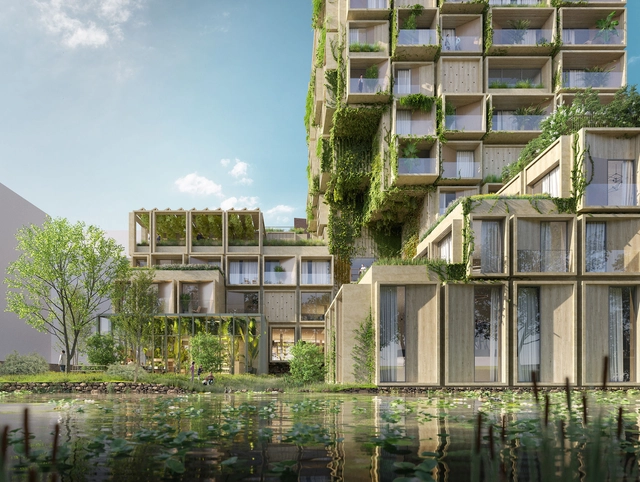
The new apartment complex designed by Venhoeven CS and DS Landschapsarchitecten is characterized by the intention to stimulate biodiversity. Located on a four-acre plot in the Sluisbuurt on the Zeeburgereiland in Amsterdam, the complex will include 82 homes, a parking garage, and spaces for shops and businesses. The nature-inclusive project pays special attention to the design of green roofs, terraces, and facades to create micro-environments for local flora and fauna and to optimize energy consumption.


In the book Design of Childhood, architect and researcher Alexandra Lange states that children were considered nonpersons throughout almost the entire history of ancient and modern architecture, being excluded from the process of creating urban and interior spaces. This process has caused and is still causing several problems when children reach adulthood, since these children grew up being constantly watched by fear of movement and the eyes of adults.
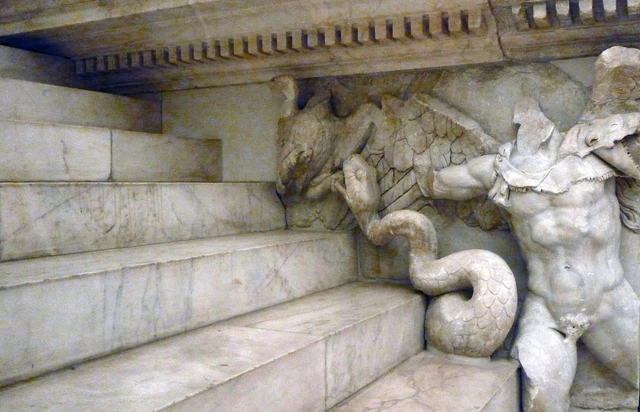
Discussions of architectural form demonstrate how disability is negatively imprinted into the field of architecture. In architectural theory and the history of architecture, “form” typically refers to the physical essence and shape of a work of architecture. In the modern idea of form, it is a quality that arises from the activity of design and in ways that can be transmitted into the perceptions of a beholder of architecture. Form provides a link between an architect’s physical creations and the aesthetic reception of these works. It occupies a central place within a general understanding of architecture: the idea of the architect as “form-giver,” among many other turns of phrase, conveys the sense of some fundamental activity and aesthetic role of form within architecture, what architects create, and how people perceive works of architecture.