




-
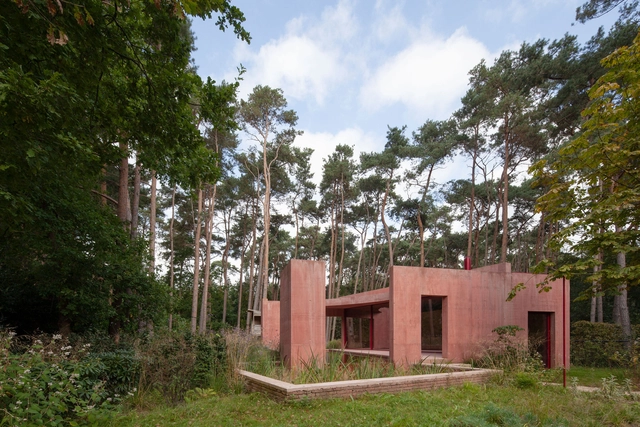
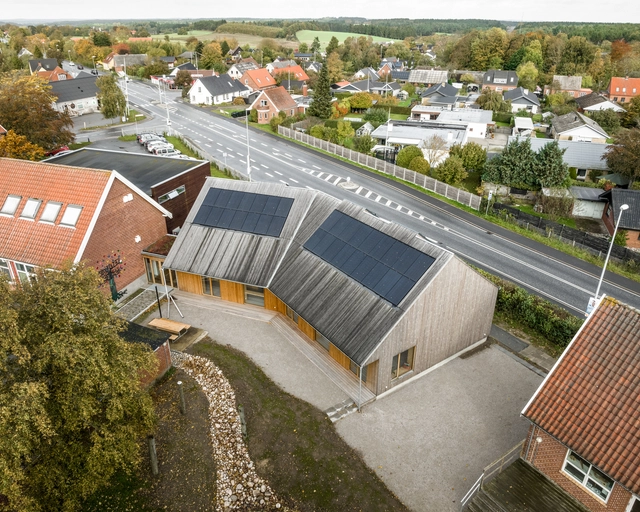
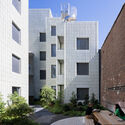
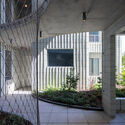
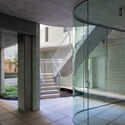
Architects: Abbott Brown Architects
- Area: 728 m²
- Year: 2022
-
Manufacturers: Agway Metals Inc., Vetta Windows & Doors
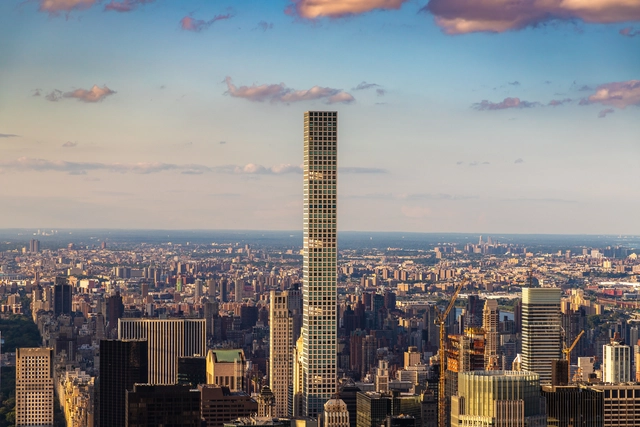
The world of architecture is mourning the death of the renowned Uruguayan-American architect, Rafael Viñoly, who passed away at the age of 78. With more than half a century of experience in the profession, Viñoly was known for his bold and imposing designs that were built in various cities around the world.
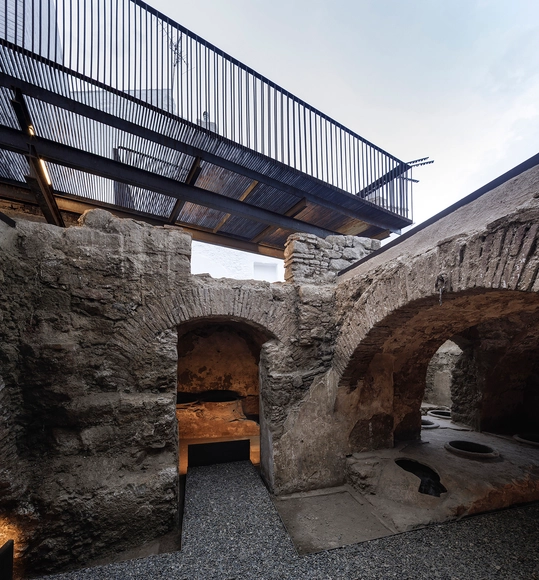
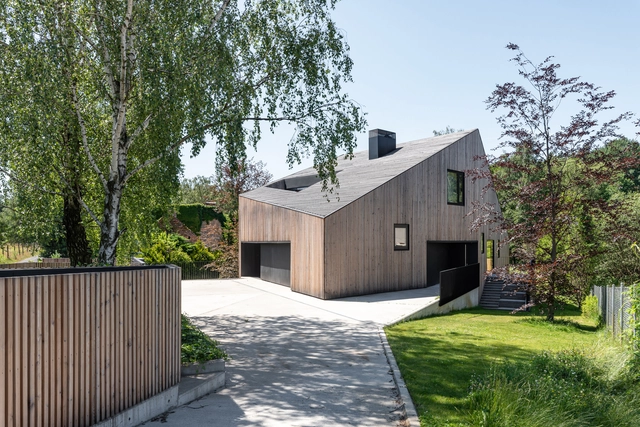
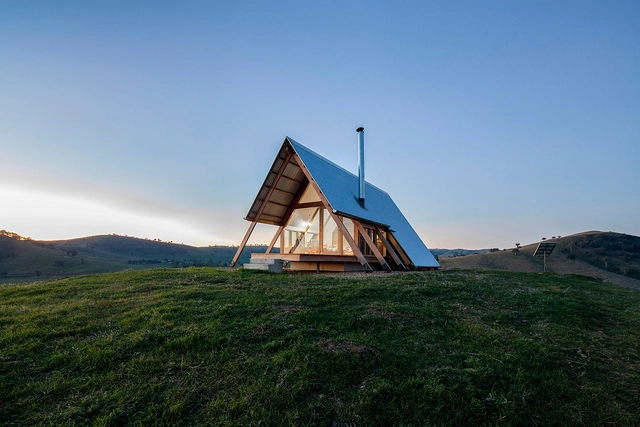
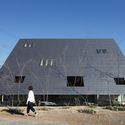
The roof is one of the most essential structural elements of nearly every construction. It is the element that allows a delineated space to transform into one that feels protected. Strongly related to the climatic conditions of the context, the roof's variations in aesthetic and structural design have allowed architects to indulge their stylistic preoccupations to convert roofs not only into elements of closure and climate protection but into a character-giving feature that lends identity and flair – especially when the roof becomes a wall.
Following this opportunity, we want to highlight great examples of roofs that also become walls: 13 houses in which the roof completes the façade, delineating not only the interior in its vertical sense but also in the horizontal one.

In the 1956 competition to design the city of Brasilia, Lucio Costa's proposal differed significantly from his competitors'. In contrast with the detailed plans and well-designed perspectives of the other competitors, the winning proposal presented the minimum required by the tender: a drawing of the pilot plan and a report. In the report, a few simple drawings supported the text, demonstrating the architect's ability to synthesize ideas in a few lines.
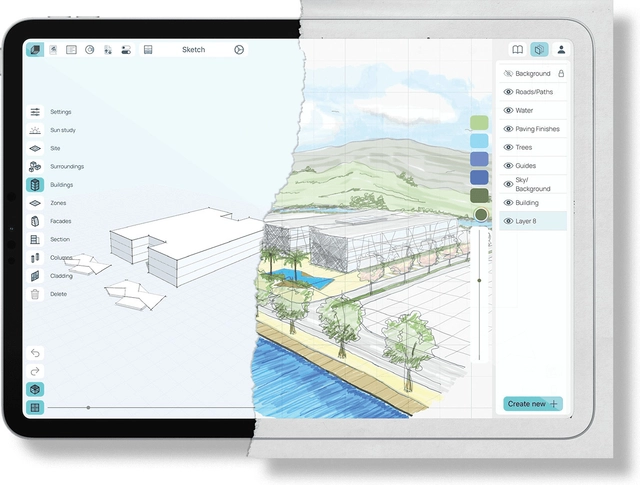
Having the ability to express an idea through drawing facilitates the design process for an architect or designer, whether it is to develop the concepts, or even to represent the building. A good sketch should be easy to understand, even for those without technical knowledge, and provides a visual representation of the important elements of a project, such as spaces, dimensions, circulation and relationships between elements. Although most architects now master three-dimensional tools and hand sketches are no longer indispensable, there are tools that combine several new functionalities with the good old act of drawing.
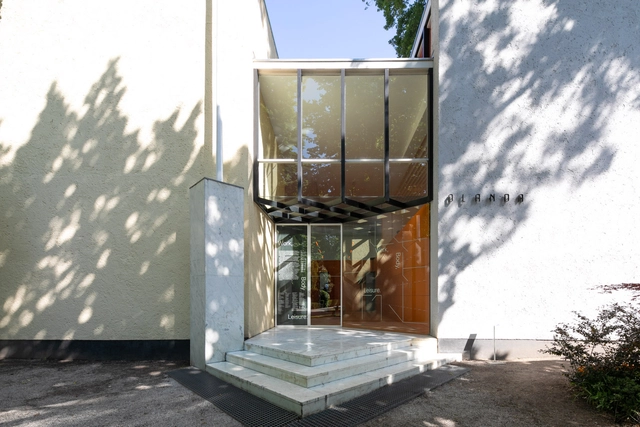
Nieuwe Instituut has appointed Jan Jongert / Superuse Studios from Rotterdam as curator of the Dutch Pavilion at the 18th International Architecture Exhibition – La Biennale di Venezia. In response to Lesley Lokko’s overarching theme for this edition of the Biennale, “Laboratory of the Future,” the Dutch curatorial team aims to explore the complex systems that underpin the structures of our societies. The exhibition will be open from 20 May to 26 November 2023.




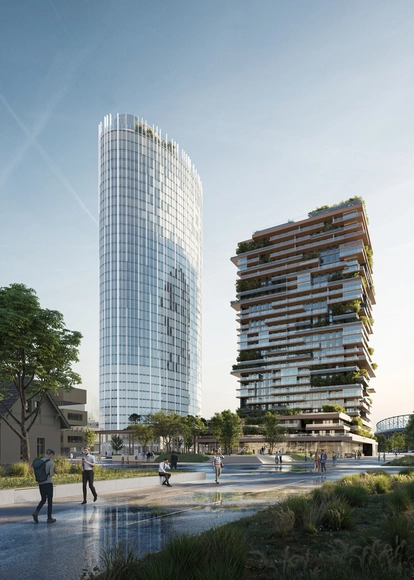
Mario Cucinella Architects has started constructing two multifunctional towers to shape Vienna’s skyline. Situated in the 2nd district in Vienna, where a dynamic urban development “Viertel Zwei”, has been in the works for some time, the project consists of two highrises, both of different architectural languages and made for different purposes, together providing a complex urban image inserted into context.
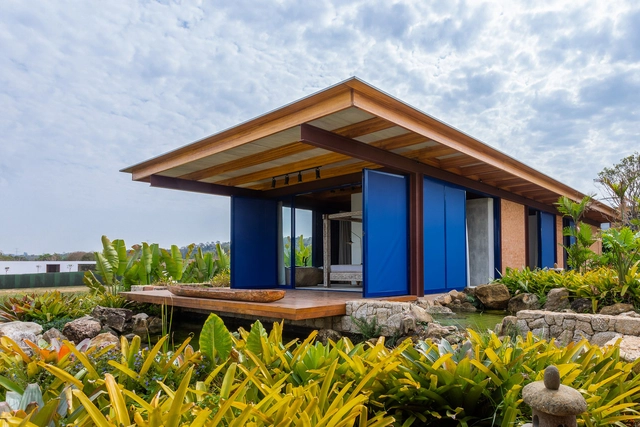
There are several constructive technologies to configure the structural system of a building. From the 1960s onwards, the adoption of techniques that enabled the interaction between different materials became increasingly common, diversifying the design language and seeking the main advantages each element has to face certain situations. Over the years, some mix concrete, wood, stones or steel.

For the past year, I have been in conversation with architects and designers who are involved in the creation of immersive environments. They see themselves as naturally responsible for leading the construction of these environments, and this should serve as a reminder that architects have the potential to take on this role.
Despite how obvious it might sound, the metaverse has mostly been designed by developers and graphic designers, Therefore, it should work as a wake-up call for architects to be involved since they have skills particularly apt for it.
Whether the metaverse can be utilized as a narrative to claim a changing role for architects remains to be seen, but 2023 could be the year.





This article was originally published on Common Edge.
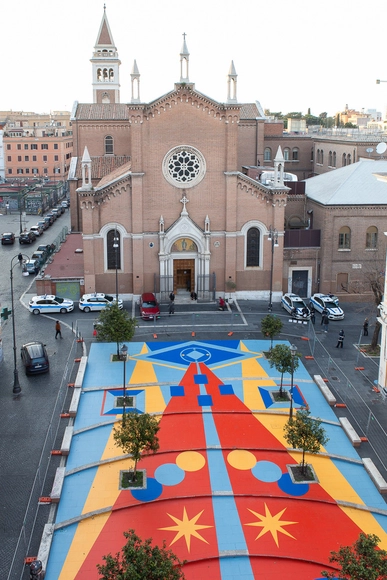
In 2018, the Roman neighborhood of San Lorenzo hit the headlines when a young girl was found dead in a derelict building. The media focused on the area’s decline, ignoring its long political and cultural history. Known as a “red” territory, San Lorenzo was one of the few districts to resist Mussolini’s 1922 March on Rome. Built in the late 19th century to house a working-class population of artisans as well as rail and factory workers, there’s a gritty feel to the neighborhood, defined by remnants of its industrial past and buildings that still bear the scars of Allied bombing in World War II. This small, centrally located neighborhood is wedged between Termini, the main train station, Verano, the monumental cemetery opened in 1812, and the Città Universitaria La Sapienza (La Sapienza University).