
-
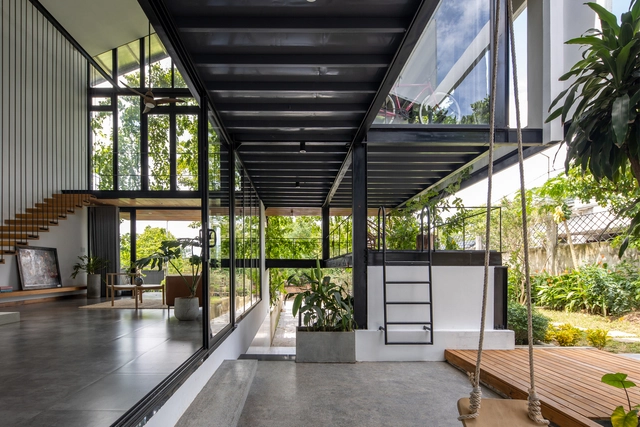
Architects: Urban Soul Project
- Area: 130 m²
- Year: 2022
-
Manufacturers: Almeco, Baklatsidis, Ependisi, INTERPON AKZONOBEL, Luminart



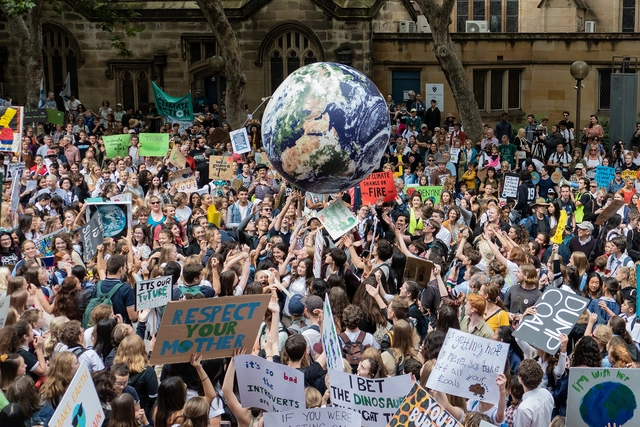
Starting on November 6, world leaders are gathering in Sharm el Sheikh, Egypt, for COP27. The name stands for the 27th conference of parties, an almost annual event started under the 1992 UN framework convention on climate change (UNFCCC). The purpose of these conferences is to ensure that counties around the world are committed to taking action to avoid dangerous climate change and find ways to reduce greenhouse gas emissions globally in an equitable way. The effectiveness of these meetings varied throughout the years, with some successful initiatives, like the 2015 Paris Agreement, a legally binding international treaty adopted by 196 Parties with the goal of limiting global warming below 2, preferably 1.5 degrees Celsius, compared to pre-industrial levels.
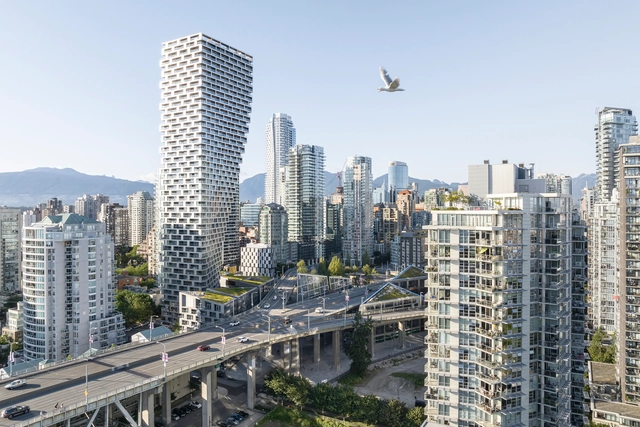
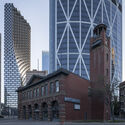
BIG – Bjarke Ingels Group has released a photo series of the Vancouver House and the Telus Sky towers, captured for the first time since their opening in 2020 during the pandemic. In a sort of "yin and yang," both skyscrapers are shaped by a curvilinear silhouette that involves the surrounding like a giant curtain revealing the building to the skyline.
The 220-meter-tall Telus Sky tower, and the 149 meters high Vancouver House, accommodate mixed-use offices and residential spaces, with connections to cycling and pedestrian pathways in their platforms. Moreover, both hold the highest level of Energy and Environmental Design. Vancouver House is the city's first LEED Platinum building, and TELUS in Calgary now occupies the largest LEED Platinum footprint in North America, with 70,725 square meters.
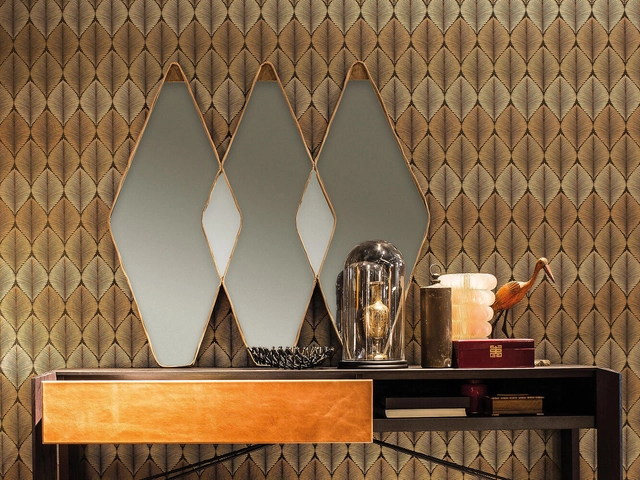
With different shapes, sizes, and styles suiting different locations, functions, and personalities, mirrors can be used as points of self-reflection for dressing and beautifying, but also for multiplying light and space in naturally dark or narrow environments, or simply as strikingly decorative objects. Here are the right questions to ask when lost.


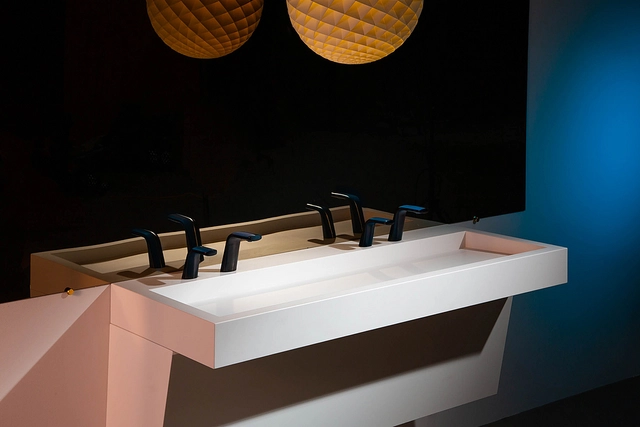
Many associate bathrooms with small, simple and practical rooms with no defining design characteristics. Historically, they have been conceived as merely functional environments strictly programmed for hygiene, privacy and ease of maintenance –often with no room for creativity. But as lifestyle changes have placed health and wellness as a top priority, contemporary bathroom design has been reimagined accordingly, shifting towards spacious personal retreats intended for comfort, relaxation and recuperation; an escape from a chaotic outside world. Because we tend to spend most of our time inside the home, many recent discussions naturally revolve around residential bathrooms, overlooking another setting where we also spend a significant number of hours in (around one third of our lives to be exact): the workplace.