

-
Architects: NH Village Architects
- Area: 720 m²
- Year: 2022
-
Manufacturers: BETONLAB, Croled, Khanh Teracotta, May Viet, Toto
-
Professionals: Croled Lighting


.jpg?1628781957&format=webp&width=640&height=580)

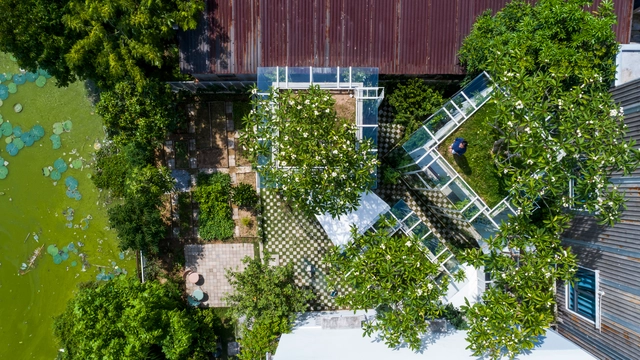
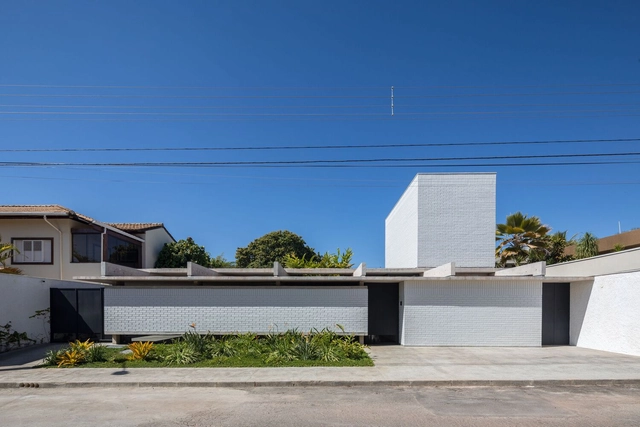
One of the first decisions to be made when designing a house is where to place it on the site. Whether it's a large or small plot, house placement impacts the architecture of the building itself and its relation with the neighborhood. Therefore, it must be carefully thought out and designed.
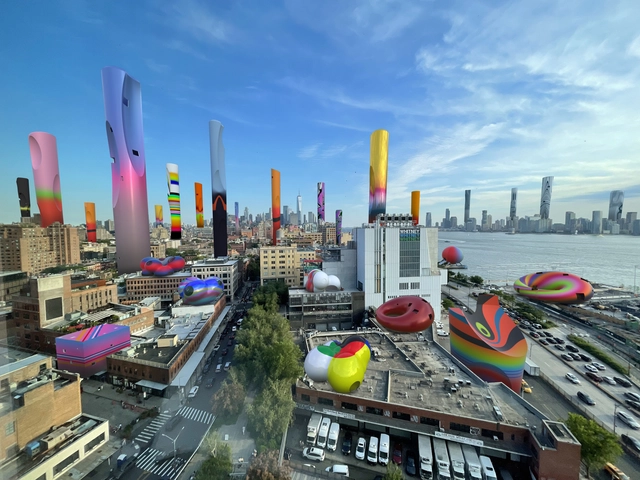
The promise of the metaverse, this new type of three-dimensional and immersive digital space, is proving to become more and more appealing to architects eager to explore the new realm of virtual creations. As it currently stands, the metaverse does not have a singular definition but is composed of many narratives and explorations. This unknown land is however fruitful ground for architects, who have to opportunity to shape not only the new environment but also the experiences of future users. The SOLIDS project represents one response to these conditions. Developed by FAR, an architect and engineer working with digital environments, SOLIDS uses a generative process to design unique, metaverse-compatible buildings.

TikTok is a social network for sharing short videos that offers extensive features to edit them. It is possible to include filters, subtitles, soundtrack, gifs, make cuts and use creativity at will. As with Instagram and Twitter, you can follow other people's profiles and interact, liking their posts, making comments and even sharing via WhatsApp.
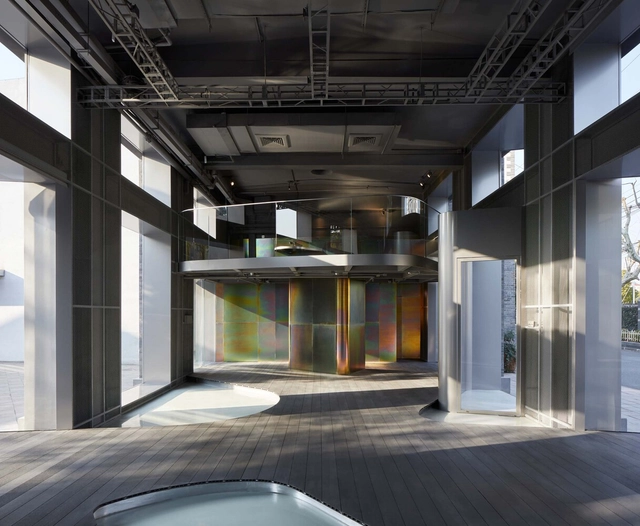
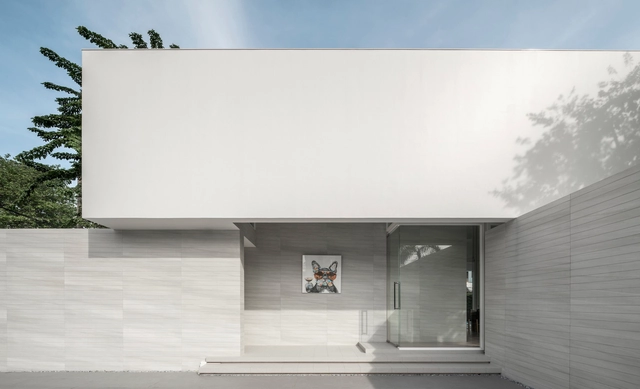


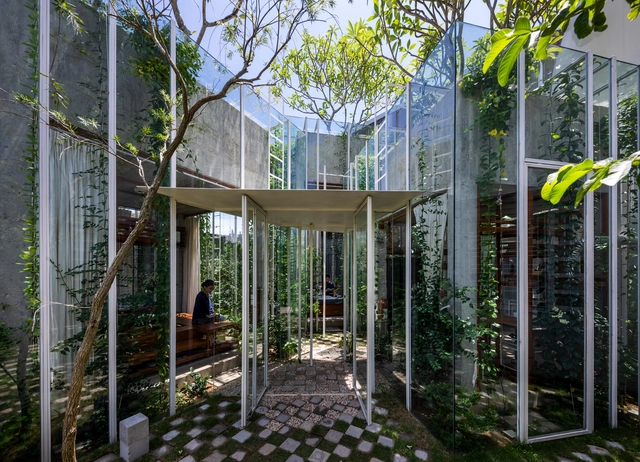
As 2022 winds down, ArchDaily brings together the highlights of architecture in a series of retrospectives. As part of this effort, the Projects Team turns to one of the most popular categories among readers—residential architecture—with the objective of gathering the houses that represent the best of a vast world of architectural production according to our worldwide audience.








.jpg?1628779605 "© Georg Roske")
.jpg?1628780436 "© Georg Roske")
.jpg?1628780590 "© Georg Roske")
.jpg?1628780462 "© Georg Roske")
.jpg?1628781957)





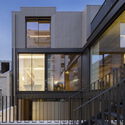
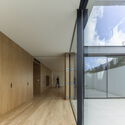


.jpg?1636287294 "Outdoor. Image © Xuguo Tang")
.jpg?1636287342 "Outdoor. Image © Xuguo Tang")
.jpg?1636287245 "Outdoor. Image © Xuguo Tang")