

-
Architects: Buero Wagner
- Area: 40 m²
- Year: 2023
-
Manufacturers: RODECA GMBH
-
Professionals: Gipser Haustechnik GmbH, E2WO


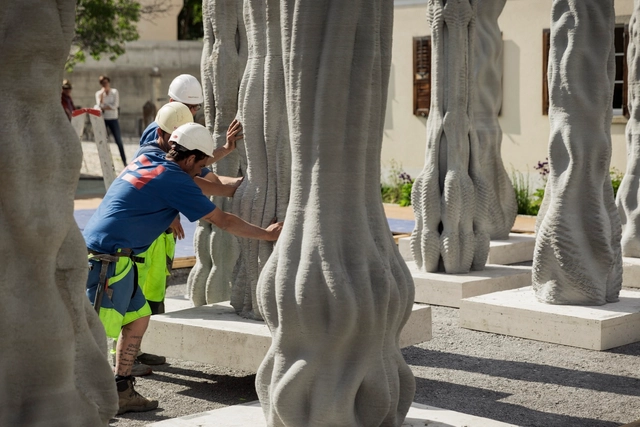
Professionals in the AEC industry are well aware of the issues that grapple the built environment. That the construction industry is the largest consumer of materials and is responsible for 40% of all carbon emissions is a commonplace fact. Construction work is also a large waste generator and could greatly benefit from circular design principles. Almost three-quarters of all construction projects tend to be over budget, and nearly half of the spending on buildings goes into the overheads. In a fast-paced world with multi-faceted challenges, technology, and digitization seek to deliver significant solutions.
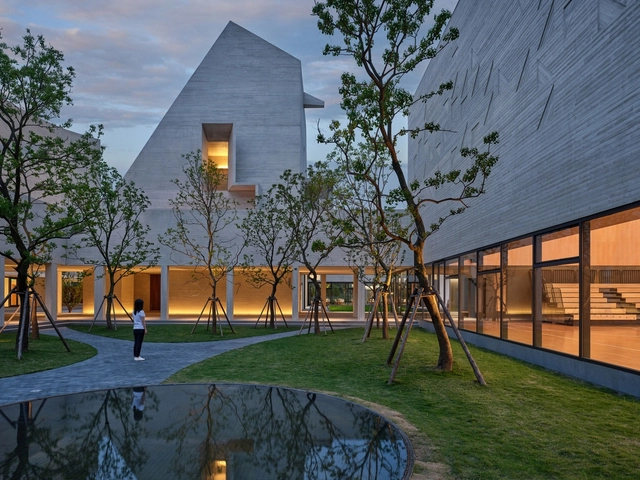
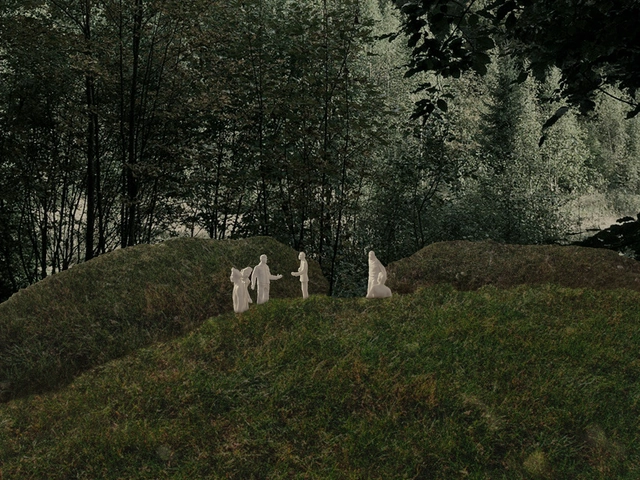
For the 18th International Architecture Exhibition – La Biennale di Venezia, the Pavilion of Ukraine presents an exhibition titled “Before the Future,” focusing on the paradox of “building a future from a collapsing present.” The intervention reimagines two spaces, one in Arsenale and one in Giardini, to evoke protective structures that have become emblematic of feelings of safety while under threat for Ukrainian society. The curatorial team, composed of Iryna Miroshnykova and Oleksii Petrov, of the Kyiv-based architectural office ФОРМА, and Borys Filonenko, independent curator, art critic, and lecturer, set out to work with specialists from numerous fields to further explore the theme “Laboratory of the Future.”
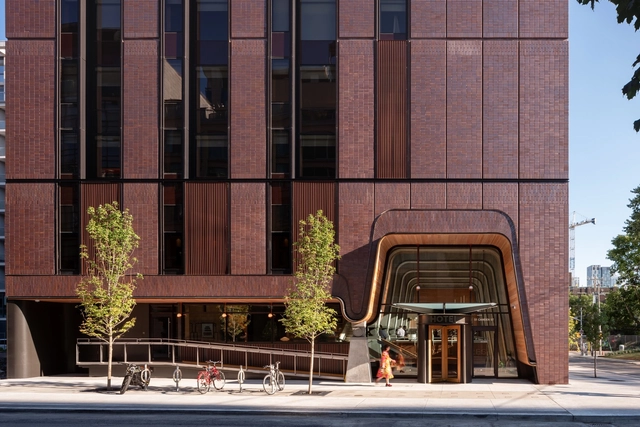
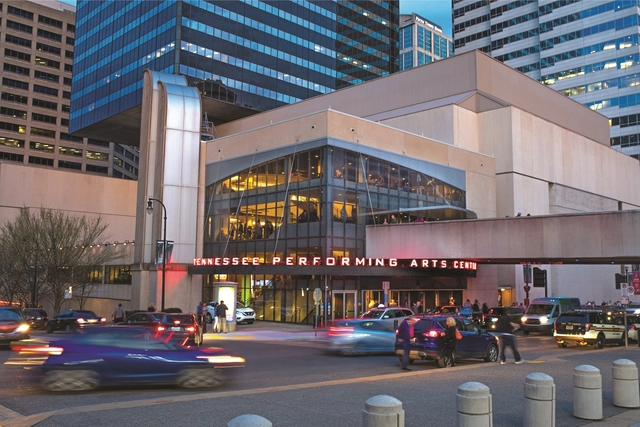
The Tennessee Performing Arts Center (TPAC) has selected an international architecture team to design its new performance home. Comprising BIG (Bjarke Ingels Group), William Rawn Associates, and Nashville-based EOA Architects, the global architecture team will reimagine the 50-year-old performing arts non-profit on a different site from its original 1974 plot, part of the State-owned James K. Polk Cultural Center.
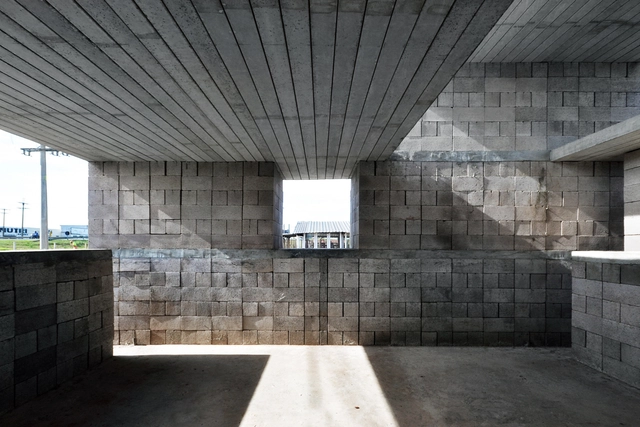
In theory, architecture is separate from art. Some even argue that there is a hierarchy between the two. Fortunately, Vão is an example of how this separation doesn't need to exist and how having a hierarchy between them is unproductive for both sides. Founded in 2013 by Anna Juni, Enk te Winkel, and Gustavo Delonero in São Paulo, the office develops architectural projects fueled by artistic thought. It also develops artistic works on an architectural scale.
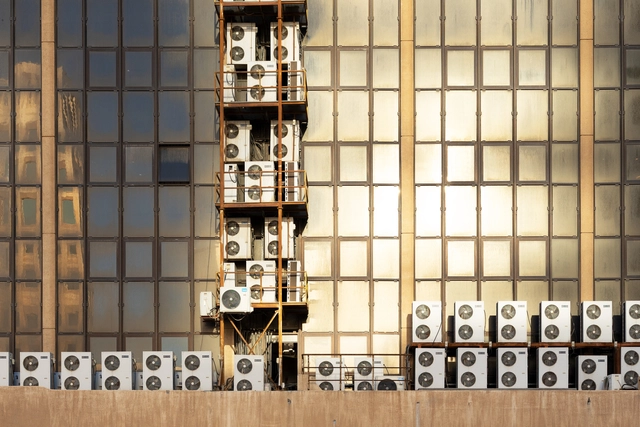
The Kingdom of Bahrain announced its participation at the 18th International Architecture Exhibition of La Biennale di Venezia with a pavilion exhibition titled “Sweating Assets.” Curated by architects Latifa Alkhayat and Maryam Aljomairi, the exhibition highlights the relationship between the extreme heat and humidity that characterizes Bahrain and the inherent need for comfort. The curators aim to show how the necessary cooling infrastructure can be maximized through adaptive means and resource management while reducing its negative impact on the environment.
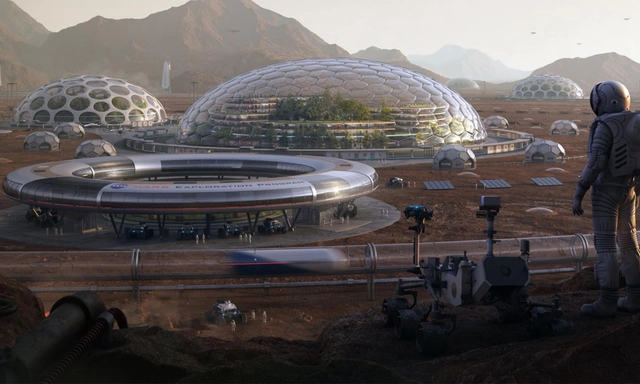
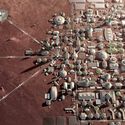
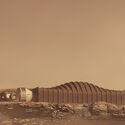
SpaceX founder and science-fiction fan Elon Musk is attempting to make the fiction of space travel a scientific reality. ‘In order to safeguard the existence of humanity,’ he explains, ‘we need to become a multi-planetary civilization.’ Musk says he’s laser-focused on ensuring we make a second home elsewhere in space, and has his sights set on Mars. He’s not alone, of course. NASA’s recently-released Moon to Mars Architecture Concept Review is a ‘study of the hardware and operations needed for human missions to the Moon and Mars,’ leading to long-term scientific discovery and human habitation in deep space.
But there’s a long way to go before we get there – and not just the 140 million miles (average distance to Mars). The biggest challenge to Mars habitation and eventual colonization is humanity itself, and our indecision. Many of us question why we should sink so much of our energy – both effort and resources – into such a task, when there are plenty of more pressing matters to address here on Earth?
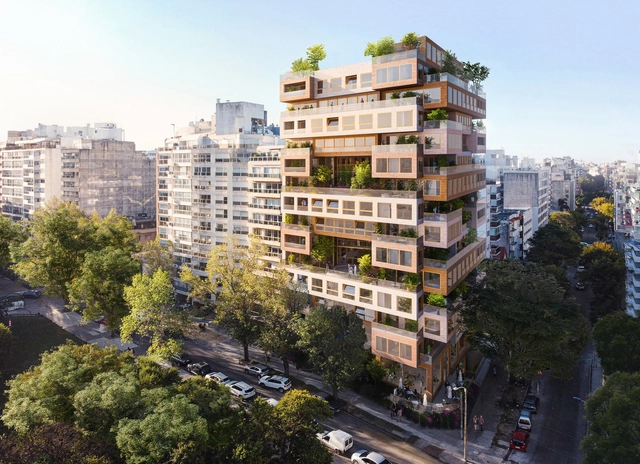
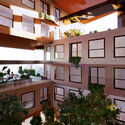
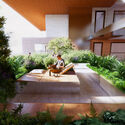
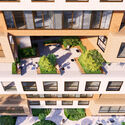
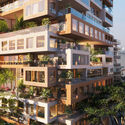
The 15-story residential building designed by MVRDV in Montevideo, Uruguay, has been approved for construction. Named "Ziel," the project consists of individual homes creating an open and permeable environment that allows light and air to flow through the structure, resulting in spacious green spaces for the enjoyment and coexistence of residents. This project is MVRDV's first in Uruguay, designed for developer IXOU in collaboration with Monoblock's executive architecture.