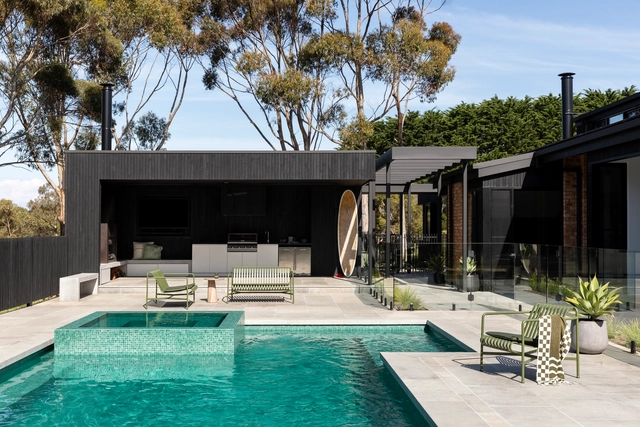


- Year: 2022
-
Manufacturers: Artedomus, Brecciolino, Corsi and Nicolai, Costen/no, Dulux, +6
-
Professionals: TruForm Constructions




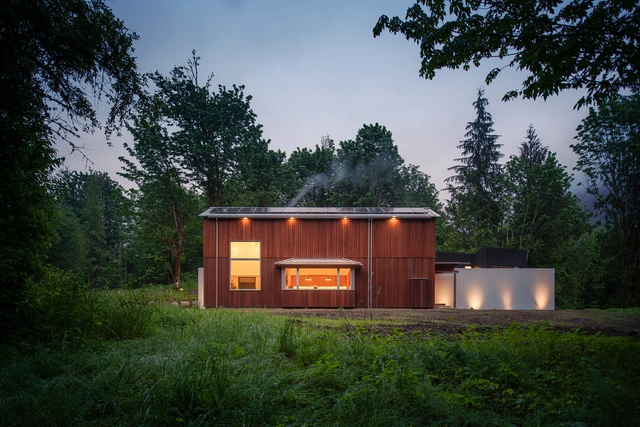
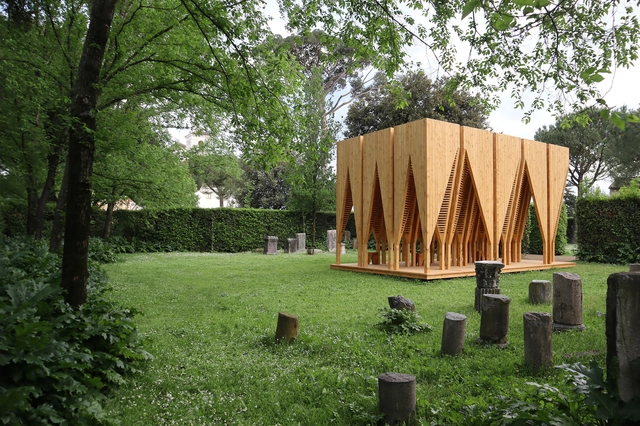
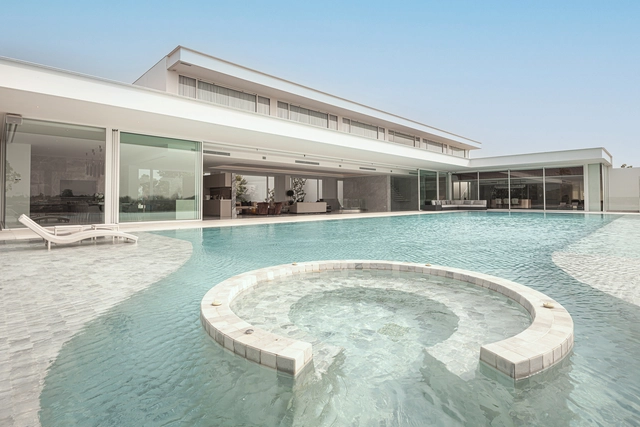
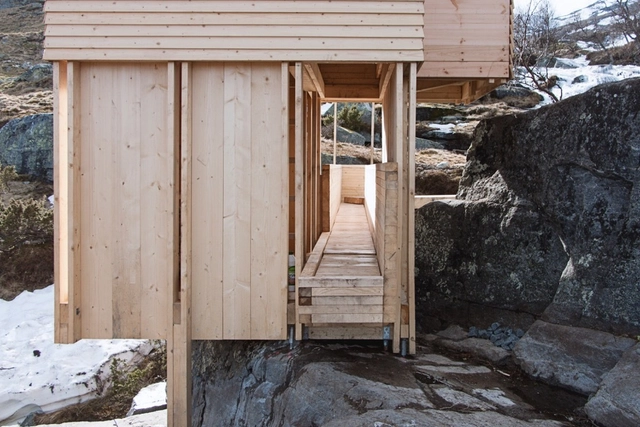
Due to its specific characteristics, the architecture of the sauna is interesting because it gives us lessons related to efficiency and the beauty of simplicity. These are generally very basic structures with a clear function, created to contain different levels of heat and humidity. Thanks to this steam bath, people can release toxins and improve their blood circulation. In addition, they are widely used in cold climates, in close proximity to nature and utilizing the presence of water.
To function, these normally airtight spaces contain a series of internal benches with different dimensions and a heat source that must reach temperatures between 80 and 90°C, including, if necessary, a chimney to expel the smoke. Wood is the material par excellence for saunas, using in most cases native species that maintain their rustic appearance and natural texture. Next, we review 9 saunas designed by architects, including some of their construction details.
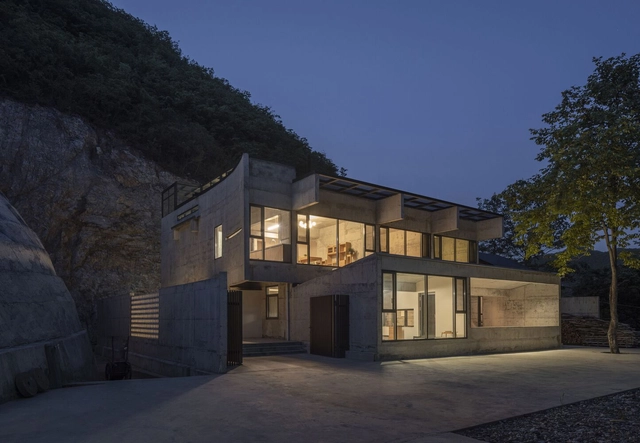
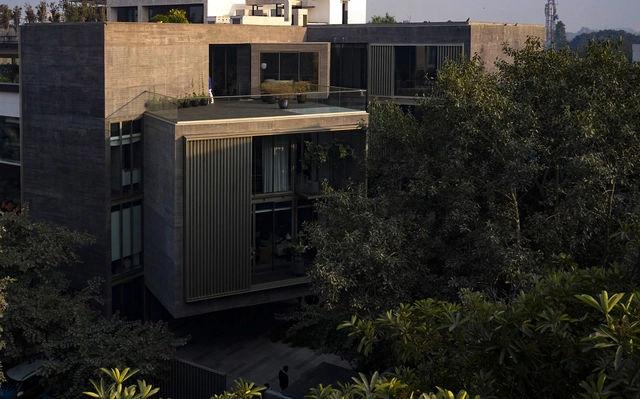
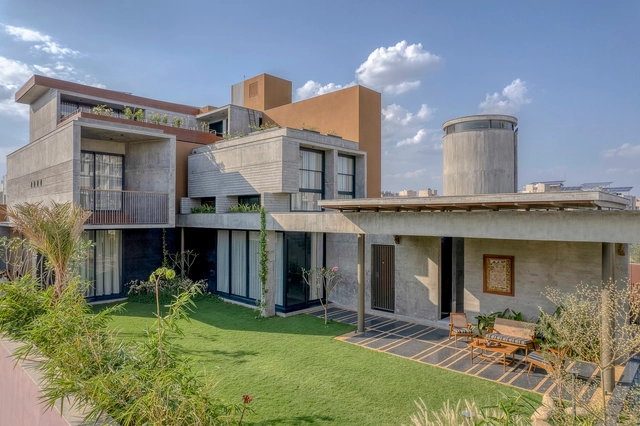

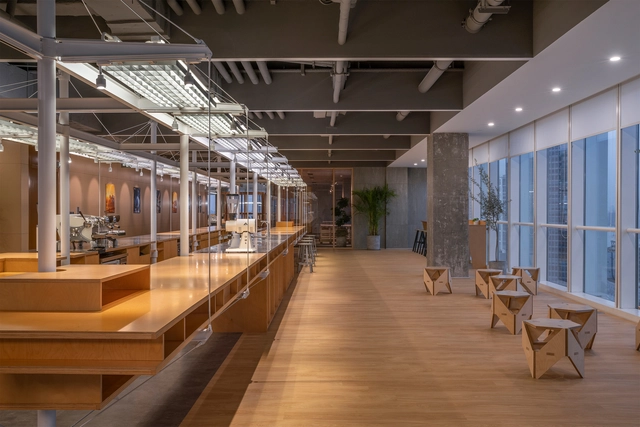
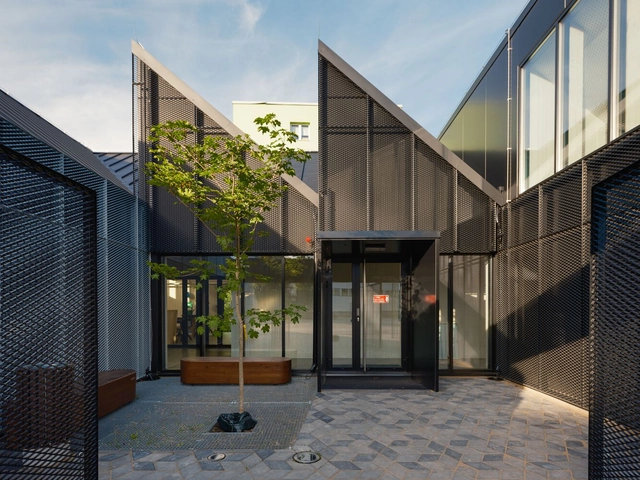

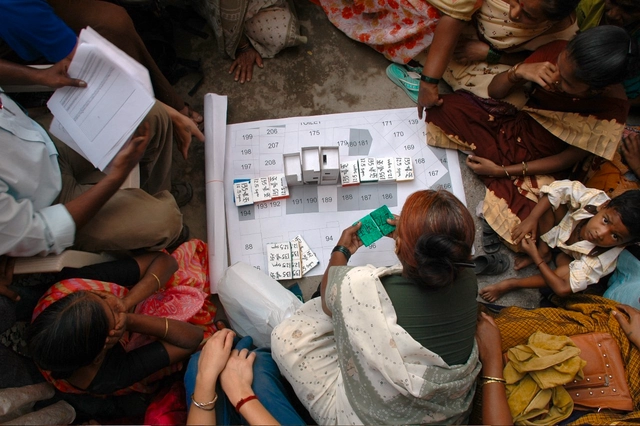
There are moments when architects take the design process beyond their practice and engage with potential users as design participants. This expands the design framework and makes the input of future users key to project development. By seeking the knowledge, skills, and decision-making of a communal collective, the project becomes more tailored to their needs, better designed to fit within their local context, and a platform to exchange techniques and vernacular skills. It also creates a general sense of belonging in communities and gives users the authority to claim the environment around them.
Participatory design is a process that can be applied to all scales of architecture, from houses and offices to public spaces and urban interventions. By examining various projects through the lens of communal collaboration with architects, we gain a deeper understanding of the value this design process holds. It breaks down the participatory theoretical principles of collaboration, co-creation, and empowerment into actionable examples and pragmatic events. These projects exemplify users' contributions to the design process, whether through spatial and urban planning or material and local construction techniques.