

-
Architects: Architect Nonsense
- Area: 750 m²
- Year: 2023
-
Manufacturers: Chang Gla Ceramic Studio, EVE, TOA, Thaicon


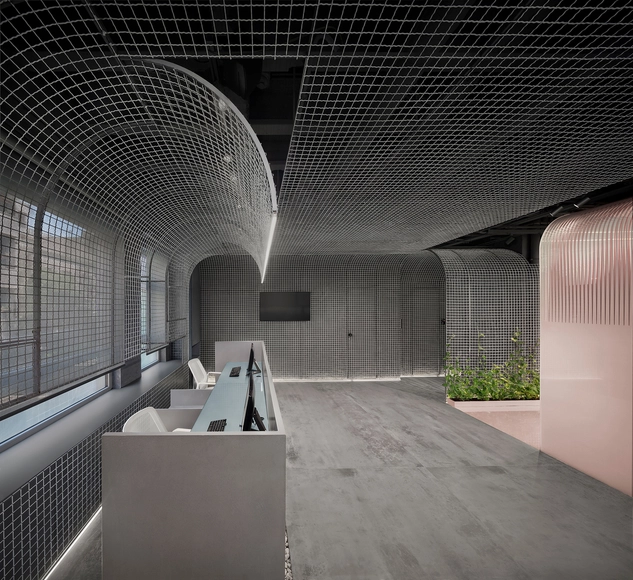



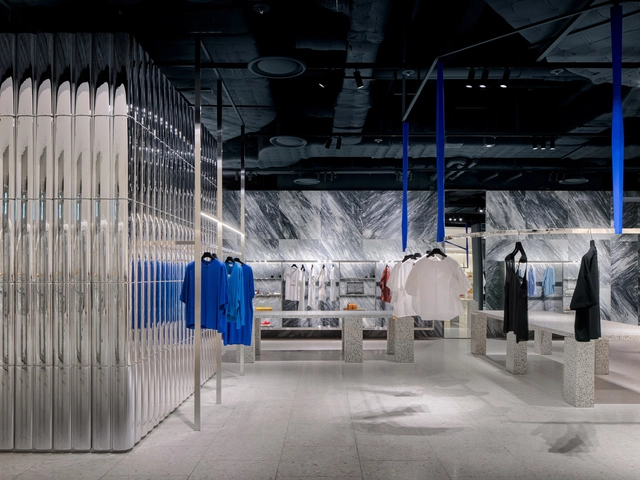
Within the realm of commercial architecture, the design of spatiality can adopt multiple approaches, conceiving proposals that achieve a balance between aesthetics and functionality. Taking into consideration that various cultural variables, social tensions, and economic interests are involved, the construction of these spaces directly involves the interaction between users, brands, and their products, participating in the experience on-site from colors and materials to lighting, climate control, sounds, aromas, and more.
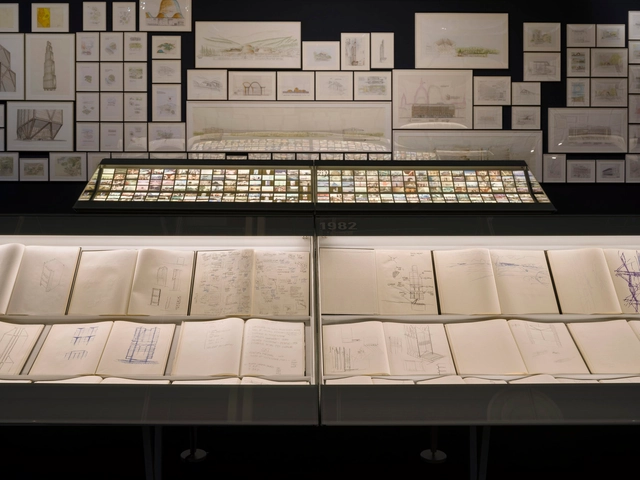
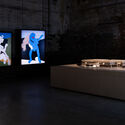
The largest exhibition of Norman Foster’s work to date, hosted by the Centre Pompidou, explores six decades of the architect’s illustrious career through a host of revealing sketchbooks, drawings, images, original models, and videos. The exhibition was designed by Norman Foster and executed with Foster + Partners and the Norman Foster Foundation. A custom-made series of modular display cases was designed by Norman Foster and a team from the Norman Foster Foundation and engineered by Goppion, world leader in the manufacture and installation of museum display cases, to display the architect’s sketchbooks and transparencies.
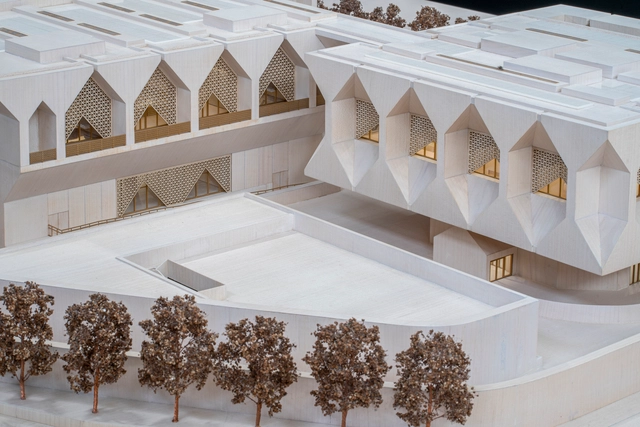
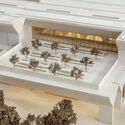
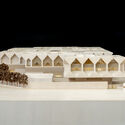
The Kiran Nadar Museum of Art (KNMA) has revealed an architectural model of its new building during the 18th International Architecture Exhibition - La Biennale di Venezia, as part of the Curator’s Special Projects, titled Mnemonic, presented at the Arsenale - Artiglierie in Venice. The building, designed by Ghanian-British architect Sir David Adjaye in collaboration with S. Ghosh & Associates as the local architect of record, is set to become India’s largest cultural center. The project is scheduled to open in Delhi in 2026.


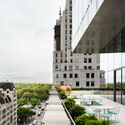
The Centro Cultural García Márquez is an iconic building located in downtown Bogotá. Its sinuous forms and the dialogue it establishes between time and place are perceptible at various scales. The project was initiated by the Fondo de Cultura Económica de México in 2004 as a cultural contribution by its Colombian branch. Designed by Rogelio Salmona, unfortunately, he passed away in October 2007, a year before its completion in 2008.
Named in honor of the 1982 Nobel Prize in Literature Gabriel García Márquez, the project is situated in Bogotá's La Candelaria neighborhood, just one block east of Plaza de Bolívar. This strategic location creates a cultural hub, interconnecting with several neighboring buildings including the Luis Ángel Arango Library, the Banco de la República Museum, 29 university entities, 24 educational institutions, 7 libraries, and a complex of museums and cultural collectives. According to the FCE, it attracts approximately 8,000 users per day.
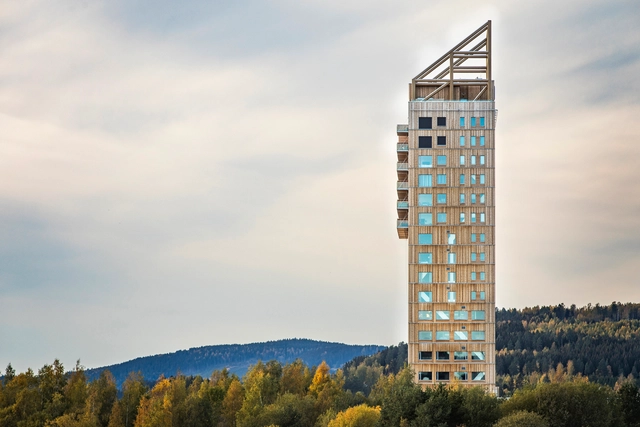
Wood is the concrete of the future. As timber construction becomes increasingly popular, you have probably heard this phrase. However, we are not talking about traditional construction techniques using timber, but rather about this well-known material combined with cutting-edge technology.
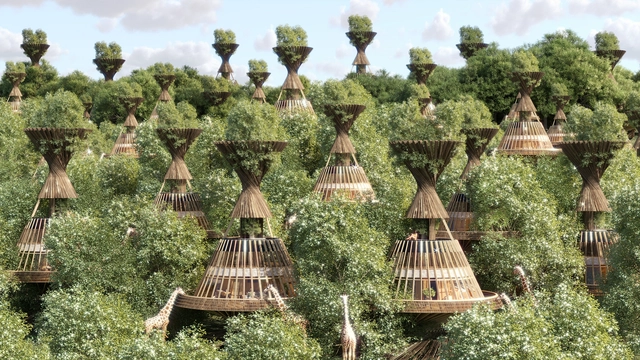
The history of architects designing resorts is intertwined with the development of the hospitality industry and the concept of leisure travel. The origins can be traced back to ancient times when the Romans built luxurious villas and bathhouses as retreats for the wealthy. However, the modern notion of resorts emerged during the 19th century with industrialization and the growing middle class seeking recreational experiences.
At a very high standard of luxury, resort hotels provide an immersive and rejuvenating vacation experience. These resorts are frequently rooted in beautiful landscapes in remote locations, often containing full-service accommodations, offering escapism and complete disconnection. Architects have continued to shape the resort landscape in recent decades with their designs. Sustainability and integration with natural surroundings have gained importance as architects strive to create environmentally conscious and immersive resort experiences.




















.jpg?1461854627 "© Alejandro Ojeda")