


-
Architects: Jo Nagasaka, Schemata Architects
- Area: 724 m²
- Year: 2023
-
Professionals: Yigak Construction Co., Ltd.


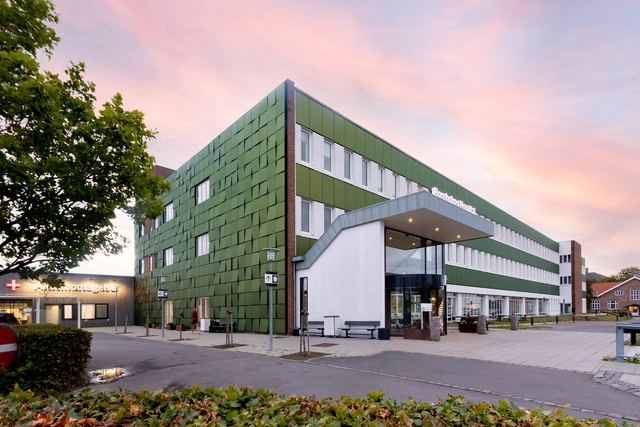
Environmental degradation has shed light on the need for new sources of energy. A shift in energy sources calls for innovative means of storing energy. For centuries, buildings have proven able to store people, objects, and systems, inviting a conversation about their untapped potential to efficiently store large amounts of energy. In this new era, can buildings go beyond being structures of function to potential reservoirs of power?


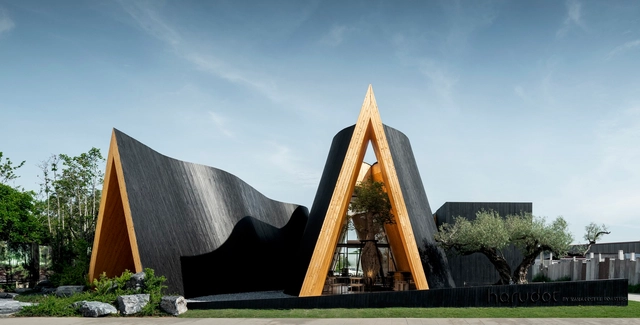
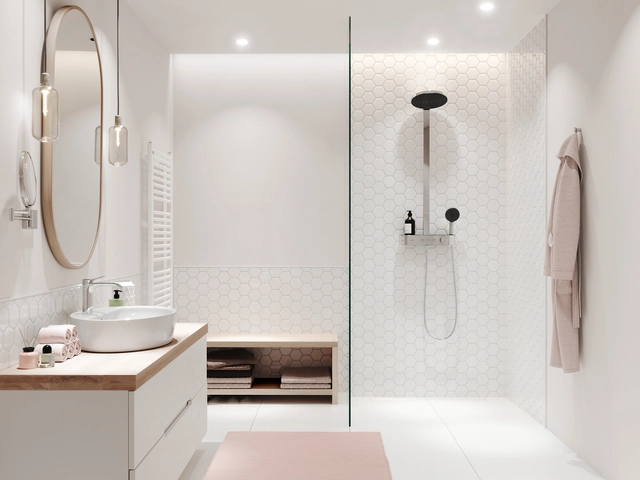
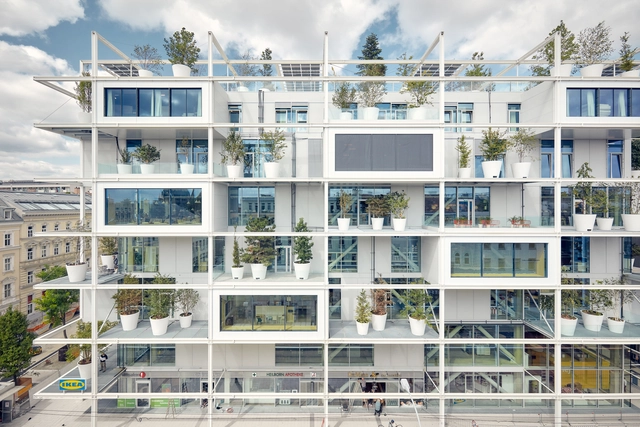
Hotel renovations today transcend mere improvements in guest comfort or alignment with prevailing design trends. A major demand currently facing the industry is the need to respond to the growing wave of environmental awareness and embrace sustainable development objectives. The requirement to address sustainability is driven by a growing social awareness of environmental issues. Guests and stakeholders are increasingly advocating for sustainably certified structures, achieved through eco-friendly installations and innovative solutions, such as green roofs, eco-friendly materials, and innovative facades. This sustainability-driven shift benefits the environment and promises long-term savings in water and energy costs for hotels. Specifically in the case of hotels, improving the efficiency of hot water equipment can make a large difference in hotel management, as this generally represents a huge expense and waste of energy.
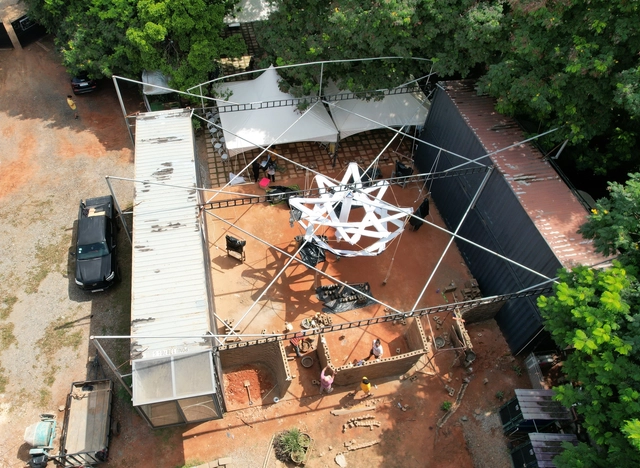
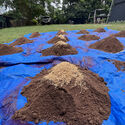
The “Soil Sisters” initiative explores how architectural design and sustainable material practices can contribute to soil nutrition and resilience. Partnering with SOM Foundation, their joint effort has resulted in an exhibition aiming to redefine our understanding of “environmentally conscious practices.” Titled “Soil Sisters: A Ceiling, A Chair and Table, A Wall and a Threshold,” the display showcases their dedication to redefining soil health as a cross-sectoral objective by emphasizing materiality and color in the built environment.
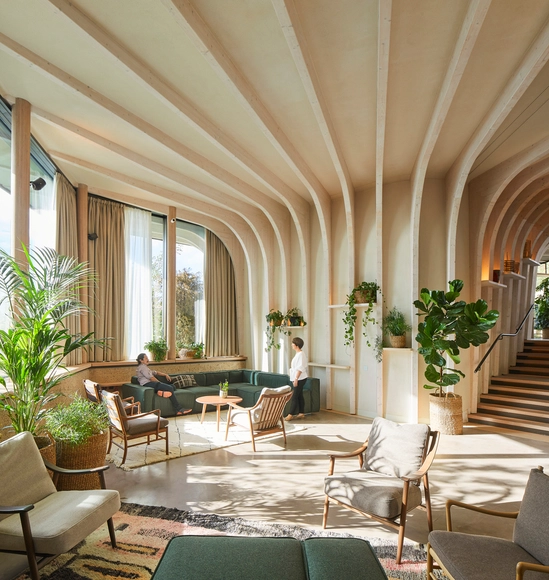
Silent and endless hallways, white and cold rooms, an impersonal and distant atmosphere: this is a deeply ingrained image in our cultural conception of hospital environments. The whiteness of these spaces, attempting to reinforce the necessary notions of sterility and cleanliness, may also evoke a sense of discomfort and anxiety for patients and their families.
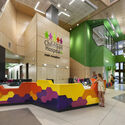
The importance of humanizing hospital, clinic, and office projects is an increasingly discussed and relevant topic in healthcare, extending far beyond the aesthetics of these buildings. It is necessary to create welcoming environments that promote the well-being of patients, families, and professionals, recognizing that architecture can play a fundamental role in the recovery and comfort of these individuals during moments of vulnerability.
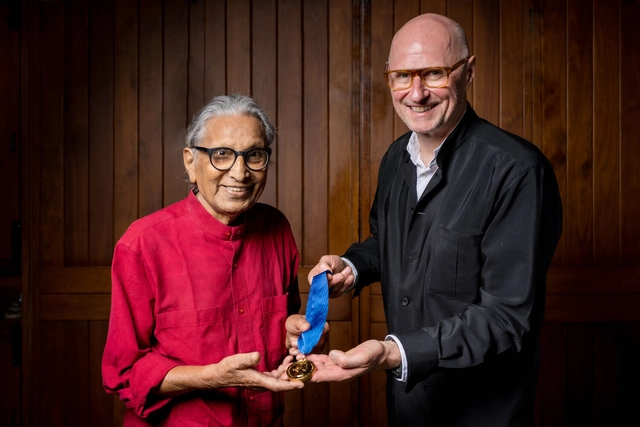
Recognized as the UK’s highest honor for architecture, the RIBA Royal Gold Medal for Architecture is approved personally by Her Majesty The Queen and is given to a person or group of people who have had a significant influence "either directly or indirectly on the advancement of architecture.", according to the organization. In 2024, the recognition was awarded for the first time to an African Woman, to the Ghanaian-Scottish architect, academic, and curator Lesley Lokko.