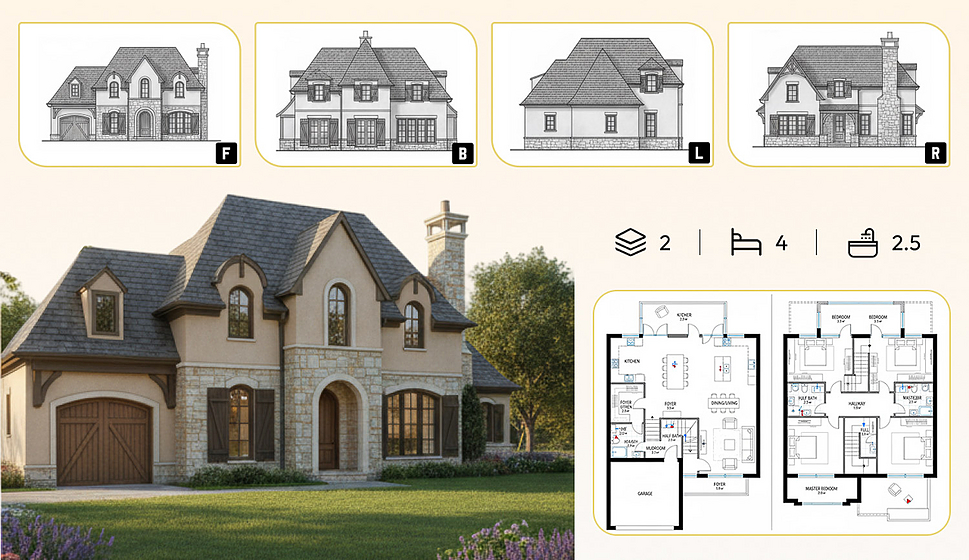
This guide covers a workflow that moves from project parameters to generated floor plans, 3D perspective views, exterior design exploration, and site context visualization, using AI tools in place of preliminary CAD and rendering work.
This guide covers a workflow that moves from project parameters to generated floor plans, 3D perspective views, exterior design exploration, and site context visualization, using AI tools in place of preliminary CAD and rendering work.


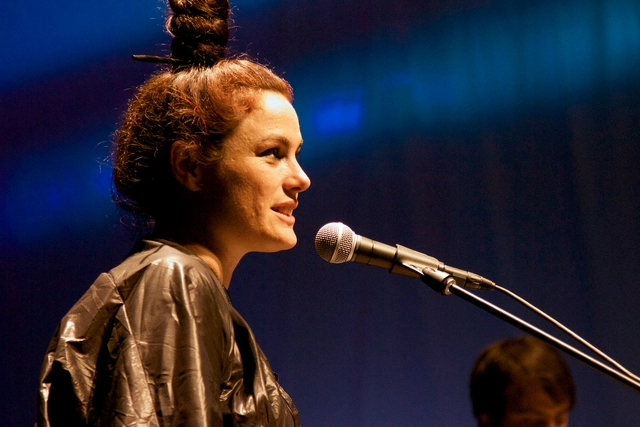
Earlier this week, we reported that New York-based Catalan architect Eva Franch i Gilabert was selected as the new Director of the Architectural Association in London. Prior to this appointment, Franch served for seven years as Chief Curator and Executive Director of Storefront for Art and Architecture in New York.


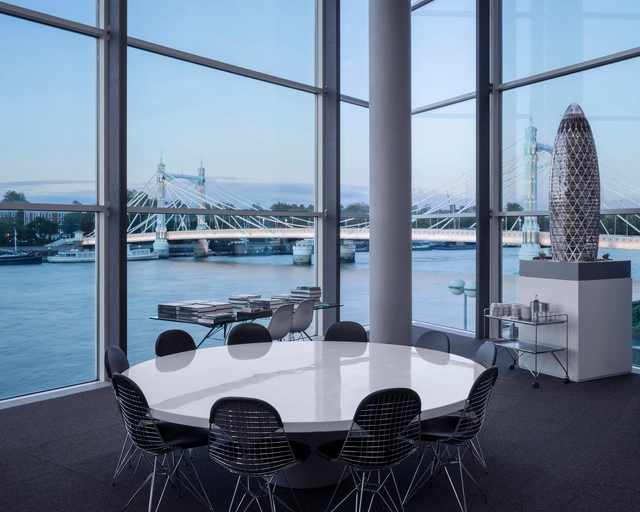
Disparity between men and women in the workplace has long been cause for concern, both within the architectural profession and beyond. To raise awareness of the need for gender pay equality, the British government in 2017 demanded that UK-based organizations with more than 250 staff publish annual reports of the gender pay gap within their offices.
As one of the largest architecture firms in the world, and based in Battersea, London, Foster + Partners has released their report into gender pay issues, becoming one of the first architecture firms to do so. The report reveals significant under-representation of women at senior level resulting in a pay gap across the firm, and outlines a commitment to encouraging gender diversity at all levels of management.
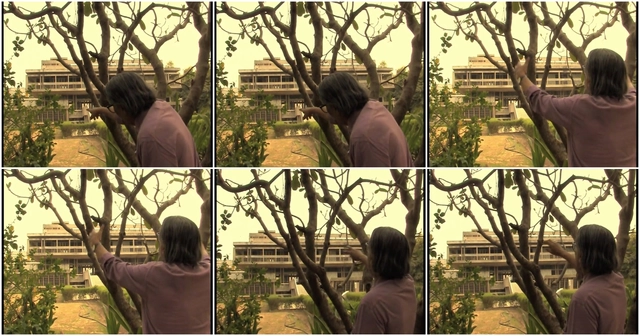
Balkrishna Doshi, despite his vast number of completed projects, is a little-known name in the Western world. Directed by Premjit Ramachandran, the documentary "Doshi" allows the viewer to appreciate the vision of this important Indian architect, probing his thoughts while getting to know a number of his projects. Filmed in a frank style of conversation, the documentary reveals an original and creative human being who, even in old age, remains passionate about architecture as well as life and learning.
The film becomes a roundtable with Doshi, his alumni, his contemporaries and even family members, all within the context of his architecture. The camera follows its protagonist through spaces designed by him, while he narrates, recalls and explains his processes of creation. It also reveals how he makes his philosophy an intrinsic part of his own life.



In its 2017 annual report, the LEGO Group has announced a decline in revenue for the first time in 13 years. But fret not brickheads – this news has already led to a reduction in prices, and may continue to do so moving forward until the company can unload its excess stock.
.jpg?1520365081&format=webp&width=640&height=580)
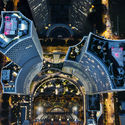
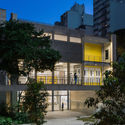
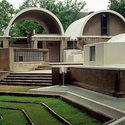
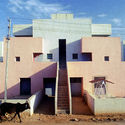
Earlier today, B.V. Doshi was named the winner of the 2018 Pritzker Prize, the profession’s highest accolade. For the past 70 years, Doshi has shaped the discourse of architecture and urban design, with a particularly strong influence in his native India, through projects including private residences, schools, banks, theaters, and low-income housing developments. Here are seven examples of this work that exemplifies Doshi’s respect for eastern culture and his desire to contribute to his country through authentic designs that enhance people's quality of life.
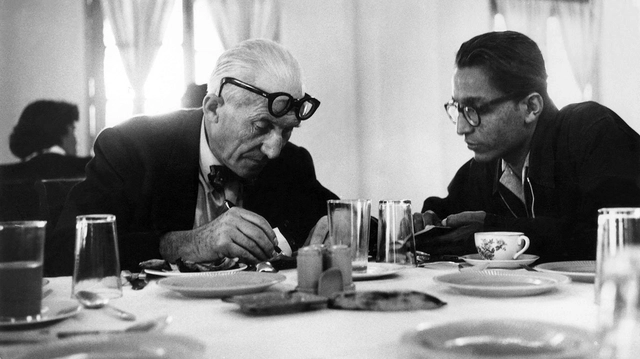
B.V. Doshi, one of modern Indian architecture’s most celebrated practitioners, was born in Pune, India in 1927. Nearly 90 years later, the Pritzker Prize jury chose Doshi as the 2018 Laureate. Get to know about Doshi’s history—including his close relationship to the legendary Le Corbusier—in this list of interesting facts.

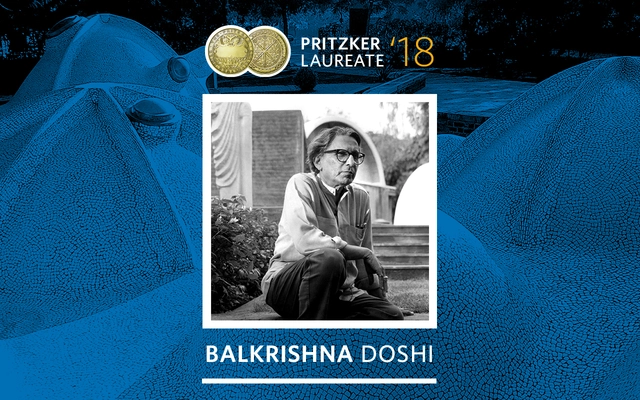
This year’s Pritzker jury has selected Indian architect Balkrishna Doshi, often known as B.V. Doshi or Doshi, as the 2018 Pritzker Prize Laureate. Doshi has been a practitioner of architecture for over 70 years. Previously, he had studied and worked with both Le Corbusier and Louis Kahn. Doshi’s poetic architecture draws upon Eastern influences to create a body of work that “has touched lives of every socio-economic class across a broad spectrum of genres since the 1950s,” cites the jury. Doshi is the first Indian architect to receive architecture’s highest honor.










































.jpg?1520367849 "CEPT University. Image © Laurian Ghinitoiu")
.jpg?1520365081)