

-
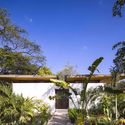
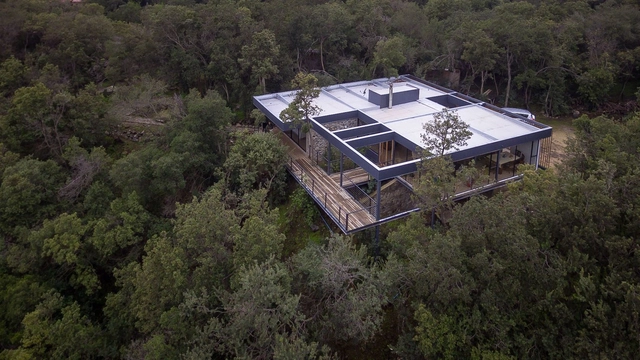
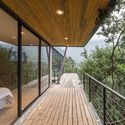
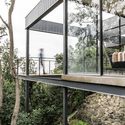
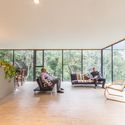
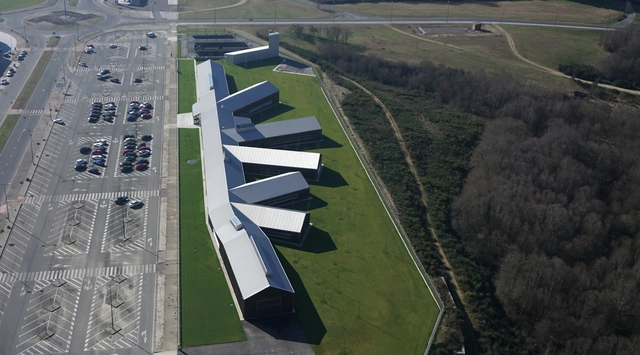
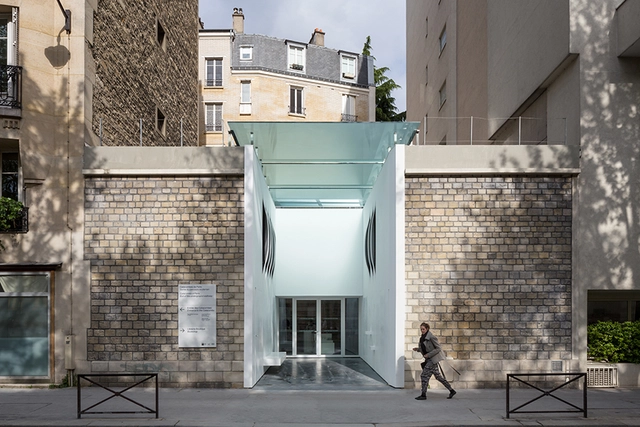
Architects: Rodrigo Pérez Kenchington
- Area: 138 m²
- Year: 2016
-
Manufacturers: Cintac®, LP


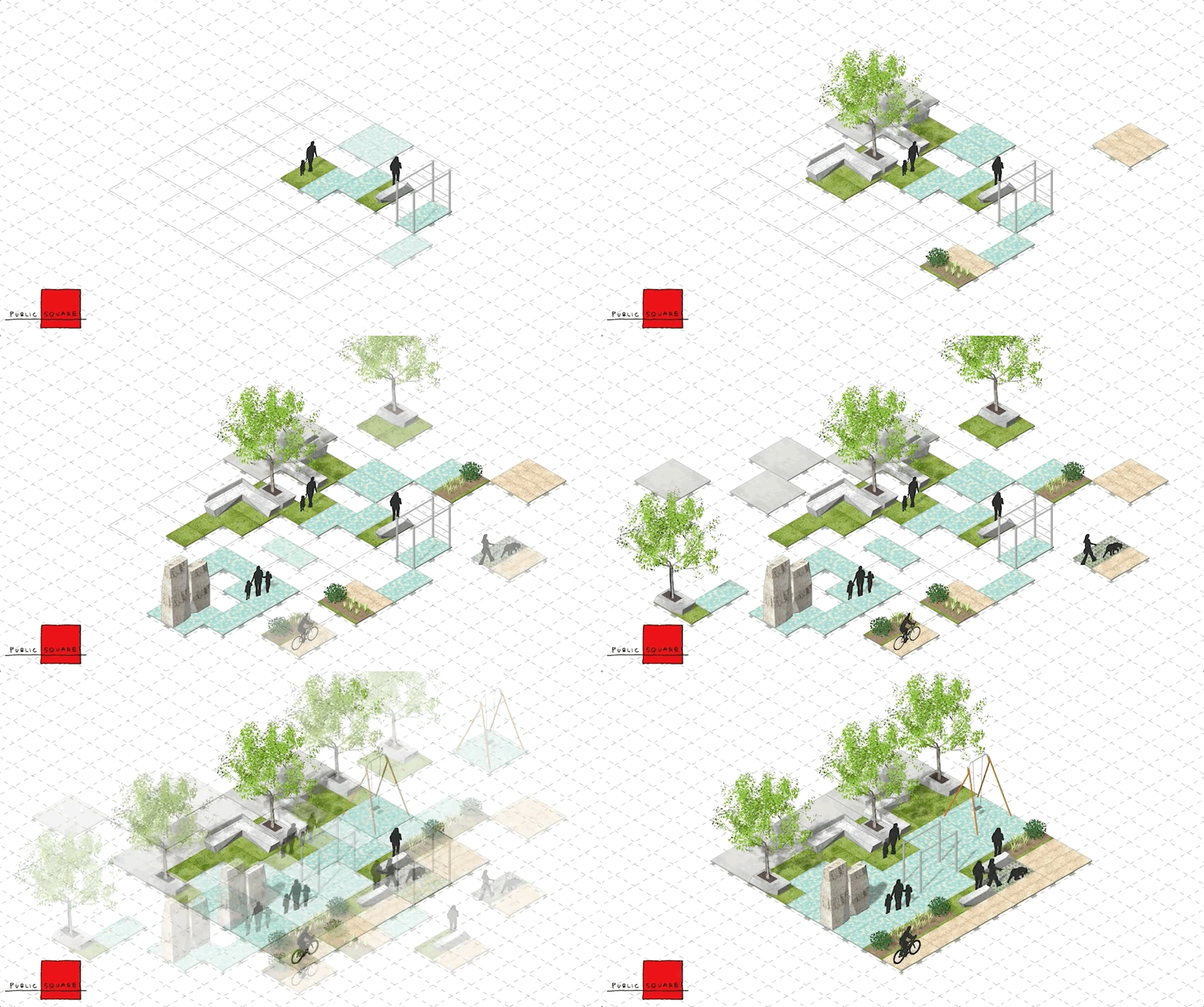
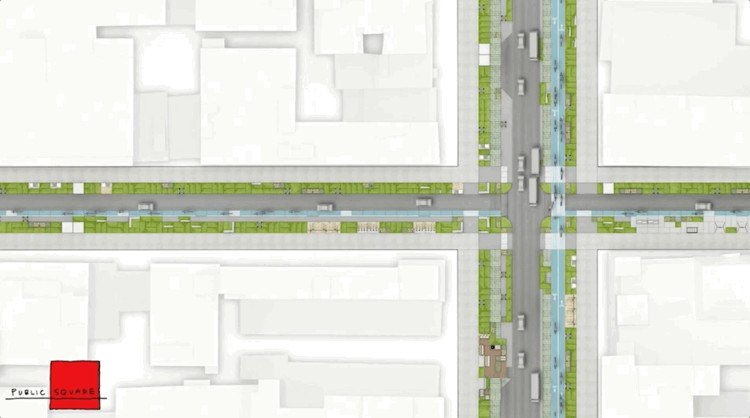
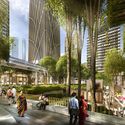
Of the four finalists selected for Blank Space’s “Driverless Future Challenge”, which was announced last month, “Public Square” has emerged as the winning entry, with a plug-and-play scheme to transform New York’s public realm for its streets and pedestrians. Designed by FXFOWLE and Sam Schwartz Engineering, the proposal was selected by a panel of New York City commissioners, for its response to the competition brief with a flexible system that accommodates a variety of public space typologies, while creating a harmonious coexistence between pedestrians, cyclists, and vehicles.
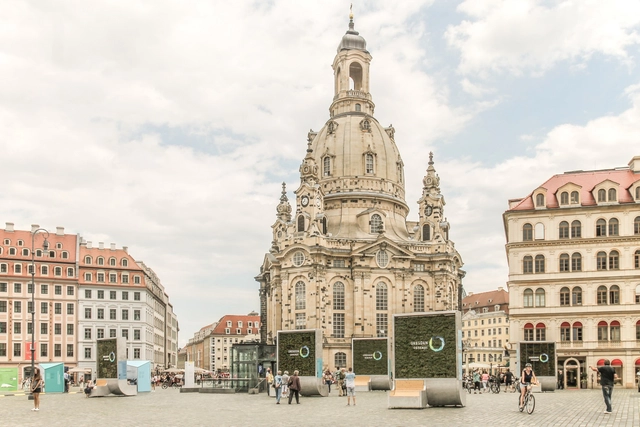
Developed in Germany, the CityTree is a mobile structure that incorporates mosses and urban furniture to create a possible solution to the polluted air of urban centers.
Rectangular, trunkless and flat, this "tree" basically consists of a large vertical panel, a wall of mosses which, according to its creators, has the capacity to absorb the same amount of nitrogen dioxide and microscopic particles from the air as 275 natural trees.
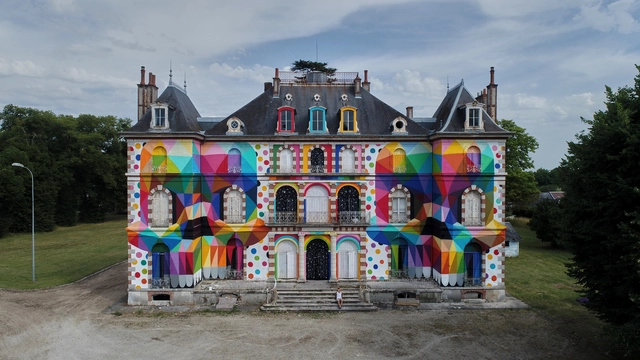
Okuda, the Spanish artist who has been converted into one of the biggest figures in pop surrealism, is continuing his artistic journey in France. After paying homage to the Mona Lisa in the façade of a 19 story building and designing a trampoline above the Seine River, the artist has now taken on the façade of the Valette Castle (1864) in Loiret, which has been abandoned since the 80’s.
The work is titled “Skull in Mirror” and reactivates the Valette Castle whose history links France and Spain. In 1936, during the time of the Spanish Civil War, Republicans purchased the castle, where initially it housed children evacuated from conflict and then later, political exiles. In the 50’s, Spain, under Franco’s rule reclaimed it and used it for holiday camps. Two decades later, the castle was converted into a Spanish school and by 1986 was left abandoned. In 2002, it was acquired by the Pressigny-les-Pins council and a private company.




Frank Lloyd Wright’s most famous house, Fallingwater, was the recipient of minor damage after heavy rainfall caused the creek that gives the house its name, Bear Run, to flood last weekend.
According to Fallingwater director Lynda Waggoner, a fallen log picked up by the overflow rammed into the stone wall of the lower plunge pool, breaking off the wall’s capstone and dislodging one of the home’s signature sculpture pieces, the Jacques Lipchitz’s “Mother and Child.” The cast bronze sculpture was selected for Fallingwater by Wright, and installed soon after its completion in 1939.

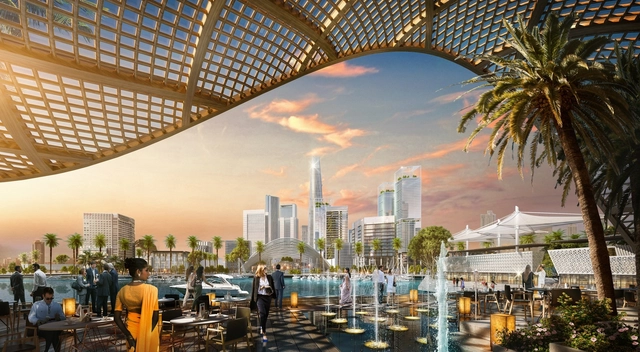
Skidmore, Owings & Merrill (SOM), in collaboration with landscape architects Grant Associates, has been selected as the unanimous winner of the International Urban Design Ideas Competition for the Financial District and Marina District of the Port City Colombo, Sri Lanka. An extension of the existing Colombo Central Business District (CBD), the new Port City district will comprise a whopping 269 hectares of development, transforming the area into a hub for commerce, tourism, and culture.



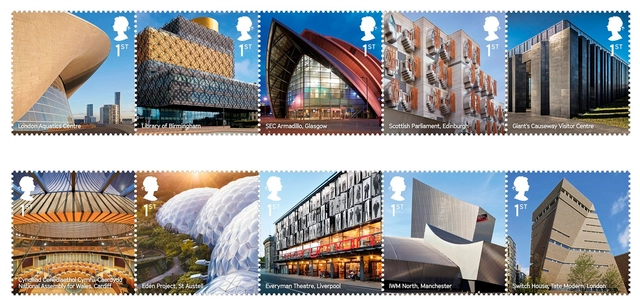
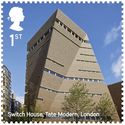
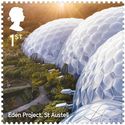
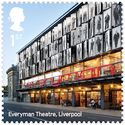
The UK’s postals service company, the Royal Mail, has launched a new special stamp series celebrating 10 buildings “that represent the renaissance of contemporary architecture in the UK of recent years,” including Zaha Hadid Architects’ London Aquatics Center, Herzog & de Meuron’s Switch House addition to the Tate Modern and Mecanoo’s Birmingham Library.

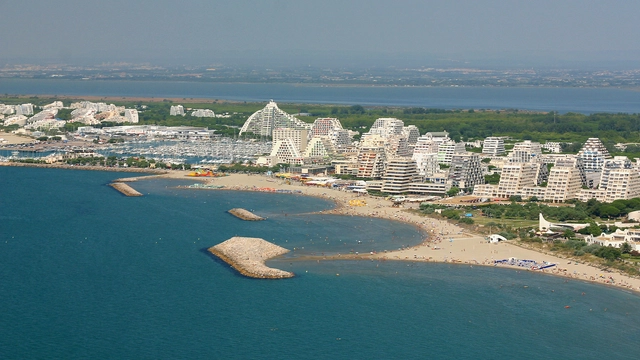
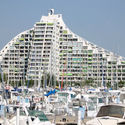
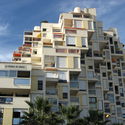
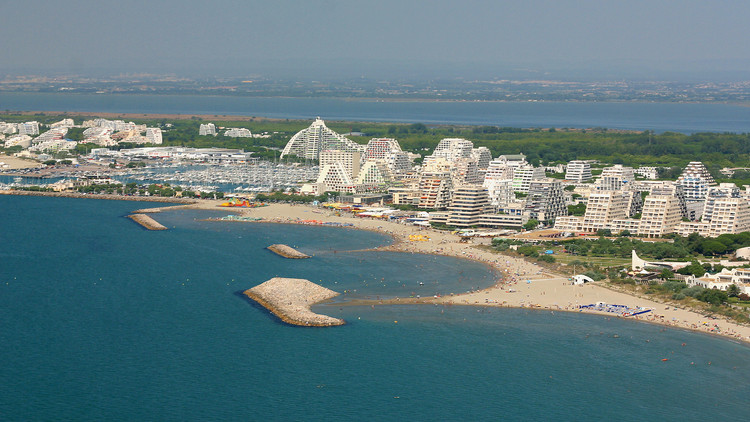
Given a chance to realize the architect’s dream of creating his own utopian city from a blank slate, French architect Jean Balladur was inspired by lost civilizations of the past. His designs recall the architecture of grand Mayan ruins with some added flair from the 1960s, all in the form of a seaside resort village in southern France, La Grande Motte. Balladur devoted nearly 30 years to his life’s work, which today welcomes over 2 million tourists annually.