



-
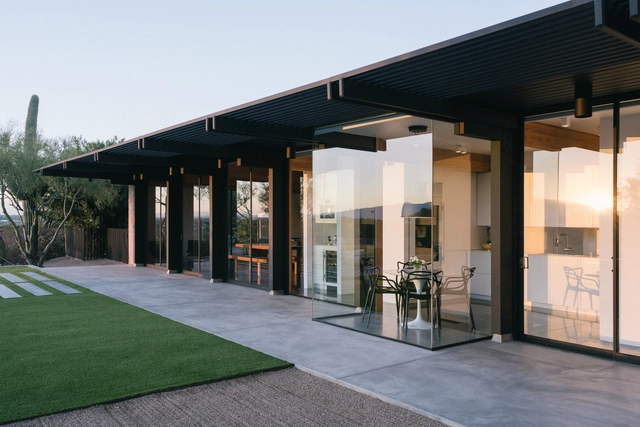
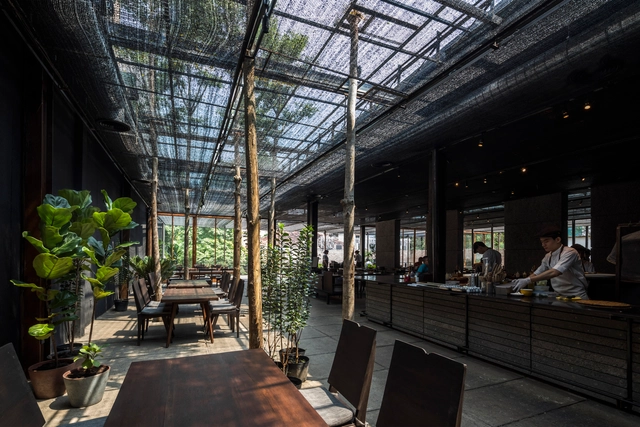
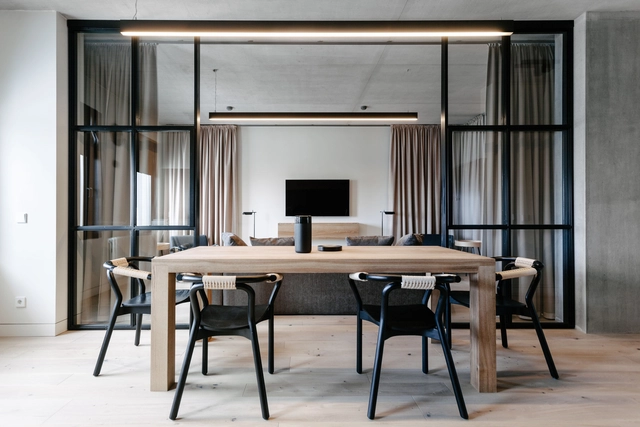
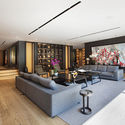
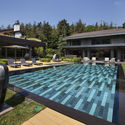
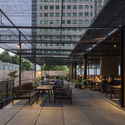
Architects: HK Associates Inc
- Area: 2400 ft²
- Year: 2017



Fender Katsalidis Architects’ Seafarers Place project has received planning approval for its $450 million redevelopment of the Northbank Goods Shed. Designed to revitalize the industrial waterfront site, the project will include a mixed-use precinct and a 5-star luxury hotel along the Yarra riverfront. Created with property developer Riverlee, the project aims to radically rethink the area's public space with a 3,500sqm public park and significant restoration along the historic wharf.
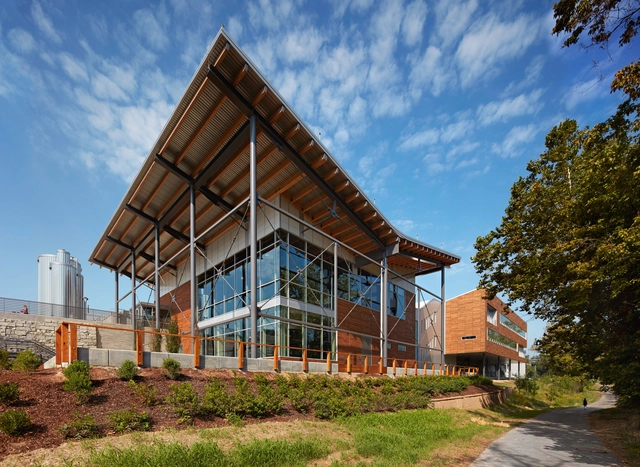
Since moving to New York in 2010, BIG founder Bjarke Ingels has built an impressive portfolio, from developed projects such as VIA 57 West and The Eleventh to propositions such as West 29th Street and The Spiral.
In a new interview with Louisiana Channel, Ingels steps back from the pragmatism of individual projects, and instead reflects on his view of New York, from multiculturalism and inequality to regeneration and skyscrapers.

The Brussels Lebeau – Sablon competition has announced MLA+, the sister company of Maccreanor Lavington, as the winners of the international contest to transform the city's historic Le Sablon district. Working together with local firm Korteknie Stuhlmacher Architecten, the team's proposal is a new mixed-use development for Belgium developer IMMOBEL, which seeks to regenerate the key historical district. The winning scheme includes offices, residences, a student hotel, and a public square.
.jpg?1534101661)
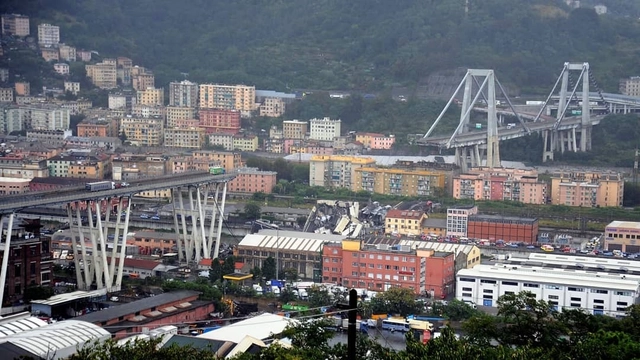
39 people are now reported to have died following the collapse of the Morandi motorway bridge in Genoa, Italy. The incident happened on Tuesday 14th August, when one of the bridge’s structural components, comprising of pre-stressed concrete stays and trestles, collapsed onto a railway line and warehouse 150 feet (45 meters) below.
The cause of the collapse is not yet known, however, attention is now turning to the bridge’s maintenance record, concerns of its integrity stretching back decades, and how the collapse sits within the broader context of aging Italian infrastructure.

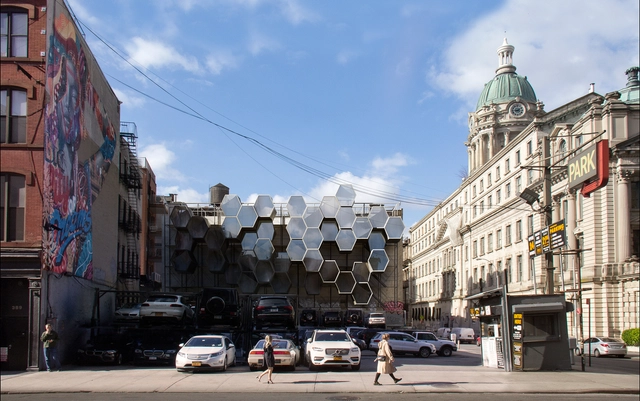
In the last global survey undertaken by the United Nations in 2005, there were an estimated 100 million people who were homeless around the world and 1.6 billion who lived without adequate housing. This number has escalated in recent years; unaffordable housing has become a global norm, making it increasingly difficult for the disadvantaged to seek out permanent, or even temporary shelter.
As housing becomes a means of accumulating wealth rather than fulfilling its fundamental goal of shelter, well-intentioned architects have attempted to solve the homelessness crisis through creative ideas and innovative design. But is architecture really the solution?
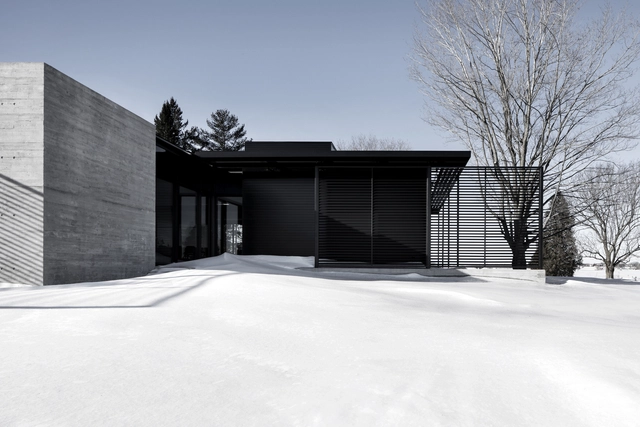
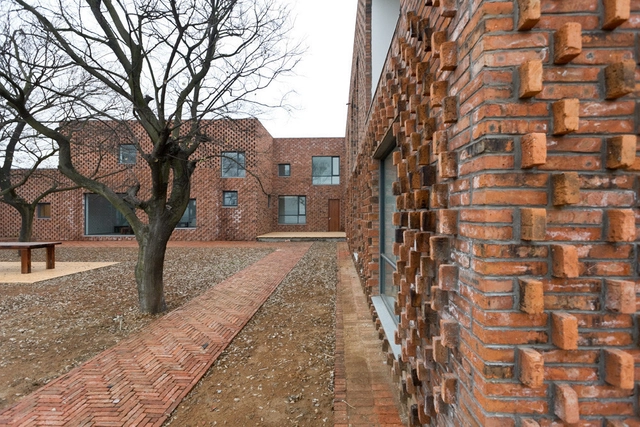
Bricks have historically been the cornerstone of a wide array of living spaces, providing everything from enclosure and protection to the framework for letting in sunlight. Whether it be for their economic or aesthetic aspects in both color and texture, the use of brick can be glimpsed in cities the world over.
In spite of its practicality and widespread use, brick does present a challenge for architects and builders. Everything from humidity, wind, sun, mold, and time leaves its mark on brick, gradually wearing down its practical and aesthetic properties.
But fear not, in the following article we'll give you our tips on how to best treat and care for brick.

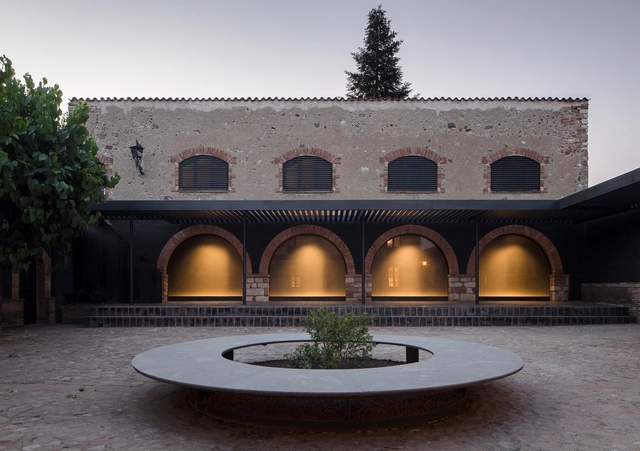
In his book The Right to the City (1968), Henri Lefebvre talks about ending the creation of spaces managed by the logic of profit, to launch a plan of "self-managed territory" that does not leave aside the "historical heritage," nor allow the decomposition of space, but instead works for the restitution of urban centers as places of creation.
Globalization has produced cities without limits whose focus has been on the immediate benefit, directly attacking the preservation of cultural heritage, among other things.
.jpg?1534172541&format=webp&width=640&height=580)

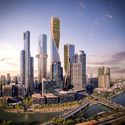
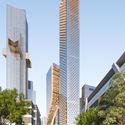
UNStudio and Cox Architecture have officially been announced as the winners of Melbourne’s landmark Southbank Precinct overhaul. Selected from a range of high-profile offices, including BIG, OMA, and MAD, UNStudio's vision for the $2 billion project includes a pair of twisted towers called Green Spine. As the largest single-phase project in the history of Victoria, Australia, the Green Spine is designed as a state-of-the-art, mixed-use environment centered around innovation in architecture and design.







.jpg?1534101542 "© Felipe Cantillana")
.jpg?1534102041 "© Felipe Cantillana")
.jpg?1534101661)











.jpg?1534174519 "© Ricky John Molloy")
.jpg?1534174050 "© Ricky John Molloy")
.jpg?1534174998 "© Ricky John Molloy")
.jpg?1534174179 "© Ricky John Molloy")
.jpg?1534172541)











.jpg?1534228927 "© Hiroyuki Oki")
.jpg?1534228999 "© Hiroyuki Oki")
