
-
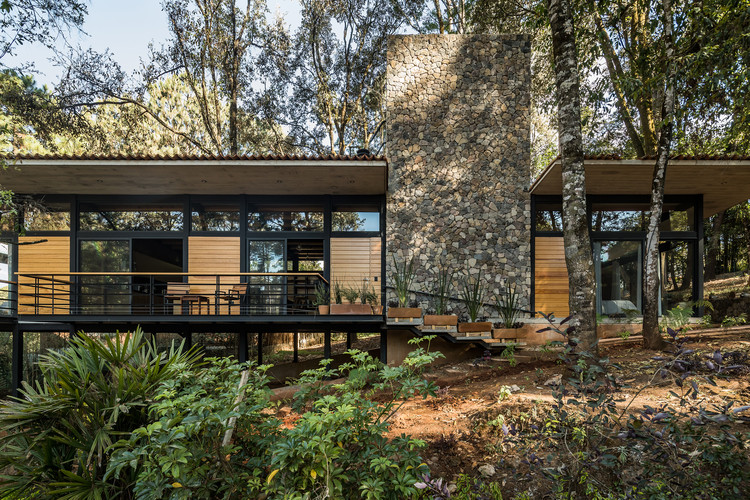
Architects: saavedra arquitectos
- Area: 220 m²
- Year: 2018
-
Manufacturers: Saint-Gobain, CASTEL, Grupo Arca, MACERE México, Rotoplas


_Page_1.jpg?1559041472)
The Swiss-born artist Paul Klee lived between 1879 and 1940, and was a noted Bauhaus lecturer who experimented deeply in color theory. His vibrant, mechanical sketches which formed the basis for his Bauhaus teaching throughout the 1920s, have now been made freely accessible online after the Zentrum Paul Klee published almost all 3900 pages of his personal notebooks.
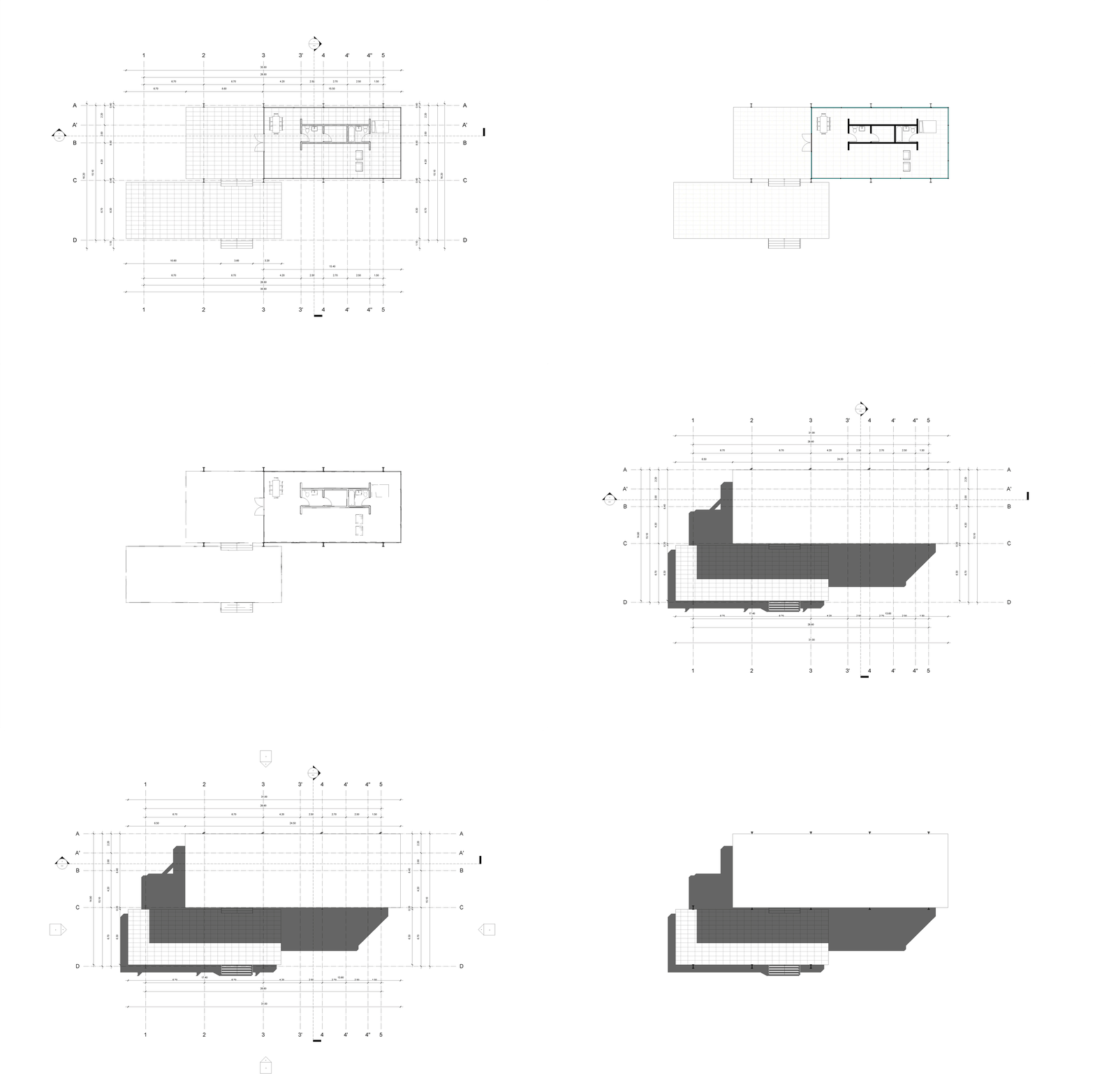
BIM is bringing 3D information technology to the work of floor-planning. Many 3D models rendered on traditional floor-plan platforms don't show the same level of detail and complexity as ones that incorporate BIM technology. For this, it is necessary to develop configurations that allow for the creation of an expressive and detailed floor plan that gives the best possible view of a project.
In this article, you will find an architectural file from Revit that features a series of configured View Templates. Made especially for architects who are newcomers to Revit and BIM methodologies, this file will allow you to incorporate View Templates into your Revit projects, allowing you to better showcase the ideas and concepts behind your designs.

Arata Isozaki has officially received the 2019 Pritzker Architecture Prize, in a ceremony at the Château de Versailles in France. Isozaki, who has been practicing architecture since the 1960s, has long been considered an architectural visionary for his transnational and fearlessly futurist approach to design. With well over 100 built works to his name, Isozaki is also incredibly prolific and influential among his contemporaries. Isozaki is the 49th architect and eighth Japanese architect to receive the honor.

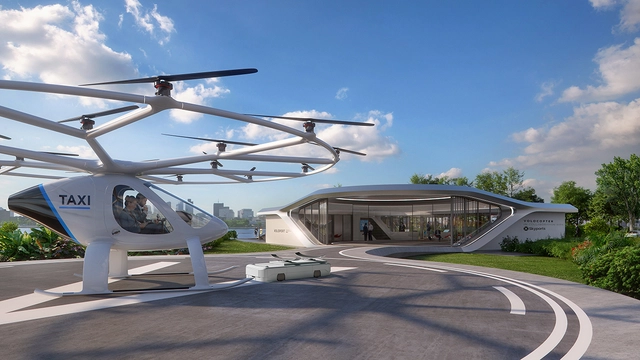
Design practice GRAFT has designed the first mobile Volo-Port for air taxis. UK-based global vertiport owner and operator Skyports and air taxi pioneer Volocopter unveiled plans for the Volo-Port – the physical landing pads for so-called eVTOL (electric take-off and landing). As a collaboration between GRAFT Architects and Arup, Berlin agency GRAFT Brandlab won the competition for the Volo-Port design, and construction is scheduled for completion this year in Singapore.
Last week, Chaos Group returned to Bulgaria presenting the latest and most innovative within the world of technology and visualization through the Total Chaos 2019 conference. With more than 50 specialists in the field, the event was divided into a series of talks and masterclasses where ArchDaily had the opportunity to participate to cover what was a remarkably enriching instance for all those involved in the world of architecture and the creative industry.
In this second version, Total Chaos provided a shared space for 3D artists and developers to connect and grow, as they explore how topics like AI, real-time ray tracing, light fields and collaborative VR will continue to change professional workflows.

During the modern period, the buildings that used the traditional sloping roofs with tiles, draining the waters as quickly as possible, have begun to give way to the well-known 'waterproof flat roofs.' In spite of delivering a clean aesthetic to the project, allowing the use of the last slab as a space for living and contemplation, this solution can become a headache for its occupants if its execution and design are not careful. It is no accident that there have been infiltrations in famous modern buildings, such as the Vile Savoye or the Farnsworth House, designed by great masters of architecture. Currently, the civil construction industry has developed more sophisticated products and techniques that drastically reduce the chances of subsequent infiltration. However, we could say that waterproof flat slabs continue to be fragile points in buildings. The architects from Brasil Arquitetura have improved an inventive and very simple solution to avoid infiltrations in flat slabs, much used in the 70's by architects like Paulo Mendes da Rocha and Ruy Ohtake, filling them with vegetation.




_Page_1.jpg?1559041436 "© Zentrum Paul Klee")
_Page_1.jpg?1559041446 "© Zentrum Paul Klee")
_Page_1.jpg?1559041460 "© Zentrum Paul Klee")
_Page_1_copy.jpg?1559041414)



.jpg?1558987434)