Created in association with the Seoul Biennale Of Architecture And Urbanism 2021, the documentary CROSSROADS: Life in the Resilient City pieces together five stories illustrating how individuals appropriate the rapidly changing urban environments of New York, Seoul, Mumbai, Paris and Nairobi. Created by cinematographer Nils Clauss, together with filmmaker and videographer Neil Dowling, the film captures architecture and urban landscape as both the backdrop and the protagonist of these narratives blending reality and imagination.
CROSSROADS : Life in the Resilient City Documentary for SBAU 2021 Explores Dwellers' Experience of Rapidly Changing Urban Environments



https://www.archdaily.com/969974/crossroads-life-in-the-resilient-city-documentary-for-sbau-2021-explores-dwellers-experience-of-rapidly-changing-urban-environmentsAndreea Cutieru
Squid Game: Minimalist Chic and Spaces of Oppression
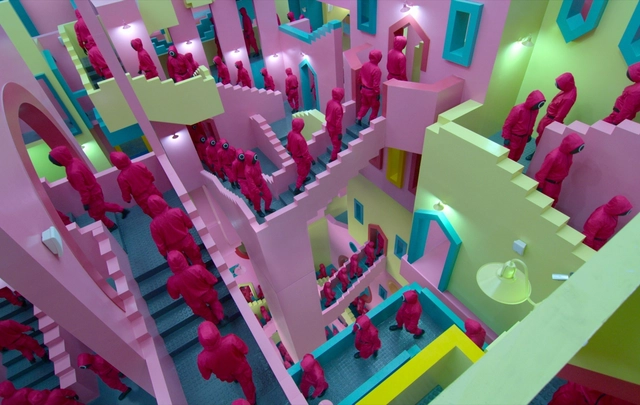
People die in Squid Game. Lots of people. But while violence is one of the most appealing ingredients for the success (or failure) of a television show, that's not the only reason the series has become so popular worldwide. Pop culture, mesmerizing scenarios, and a plot full of social metaphors all contribute to this.
Available for streaming since September 2021, the Netflix series Squid Game “will definitely be our biggest non-English language show in the world, for sure,” and has “a very good chance it’s going to be our biggest show ever,” according to Ted Sarandos, the platform's co-CEO and Head of Content. The survivor thriller by director Hwang Dong-hyuk tells the story of a group of 456 people who are deeply in debt competing to win 45.6 billion won (around €33 million, $38 million) in prize money.
https://www.archdaily.com/969927/squid-game-minimalist-chic-and-spaces-of-oppressionRomullo Baratto
Rikers Island: Territorial Empathy and Reimagining Civic Engagement
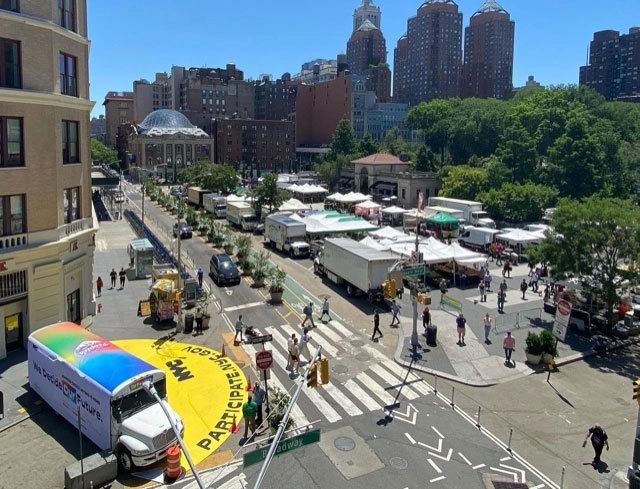
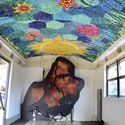
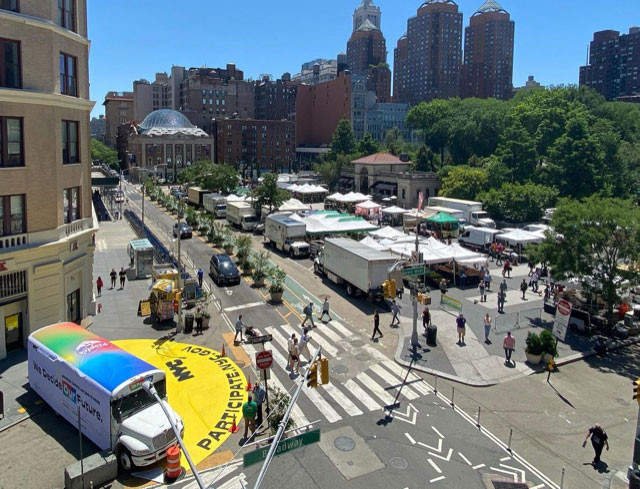
The NYC Civic Engagement Commission (CEC), Department of Cultural Affairs (DCLA), the Mayor’s Fund to Advance New York City and Public Artist in Residence (PAIR) Yazmany Arboleda officially kicked off The People’s Festival. This five borough series of outdoor events featured live performances, interactive workshops, and community information and resources. The festival was anchored by The People’s Bus, a retired city bus formerly used to transport people detained on Rikers Island.



https://www.archdaily.com/969980/rikers-island-territorial-empathy-and-reimagining-civic-engagementEric Baldwin
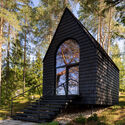
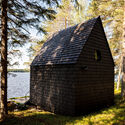
Filmmakers Hut / Pirinen Salo Oy

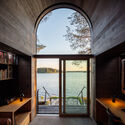
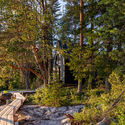

-
Architects: Pirinen Salo Oy
- Area: 24 m²
- Year: 2020
-
Manufacturers: HAY, Profin, Resident
https://www.archdaily.com/969979/filmmakers-hut-pirinen-salo-oyPaula Pintos
Join the Build for Life Conference Hosted by VELUX
| Sponsored Content

From 15-17 November, leading roof window manufacturer VELUX will host its Build for Life Conference 2021, with the goal of developing more sustainable strategies for the building industry.
https://www.archdaily.com/969981/join-the-build-for-life-conference-hosted-by-veluxRene Submissions
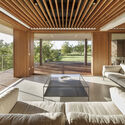
Villa in Sicily / DAP Studio


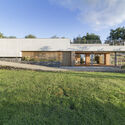
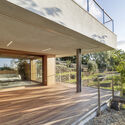

-
Architects: DAP Studio
- Area: 90 m²
- Year: 2020
-
Manufacturers: Knauf, Depadova, Florim, SIMES, VitrA
-
Professionals: Puglisi Engineering
https://www.archdaily.com/969946/villa-in-sicily-dap-studioAndreas Luco
Tenjin Business Center / OMA


-
Architects: OMA
- Year: 2021
-
Professionals: NIHON SEKKEI, Maeda Corporation, Arup Japan, Curiosity Inc., Lighting Planners Associates
https://www.archdaily.com/969977/tenjin-business-center-omaPaula Pintos
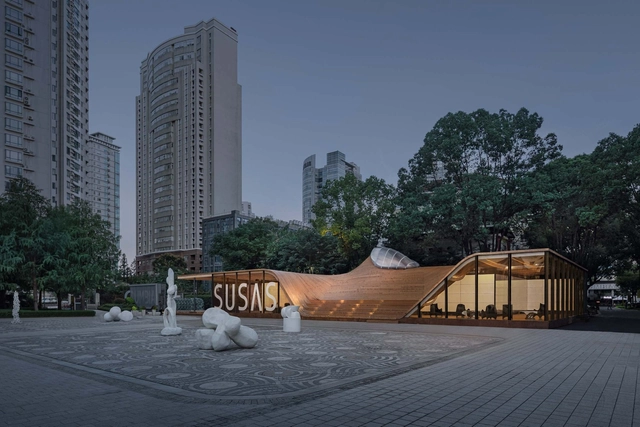
15-Minutes Community Meta-Box / Tongji University + Fab-Union Technology

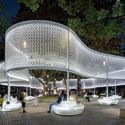

-
Architects: Fab-Union Technology, Tongji University
- Area: 500 m²
- Year: 2021
https://www.archdaily.com/969729/15-minutes-community-meta-box-tongji-university-plus-fab-union-technologyCollin Chen


Benton County Historical Society Corvallis Museum / Allied Works Architecture


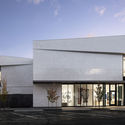
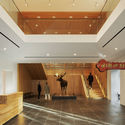
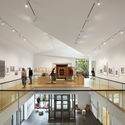

-
Architects: Allied Works Architecture
- Area: 19000 m²
- Year: 2021
-
Manufacturers: Unika Vaev, Castle Bespoke, Kawneer, LumLEX Lighting Services
-
Professionals: Project Renate, Devco, Arup, Morrison Hershfield
https://www.archdaily.com/969961/benton-county-historical-society-corvallis-museum-allied-works-architecturePaula Pintos
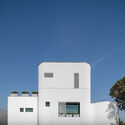
Casa Ferrum / Miró Rivera Architects + Ibarra Aragón Arquitectura




-
Architects: Ibarra Aragón Arquitectura, Miró Rivera Architects
- Area: 8065 ft²
- Year: 2021
https://www.archdaily.com/969947/casa-ferrum-miro-rivera-architects-plus-ibarra-aragon-arquitecturaAndreas Luco
Endless Horizon House / Siqueira + Azul Arquitetura
.jpg?1633630606&format=webp&width=640&height=580)
.jpg?1633630367 "© André Nazareth")
.jpg?1633630425 "© André Nazareth")
.jpg?1633630537 "© André Nazareth")
.jpg?1633630532 "© André Nazareth")
.jpg?1633630606)
https://www.archdaily.com/969780/endless-horizon-house-siqueira-plus-azul-arquiteturaSusanna Moreira
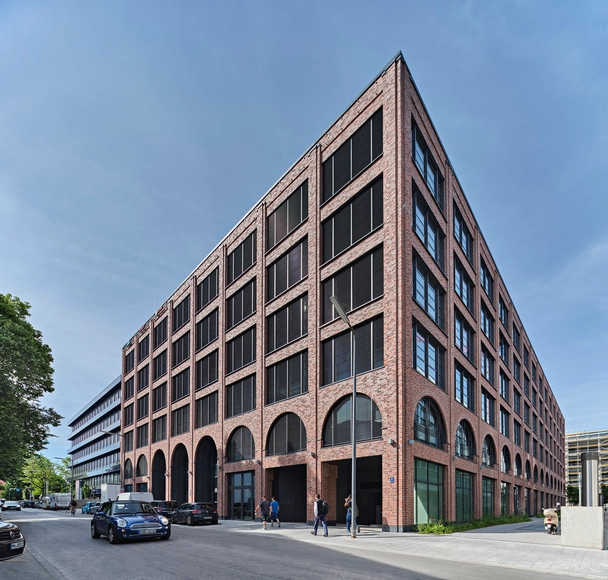
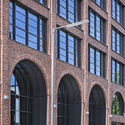
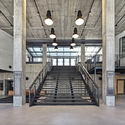
M8 Work & Create / Oliv Architekten


-
Architects: Oliv Architekten
- Area: 1700 m²
- Year: 2021
-
Manufacturers: Atlas Schindler, Hagemeister, Muuto, Novoferm, Schüco, +1
-
Professionals: IKR Kuschl GmbH, Lumen 3, Pangratz + Keil, Sacher GmbH
https://www.archdaily.com/969905/m8-work-and-create-oliv-architektenValeria Silva
PRS House / Quinze Architecture
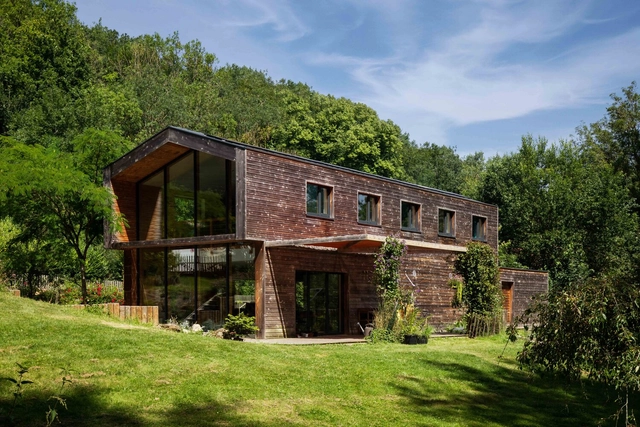

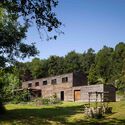

- Area: 150 m²
- Year: 2014
-
Manufacturers: GRAPHISOFT, Daikin, INTERNORM, ISOCELL, SIGA, +2
https://www.archdaily.com/968278/prs-house-quinze-architecturePilar Caballero
OFMA Offices in a Vineyard / MAPAA
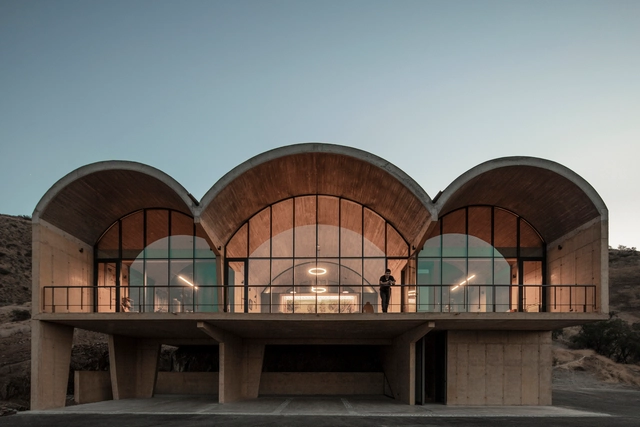

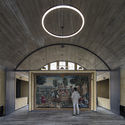
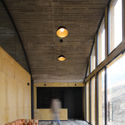
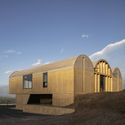

https://www.archdaily.com/951405/ofma-offices-in-a-vineyard-mapaaValeria Silva
Lighting Products and Projects Design: Meet the Winners of the 2021 A’ Design Awards

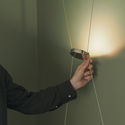


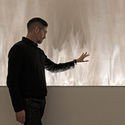

Seeking to deliver high visibility and recognition to the world's best designers, architects, and design-oriented companies, A' Design Award & Competition is the world's largest annual juried design competition. The A’ Design Awards are organized and awarded internationally in over 100 categories, ranging from industrial design to architecture. Each year, the winning projects receive public relations, advertising, and marketing services to celebrate their success, at no additional cost to them.
Early registration for the A’ Design Award & Competition for the period 2021-2022 is now open and you can register here. To encourage you to participate and recognize the awarded works in the 2020-2021 version, we present a selection of winners from the category Lighting Products and Projects Design.
https://www.archdaily.com/969743/lighting-products-and-projects-design-meet-the-winners-of-the-2021-a-design-awardsRene Submissions
Installation Made of Mushrooms Wins 2022 Tallinn Architecture Biennale Competition
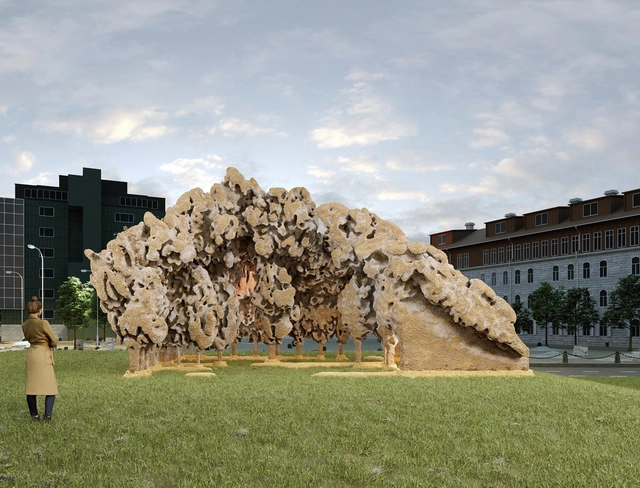
Australian duo Simulaa and Natalie Alima have won the competition for the 2022 Tallinn Architecture Biennale in Estonia with an installation made of mushrooms. Titled Burlasite, the structure's base will employ 3D printing technology that will be taken over by mycelia over time. The proposal highlights repurposing and reusing local materials, and how humans can create sustainable designs with invention and environmental adaptation. The Tallinn Architecture Biennale will open to the public on September 7th, 2022, and the installation will be on display until 2024 in front of the Museum of Estonian Architecture.


https://www.archdaily.com/969957/installation-made-of-mushrooms-wins-2022-tallinn-architecture-biennale-competitionDima Stouhi
Biozentrum Research Building University of Basel / Ilg Santer Architekten


-
Architects: Ilg Santer Architekten
- Year: 2021
-
Manufacturers: Karimoku New Standard, Regent Lighting Basel
-
Professionals: Aerni + Aerni, Krebs und Herde, Stokar + Partner, GKP Fassadentechnik AG, Bakus, +2
https://www.archdaily.com/969945/biozentrum-research-building-university-of-basel-ilg-santer-architektenPaula Pintos