
-
Architects: Jan Kinsbergen
- Year: 2015







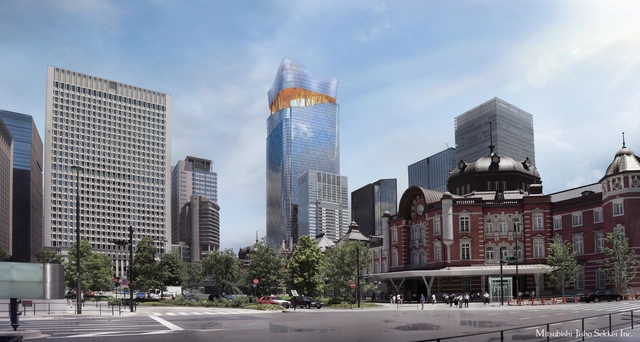
Sou Fujimoto Architects has unveiled its design for the top part of the tallest skyscraper in Japan “Torch Tower” in Tokyo, collaborating mainly with Mitsubishi Jisho Sekkei, Inc. Standing tall at 390m, the highrise building planned to be ready by 2028, takes on a large plaza at around 300m, generating a space for people.


Blank Space has announced the winners of the second annual Outer Space competition. The competition asked architects and designers to leverage real scientific advances in robotics, AI, rocketry and autonomous spacecraft to create visions for the near future in outer space.The competition attracted thousands of participants, with winning entries showcasing narratives and images of architecture beyond the planet Earth.
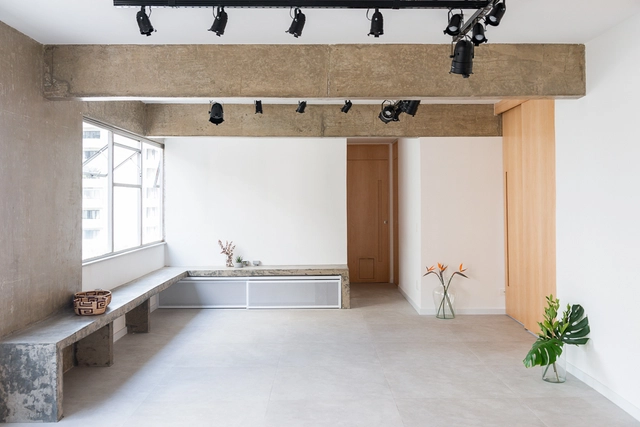
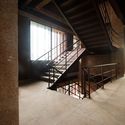
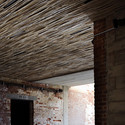
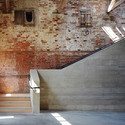
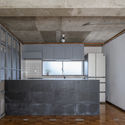
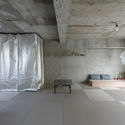
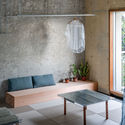
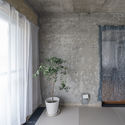
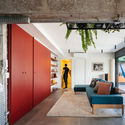
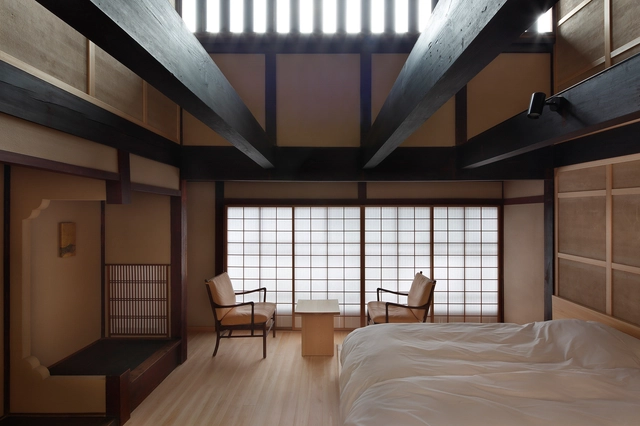
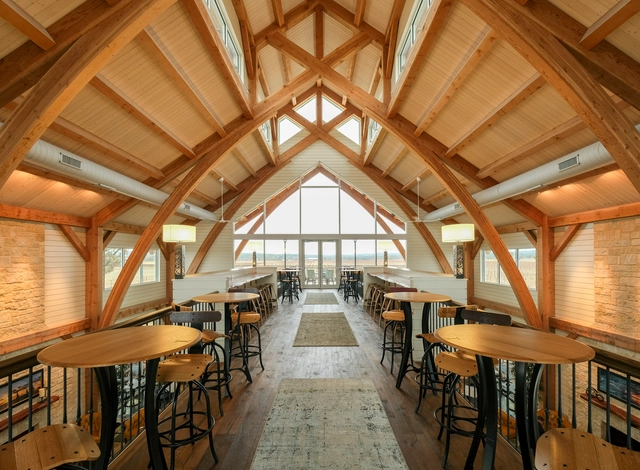
Many architects tend to prefer using materials and architectural elements in their natural or raw state. It is common to remove ceilings and finishings, especially in renovation projects, to expose a building's structure. This process of reclaiming the natural materials of construction - without incorporating elements to cover the framework, pipes, tubes, and cables - transforms these spaces into places that have nothing to hide.

"And a window that looks out on Corcovado. Oh, how lovely." Tom Jobim's lyrics, immortalized by João Gilberto and Astrud Gilberto's voices and a soft guitar, was one of the early songs that introduced the world to the idea of a paradisaical Rio de Janeiro and a promising Brazil, with an increasingly urban population and a modern capital being built from nothing. Almost 60 years later, Paulo Mendes da Rocha casually quotes this song in an interview and points out that for him, in this scene, the most important element is the window, not Corcovado or Christ the Redeemer. That's because it frames the view and directs our eyes to what matters. It is a phrase that goes almost unnoticed, but that carries enormous poetic and artistic significance to the craft of architecture.

Designing resilient cities combines practical solutions with innovative ideas. Interdisciplinary global firm HKS is working to bring these ambitions to life with researchers, urban designers, nurses, anthropologists, graphic designers and more. Viewing design as a process of discovery, three directors at HKS are leading how cities explore research, equity and integration to create more resilient futures.