.jpg?1615312065)


-
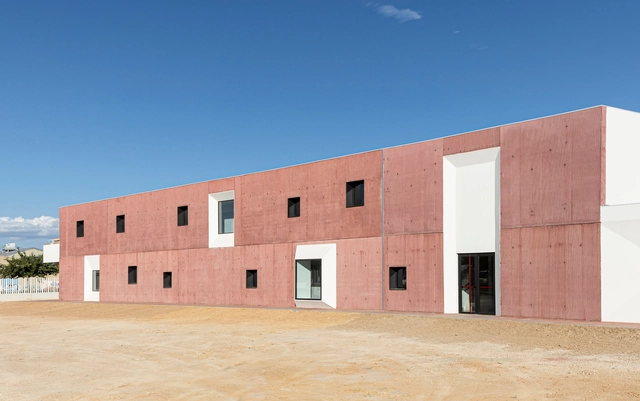
Architects: Estudio Vilablanch, TdB Arquitectura
- Area: 82882 ft²
- Year: 2019
-
Professionals: JG Ingenieros, BIS Structures, MAT Barcelona


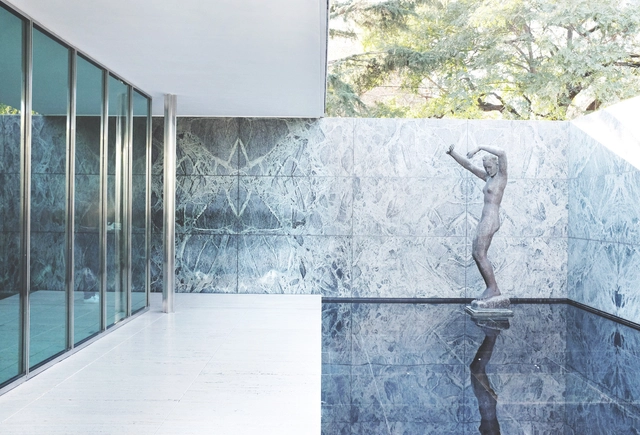
Ludwig Mies van der Rohe (27 March 1886 – 17 August 1969) is one of the most influential architects of the 20th century, known for his role in the development of the most enduring architectural style of the era: modernism. Born in Aachen, Germany, Mies' career began in the influential studio of Peter Behrens, where Mies worked alongside two other titans of modernism, Walter Gropius and Le Corbusier. For almost a century, Mies' minimalist style has proved very popular; his famous aphorism "less is more" is still widely used, even by those who are unaware of its origins.


.jpg?1616711915)

_.jpg?1616653343&format=webp&width=640&height=580)


LEGOs are universal world-building units and a popular gateway into architecture. Of course, you can build almost anything with them, cars, spaceships, you name it, but buildings of all kinds — from police-stations to castles — are some of the most popular subjects. What makes LEGOs so appealing to young, and not-so-young architects? What, specifically, makes them a good analogy for the design of buildings? In this episode, Stewart purchases a box of LEGOs and uses it as a springboard to talk about what he’s learned from the toy block system. From lessons on modularity and proportion, to grammar and resolution, to compositional categories of additive and subtractive, the video breaks down how these fundamental concepts apply to both LEGOs and to the history and design of architecture.

If your profession involves going into the office every day, then you’re probably familiar with this age-old question- is the office too hot, or is it too cold? While some colleagues may claim that the workplace feels like a sauna, you might see others who survive the daily grind hidden away under a blanket with a personal space heater keeping them company. The never-ending debate about the perfect temperature might only scratch the surface of many questions that designers and engineers have aimed to solve about the workplace, and they’re probably the aspects that you don’t consider on a daily basis. What about lighting- has a meeting room ever felt too bright, or too dimly lit that you felt uncomfortable?
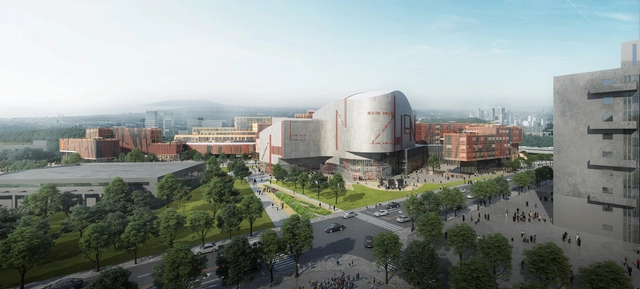
Miralles Tagliabue EMBT, directed by Benedetta Tagliabue, has won the international competition to design the Shenzhen Conservatory of Music, one of the city's 10 new era cultural buildings. Characterized by the dialogue generated with its surroundings, the complex integrates music and art in nature with a proposal of organic and sustainable architecture.

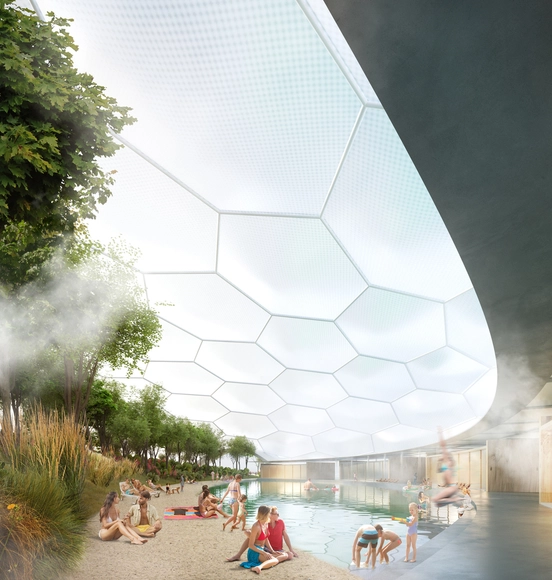
A trans-disciplinary team led by CRA-Carlo Ratti Associati has designed a series of islands for the Helsinki Energy Challenge. Titled Hot Heart, the project is based on an archipelago of heat-storing basins that will also serve as a hub for recreational activities. The “islands” will be home to tropical forests and ecosystems from around the world, bringing additional public space and a new educational attraction to the Finnish capital.

On March 9, what would have been Luis Barragán's 119th birthday, we commemorate Mexico's most celebrated architect and discuss his winning of the 1980 Pritzker Prize.







.jpg?1616711792 "© Chao Zhang")
.jpg?1616712006 "© Chao Zhang")
.jpg?1616712130 "© Chao Zhang")
.jpg?1616711915)


.jpg?1616653614 "© Richard Barnes")
.jpg?1616654167 "© Richard Barnes")
.jpg?1616653703 "© Richard Barnes")
.jpg?1616654121 "© Richard Barnes")
_.jpg?1616653343)